
A chainsaw can be extremely loud, typically registering between 90 and 115 decibels (dB). This level of noise can cause permanent hearing damage with prolonged exposure.
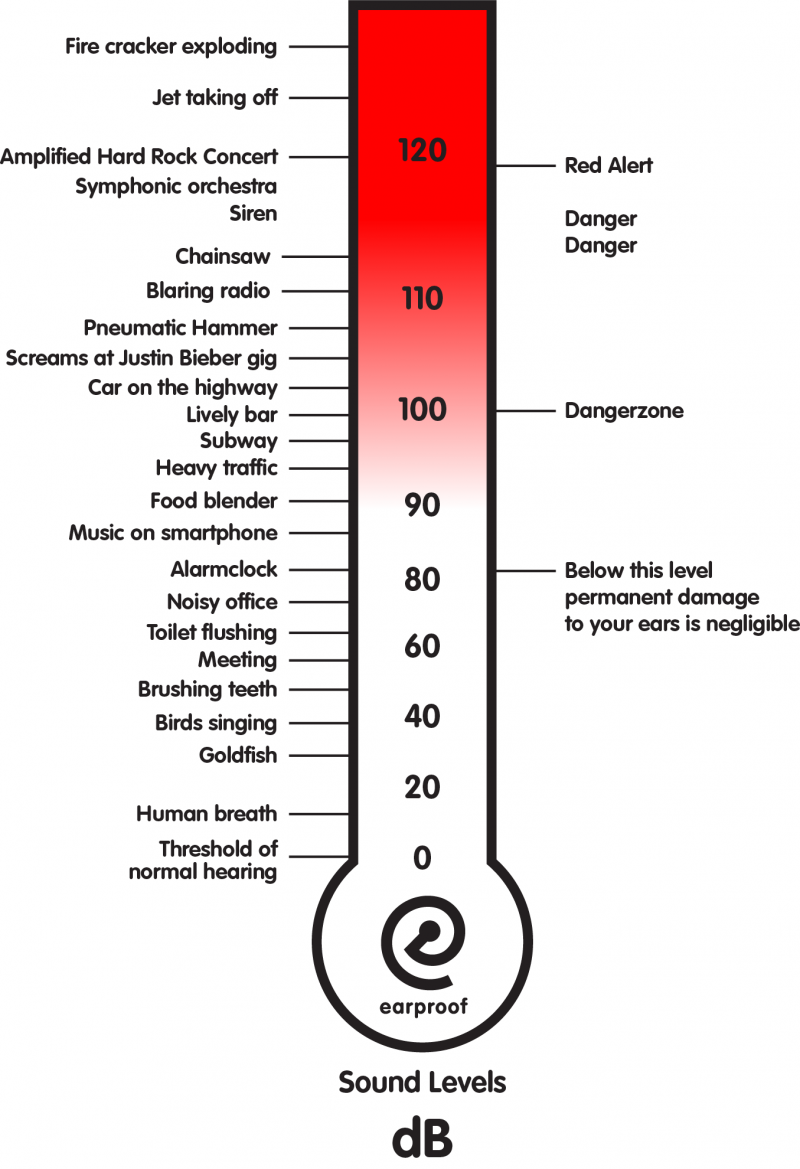
Image Source: decibelpro.app
Chainsaw Decibels: A Deep Dive into Their Sound Output
Chainsaws are powerful tools designed for cutting through wood with efficiency. This power, however, comes with a significant byproduct: chainsaw noise level. The roar of a chainsaw is not just an indication of its cutting force; it’s a crucial factor in user safety and environmental impact. Understanding chainsaw decibels is paramount for anyone who operates or works near these machines.
Measuring the Roar: The Decibel Scale Explained
The decibel (dB) scale is a logarithmic unit used to measure sound pressure levels. This means that a small increase in decibels represents a large increase in sound intensity. To put it into perspective:
- 0 dB: The threshold of human hearing.
- 20 dB: A quiet whisper.
- 60 dB: Normal conversation.
- 80 dB: A garbage disposal or a busy street.
- 100 dB: A motorcycle or a jackhammer.
- 120 dB: A rock concert or a jet engine at takeoff.
As you can see, even at the lower end of the chainsaw’s output, the sound is already significantly louder than everyday noises.
Chainsaw Sound Output: Factors Influencing Loudness
Several factors contribute to the overall chainsaw sound output:
- Engine Size and Type: Larger, more powerful engines, especially in gas-powered models, generally produce more noise. The combustion process itself is inherently loud.
- Muffler Design: A well-designed muffler is crucial for reducing noise. However, even the best mufflers can only do so much to tame the intense sound produced by the engine.
- Chain Speed and Tooth Design: The speed at which the chain moves and the sharpness and design of the cutting teeth can influence the audible noise.
- Cutting Material: The type and hardness of the wood being cut can also affect the perceived loudness. Cutting through dense hardwood will often sound louder than cutting through softer pine.
- Age and Maintenance: Older chainsaws, or those that are not properly maintained, might have worn parts that contribute to increased noise levels.
Chainsaw dB Rating: What the Numbers Mean for You
The chainsaw dB rating is the manufacturer’s measurement of the sound pressure level emitted by the saw, usually at a specified distance (often 1 meter) and operating condition. This rating is crucial for making informed decisions about purchasing and using a chainsaw.
A typical chainsaw dB rating for a gas-powered model can range from 100 dB to over 115 dB. Electric chainsaws, while generally quieter, can still produce significant noise, often in the 90-105 dB range.
Chainsaw Volume: More Than Just a Number
The term chainsaw volume encompasses not just the decibel level but also the character of the sound – its pitch, frequency, and how it affects the listener. The high-pitched whine combined with the deep rumble of the engine creates a sound that is not only loud but also often perceived as aggressive and piercing.
Interpreting Chainsaw Noise Levels: Practical Implications
Fathoming chainsaw decibels is essential for safe operation. Exposure to sounds above 85 dB for extended periods can lead to permanent hearing loss. Given that most chainsaws operate well above this threshold, proper chainsaw hearing protection is not an option – it’s a necessity.
The Loud Reality: How Loud Is a Gas Chainsaw?
Gas-powered chainsaws are the workhorses for many, but they are also the loudest. The internal combustion engine, the fuel mixture, and the rapid movement of the cutting chain all contribute to an intense sound experience.
Engine Power and Noise
How loud is a gas chainsaw? The answer is: very. You can expect a gas chainsaw to produce sound levels in the range of 105 dB to 115 dB, and sometimes even higher for professional-grade models. This is comparable to standing next to a jackhammer or a lawnmower operating at full throttle.
- Displacement: Chainsaws with larger engine displacements (measured in cubic centimeters, cc) tend to be more powerful and, consequently, louder.
- Two-Stroke Engines: Most gas chainsaws use two-stroke engines, which are known for their power-to-weight ratio but also for their characteristic loud and high-pitched exhaust note.
Muffler Effectiveness: A Compromise
While manufacturers strive to create efficient mufflers, the fundamental nature of a gasoline engine means that a significant amount of noise will always be generated. The muffler’s primary job is to reduce the abrupt pressure waves from the exhaust port, but it cannot eliminate the noise of the combustion process itself.
Chainsaw Noise Exposure: The Risks of Overexposure
Prolonged chainsaw noise exposure from a gas model without adequate protection can quickly lead to:
- Tinnitus: A persistent ringing or buzzing in the ears.
- Noise-Induced Hearing Loss (NIHL): Gradual and irreversible damage to the tiny hair cells in the inner ear that detect sound.
- Increased Stress and Fatigue: The constant barrage of loud noise can be physically and mentally draining.
The Quieter Cousin: How Loud Is an Electric Chainsaw?
Electric chainsaws offer a more convenient and often lighter alternative to their gas counterparts, and they are generally quieter. However, “quieter” does not mean “silent” or “safe without protection.”
Comparing Electric and Gas Chainsaw Noise
How loud is an electric chainsaw? Typically, electric chainsaws fall into the 90 dB to 105 dB range. This is still very loud by human standards and well above the threshold for safe, unprotected listening.
- Corded vs. Battery-Powered: Corded electric chainsaws and battery-powered chainsaws tend to have similar noise outputs. The primary noise source is the electric motor and the cutting chain, rather than combustion.
- Motor Type: The type of electric motor used can influence the noise. Brushless motors are often quieter than brushed motors.
Advantages of Lower Chainsaw Noise Level
While still requiring hearing protection, the lower chainsaw noise level of electric models offers some advantages:
- Slightly Reduced Hearing Risk: While the difference between 90 dB and 110 dB is significant in terms of hearing damage potential, both levels necessitate protection.
- Improved Communication: In some situations, it might be slightly easier to communicate with someone operating an electric chainsaw compared to a gas one, although shouting is still likely required.
- Reduced Noise Pollution: For residential areas or near neighbors, the reduced noise pollution from an electric chainsaw can be a significant benefit.
Chainsaw Volume in Context
Even though electric chainsaws are quieter, it’s crucial to remember that 90 dB is still as loud as a garbage disposal. Continuous exposure to this level of sound can still cause damage.
Safeguarding Your Hearing: Essential Chainsaw Hearing Protection
Given the significant chainsaw volume, investing in and consistently using proper chainsaw hearing protection is non-negotiable. This is the single most important safety measure you can take.
Types of Hearing Protection
- Earplugs: These are inserted directly into the ear canal. They are generally inexpensive and effective but require proper insertion to achieve their stated Noise Reduction Rating (NRR).
- Foam Earplugs: Disposable, comfortable, and good at sealing the ear canal.
- Pre-molded Earplugs: Reusable and often designed for a more secure fit.
- Earmuffs: These fit over the entire ear, creating a seal against the head. They are often more comfortable for extended wear and can provide a higher NRR than many earplugs.
- Over-the-Head Earmuffs: The most common type, with a padded headband.
- Neckband Earmuffs: The cups are connected by a band that goes behind the head.
Choosing the Right Protection: The NRR Factor
The Noise Reduction Rating (NRR) is a standardized measure of how much a hearing protector can reduce sound exposure. The higher the NRR, the more protection it offers.
When choosing chainsaw hearing protection:
- Target an NRR of 25-30 dB: Most chainsaws operate in the 100+ dB range. To bring this down to a safer level (e.g., below 85 dB), you need protection that can effectively reduce noise by at least 15-20 dB.
- Comfort is Key: If the hearing protection is uncomfortable, you’re less likely to wear it consistently. Try different types to find what works best for you.
- Consider Communication: Some earmuffs are designed with pass-through audio technology, allowing you to hear important sounds like warning shouts or even music while still protecting your hearing.
Proper Usage for Maximum Effectiveness
Simply wearing hearing protection isn’t enough; you must wear it correctly:
- For Earplugs: Roll the foam earplug between your fingers, insert it into the ear canal, and hold it until it expands to create a seal. Ensure it’s deep enough without being painful.
- For Earmuffs: Make sure the cups completely cover your ears and create a tight seal against your head. The headband should be snug.
- Wear Them Consistently: Put on your hearing protection before you start the chainsaw and keep it on until you are a safe distance away from the operating saw. Don’t take them off for “just a minute” – that’s often when the damage occurs.
Chainsaw Noise Pollution: An Environmental Concern
Beyond the direct impact on the user, chainsaw noise pollution is a concern for the environment and those living in proximity to where chainsaws are used.
Impact on Wildlife
The loud and sudden noise generated by chainsaws can:
- Disturb and Displace Wildlife: Animals may flee the area, disrupting their feeding, breeding, and nesting patterns.
- Cause Stress: Even if animals don’t flee, the constant noise can induce stress, impacting their health and behavior.
- Mask Other Important Sounds: Wildlife relies on hearing for predator detection, communication, and navigation. Chainsaw noise can mask these crucial auditory cues.
Impact on Neighbors and Communities
For individuals living near areas where chainsaws are frequently used (e.g., logging sites, construction areas, or even large residential properties), the chainsaw volume can be a significant nuisance and cause stress. This is particularly true in suburban or rural settings where people value peace and quiet.
Mitigating Chainsaw Noise Pollution
While eliminating chainsaw noise entirely is impossible, some measures can help reduce its impact:
- Adhering to Local Noise Ordinances: Be aware of and respect any local regulations regarding operating loud machinery.
- Strategic Operation Times: Avoid operating chainsaws during early morning or late evening hours when noise is more likely to be disruptive.
- Using Electric Chainsaws: Where feasible, opt for electric chainsaws, which are generally quieter.
- Proper Maintenance: A well-maintained chainsaw with an effective muffler will operate more quietly than one that is neglected.
Factors Affecting Chainsaw Noise Exposure
Chainsaw noise exposure is not a static value. It can vary significantly based on the context of its use.
Duration of Use
The longer you operate a chainsaw, the greater your total chainsaw noise exposure. Even at lower decibel levels (but still above 85 dB), prolonged exposure increases the risk of hearing damage.
Proximity to the Saw
The intensity of sound decreases with distance. Operating a chainsaw very close to someone else significantly increases their exposure.
Work Environment
- Enclosed Spaces: Operating a chainsaw in an enclosed space like a shed or a barn can amplify the sound due to reverberation, leading to higher perceived chainsaw volume.
- Open Air: While better than enclosed spaces, open-air use still exposes the operator and anyone nearby to the full chainsaw sound output.
Individual Sensitivity
Some individuals are more susceptible to noise-induced hearing loss than others. Factors like genetics, pre-existing hearing conditions, and previous noise exposure can play a role.
Common Questions About Chainsaw Noise
What is the typical decibel level of a chainsaw?
Most chainsaws operate in the 90 to 115 decibel (dB) range. Gas chainsaws are generally louder, often reaching 105-115 dB, while electric models tend to be between 90-105 dB.
Can I use a chainsaw without hearing protection?
No. Operating a chainsaw without chainsaw hearing protection is extremely dangerous and can lead to permanent hearing loss. The chainsaw noise level is far too high for unprotected ears.
How loud is a professional-grade chainsaw?
Professional-grade chainsaws are typically the most powerful and therefore the loudest, often reaching the upper end of the 110-115 dB range. They require the highest level of chainsaw hearing protection.
Does the type of wood affect chainsaw noise?
Yes, the hardness and density of the wood being cut can influence the chainsaw sound output. Cutting through dense hardwood can sometimes result in a louder perceived sound.
Are battery-powered chainsaws quieter than corded ones?
Generally, battery-powered and corded electric chainsaws have similar chainsaw noise levels. The primary difference in noise comes from the motor and the cutting chain, not the power source itself.
How can I reduce chainsaw noise?
While you can’t eliminate it, you can reduce the impact by using a well-maintained saw with an efficient muffler, opting for electric models when possible, and always using appropriate chainsaw hearing protection. Adhering to local noise ordinances also helps mitigate chainsaw noise pollution.
What is the safe limit for noise exposure?
The Occupational Safety and Health Administration (OSHA) generally considers 85 dB to be the maximum safe exposure level for an eight-hour workday without hearing protection. For every 5 dB increase above that, the safe exposure time is halved. Given that chainsaws often exceed 100 dB, the safe exposure time without protection is mere minutes.
How do I know if my chainsaw is too loud?
If you can’t hold a conversation at a normal voice level when the saw is running, it’s likely too loud, and you definitely need chainsaw hearing protection. The chainsaw dB rating on the product information will also give you a clear indication.
This comprehensive exploration of chainsaw decibels highlights the critical need for awareness and precautions. The power of a chainsaw is undeniable, but its chainsaw volume demands respect and diligent safety practices. Always prioritize your hearing health by using appropriate chainsaw hearing protection and being mindful of chainsaw noise exposure.