
If your extension cord keeps turning off, it usually means either the appliance you’re using is drawing too much power, there’s a problem with the cord itself, or the electrical outlet or circuit is faulty. Don’t worry, most of these issues have straightforward solutions!
Extension cords are lifesavers, letting us power up devices far from wall outlets. But when they suddenly stop working, it’s frustrating. Is it the cord? The appliance? Or something else entirely? Let’s dive into why your extension cord might be cutting out and what you can do about it.
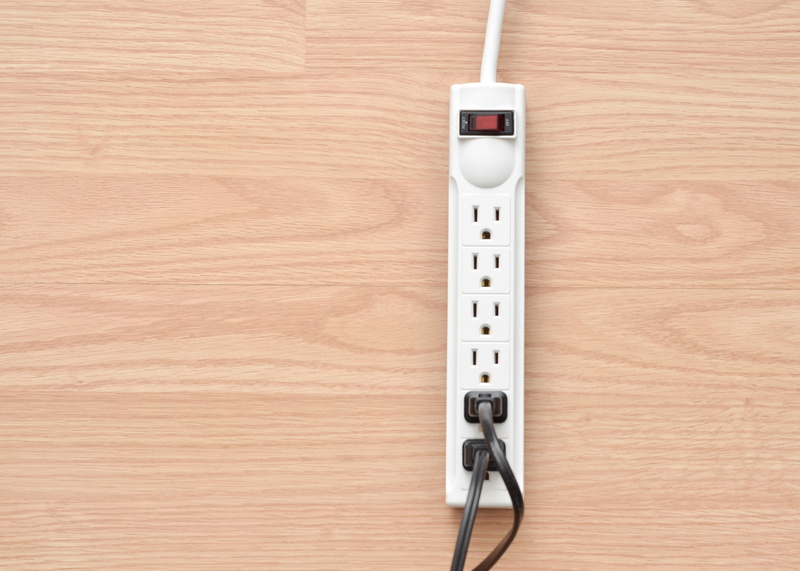
Image Source: www.daltonphc.com
Pinpointing the Problem: Common Culprits Behind Shutting Off
Several factors can cause an extension cord to stop delivering power. Recognizing these issues is the first step to getting your devices running again.
1. Overload Protection: The Silent Guardian
Many modern extension cords and power strips have a built-in overload protection feature. This is a safety mechanism designed to prevent fires and damage to your appliances and electrical system.
How Overload Protection Works
When you plug in appliances that draw more electricity (amperage) than the extension cord is rated for, the overload protector will “trip.” Think of it like a small circuit breaker dedicated to that cord. It interrupts the flow of electricity to stop the cord from overheating and becoming a fire hazard.
Table 1: Common Appliance Wattage and Amperage
| Appliance Type | Typical Wattage | Typical Amperage (at 120V) | Notes |
|---|---|---|---|
| Light Bulb (60W) | 60 W | 0.5 A | Low power draw |
| Phone Charger | 5-20 W | 0.04-0.17 A | Very low power draw |
| Laptop | 50-150 W | 0.4-1.25 A | Moderate power draw |
| Television | 100-300 W | 0.8-2.5 A | Varies by size and features |
| Vacuum Cleaner | 700-1500 W | 5.8-12.5 A | High power draw |
| Hair Dryer | 1200-1875 W | 10-15.6 A | Very high power draw, often trips protectors |
| Space Heater | 1500 W | 12.5 A | High power draw |
| Microwave Oven | 1000-1500 W | 8.3-12.5 A | High power draw |
| Coffee Maker | 700-1200 W | 5.8-10 A | Moderate to high power draw |
Note: Amperage is calculated by dividing Wattage by Voltage (Amps = Watts / Volts). These are approximate values and can vary by model.
What to Do When Overload Protection Trips
- Unplug the appliance.
- Unplug the extension cord from the wall.
- Identify the appliance causing the overload. Usually, it’s the last appliance you plugged in or a high-wattage device.
- Reduce the load. Unplug one or more appliances from the extension cord.
- Locate the reset button. Most extension cords with overload protection have a small button, often red, on the cord itself or on the power strip. Press this button firmly.
- Plug the extension cord back into the wall.
- Plug in your appliances one by one. Start with lower-wattage devices and see if the cord stays on.
2. Tripped Circuit Breaker: The Home’s Electrical Safety Net
Your home’s electrical system has a main tripped circuit breaker panel. Each circuit in your house is protected by a breaker. If too much power is drawn from a specific circuit (often shared by multiple outlets), the breaker will trip to protect the wiring in your walls from overheating.
Recognizing a Tripped Circuit Breaker
- The power to the extension cord (and potentially other outlets or lights on the same circuit) suddenly goes out.
- You might hear a “click” sound from the breaker box when the power goes off.
- In your electrical panel, you’ll see a breaker switch that is in the “off” position or in a middle “tripped” position.
Resetting a Tripped Circuit Breaker
- Locate your home’s main electrical panel. This is usually in a basement, garage, or utility closet.
- Open the panel door. You’ll see a row of switches (breakers).
- Identify the tripped breaker. It will likely be in the “off” position or a position between “on” and “off.”
- To reset, push the switch firmly to the “off” position first. This ensures it’s fully disengaged.
- Then, push the switch firmly back to the “on” position.
- Test your extension cord again.
Important Note: If a breaker trips repeatedly, it’s a strong sign of a persistent overload or a problem with the circuit itself. Do not keep resetting it. You may need to consult an electrician.
3. Faulty Extension Cord: The Weary Wanderer
Over time, extension cords can degrade. A faulty extension cord is a significant cause of unexpected shutoffs. This can be due to internal damage or wear and tear.
Signs of a Faulty Extension Cord
- Visible Damage: Frayed wires, cracks in the insulation, bent prongs, or a melted casing are clear indicators of damage.
- Overheating: If the cord or plug feels excessively hot to the touch even when not under heavy load, it’s a warning sign. This is a specific instance of an overheating extension cord.
- Intermittent Power: The cord might work sometimes and then suddenly stop, often without any apparent reason.
- Sparks or Smells: If you see sparks when plugging or unplugging, or smell burning plastic, stop using it immediately.
What to Do with a Faulty Extension Cord
- Discard it. For safety reasons, if you suspect your extension cord is faulty, the best course of action is to replace it. Do not try to repair a damaged cord unless you are a qualified electrician and know exactly what you are doing. The risk of electrical shock or fire is too high.
4. Loose Connection: The Unseen Interruption
A loose connection can occur at several points in the electrical path:
- The plug and the wall outlet: If the plug isn’t fully inserted into the outlet, or if the outlet itself is worn and doesn’t grip the plug tightly.
- The appliance plug and the extension cord socket: Similar to the wall outlet, the appliance plug might not be seated correctly.
- Internal connections within the extension cord or plug: This is more common in older or damaged cords.
How to Check for Loose Connections
- Ensure the plug is fully seated: Push the extension cord plug firmly into the wall outlet.
- Check the appliance plug: Make sure the appliance plug is also fully inserted into the extension cord’s socket.
- Test the outlet: Try plugging another known working device directly into the wall outlet to see if it functions. If it doesn’t, the outlet might be the issue.
- Wiggle test (with caution): With the appliance running, very gently wiggle the plug at the wall outlet and at the extension cord socket. If the power cuts in and out when you do this, you have a loose connection.
Fixing Loose Connections
- Wall Outlet: If the outlet seems loose, it may need to be replaced. This is a job best left to an electrician unless you are experienced with electrical work.
- Appliance/Extension Cord Plug: Ensure the appliance plug is clean and not damaged. For the extension cord, if the connection is consistently loose, it might indicate internal damage to the cord’s plug.
5. Power Surge or Voltage Fluctuations: The Unpredictable Jolt
A power surge or voltage fluctuations from the utility company can also cause your extension cord to shut off, especially if it has surge protection that trips. While surges are often associated with lightning strikes, they can also happen when large appliances cycle on or off in your home or neighborhood.
How Surges Affect Cords
A sudden spike in voltage can overwhelm the protective circuits in a surge protector extension cord, causing it to trip or even fail. Even without explicit surge protection, a strong surge could potentially cause an overload or damage the cord internally, leading to a shutdown.
What to Do About Surges
- Use Surge Protectors: While a surge protector might trip, it’s protecting your valuable electronics. Consider using a good quality surge protector for sensitive equipment.
- Unplug During Storms: If there’s a severe thunderstorm, unpluging sensitive electronics and their extension cords can prevent damage.
- Monitor for Fluctuations: If you notice lights dimming or flickering regularly, it might indicate underlying electrical issues in your home’s wiring or from the utility provider.
6. Incompatible Appliance: The Mismatch Problem
Plugging an incompatible appliance into an extension cord is a common cause of tripping. This typically refers to appliances that require more power than the cord can safely supply.
Understanding Amperage Ratings
Extension cords have an amperage (or amp) rating, often indicated on the cord or its packaging. This rating tells you the maximum amount of electrical current the cord can safely handle.
- Low-Amperage Cords: These are suitable for small devices like lamps, radios, or phone chargers.
- Medium-Amperage Cords: Can handle things like vacuums or small power tools.
- Heavy-Duty Cords: Designed for high-draw appliances like large heaters, air conditioners, or industrial equipment.
Ensuring Compatibility
- Check the Cord’s Rating: Look for the amperage (A) or wattage (W) rating on the extension cord.
- Check the Appliance’s Rating: The appliance’s power requirements are usually listed on a label on the device itself.
- Match or Exceed: The extension cord’s rating must be equal to or greater than the appliance’s requirement. Never use a cord with a lower rating.
Example: If your extension cord is rated for 10 amps and you plug in a hair dryer that draws 12 amps, the cord’s overload protection will likely trip, or worse, the cord could overheat.
7. Damaged Cord: The Hidden Danger
A damaged cord refers to any physical compromise to the cable’s integrity. This is distinct from a faulty cord due to age, though the outcome can be similar.
Types of Cord Damage
- Cuts and Nicks: If the outer insulation is cut, exposing the inner wires.
- Crushed Cables: If a cord has been run over by a car or heavy object, the internal wires can be damaged even if the outer casing looks intact.
- Termite or Rodent Damage: Pests can chew through the insulation.
- Kinking or Twisting: Severe kinking can break internal wires.
Dealing with Damaged Cords
- Immediate Discontinuation: Any visible damage means the cord is unsafe.
- Replacement is Key: Like a faulty cord, a damaged cord should be replaced immediately. Do not attempt to tape up cuts or use damaged cords. The insulation is critical for preventing electrical shock and fires.
8. Overheating Extension Cord: A Symptom, Not Just a Cause
An overheating extension cord is usually a symptom of one of the issues mentioned above, primarily an overload or a faulty internal connection. The heat is a direct result of resistance to electrical flow.
Why Cords Overheat
- Too Much Load: Drawing more amps than the cord is rated for.
- Poor Connections: A loose connection increases electrical resistance.
- Internal Wire Damage: Damaged wires create hot spots.
- Using the Wrong Gauge Wire: Thinner gauge wires (higher number, e.g., 16-gauge) can’t handle as much current as thicker gauge wires (lower number, e.g., 12-gauge) and are more prone to overheating under load.
Safety Measures for Overheating
- Unplug Immediately: If you feel excessive heat, disconnect power.
- Allow to Cool: Let the cord cool down completely.
- Investigate the Cause: Determine why it overheated (overload, loose connection, etc.).
- Replace if Damaged: If the heat has melted the insulation or caused other damage, the cord must be replaced.
9. Voltage Fluctuations: The Unseen Wobble
Similar to power surges, voltage fluctuations can cause problems. While not as dramatic as a surge, inconsistent voltage can stress appliances and extension cords. If the voltage drops too low (brownout) or spikes too high, it can cause devices to malfunction or shut down.
How Fluctuations Impact Cords
- Appliance Shutdowns: Some appliances have built-in protection against low or high voltage and will shut off to prevent damage.
- Increased Heat: In some cases, unstable voltage can lead to increased power draw and heat in the cord.
- Component Stress: Consistent fluctuations can degrade internal components of the cord or connected devices over time.
Addressing Voltage Issues
- Voltage Regulator/Surge Protector: A good surge protector often includes some form of voltage regulation.
- Consult Utility Company: If you suspect widespread voltage issues in your area, you might want to contact your power provider.
- Dedicated Circuits: For high-demand appliances, ensure they are on circuits with appropriate wiring and fewer other devices drawing power.
Troubleshooting Steps: A Practical Guide to Getting Power Back
When your extension cord keeps shutting off, a systematic approach helps identify the problem quickly and safely.
Step 1: Check the Obvious
- Is the appliance plugged in properly? Ensure both ends of the extension cord are fully seated in their respective sockets.
- Is the wall outlet working? Plug a different, known working device into the same outlet without the extension cord.
Step 2: Identify the Culprit Appliance
- Unplug everything from the extension cord.
- Plug the extension cord back into the wall.
- Plug in one appliance at a time. Start with the appliance that draws the least power.
- Observe: If the cord stays on, plug in the next appliance. If it shuts off again, you’ve likely found the incompatible appliance or the one causing an overload.
Step 3: Examine the Extension Cord
- Visual Inspection: Look for any cuts, nicks, fraying, melting, or bent prongs on the cord and its plugs. This is checking for a damaged cord or a faulty extension cord.
- Feel for Heat: If the cord feels unusually warm to the touch before you plug anything into it, or immediately after plugging in a single low-power device, it might be faulty or have internal damage. This points to an overheating extension cord.
Step 4: Check Your Circuit Breaker Panel
- If you’ve tested multiple appliances and the cord still shuts off, or if other devices in the same room also lose power, go to your main electrical panel.
- Look for a tripped circuit breaker. Reset it as described earlier. If it trips again immediately, do not reset it further.
Step 5: Consider the Cord’s Rating and Gauge
- Amperage/Wattage: Double-check the rating of your extension cord and compare it to the appliance you are trying to power. Using a cord that is too light for the job is a common reason for it to shut off due to overload protection.
- Wire Gauge: Thicker wires (lower gauge number like 12-gauge or 14-gauge) can carry more current safely than thinner wires (higher gauge number like 16-gauge). Ensure your cord’s gauge is appropriate for the appliance’s power needs, especially for longer extension cords.
When to Call a Professional
While many extension cord issues are user-fixable, there are times when professional help is needed.
- Persistent Tripping Breakers: If a breaker trips repeatedly, there’s likely an issue with the wiring or the circuit itself.
- Outlet Problems: If wall outlets are loose, sparking, or not working, they need professional attention.
- Damage Beyond Repair: If an extension cord has significant damage, it’s safer to let an electrician assess if any part of the system needs upgrading or repair.
- Frequent Power Surges/Fluctuations: If you suspect your home’s electrical system is unstable, an electrician can diagnose and fix the root cause.
- Uncertainty: If you’ve tried troubleshooting and are still unsure about the problem or the safety of your electrical setup, it’s always best to err on the side of caution and call a qualified electrician.
Frequently Asked Questions (FAQ)
Q1: Can I use a heavy-duty extension cord for a regular lamp?
A1: Yes, you can. Using a heavy-duty cord for a low-power device won’t cause harm. The cord’s rating simply indicates the maximum load it can handle.
Q2: My extension cord feels warm. Is that normal?
A2: A slight warmth might be felt under heavy load, but if it’s noticeably hot to the touch, it’s a sign of a problem like an overload, a loose connection, or damage, and you should stop using it immediately.
Q3: How long should an extension cord last?
A3: With proper care and use within its rated capacity, a good quality extension cord can last many years. However, physical damage, exposure to elements, or repeated overloading will shorten its lifespan.
Q4: What is the difference between an extension cord and a power strip?
A4: An extension cord typically provides one or more outlets at a distance from the wall. A power strip, often plugged into an extension cord or wall outlet, provides multiple outlets, and often includes surge protection and an overload switch.
Q5: Can I run an extension cord under a rug?
A5: No, this is a fire hazard. Running a cord under a rug can cause it to overheat without notice, and the friction from foot traffic can damage the cord.
Conclusion
Extension cords are invaluable tools for modern living, but they require respect for their electrical capabilities and limitations. When your extension cord keeps turning off, it’s your electrical system’s way of telling you something is wrong. By systematically checking for overloads, faulty cords, loose connections, and tripped breakers, you can usually diagnose and resolve the issue. Prioritizing safety by discarding damaged cords and understanding appliance ratings ensures you can continue to use your electrical devices reliably and without incident. If in doubt, always consult a qualified electrician.