
Can you use regular soap on a copper sink? Yes, you can use mild dish soap on a copper sink.
Hammered copper sinks are beautiful additions to any kitchen or bathroom. Their rustic charm and unique texture make them a focal point, but keeping them looking their best requires a little know-how. Many homeowners wonder about the best way to clean copper sink fixtures and how to maintain their gorgeous finish. This guide will walk you through everything you need to know about copper sink cleaning, ensuring your hammered copper sink stays a shining star for years to come. We’ll cover daily care, dealing with common issues, and some essential copper sink maintenance tips.
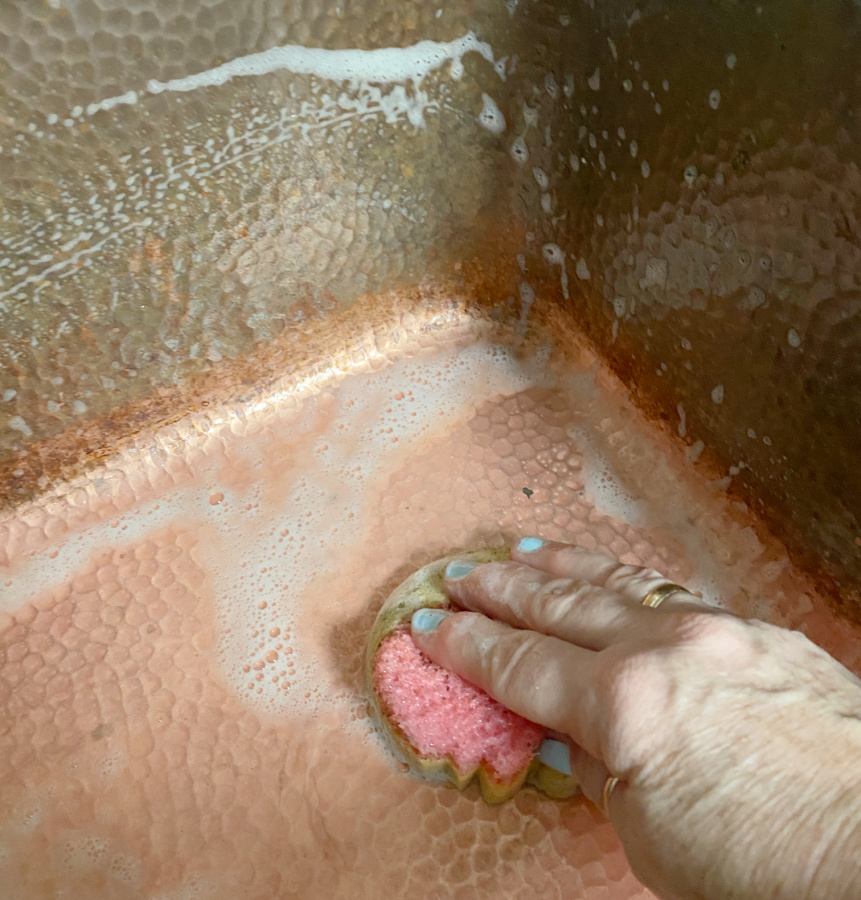
Image Source: www.shopatblu.com
Daily Care: Keeping Your Hammered Copper Sink Gleaming
The easiest way to keep your hammered copper sink looking great is through consistent, gentle daily care. This prevents buildup and makes deeper cleaning less frequent.
What You’ll Need for Daily Cleaning:
- Mild Dish Soap: Choose a soap that is gentle and pH-neutral. Avoid abrasive cleaners.
- Soft Cloth or Sponge: Microfiber cloths are excellent for this.
- Lukewarm Water: Hot water can sometimes accelerate patina changes.
The Daily Cleaning Routine:
- Rinse Thoroughly: After each use, rinse the sink with lukewarm water. This removes food particles, soap residue, and any acidic liquids that could affect the copper’s surface.
- Gentle Wash: Apply a small amount of mild dish soap to your soft cloth or sponge.
- Wipe Down: Gently wipe the entire surface of the sink, including the hammered areas. Don’t scrub hard, as this can wear away the protective layer or patina.
- Rinse Again: Thoroughly rinse the sink with lukewarm water to remove all soap residue.
- Dry Completely: This is a crucial step! Use a clean, soft cloth to dry the sink completely. Water spots can form and may leave marks over time, especially if your water has a high mineral content. Drying prevents these spots and helps maintain the sink’s natural luster.
This simple routine is the foundation of hammered copper sink care and the best way to clean copper sink surfaces on a regular basis.
Addressing Common Sink Issues: From Stains to Tarnish
Even with daily care, you might encounter specific issues like stains or tarnish. Here’s how to tackle them.
Dealing with Water Spots and Mineral Deposits
Hard water can leave unsightly white or chalky deposits on your copper sink.
Natural Copper Sink Cleaning for Water Spots:
For stubborn water spots, you can use a gentler approach.
- White Vinegar Solution: Mix equal parts white vinegar and water.
- Application: Dip a soft cloth in the solution and gently wipe the affected areas. Let it sit for a few minutes, but don’t let it dry on the copper.
- Rinse and Dry: Rinse the sink thoroughly with plain water and dry it completely. The acidity of the vinegar helps break down mineral deposits.
Important Note: While vinegar is generally safe, avoid leaving it on the copper for extended periods, as prolonged exposure to acids can alter the patina.
Removing Tarnish from Copper
Copper naturally oxidizes over time, which can lead to a dulling or darkening effect, often referred to as tarnish or patina. This is a natural process and for some, the desired look. However, if you prefer a brighter finish or want to address specific tarnished spots, there are ways to removing tarnish from copper.
Natural Copper Sink Cleaning for Tarnish:
-
Lemon and Salt Paste:
- Cut a lemon in half.
- Dip the cut side of the lemon into salt (kosher salt works well).
- Gently rub the salted lemon over the tarnished areas. The mild acidity of the lemon and the gentle abrasiveness of the salt can help lift tarnish.
- Rinse thoroughly with water.
- Dry immediately and completely.
-
Baking Soda Paste:
- Mix baking soda with a small amount of water to form a paste.
- Apply the paste to tarnished spots with a soft cloth.
- Gently rub in a circular motion.
- Rinse thoroughly with water.
- Dry completely.
These methods are effective for natural copper sink cleaning when you want to restore a brighter look. Remember, these actions will also remove some of the developed patina.
Tackling Food Stains and Marks
Some foods, especially acidic ones like tomatoes, citrus fruits, or vinegar, can temporarily brighten or lighten copper surfaces, sometimes leaving marks.
Gentle Stain Removal:
- Immediate Rinse: The best defense is an immediate rinse with water as soon as these foods come into contact with the sink.
- Mild Soap Wash: If a mark remains, wash the area gently with mild dish soap and a soft cloth.
- Rinse and Dry: Rinse thoroughly and dry the sink completely.
If a slight discoloration persists, it will often even out over time as the copper naturally re-patinates. This is part of the dynamic nature of hammered copper sink care.
Polishing Your Hammered Copper Sink
While not an everyday task, occasional polishing can restore the luster of your hammered copper sink. This is different from cleaning; it’s about enhancing shine.
When to Polish:
- When the sink appears duller than usual.
- After removing significant tarnish.
- Before a special occasion to make it sparkle.
Polishing Hammered Copper:
- Clean First: Ensure the sink is clean and dry before polishing.
- Copper Polish: Use a reputable copper polish designed for sinks or cookware. Avoid harsh abrasives.
- Application: Apply a small amount of polish to a soft, clean cloth.
- Gentle Buffing: Gently rub the polish onto the copper surface, following the grain if visible or in a consistent circular motion. For hammered textures, work the polish into the indentations and raised areas.
- Buffing Off: Use a separate clean, dry cloth to buff away the excess polish and bring out the shine.
Polishing hammered copper requires a gentle touch. Over-polishing can strip away too much of the natural patina, which many people find desirable. It’s a delicate balance in maintaining copper sink finish.
Deep Cleaning and Revitalizing Your Sink
For a more thorough clean or to refresh a well-used sink, a deeper cleaning approach might be necessary. This is also where you might address issues more directly related to cleaning patina on copper if you want to alter its appearance.
Methods for Deeper Cleaning:
-
Baking Soda and Water Scrub: For a more thorough clean than a daily wash, create a thicker paste of baking soda and water. Apply it with a soft sponge or cloth and gently scrub the entire sink. Rinse thoroughly and dry. This can help lift grime and minor discoloration.
-
Lemon and Baking Soda Combination: For areas that need a bit more attention, a combination can be effective.
- Sprinkle baking soda over the damp sink surface.
- Squeeze lemon juice over the baking soda. It will fizz.
- Use a soft sponge to gently scrub the mixture around the sink.
- Rinse very well and dry completely.
Cleaning Patina on Copper: A Matter of Preference
The patina on a copper sink is its natural protective layer, developing over time through oxidation. It can range from warm browns to deep blues and greens. Some homeowners love the evolving character the patina brings, while others prefer a brighter, more uniform look.
-
If You Want to Enhance Patina: Avoid aggressive cleaning and polishing. The natural oils from your hands and the slow oxidation process will continue to build patina. For a more uniform patina, you can try controlled exposure to acidic substances (like vinegar or citrus) and then allowing it to oxidize. This requires experimentation.
-
If You Want to Remove Patina: As mentioned in the “Removing Tarnish” section, natural acids (lemon, vinegar) and mild abrasives (baking soda, salt) can help. If you’re looking to strip back the patina completely to a raw copper state, you might need specialized copper cleaning products. However, this is rarely recommended for sinks as it removes the natural beauty and protective layer. The goal is typically copper sink maintenance, not destruction of its character.
Protecting Your Hammered Copper Sink
Beyond cleaning, there are simple practices that contribute to long-term copper sink maintenance.
What to Avoid:
- Harsh Chemicals and Abrasive Cleaners: Avoid bleach, ammonia, oven cleaners, scouring pads, steel wool, and abrasive powders. These can scratch the surface, strip the patina, and damage the copper.
- Leaving Wet Sponges or Metal Cans in the Sink: These can trap moisture and lead to discoloration or permanent marks.
- Cutting Directly in the Sink: Always use a cutting board.
- Draining Harsh Chemicals: Pouring strong drain cleaners down the sink can be detrimental.
Protecting the Finish:
- Waxing (Optional): Some people choose to apply a food-grade paste wax (like carnauba wax) to their copper sink after cleaning and drying. This can provide an extra layer of protection against stains and make future cleaning easier. It can also enhance the shine and deepen the color. Apply a thin layer with a soft cloth and buff to a shine. Reapply every few months or as needed.
Comparing Sink Cleaning to Cleaning Copper Cookware
Many of the principles for cleaning copper cookware translate to hammered copper sink care. Both require gentle handling and avoiding harsh abrasives.
- Cookware: Often polished to a high shine, and sometimes, the goal is to remove cooking residues that can discolor the interior. Exterior polishing is common to maintain aesthetic appeal.
- Sinks: The aesthetic is often about the patina. While polishing is an option, aggressive cleaning that removes all patina is generally discouraged unless you are aiming for a very specific, bright copper look. The hammered texture also means you need to ensure cleaning agents reach all the nooks and crannies.
Both benefit from prompt rinsing and drying. When dealing with cleaning patina on copper, the considerations are similar – do you want to preserve it, alter it, or remove it?
Table: Quick Reference Guide for Copper Sink Cleaning
| Issue | Recommended Solution | Method | Notes |
|---|---|---|---|
| Daily Grime | Mild dish soap, lukewarm water | Rinse, wash with soft cloth/sponge, rinse thoroughly, dry completely. | Essential for preventing buildup and preserving finish. |
| Water Spots | White vinegar and water solution (1:1 ratio) | Apply with cloth, let sit briefly, rinse thoroughly, dry completely. | Avoid leaving vinegar on copper for extended periods. |
| Light Tarnish | Lemon and salt paste OR Baking soda paste | Gently rub paste with soft cloth, rinse thoroughly, dry completely. | Will remove some patina. Test in an inconspicuous area first. |
| Food Stains | Immediate rinse, then mild dish soap | Rinse immediately. If stain persists, wash with mild soap and soft cloth, rinse, and dry. | Acidic foods can cause temporary lightening. |
| Dullness/Shine | Copper polish (specific for sinks/cookware) | Apply to cloth, gently buff, buff off excess with a clean cloth. | Use sparingly. Over-polishing can remove desirable patina. |
| Deep Cleaning | Baking soda and water paste OR Lemon and baking soda fizzing mixture | Apply paste or mixture, gently scrub with soft cloth/sponge, rinse thoroughly, dry completely. | Effective for overall grime and minor discoloration. |
| Aggressive Stain | Specialty Copper Cleaner (use as last resort) | Follow product instructions carefully. | These can be harsh; use only when other methods fail and be prepared for significant patina alteration. |
| Protection (Optional) | Food-grade paste wax (e.g., carnauba wax) | Apply thin layer to clean, dry sink with a soft cloth, buff to a shine. | Adds a protective layer, enhances shine, and makes cleaning easier. Reapply periodically. |
Frequently Asked Questions (FAQ)
Q1: Can I use stainless steel wool or scouring pads on my copper sink?
A1: No, absolutely not. These abrasive materials will scratch the copper surface and remove the patina, potentially leading to uneven tarnishing and damage. Always use soft cloths or non-scratch sponges.
Q2: My copper sink has developed green or blue spots. Is this bad?
A2: These spots are likely verdigris, a form of oxidation that occurs when copper reacts with certain substances, often acids and salts, especially in the presence of moisture. While it can be aesthetically undesirable for some, it’s a natural process for copper. You can gently clean these spots using the lemon and salt or baking soda paste methods described above. Prompt drying after use helps prevent their formation.
Q3: How often should I polish my hammered copper sink?
A3: Polishing is not a regular requirement. It’s best done only when the sink appears particularly dull or after you’ve removed significant tarnish and wish to restore its shine. Over-polishing can strip the natural patina, which is often a prized feature of copper sinks.
Q4: Can I put hot pots or pans directly into my copper sink?
A4: It’s best to avoid placing extremely hot items directly into the sink. Sudden temperature changes can potentially cause stress on the metal, although copper is quite durable. Using a trivet or letting hot pans cool slightly is a good practice.
Q5: What is the difference between tarnish and patina on copper?
A5: Tarnish usually refers to the dulling or darkening that occurs from oxidation, often an undesirable, uneven coating. Patina, on the other hand, is a more stable, often desirable layer that develops over time, giving copper its rich, varied hues and depth. While removing tarnish often involves cleaning to reveal brighter copper, intentionally altering or creating a specific patina is a stylistic choice.
Q6: Will my copper sink change color over time?
A6: Yes, copper is a living metal and will continue to oxidize and react with its environment. This means its color will deepen and change over time, developing a unique patina. This is considered a desirable characteristic by many owners, contributing to the sink’s character and beauty. Consistent care helps guide this aging process rather than fight it.
Conclusion: Embracing the Beauty of Your Hammered Copper Sink
Caring for a hammered copper sink is a rewarding experience. By understanding the nature of copper and adopting a routine of gentle daily cleaning, you can ensure your sink remains a beautiful and functional centerpiece in your home. Remember, hammered copper sink care isn’t about harsh scrubbing but about consistent, gentle attention. From daily rinses to occasional polishing and effective natural copper sink cleaning for specific issues, you have the tools to keep your copper sink looking its absolute best. Enjoy the unique beauty and warmth that only copper can bring to your kitchen or bathroom.