
A circuit breaker trips to protect your home’s electrical system from damage. Why does a breaker trip? It typically trips due to an electrical overload, a short circuit, or a ground fault. Can I prevent a circuit breaker from tripping? Yes, by addressing the root causes and adopting safe electrical practices.
Your circuit breaker is a vital safety device. It’s designed to interrupt the flow of electricity when something goes wrong. This prevents fires and protects your appliances. When a breaker trips, it means it has done its job. But a constantly tripping breaker can be frustrating and a sign of deeper issues. Let’s dive into what causes this and how you can stop it from happening.
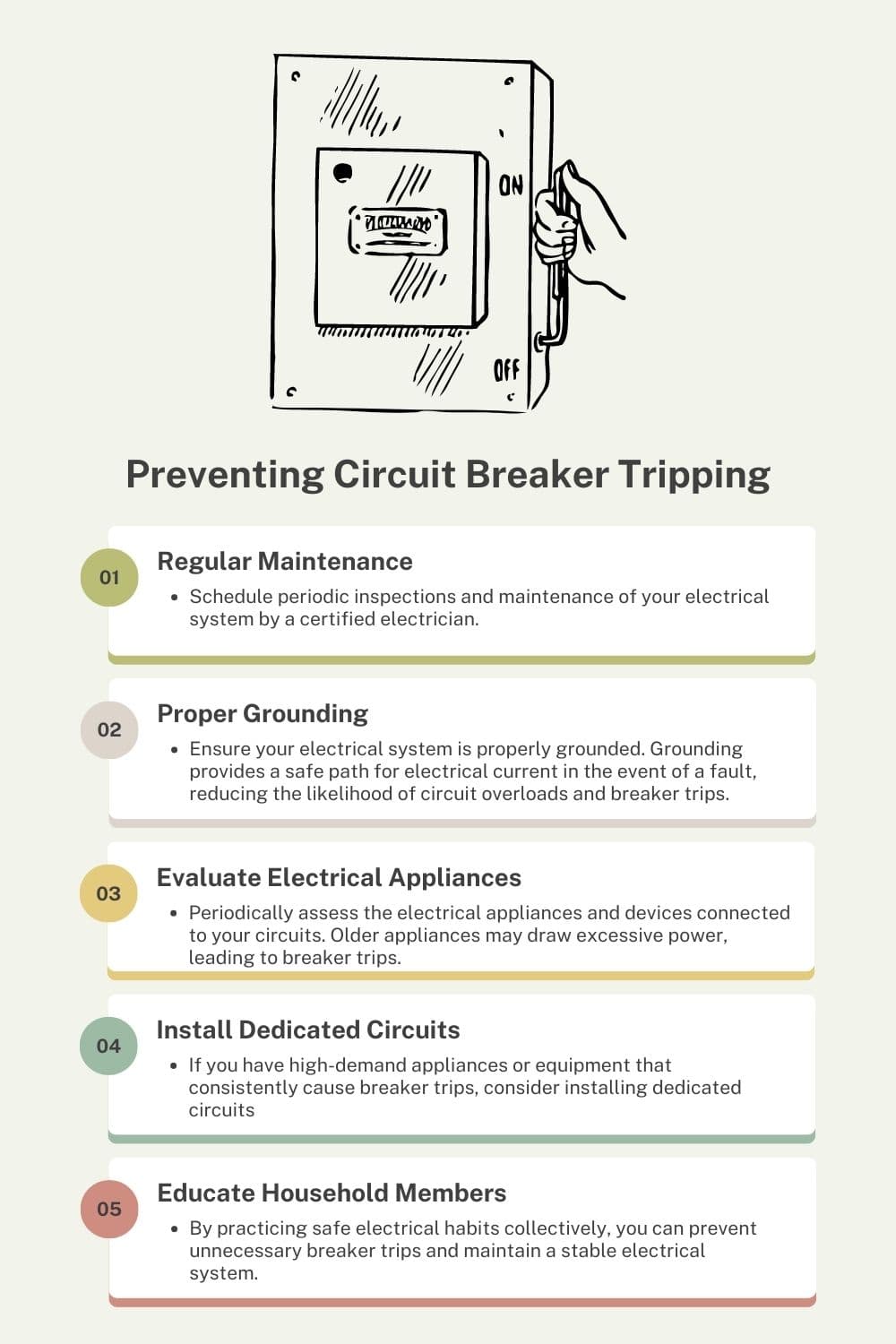
Image Source: cdn.shopify.com
Deciphering Common Causes of Breaker Tripping
Several factors can lead to a circuit breaker tripping. Some are simple, while others require a closer look.
Overloaded Circuits: The Most Frequent Culprit
An overloaded circuit occurs when too many appliances are plugged into a single circuit, drawing more power than it’s designed to handle. Think of it like trying to push too much water through a small pipe – eventually, it overflows.
How Overloads Happen:
- Too Many Devices: Plugging in high-wattage appliances like hair dryers, microwaves, portable heaters, or vacuum cleaners all on the same circuit simultaneously.
- Concurrent Use: Running multiple appliances that draw significant power at the same time. For example, using a toaster, a coffee maker, and a microwave in the kitchen on the same circuit.
- Appliance Inefficiency: Older or malfunctioning appliances may draw more power than their stated ratings.
Identifying an Electrical Overload:
The most straightforward way to identify an electrical overload is by observing which appliances were in use when the breaker tripped.
- Note the Tripped Breaker: Go to your electrical panel and find the breaker that is in the “off” or middle position.
- Disconnect Devices: Carefully unplug all the appliances and devices connected to that specific circuit.
- Reset the Breaker: Once everything is unplugged, firmly push the tripped breaker to the “on” position.
- Plug Back In One by One: Plug your appliances back in, one at a time. Pay attention to when the breaker trips again. The appliance you plug in just before it trips is likely contributing to the overload.
Faulty Wiring: A More Serious Concern
Faulty wiring is a more significant issue and can be dangerous. This can include damaged insulation, loose connections, or outdated wiring.
Signs of Faulty Wiring:
- Flickering Lights: Lights dimming or flickering when other appliances are turned on.
- Warm Outlets or Switches: Outlets or switch plates feeling unusually warm to the touch.
- Burning Smells: A distinct burning smell coming from outlets or switches.
- Sparks: Visible sparks when plugging in or unplugging devices.
- Discolored Outlets: Outlets that appear discolored or scorched.
If you suspect faulty wiring, it’s crucial to call a qualified electrician immediately. Trying to fix wiring issues yourself without proper knowledge can be extremely hazardous.
Short Circuits: An Unexpected Danger
A short circuit happens when an electrical current takes an unintended path, usually due to damaged wires touching. This creates a sudden, massive surge of electricity.
Causes of Short Circuits:
- Damaged Cords: Frayed or damaged power cords on appliances.
- Faulty Appliances: Internal wiring issues within an appliance.
- Nicked Wires: Wires that have been nicked or damaged during installation or by pests.
- Water Damage: Exposure to moisture can create a path for electricity.
When a short circuit occurs, the breaker trips almost instantly because of the massive current flow.
Power Surges: Unexpected Jumps in Voltage
Power surges, also known as voltage spikes, are temporary increases in voltage above the normal level. While some are minor, significant surges can damage electronics and trip breakers.
Sources of Power Surges:
- Lightning Strikes: Direct or nearby lightning strikes are a major cause of powerful surges.
- Utility Company Issues: Problems with the power grid or switching operations by the utility company.
- Cycling of High-Power Appliances: Large appliances in your home (like air conditioners or refrigerators) turning on and off can cause minor internal surges.
GFCI Tripping: Specific to Safety Devices
GFCI tripping refers to Ground Fault Circuit Interrupter outlets or breakers. These are designed to protect against electric shock, especially in wet locations like bathrooms, kitchens, and outdoor areas. They trip when they detect an imbalance in the electrical current, suggesting electricity is flowing where it shouldn’t.
Common Reasons for GFCI Tripping:
- Moisture: Even a small amount of moisture can cause a GFCI to trip.
- Faulty Appliance: An appliance with a ground fault issue can trigger the GFCI.
- Bad GFCI Outlet: The GFCI outlet itself may be faulty or nearing the end of its lifespan.
Troubleshooting a Breaker That Keeps Tripping
When your breaker keeps tripping, it’s a signal that there’s an ongoing problem.
Step-by-Step Troubleshooting:
- Identify the Tripped Breaker: Go to your electrical panel. The tripped breaker will be in the “off” position or somewhere in the middle.
- Reset the Breaker: Firmly push the breaker handle all the way to the “off” position, then switch it back to the “on” position.
- Observe: If the breaker immediately trips again, you likely have a short circuit or a severe overload on that circuit.
- Unplug Everything: If the breaker stays on for a moment, proceed to unplug all devices connected to that circuit.
- Plug Back In Gradually: Plug devices back in one by one. If the breaker trips after plugging in a specific appliance, that appliance is the likely cause, either due to an electrical overload it creates or a fault within the appliance itself.
- Test Outlets: If unplugging everything doesn’t help, and the breaker still trips, there might be an issue with the wiring within the wall, a faulty outlet, or a problem with a light fixture on that circuit.
How to Identify a Faulty Appliance
Identifying a faulty appliance is crucial when troubleshooting a tripping breaker.
- The “One-by-One” Method: As described above, unplugging devices and plugging them back in one by one is the most effective way to isolate a problematic appliance.
- High Wattage Appliances: Pay special attention to appliances with heating elements or motors, as these tend to draw more power.
- Signs of Damage: Visually inspect appliance cords for fraying or damage. Listen for unusual noises from the appliance.
- Test with a Different Outlet: If possible, try plugging the suspect appliance into a different circuit (one that isn’t tripping) to see if it causes that breaker to trip. This helps determine if the issue is with the appliance or the original circuit.
Safe Electrical Practices to Prevent Future Tripping
Adopting safe electrical practices is the best defense against recurring breaker trips and potential electrical hazards.
Smart Appliance Usage:
- Distribute the Load: Avoid plugging too many high-power devices into a single circuit. Spread them out across different circuits in your home.
- Know Your Wattage: Be aware of the power consumption (wattage) of your appliances. You can usually find this information on a label on the appliance itself.
- Avoid Daisy-Chaining Extension Cords: Never plug multiple extension cords together. Use a single, appropriately rated extension cord for the job.
- Use Surge Protectors: For sensitive electronics, use high-quality surge protectors to guard against power surges.
Maintaining Your Electrical System:
- Regular Inspections: Consider having your home’s electrical system inspected periodically by a qualified electrician, especially in older homes.
- Keep Outlets and Switches Clear: Ensure there’s nothing blocking your electrical outlets or switches, and don’t overload outlets with too many plugs.
- Address Minor Issues Promptly: Don’t ignore small problems like flickering lights or warm outlets. These can be early indicators of larger issues.
Understanding Your Electrical Panel:
- Labeling: Ensure your circuit breaker panel is clearly labeled so you know which breaker controls which area or appliance. This makes troubleshooting much easier.
- Breaker Capacity: Breakers are rated for a specific amperage (e.g., 15 amp, 20 amp). Do not replace a breaker with one of a higher amperage, as this can overload the wiring.
Advanced Troubleshooting: When to Call a Professional
While many breaker tripping issues can be resolved with simple troubleshooting, some situations demand the expertise of a licensed electrician.
When to Call an Electrician:
- Frequent Tripping Without Obvious Cause: If a breaker trips repeatedly, even after you’ve unplugged everything on the circuit, there’s likely an underlying problem with the wiring.
- Signs of Damaged Wiring: If you notice burning smells, discolored outlets, sparks, or find that outlets or switches are warm to the touch, stop using the circuit and call an electrician immediately.
- GFCI Outlets Constantly Tripping: If a GFCI outlet trips repeatedly with no apparent reason, it might be faulty itself or indicate a wiring problem.
- Breaker Feels Hot: If a circuit breaker itself feels hot to the touch, it’s a serious warning sign and requires immediate professional attention.
- You’re Unsure: If you’re not comfortable or confident in troubleshooting electrical issues, it’s always best to err on the side of caution and call a professional.
Common Scenarios and Solutions
Let’s look at some specific scenarios and how to approach them.
Scenario 1: The Kitchen Circuit Keeps Tripping
The kitchen is notorious for overloaded circuits because it’s where many high-power appliances are often used together.
- Typical Culprits: Toasters, microwaves, coffee makers, electric kettles, blenders, and refrigerators.
- Solution:
- Identify the tripped breaker.
- Unplug all appliances on that circuit.
- Reset the breaker.
- Plug appliances back in one by one, starting with those on a different circuit if possible.
- Try to avoid using high-wattage appliances simultaneously. For example, don’t run the microwave and the toaster oven at the same time on the same circuit.
Scenario 2: Lights Flicker When the AC Turns On
This is a common sign of an electrical overload or, in some cases, undersized wiring for the load.
- Why it Happens: The air conditioner draws a significant amount of power when its compressor kicks in, causing a temporary voltage drop. If the circuit is already heavily loaded, this drop can manifest as flickering lights.
- Solution:
- Ensure that high-demand appliances are not on the same circuit as your lights.
- Consider having an electrician assess if the circuit is adequately sized for the appliances connected to it. They might recommend redistributing the load to a less-used circuit or upgrading the circuit.
Scenario 3: GFCI Outlet in the Bathroom Trips Frequently
This is a common issue, especially if the outlet is older or the environment is humid.
- Reasons: Moisture ingress, a faulty appliance plugged into the GFCI, or a problem with the GFCI outlet itself.
- Solution:
- Ensure the bathroom is well-ventilated, especially during and after showers.
- Unplug all devices connected to the GFCI outlet.
- Test the GFCI outlet itself. Press the “Test” button, then the “Reset” button. If it doesn’t reset, or trips immediately after resetting, the outlet may need replacement.
- If the outlet works fine after unplugging everything, plug devices back in one by one to identify faulty appliance that might be causing the GFCI tripping.
- If you suspect a wiring issue, call an electrician.
What is the purpose of a circuit breaker?
A circuit breaker is an automatic electrical switch designed to protect an electrical circuit from damage caused by excess current. This excess current is usually caused by an overloaded circuit or a short circuit.
Can I replace a circuit breaker myself?
While it might seem like a simple task, replacing a circuit breaker yourself is generally not recommended unless you have a good understanding of electrical systems and follow all safety precautions. If you’re not comfortable, it’s best to hire a qualified electrician. Incorrect installation can lead to serious safety hazards.
Frequently Asked Questions (FAQ)
Q1: Why does my circuit breaker keep tripping when I use my vacuum cleaner?
A: Your vacuum cleaner likely draws a significant amount of power. This could be causing an overloaded circuit, especially if other appliances are running on the same circuit. Try using the vacuum on a different circuit, or unplug other devices before using it. If the problem persists, the vacuum itself might have an internal fault.
Q2: What should I do if I smell burning from an outlet?
A: If you smell burning from an outlet, it’s a serious sign of faulty wiring or a short circuit. Immediately stop using the outlet, turn off the corresponding breaker if you can safely identify it, and call a qualified electrician. Do not attempt to investigate or fix it yourself.
Q3: Can a faulty light bulb cause a breaker to trip?
A: While less common than appliance issues, a damaged or shorted-out light bulb, or a faulty socket, can sometimes cause a breaker to trip. If a specific light fixture causes tripping, try replacing the bulb. If that doesn’t work, inspect the fixture for any visible damage.
Q4: How often should circuit breakers be replaced?
A: Circuit breakers are designed to last a very long time, often 20-30 years or more, provided they are not constantly being tripped or subjected to electrical faults. They don’t have a specific replacement schedule but should be inspected if you notice any issues like overheating or difficulty resetting.
Q5: Is it normal for a breaker to feel warm?
A: A breaker should not feel noticeably warm to the touch. If a breaker feels warm, it can indicate a loose connection behind the breaker or within the panel, or that the breaker is working hard to manage a load that’s close to its limit. This is a situation where you should call an electrician to inspect the panel.
By understanding the common causes of circuit breaker tripping and adopting safe electrical practices, you can keep your home’s electrical system running smoothly and safely. Don’t hesitate to call a professional electrician if you’re ever in doubt or dealing with recurring issues.