
Can you sharpen mower blades with an angle grinder? Yes, you can sharpen mower blades with an angle grinder, and it’s a fast and effective method when done correctly. This guide will walk you through the entire process, ensuring your mower cuts grass cleanly and efficiently. Sharpening garden mower blades regularly is crucial for a healthy lawn and a well-maintained mower. Let’s dive into the best way to sharpen mower blades for optimal performance.
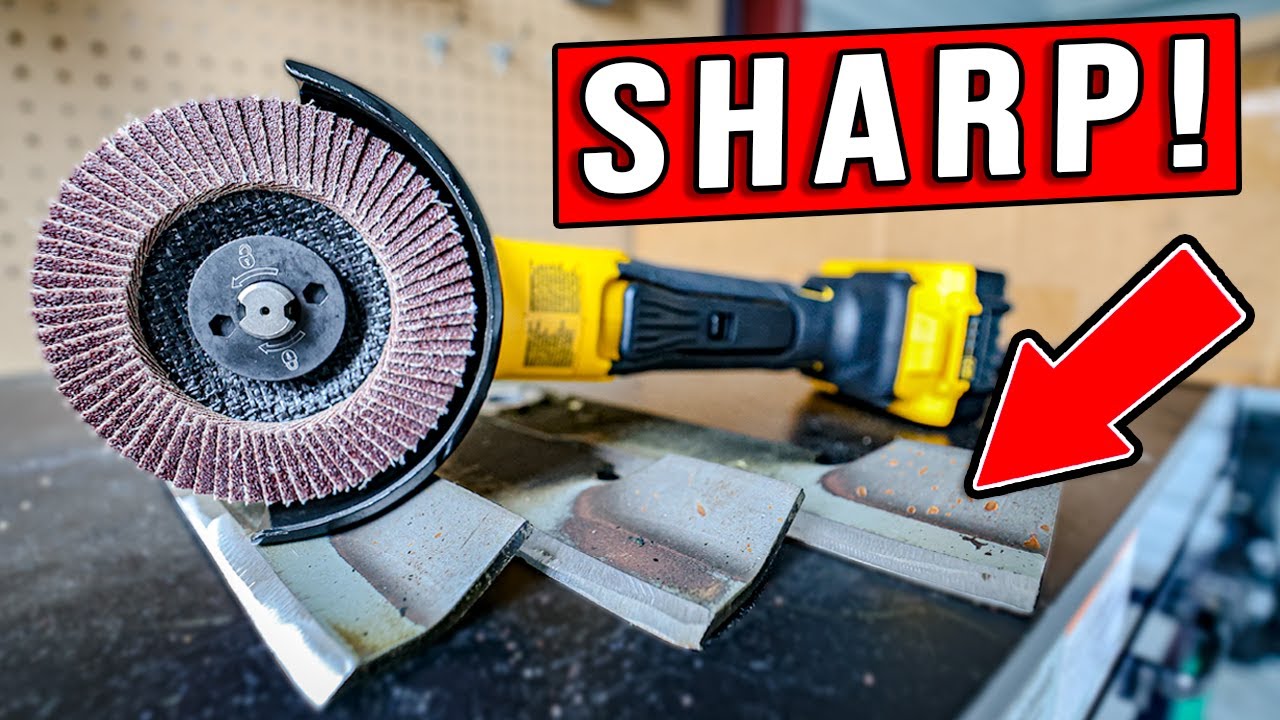
Image Source: i.ytimg.com
Why Sharpen Your Mower Blades?
A dull mower blade doesn’t just cut grass; it tears it. This tearing action leaves grass blades ragged and open to diseases and pests. Sharpening your mower blades regularly is a key part of mower blade maintenance. It promotes healthier grass, reduces stress on your mower’s engine, and results in a cleaner, more attractive lawn.
Benefits of Sharp Blades:
- Healthier Grass: Clean cuts heal faster, preventing disease and browning.
- Improved Mower Performance: Less strain on the engine means better fuel efficiency and longevity.
- Neater Lawn Appearance: Sharp blades provide a manicured look.
- Easier Mowing: The mower glides through the grass more smoothly.
Essential Tools and Safety Gear
Before you start grinding mower blades, gather everything you need. Safety is paramount when using an angle grinder.
Tools You’ll Need:
- Angle Grinder: A corded or cordless model will work.
- Grinding Wheel: Specifically designed for metal. A flap disc or a grinding disc can be used.
- Wire Brush: For cleaning the blade before and after.
- Bench Vise: To securely hold the mower blade while you work.
- File: For touch-ups and removing burrs.
- Marking Crayon or Marker: To mark the bevel.
- Ruler or Measuring Tape: To check the blade’s balance.
- Gloves: Heavy-duty work gloves.
- Safety Glasses or Face Shield: To protect your eyes from debris.
- Hearing Protection: Angle grinders can be loud.
- Dust Mask: To avoid inhaling metal dust.
- Bucket of Water: For cooling the blade if it gets too hot.
- Wrench or Socket Set: To remove the mower blade.
Safety First!
- Wear all protective gear. This cannot be stressed enough. Flying metal shards are dangerous.
- Ensure the angle grinder is unplugged or the battery removed before attaching or removing grinding discs.
- Check the grinding disc for any cracks or damage before use.
- Work in a well-ventilated area.
- Keep bystanders away from your work area.
- Never force the grinder. Let the tool do the work.
Step-by-Step Guide to Sharpening Mower Blades with an Angle Grinder
This DIY mower blade sharpening process is straightforward. Follow these steps for effective mower blade sharpening.
Step 1: Remove the Mower Blade
- Disconnect the spark plug. This is a critical safety step to prevent accidental starting.
- Turn the mower on its side. Position it so the carburetor and air filter are facing upwards to prevent oil or fuel leaks.
- Locate the blade mounting bolt. It’s typically in the center of the blade.
- Use the correct wrench or socket to loosen and remove the bolt. Remember that mower blade bolts are often reverse-threaded, meaning you’ll turn them clockwise to loosen.
- Carefully slide the blade off the mower deck. Note its orientation so you can reinstall it correctly.
Step 2: Secure the Blade in a Vise
- Clamp the mower blade firmly in a bench vise. It’s best to clamp it by the center hole or the curved part of the blade, avoiding the cutting edge itself. Ensure it’s held securely and won’t wobble during grinding.
Step 3: Clean the Blade
- Use a wire brush to remove any dirt, grass, or rust from the blade. A clean blade allows for a more accurate sharpening and better adhesion of any paint you might apply later.
Step 4: Identify the Cutting Edge and Bevel Angle
- Examine the blade. You’ll see a beveled edge that’s usually about 30-45 degrees. This is the part you need to sharpen.
- Use a marker to lightly mark the existing bevel. This helps you see where you’re grinding and avoid over-grinding.
Step 5: Grinding the Blade with the Angle Grinder
This is where using angle grinder for blades comes into play.
- Attach the grinding disc to your angle grinder.
- Hold the grinder at the correct angle. Aim to match the existing bevel angle on the blade. A good starting point is around 30 degrees.
- Begin grinding gently. Move the grinder smoothly along the length of the cutting edge.
- Grind in one direction. Typically, you’ll grind away from the center of the blade towards the tip.
- Work in short bursts. Grind for a few seconds, then lift the grinder to let the blade cool. Overheating the metal can weaken it. If it feels hot to the touch, it’s too hot. You can dip it in water to cool it.
- Grind both sides of the blade evenly. Aim to remove the same amount of metal from each side.
- Check your progress frequently. Periodically remove the blade from the vise and inspect the cutting edge. You want to restore a sharp edge, not reshape the entire blade.
- Avoid grinding the entire blade surface. Focus on the beveled cutting edge. You’re not trying to make the blade thinner overall.
- Use a file for touch-ups. After using the grinder, a file can be useful for removing any burrs or fine-tuning the edge.
Step 6: Balancing the Blade
This is a crucial step for smooth mower operation and preventing vibration.
- Use a blade balancer. You can buy a cheap one at a hardware store or make your own. A simple DIY balancer can be made by finding the center hole and resting it on a nail or screwdriver shaft.
- Place the blade on the balancer.
- Observe which side is heavier. If one side dips down, it’s heavier.
- Grind a small amount of metal from the heavier side.
- Re-balance and repeat until the blade stays level. Remember to grind from the side that’s leading during operation to maintain the correct angle.
Step 7: Reinstall the Blade
- Clean the blade one last time with the wire brush.
- If the blade is rusted or worn, consider painting it with a rust-inhibiting paint to prolong its life. Let it dry completely.
- Place the blade back on the mower deck. Ensure it’s oriented correctly with the cutting edge facing downwards and the “high lift” or “low lift” side facing the deck correctly.
- Reinstall the mounting bolt. Tighten it securely with your wrench or socket set. Again, remember the potential for reverse threading.
- Reconnect the spark plug wire.
Angle Grinder Blade Sharpening Tips for Different Mower Types
The process of sharpening rotary mower blades is generally the same, but there are a few nuances.
Sharpening Rotary Mower Blades
Rotary mowers are the most common type, featuring one or more blades that spin horizontally. The guide above is primarily for these. The key is to maintain the original bevel angle.
- High-Lift Blades: These have a more pronounced upward curl at the ends to create strong suction, lifting grass for an even cut. When sharpening, try to preserve this curl as much as possible.
- Low-Lift Blades: These have a less aggressive curl, suitable for sandy soil or conditions where you want to avoid excessive scalping. The sharpening angle remains the same.
Angle Grinder Blade Sharpening Tips
- Don’t over-grind: The goal is to restore the edge, not to remove a lot of material. Excessive grinding can weaken the blade and alter its balance.
- Cool the blade: Heat is the enemy of tempered steel. If the blade gets too hot, it can lose its hardness. Use water or take frequent breaks.
- Maintain the angle: Consistency is key. Try to keep the angle of the grinder the same throughout the process.
- Start with a coarser grit disc if heavily damaged: If your blades are extremely dull or nicked, you might start with a coarser grinding disc and then switch to a finer one for a smoother finish.
- Use a flap disc for a smoother finish: A flap disc can help achieve a smoother edge and is less aggressive than a grinding disc, reducing the risk of overheating.
Alternative Sharpening Methods
While an angle grinder is fast, it’s not the only way. For those seeking different approaches or who don’t have an angle grinder, consider:
File Sharpening
- Pros: More control, less risk of overheating, good for minor touch-ups.
- Cons: Significantly slower, requires more physical effort, can be harder to maintain a consistent angle.
- Process: Clamp the blade, use a metal file to grind away at the bevel, working in one direction.
Bench Grinder
- Pros: Fast, efficient, can handle more aggressive sharpening if needed.
- Cons: Requires a larger tool, can still overheat the blade if not careful, requires a good understanding of angles.
- Process: Similar to the angle grinder, but the blade is typically held against the spinning wheel.
Blade Sharpening Jigs
- Pros: Designed to maintain a consistent angle, making it easier for beginners.
- Cons: Adds an extra tool to purchase.
- Process: The jig holds the blade at a set angle, and you then use a file or grinder along the jig’s guide.
Mower Blade Maintenance Beyond Sharpening
Proper mower blade maintenance ensures your blades last longer and perform better.
Regular Cleaning
- After each use, scrape off grass clippings and debris from the underside of the mower deck and the blade. This prevents rust and buildup.
Inspect for Damage
- Periodically check blades for nicks, cracks, or bends. Damaged blades should be replaced, not sharpened. A bent blade can cause severe vibration and damage your mower.
Re-sharpening Frequency
- The frequency depends on your lawn size, grass type, and how often you mow.
- General Guideline: Sharpen after every 25 hours of mowing or at least once a year, typically in the spring.
- Signs Your Blades Need Sharpening:
- Grass blades have ragged, torn tips (brown or yellow).
- You hear your mower struggling more than usual.
- The cut quality is visibly poor.
Table: Comparison of Sharpening Methods
| Feature | Angle Grinder | File | Bench Grinder | Sharpening Jig |
|---|---|---|---|---|
| Speed | Very Fast | Slow | Fast | Moderate |
| Ease of Use | Moderate (requires practice) | Easy | Moderate | Easy to Moderate |
| Control | Moderate (can remove too much) | High | Moderate | High |
| Risk of Overheating | High (needs careful cooling) | Low | High (needs careful cooling) | Low to Moderate |
| Cost | Moderate (tool purchase) | Low (tool purchase) | High (tool purchase) | Moderate (tool purchase) |
| Best For | Quick, efficient sharpening | Minor touch-ups, controlled removal | Aggressive sharpening, efficiency | Consistent angles, beginner-friendly |
Frequently Asked Questions (FAQ)
Q1: How often should I sharpen my mower blades?
A1: For best results, sharpen your mower blades at least once a year, typically in the spring before the main mowing season. If you have a large lawn or mow frequently, you might need to sharpen them every 25 hours of use.
Q2: Can I use an angle grinder without prior experience?
A2: Yes, but proceed with extreme caution. Wear all safety gear and start slowly, focusing on maintaining a consistent angle and not overheating the blade. Watch videos and read guides like this one before starting.
Q3: What happens if I don’t sharpen my mower blades?
A3: Dull blades tear grass instead of cutting it. This leaves ragged edges that can turn brown, making your lawn look unhealthy and more susceptible to diseases and pests. It also puts more strain on your mower’s engine.
Q4: How do I know if my blade is balanced?
A4: Use a blade balancer. If one side of the blade consistently dips lower than the other when placed on the balancer, it’s unbalanced. You’ll need to carefully grind a small amount of metal off the heavier side.
Q5: Is it better to sharpen or replace mower blades?
A5: If blades are significantly damaged, bent, or have deep nicks or cracks, they should be replaced. Minor dullness or small imperfections can be fixed with sharpening. Regularly inspecting your blades will help you decide.
Q6: What type of grinding disc should I use for mower blades?
A6: A general-purpose grinding disc or a flap disc designed for metal is suitable. Avoid abrasive discs meant for other materials.
Q7: How much metal should I remove when sharpening?
A7: You want to remove just enough metal to restore a sharp edge. Focus on the existing bevel. Over-grinding can thin the blade, weaken it, and affect its balance.
By following this comprehensive guide, you can confidently sharpen your mower blades using an angle grinder, ensuring a healthier lawn and a well-maintained mower. Happy mowing!