
Can you cut PVC board with a table saw? Yes, you absolutely can cut PVC board with a table saw, and with the right techniques and tools, you can achieve smooth, splinter-free PVC cuts every time. Many DIYers and professionals alike rely on a table saw for precise plastic sheet cutting, and PVC board is no exception. This guide will walk you through the best tips and practices for successful PVC cutting with your table saw.
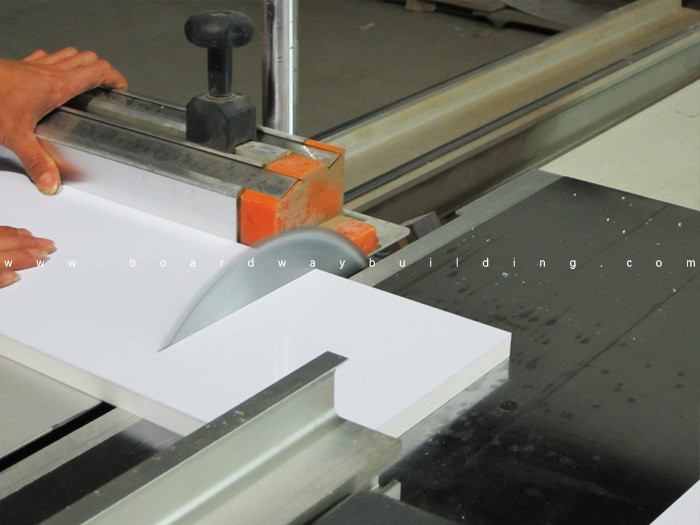
Image Source: icdn.tradew.com
Getting Started: Essential Preparations for PVC Board Cutting
Before you even power up your table saw, proper preparation is key to ensuring safety and achieving clean cuts on your PVC board. This involves selecting the right blade, setting up your saw correctly, and handling the material with care.
Choosing the Right Table Saw Blade for Plastic
The type of table saw blade you use is arguably the most critical factor for clean plastic sheet cutting. A standard wood blade, especially one with a high tooth count, can often lead to melting, chipping, and rough edges when cutting PVC.
Key Blade Features for PVC Cutting:
- Tooth Count: For PVC, a blade with a low tooth count and a wide chip gullet is ideal. Think around 20-30 teeth for a standard 10-inch blade. This design allows for efficient chip removal, preventing the plastic from melting and clogging the blade.
- Tooth Geometry: Look for alternate top bevel (ATB) or high-low alternate top bevel (Hi-ATB) tooth configurations. These are designed to create a cleaner cut by slicing through the material rather than tearing it. A triple chip grind (TCG) can also work well for plastics, offering a robust cut.
- Material: Blades specifically designed for cutting plastics or non-ferrous metals are often made with harder alloys that resist heat buildup and wear better. These will give you the smoothest PVC cuts.
- Blade Thickness: A thinner kerf blade will remove less material, reducing friction and the likelihood of melting.
Table 1: Recommended Table Saw Blades for PVC
| Blade Type | Tooth Count Range | Tooth Geometry | Best For |
|---|---|---|---|
| Plastic Cutting Blade | 20-30 | ATB, Hi-ATB | Most PVC applications, smooth edges |
| Non-Ferrous Metal Blade | 40-60 | TCG, ATB | Thicker PVC, harder plastics, less melting |
| Wood Rip Blade | 24-30 | ATB | Rougher cuts, faster material removal (use with caution) |
Crucial Note: Avoid blades with very high tooth counts (60+ teeth) when cutting PVC. While great for fine woodworking, these blades generate excessive heat on plastic, leading to melting and poor results.
Table Saw Setup for Safe and Effective Plastic Sheet Cutting
Proper table saw setup is paramount for both safety and the quality of your PVC cutting. Incorrect setup can lead to kickback, damaged material, and dangerous situations.
Aligning Your Table Saw:
- Blade Height: The blade should extend just slightly above the PVC board – about one to two teeth’s height. This minimizes the amount of blade exposed, reducing the risk of kickback and ensuring efficient cutting.
- Fence Alignment: Ensure your rip fence is perfectly parallel to the blade. A misaligned fence can cause the blade to bind, leading to melting or kickback. Use a dial indicator or a reliable measuring technique to confirm parallel alignment.
- Miter Gauge: If you’re making crosscuts, use the miter gauge. Never rely solely on the rip fence for crosscuts, as this is a major cause of kickback.
Dust Collection and Ventilation:
PVC dust can be an irritant, and melting plastic can produce fumes. Ensure your table saw’s dust collection system is properly connected and functioning. Consider wearing a dust mask or respirator, especially for extended cutting sessions. Good ventilation in your workspace is also advisable.
Supporting the PVC Board: Preventing Flex and Warping
PVC board, particularly thinner sheets, can flex and warp during the cutting process, leading to inaccurate cuts and potential blade binding. Proper support is essential for smooth PVC cuts.
Techniques for Support:
- Infeed and Outfeed Support: Use roller stands or auxiliary tables to support the PVC board before and after the blade. This prevents the board from sagging as it enters and exits the cut.
- Zero Clearance Insert: A zero-clearance insert on your table saw helps support the material right up to the blade. This is particularly beneficial for cutting thin plastic or preventing tear-out on the underside of the cut. You can often make a DIY zero-clearance insert from a thin piece of plywood or even plastic.
- Support with Plywood: For very thin or flexible PVC, you can sandwich the PVC board between two pieces of scrap plywood. Cut through the entire stack. This provides excellent support and prevents flexing.
The Cutting Process: Step-by-Step PVC Board Mastery
With your table saw prepared and your PVC board ready, it’s time to make the cut. Follow these steps for optimal results.
Step 1: Marking Your Cut Line
Accuracy starts with a clear and precise cut line.
Marking Tips:
- Use a Sharp Pencil or Marker: A fine-tip marker or a sharp pencil will leave a clear, thin line.
- Consider a Scoring Line: For an extra clean edge and to help prevent splinter-free PVC cuts, you can lightly score the cut line with a utility knife or a specialized scoring tool. This scores the surface plastic before the blade enters, guiding it precisely.
Step 2: Making the Cut
This is where your preparation pays off.
Guiding the PVC Board:
- Crosscuts (Using Miter Gauge):
- Set your miter gauge to the desired angle (usually 90 degrees for square cuts).
- Align the blade with your marked cut line by moving the blade depth.
- Ensure the PVC board is firmly against the miter gauge fence.
- Hold the PVC board securely against the miter gauge and the saw table.
- Slowly and steadily push the miter gauge with the PVC board through the blade. Do not force it.
- Rip Cuts (Using Rip Fence):
- Adjust the rip fence to the desired distance from the blade, ensuring it’s parallel.
- Align the PVC board’s cut line with the blade.
- Place a push stick or push block on the PVC board to maintain consistent pressure against the fence and table.
- Engage the blade, then slowly and steadily feed the PVC board into the blade.
- Maintain constant contact with the fence and the table throughout the cut.
- Use a push block to safely guide the offcut piece through the blade.
Speed and Pressure:
- Steady Feed Rate: Avoid rushing. A consistent, moderate feed rate is best for preventing melting and ensuring a clean cut. The material should feed smoothly without bogging down the motor or causing the blade to hesitate.
- Don’t Force the Cut: If the blade feels like it’s binding or struggling, ease up on the pressure. Forcing the cut can lead to kickback, blade damage, or a poor-quality cut.
Step 3: Post-Cut Finishing
Once the cut is complete, a few final touches can enhance the result.
Deburring and Smoothing:
- Deburring Tool: A deburring tool or a chamfering bit on a drill can quickly remove any small plastic burrs along the cut edge.
- Sandpaper: For very fine edges, a light sanding with fine-grit sandpaper (around 220 grit or higher) can achieve a perfectly smooth finish.
Advanced Techniques for Pristine PVC Cuts
For those seeking the absolute best results, a few advanced strategies can elevate your PVC cutting game.
Mitigating Melting: The Heat Problem
Melting is the most common issue when cutting plastic with a table saw. It’s caused by friction and improper blade selection or usage.
Strategies to Combat Melting:
- Cooling Aids: Some woodworkers have success spraying a light mist of water or a specialized plastic cutting lubricant onto the blade as it cuts. However, be cautious as this can create slippery conditions and is not always recommended due to electrical hazards if not done carefully. Ensure any lubricants are safe for your saw and the PVC.
- Blade Speed: While not always adjustable on standard table saws, a slightly slower blade speed can sometimes reduce heat buildup.
- Blade Cleanliness: A dirty or gummed-up blade will generate more heat. Regularly clean your table saw blade for plastic to remove any accumulated residue.
Cutting Thin Plastic Sheets: Delicate Operations
Cutting thin plastic sheets with a table saw requires extra attention to prevent flexing and chipping.
Best Practices for Thin Plastic:
- Zero Clearance Insert: Absolutely essential for supporting the thin material.
- Double-Sided Tape: For very thin sheets, applying double-sided tape to the underside of the PVC board and to your miter gauge or sled can prevent slippage and improve stability.
- Slow and Steady: Even more critical than with thicker materials.
- Scoring: A sharp score line is highly recommended.
Cutting Thick Plastic Sheets: Power and Precision
Thicker PVC boards require a bit more power and a robust approach.
Handling Thicker PVC:
- Blade Choice: A blade with a more aggressive tooth design (lower tooth count) but still sharp and designed for plastics or non-ferrous metals is usually best.
- Motor Power: Ensure your table saw has adequate horsepower to handle the thicker material without bogging down.
- Support: Robust infeed and outfeed support is non-negotiable.
- Feed Rate: You might be able to use a slightly faster feed rate than with thin plastic, but still avoid forcing the cut.
Table Saw Safety for Plastic: A Non-Negotiable Priority
Working with power tools, especially when cutting materials other than standard lumber, demands strict adherence to safety protocols.
Essential Safety Measures:
- Wear Safety Glasses: Always protect your eyes from flying debris.
- Use Push Sticks and Push Blocks: Never put your fingers near the blade path. These tools keep your hands safely away.
- Blade Guard and Riving Knife: Keep these safety features on your table saw. They are designed to prevent kickback and contain flying debris.
- Stand to the Side: When the saw is running, position yourself slightly to the side of the blade’s path, not directly behind the material.
- Never Reach Over the Blade: Always ensure the saw has stopped completely before reaching for cut pieces or scrap.
- Know Your Saw: Familiarize yourself with the specific safety features and operating procedures of your table saw.
- Secure Workpiece: Ensure the PVC board is firmly held against the fence and/or miter gauge before starting the cut.
- Disconnect Power: Always disconnect the power to the saw before changing blades or making any adjustments.
Frequently Asked Questions About Cutting PVC Board with a Table Saw
Here are answers to some common questions about PVC cutting with a table saw.
Q1: What kind of saw blade is best for cutting PVC pipe?
While this article focuses on PVC board, the principles are similar for PVC pipe. A blade with a lower tooth count (around 20-30 teeth) and a sharp, clean cutting edge is recommended. A blade designed for plastics or non-ferrous metals is ideal.
Q2: Can I cut PVC with a circular saw?
Yes, you can cut PVC with a circular saw, using similar blade recommendations (low tooth count, sharp). Ensure you have proper support for the PVC sheet and use a guide or fence for straight cuts.
Q3: Will a standard wood blade work for PVC?
A standard wood blade can work, but it’s not ideal. You’re more likely to experience melting, chipping, and rough edges. If you must use a wood blade, opt for one with a lower tooth count (like a rip blade) and ensure it’s exceptionally sharp.
Q4: How do I prevent PVC from melting when cutting?
Preventing melting involves using the correct blade (low tooth count, sharp, designed for plastic), ensuring the blade is clean, maintaining a steady and appropriate feed rate (not too slow, not too fast), and using adequate cooling if necessary (with caution).
Q5: What is the best way to make a straight cut on PVC board with a table saw?
For straight cuts on a table saw, use the rip fence for rip cuts (parallel to the blade’s travel) and the miter gauge for crosscuts (perpendicular to the blade’s travel). Ensure the fence or miter gauge is perfectly aligned with the blade.
Q6: How can I achieve splinter-free PVC cuts?
To achieve splinter-free PVC cuts, use a sharp blade specifically designed for plastic, employ a zero-clearance insert, score the cut line beforehand, and ensure the PVC board is adequately supported to prevent vibration and flexing.
Conclusion: Mastering PVC Cutting with Your Table Saw
Cutting PVC board with a table saw is a skill that can be learned and perfected with the right knowledge and approach. By selecting the appropriate table saw blade for plastic, ensuring your saw is properly set up, using the correct cutting techniques, and always prioritizing table saw safety for plastic, you can consistently achieve smooth, splinter-free PVC cuts for all your projects. Remember, preparation, the right tools, and careful execution are the cornerstones of success in plastic sheet cutting.