
A circuit breaker trips to protect your home’s electrical system from damage. This happens when too much electricity flows through a circuit, which can be caused by an overload, a short circuit, or faulty wiring. You can usually fix a tripped breaker by resetting it, but if it keeps tripping, it’s a sign of a more serious issue that needs attention.
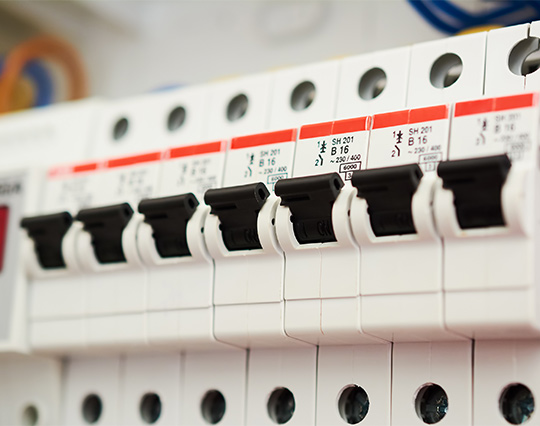
Image Source: www.rowse.co.uk
Deciphering Circuit Breaker Behavior: What Makes Them Trip?
Your home’s electrical system is like a highway for power. Circuit breakers are the traffic cops, ensuring that the flow of electricity stays within safe limits. When something goes wrong, they act instantly to stop the flow and prevent fires or damage to your appliances.
Common Culprits Behind a Tripped Breaker
There are several primary reasons why a circuit breaker might decide to take a break. Each has a different cause and requires a slightly different approach.
1. Electrical Overload: Too Much Power for the Circuit
An overload occurs when you try to draw more electricity from a circuit than it’s designed to handle. Imagine trying to stuff too many cars onto a single-lane road; it creates a traffic jam and potential accidents.
How it Happens:
- Too Many Appliances: Plugging in too many high-wattage appliances into one outlet or circuit is a common cause. Think about running a microwave, a toaster, and a coffee maker all at the same time on the same circuit.
- High Power Demand Devices: Some appliances, like space heaters, hair dryers, and vacuum cleaners, consume a lot of power. Using them simultaneously on a single circuit can easily lead to an overload.
- Seasonal Demands: During summer, air conditioners add a significant load to your electrical system. Similarly, during winter, electric heaters can strain circuits.
Signs of an Overload:
- The breaker trips shortly after you turn on an additional appliance.
- Lights dim when a high-demand appliance starts.
- You might feel a slight warmth from outlets or switches (though this can also indicate other issues).
2. Short Circuit: A Dangerous Mishap
A short circuit is a more serious problem. It happens when electricity takes an unintended, low-resistance path. This bypasses the normal flow through the appliance and directly connects the hot wire to the neutral wire, or even to ground. This creates a massive surge of electricity.
How it Happens:
- Damaged Wires: Insulation on wires can become frayed or damaged due to age, rodents, or physical impact. When two bare wires touch, a short circuit occurs.
- Appliance Malfunction: Internal wiring within an appliance can fail, causing a short.
- Loose Connections: A wire can become loose in an outlet, switch, or junction box, allowing it to touch another wire or metal component.
Why it’s Dangerous:
Short circuits generate a lot of heat very quickly, which can melt insulation and start fires. The breaker is designed to trip immediately to prevent this.
3. Faulty Wiring: Underlying Problems in Your System
Faulty wiring refers to any issue with the electrical cables and connections within your home. This can range from old, degraded wiring to improperly installed connections.
Common Faulty Wiring Issues:
- Deteriorated Insulation: Older homes often have wiring with insulation that has become brittle and cracked over time. This can expose wires and lead to shorts.
- Improper Splices: Wires are joined together (spliced) in junction boxes. If these splices are not done correctly, they can become loose or corroded, leading to problems.
- Nicked Wires: During renovations or repairs, wires can accidentally be nicked, damaging the insulation.
4. Ground Faults: Leaking Electricity
A ground fault is a specific type of short circuit where electricity flows to ground instead of its intended path. This is often caused by damaged insulation or moisture.
GFCI (Ground Fault Circuit Interrupter): These specialized breakers are designed to detect ground faults. They are typically found in areas where water is present, such as kitchens, bathrooms, garages, and outdoor outlets. A GFCI trips when it senses even a small amount of current leaking to ground, which could be a shock hazard.
AFCI (Arc Fault Circuit Interrupter): These breakers are designed to detect dangerous electrical arcs. Arcs can happen within the wiring system due to damaged insulation or loose connections. They create sparks that can ignite flammable materials. AFCIs are often required in bedrooms and living areas by modern electrical codes to prevent fires.
5. Loose Connections: A Silent Threat
Loose connections can occur at several points in your home’s electrical system: outlets, light switches, circuit breaker terminals, and within junction boxes.
How it Creates Problems:
- Increased Resistance: A loose connection creates higher resistance in the circuit. This resistance generates heat.
- Overheating: As more electricity flows through the loose connection, it heats up. This heat can melt the insulation and eventually cause a short circuit or fire.
- Intermittent Power: You might notice flickering lights or appliances that don’t work consistently before the breaker trips.
6. High Power Demand Appliances: Special Cases
Some appliances have a particularly high high power demand. These are often heating or cooling devices.
- Space Heaters: These are notorious for tripping breakers, especially older or more powerful models.
- Hair Dryers & Curling Irons: The combination of heat and a motor makes these significant power consumers.
- Vacuum Cleaners: Powerful motors draw a lot of electricity, particularly when they start.
- Air Conditioners & Refrigerators: These are designed to run for extended periods and draw substantial power, especially when they cycle on.
7. Electrical Surge: Sudden Spikes in Power
An electrical surge is a brief, but significant, increase in voltage above the normal level. While usually short-lived, these surges can damage sensitive electronics and sometimes even cause breakers to trip as a protective measure.
Causes of Surges:
- Lightning Strikes: Even nearby lightning can induce surges in power lines.
- Power Company Switching: Utility companies sometimes experience fluctuations when switching power sources or dealing with grid issues.
- Large Appliances Cycling: When very large appliances (like your AC unit) turn on or off, they can cause minor voltage fluctuations.
8. Transformer Issues: External Power Source Problems
Problems with the electrical transformer that supplies power to your neighborhood can also lead to issues. If a transformer is damaged or failing, it might send unstable voltage levels to your home, which can cause breakers to trip. This is usually an issue that affects multiple homes in an area and requires attention from the power company.
Diagnosing Your Tripped Breaker: A Step-by-Step Approach
When a circuit breaker trips, it’s important to systematically figure out why. Don’t just flip it back on without investigating.
The Reset Process: The First Step
- Locate the Breaker Panel: This is usually in a basement, garage, utility room, or closet.
- Identify the Tripped Breaker: Look for a breaker handle that is in the “off” position or an intermediate position between “on” and “off.”
- Reset the Breaker: Firmly push the handle all the way to the “off” position first, then push it back to the “on” position. You should hear a click.
If the breaker stays on: Great! It might have been a temporary overload. Keep an eye on it.
If the breaker trips again immediately: This indicates a persistent problem, likely a short circuit or a severe overload.
If the breaker trips after a while: This suggests an overload that builds up or a connection that is overheating.
What to Do When a Breaker Keeps Tripping
If resetting the breaker doesn’t solve the problem, it’s time for a deeper dive into the home electrical problems.
Step 1: Identify the Affected Circuit
- Label Your Breakers: If your panel isn’t labeled, take the time to figure out which breaker controls which area or appliance. You can do this by turning off one breaker at a time and seeing what loses power.
- Unplug Everything: Once you know which circuit tripped, unplug all appliances and devices connected to that circuit.
Step 2: Test Each Appliance
- Plug Back In One by One: With the breaker reset, plug in your appliances one at a time.
- Watch for the Trip: If the breaker trips after plugging in a specific appliance, that appliance is likely the cause. It might be drawing too much power, or it could have an internal fault.
Step 3: Check for Overloads
- Assess Usage: Think about what was running on that circuit when the breaker tripped. Were you using multiple high-power devices simultaneously?
- Redistribute Load: If you suspect an overload, try to spread your appliance usage across different circuits. Move some devices to outlets on other circuits.
Step 4: Inspect for Obvious Damage (with caution!)
- Visual Inspection: If you are comfortable and knowledgeable, you can perform a visual inspection of outlets and switches on the affected circuit. Look for any signs of scorching, melting, or loose wires.
- Caution: Always turn off the power to the circuit at the breaker panel before inspecting any outlets or switches. If you are not experienced with electrical work, it’s best to leave this to a professional.
When to Call a Professional Electrician
There are times when you absolutely must call a qualified electrician to diagnose and fix the problem.
Call an electrician if:
- The breaker trips as soon as you reset it. This usually means a direct short circuit.
- You see sparks, smoke, or smell burning plastic. This is an emergency.
- You’ve unplugged everything and the breaker still trips. This points to a problem with the wiring itself, the outlet, or the breaker.
- You have old or damaged wiring (e.g., knob and tube wiring, frayed insulation).
- You are uncomfortable or unsure about any part of the troubleshooting process.
- You suspect issues with your GFCI or AFCI breakers, as these are specialized safety devices.
Common Home Electrical Problems and Their Solutions
Let’s delve deeper into specific home electrical problems that lead to breaker trips.
Overload Scenarios and Fixes
| Scenario | Cause | Solution |
|---|---|---|
| Repeated Tripping in Kitchen | Too many appliances (toaster, microwave, coffee maker) on one circuit. | Redistribute appliances to different circuits. Consider having dedicated circuits installed for high-draw appliances. |
| Breaker Trips When AC Starts | Air conditioner has a high startup surge. | Ensure the AC is on its own dedicated circuit. If not, minimize other loads on that circuit when the AC turns on. |
| Home Office Overload | Multiple computers, monitors, printers, chargers. | Use power strips with surge protection and distribute equipment across multiple circuits. |
| Workshop Power Issues | Power tools, compressors, and other equipment. | Ensure heavy-duty tools are on circuits designed for them. Avoid running multiple high-draw tools simultaneously. |
Short Circuit Fixes
A short circuit usually requires professional repair. The most common causes and their fixes include:
- Damaged Appliance Cord: If a cord on a toaster, lamp, or other appliance is frayed or damaged, it can cause a short.
- Fix: Replace the damaged cord or appliance. Do not attempt to repair a damaged cord yourself.
- Faulty Outlet: An outlet can fail internally, causing a short.
- Fix: A qualified electrician should replace the faulty outlet.
- Wiring Issue: A wire may have come loose in a junction box or wall.
- Fix: This is a job for a professional electrician to safely locate and repair the loose connection.
GFCI and AFCI Breaker Behavior
- GFCI Tripping:
- Cause: Water exposure, faulty appliance, or a problem with the GFCI outlet itself.
- Troubleshooting:
- Unplug everything connected to the GFCI outlet and any outlets downstream from it.
- Press the “reset” button on the GFCI outlet.
- If it stays reset, plug devices back in one by one until it trips again.
- If it trips with nothing plugged in, the GFCI outlet or the wiring to it is likely faulty.
- Fix: Replace the GFCI outlet or have an electrician inspect the wiring.
- AFCI Tripping:
- Cause: Arc faults from damaged wiring, loose connections, or sometimes from electronics that generate “noisy” signals.
- Troubleshooting: This is often harder to pinpoint. It could be a damaged wire anywhere in the circuit, a loose connection in an outlet, switch, or even within the breaker panel.
- Fix: If you suspect an AFCI issue, it’s best to call an electrician, as identifying arc faults can be complex. They can test for arcing conditions.
Addressing Loose Connections
Loose connections are a fire hazard and can lead to intermittent power or breaker trips.
- Where they occur: Outlets, switches, light fixtures, junction boxes, and at the breaker panel itself.
- Signs: Flickering lights, buzzing sounds from outlets, outlets that feel warm to the touch.
- Fix: A qualified electrician can safely tighten connections or replace worn-out outlets and switches. They can also inspect connections within the breaker panel.
Electrical Surges and Power Fluctuations
While breakers are designed to handle some fluctuations, persistent tripping due to surges might indicate a larger issue.
- Surge Protection: Consider whole-house surge protectors or point-of-use surge protectors for sensitive electronics.
- Transformer Issues: If you suspect problems with the local transformer, contact your electricity provider.
Maintaining a Safe Electrical System
Preventing breaker trips and ensuring electrical safety is an ongoing process.
Regular Inspections
- Visual Checks: Periodically look at your outlets and switches for any signs of damage or discoloration.
- Panel Check: If you are comfortable, visually inspect your breaker panel for any signs of overheating or corrosion.
Smart Usage Habits
- Avoid Overloading: Be mindful of how many appliances you are running on a single circuit.
- Use Appropriate Cords: Ensure extension cords and power strips are rated for the load they are carrying. Never use indoor extension cords outdoors.
- Unplug When Not in Use: For appliances that aren’t used constantly, unplugging them can prevent unexpected issues and save energy.
Upgrade When Necessary
- Older Homes: If your home has old wiring, consider a professional electrical inspection and potential upgrades.
- New Appliances: If you’re buying a new, high-power appliance, check if your current electrical system can handle it. You might need a new circuit.
Frequently Asked Questions (FAQ)
What should I do if my circuit breaker trips?
First, locate your breaker panel. Find the tripped breaker (it will be in the “off” or middle position). Firmly push it to the “off” position, then flip it back to “on.” If it trips again, unplug all appliances on that circuit and reset it. Plug them back in one by one to identify the faulty appliance. If it continues to trip, call a qualified electrician.
Can I fix a tripped circuit breaker myself?
You can reset a tripped breaker. If the issue is a simple overload, unplugging some items and resetting the breaker might solve it. However, if the breaker continues to trip, or if you suspect wiring issues, appliance faults, or loose connections, it is highly recommended to call a professional electrician. Electrical work can be dangerous if not done correctly.
How do I know if it’s an overload or a short circuit?
An overload usually occurs when too many devices are running, and the breaker trips after a short period or when you turn on an additional appliance. A short circuit is more immediate; the breaker will often trip the instant the short occurs, or very quickly thereafter, sometimes with a visible spark or pop. If you unplug everything and the breaker still trips, it strongly suggests a short circuit in the wiring or outlet.
What is the difference between a GFCI and an AFCI breaker?
A GFCI (Ground Fault Circuit Interrupter) protects against electric shock by detecting imbalances in current flow, typically caused by electricity going to ground (often through a person). They are usually found in wet areas like kitchens and bathrooms. An AFCI (Arc Fault Circuit Interrupter) protects against electrical fires by detecting dangerous arcing conditions within the wiring, which can be caused by damaged insulation or loose connections. They are often required in living areas and bedrooms.
My lights are flickering, and the breaker hasn’t tripped. Should I be worried?
Yes, flickering lights can be an early sign of a problem, such as a loose connection at an outlet, switch, or even within the breaker panel itself. It could also indicate an impending overload. It’s a good idea to investigate the cause, especially if it’s consistent. If you’re not comfortable checking yourself, have an electrician inspect it.
Can a faulty appliance cause my main breaker to trip?
Yes, a faulty appliance can cause a trip in its specific circuit breaker. In rare cases, a severe internal fault in a powerful appliance could potentially cause problems that affect the main breaker, but typically, individual circuit breakers are designed to trip first to isolate the issue.
How often should I check my circuit breaker panel?
It’s a good practice to visually inspect your breaker panel periodically, perhaps once or twice a year, for any signs of rust, corrosion, or damage. Ensure the panel is clean and accessible. Test your GFCI outlets monthly by pressing the “test” and “reset” buttons. If you notice any unusual smells or sounds coming from the panel, call an electrician immediately.