
A pneumatic hammer, commonly known as an air hammer, works by using compressed air to drive a piston back and forth, which then strikes a chisel or bit to perform tasks like chipping, breaking concrete, or shaping metal. This powerful percussion tool relies on a cycle of air pressure to generate forceful impacts.
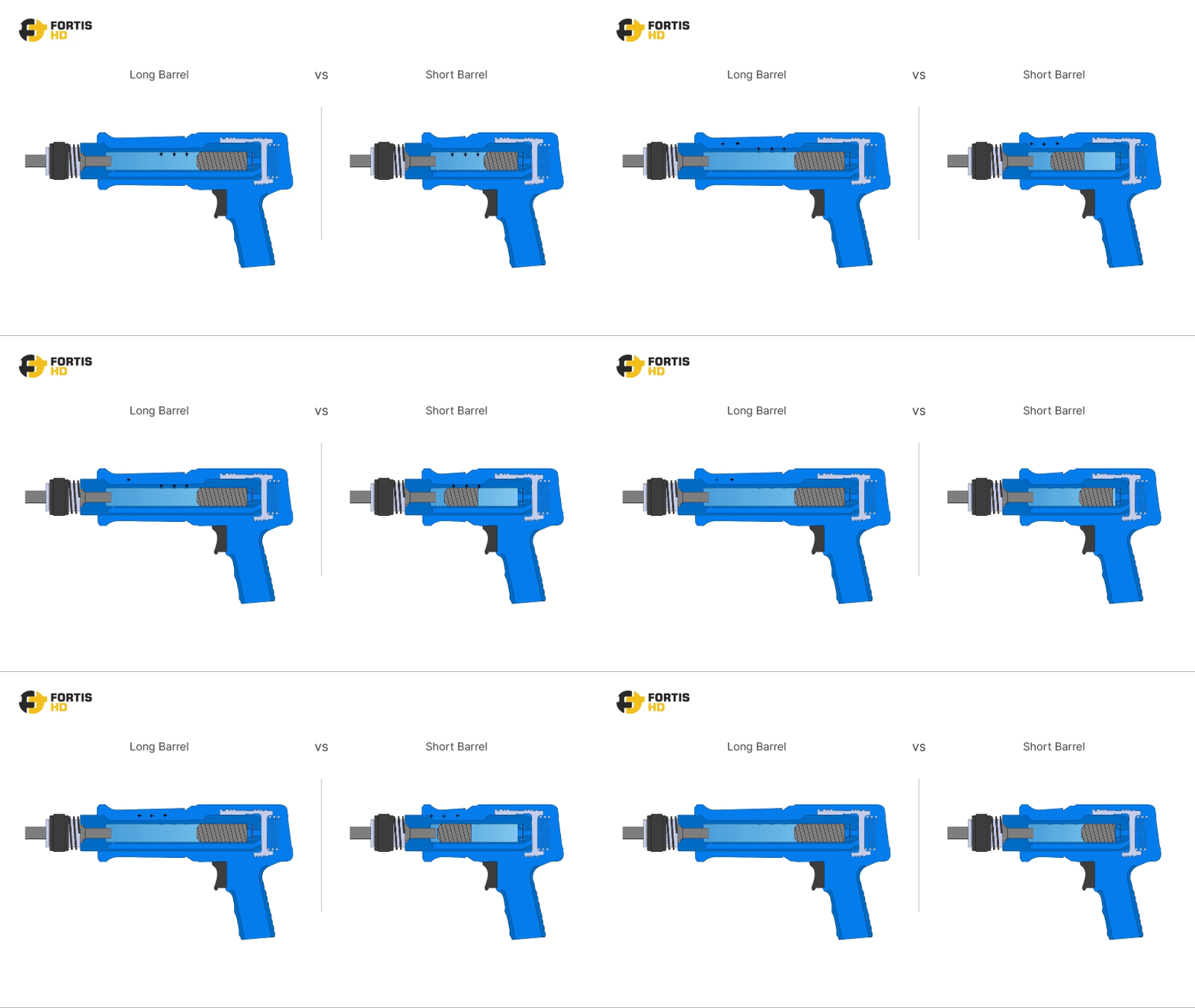
Image Source: www.fortishd.com
The Core Principles of Pneumatic Operation
At its heart, an air hammer is a sophisticated application of pneumatic power. This means it utilizes compressed air as its energy source. When you connect an air compressor to an air hammer, a constant supply of pressurized air is fed into the tool. This air is the driving force behind every strike.
The magic happens within the tool’s internal mechanism. Imagine a tiny, precisely engineered engine powered by air. This engine is what allows the air hammer to act as a potent demolition hammer, a sharp chipping hammer, or a precise riveting hammer, depending on the attached bit and application.
Deciphering the Piston and Cylinder System
The central component of any pneumatic hammer is the piston and cylinder assembly. This is where the kinetic energy of compressed air is converted into the mechanical force of an impact.
- The Cylinder: This is a hollow tube, precisely machined to allow a piston to move freely within it. It’s designed to withstand the high pressures generated during operation.
- The Piston: This is a solid rod that fits snugly inside the cylinder. It is designed to move rapidly back and forth.
The intricate dance between the piston and cylinder is what makes the air hammer effective. Without this precisely engineered partnership, the tool would simply be a non-functional casing.
The Mechanics of the Impact Mechanism
The impact mechanism is the series of events that leads to the forceful strike. It’s a rapid, cyclical process that happens thousands of times per minute.
- Air Inlet: Compressed air enters the tool through an inlet port, usually connected to an air hose from a compressor.
- Distribution Valve: This is the brain of the operation. The distribution valve cleverly directs the compressed air to different parts of the cylinder at precise moments.
- Forward Stroke: When compressed air is directed to the rear of the piston, it forces the piston forward within the cylinder.
- Striking the Bit: As the piston moves forward, it strikes the rear of the attached tool bit (chisel, point, etc.). This transfer of energy is what breaks apart materials.
- Return Stroke: After striking, the compressed air is redirected. Often, a spring or the momentum of the piston itself, combined with a new burst of air behind it, forces the piston back into its starting position. Simultaneously, the used air is exhausted from the tool, usually through small exhaust ports.
- Cycle Repeats: The distribution valve then immediately redirects air to the rear of the piston again, starting the forward stroke once more. This rapid repetition is what gives the air hammer its power.
This cycle is incredibly fast, often exceeding 3,000 blows per minute, creating the constant pounding action characteristic of a percussion tool.
Types of Air Hammers and Their Specific Functions
While the core pneumatic principle remains the same, different types of air hammers are designed for specific tasks. The variations lie in the size, shape, and power of the piston, the type of bit used, and the overall tool design.
The Mighty Jackhammer: For Heavy Demolition
The jackhammer is perhaps the most iconic type of air hammer. These are large, powerful tools designed for breaking up hard surfaces like concrete, asphalt, and rock.
- Power Source: Typically powered by larger air compressors due to their high air consumption.
- Design: They are usually operated by two people, with one operator guiding the tool and the other controlling the air supply. The bit is typically a heavy steel rod with a pointed or chisel-like tip.
- Impact Force: Jackhammers deliver immense force per blow, capable of shattering thick materials.
- Tool Operation: The operator holds the jackhammer upright, leaning their weight into it as the piston pounds the bit into the surface.
The Versatile Chipping Hammer: For Metalwork and More
A chipping hammer is a smaller, more manageable air hammer. It’s a versatile tool used for a variety of tasks, particularly in metal fabrication and repair.
- Applications: Removing old paint, rust, scale, or concrete spatter. It can also be used for cutting thin sheet metal or shaping rivets.
- Bits: Chipping hammers use a variety of interchangeable bits, including flat chisels, pointed chisels, and even scraper blades.
- Impact: While powerful, the impacts are less intense than a jackhammer, allowing for more controlled work.
- Tool Operation: Operated by a single person, the chipping hammer is held with one hand, with the other hand often guiding the bit.
The Precise Riveting Hammer: For Fastening
A riveting hammer, also known as a rivet gun or rivet buster, is specialized for removing or setting rivets in metal structures.
- Function: It uses a short, blunt-ended bit to repeatedly strike rivets, either breaking them apart for removal or peening them to create a secure fastening.
- Speed: Riveting hammers are designed for high-speed operation, allowing for efficient assembly or disassembly of riveted components.
- Control: While powerful, they offer good control for targeting specific rivets without damaging surrounding material.
- Tool Operation: The operator positions the bit firmly against the rivet head and activates the trigger. The rapid impacts effectively deal with the rivet.
Demolition Hammers: A Broader Category
The term demolition hammer can sometimes overlap with jackhammers, but it also encompasses a range of air-powered tools designed for breaking down materials. This category can include smaller handheld tools that function similarly to heavy-duty chipping hammers but are specifically intended for demolition tasks on brick, mortar, or lighter concrete structures.
How Air-Powered Tools Differ from Other Power Sources
Air-powered tools, including the air hammer, offer distinct advantages over electric or gasoline-powered tools.
Advantages of Pneumatic Power
- Durability and Longevity: With fewer complex electronic components, pneumatic tools are often more robust and have a longer lifespan, especially in harsh environments.
- Safety: They are generally safer in potentially explosive or wet environments because they don’t generate sparks or have electrical cords that can be damaged.
- Power-to-Weight Ratio: Air hammers can deliver significant power relative to their size and weight, making them efficient for demanding tasks.
- Variable Speed/Power: The impact force of an air hammer can often be controlled by adjusting the air pressure from the compressor, offering a degree of fine-tuning.
- Cooler Operation: They tend to run cooler than electric tools, reducing the risk of overheating during extended use.
Disadvantages of Pneumatic Power
- Requirement for a Compressor: The biggest drawback is the need for a separate air compressor, which is an additional piece of equipment to purchase, maintain, and transport.
- Hose Management: Air hoses can be cumbersome, limiting mobility and posing a tripping hazard.
- Air Leaks: Leaks in hoses or tool connections can reduce efficiency and power.
- Noise and Vibration: Air hammers are typically very noisy and can produce significant vibration, requiring hearing protection and potentially causing fatigue.
The Anatomy of an Air Hammer: Key Components
Beyond the piston and cylinder, several other parts are crucial for the tool operation of an air hammer.
Component Breakdown
| Component | Description | Function |
|---|---|---|
| Air Inlet | The port where the air hose connects. | Allows compressed air from the compressor to enter the tool. |
| Trigger Valve | A lever or button that controls the flow of air into the tool. | Starts and stops the tool’s operation. |
| Cylinder | The main body housing the piston. | Guides the piston’s linear motion. |
| Piston | A reciprocating component within the cylinder. | Driven by air pressure to strike the tool bit. |
| Distribution Valve | A sophisticated internal mechanism that directs airflow to the piston. | Controls the timing of air application for the piston’s forward and return strokes. |
| Tool Holder/Chuck | The part that secures the interchangeable bit (chisel, point, etc.). | Holds the working end of the tool firmly in place. |
| Exhaust Ports | Small openings that allow spent air to escape the tool. | Vents used air, usually directed away from the operator. |
| Handle/Grip | Ergonomically designed for the operator to hold and control the tool. | Provides a secure and comfortable grip for precise maneuverability. |
The Role of Lubrication
Proper lubrication is essential for the smooth and efficient operation of any air hammer. The compressed air often carries microscopic water droplets and debris, which can cause friction and wear.
- Inline Oilers: Many air tool setups include inline oilers that automatically inject a small amount of specialized pneumatic tool oil into the air stream.
- Tool Lubrication: Some tools also have internal lubrication reservoirs that need to be filled periodically.
- Oil Type: Using the correct type of pneumatic tool oil is crucial. It should be a light, low-viscosity oil designed to atomize well and protect metal components from corrosion and wear.
Practical Applications and Scenarios
The versatility of air hammers means they are found in a wide range of industries and used for countless tasks.
Construction and Demolition
- Breaking Concrete: Jackhammers are indispensable for demolishing concrete slabs, walls, and foundations.
- Removing Tiles and Plaster: Smaller chipping hammers can quickly remove stubborn tiles, plaster, and render.
- Masonry Work: Breaking apart old brickwork or stone.
Metal Fabrication and Repair
- Rivet Removal: As mentioned, riveting hammers are key for working with riveted structures like bridges or aircraft.
- Metal Chipping: Removing excess weld material, slag, or burrs from metal parts.
- Sheet Metal Shaping: Light duty hammering to form or shape thin metal.
- Surface Preparation: Cleaning rust and scale from metal surfaces before painting or welding.
Automotive Repair
- Exhaust System Work: Removing stubborn exhaust components or rusted bolts.
- Bodywork: Removing old seam sealer or heavily corroded metal.
- Brake Job: Removing seized brake components.
Other Uses
- Sculpting and Art: Some artists use specialized air hammers for stone or metal sculpting.
- Mining: Rock drills, a type of heavy-duty air hammer, are used extensively in mining operations.
Maintenance and Safety Considerations
To ensure the longevity and safe operation of your air hammer, regular maintenance and strict adherence to safety protocols are vital.
Routine Maintenance Checklist
- Lubrication: Regularly check and refill the oil reservoir or ensure inline oilers are functioning.
- Cleaning: Keep the tool clean, especially around the chuck and exhaust ports.
- Bit Inspection: Inspect bits for wear or damage and replace them as needed. A dull or damaged bit can reduce efficiency and increase strain on the tool.
- Hose and Connection Check: Inspect air hoses for cracks or leaks and ensure connections are secure.
- Filter Maintenance: If your compressor has an air filter, keep it clean or replace it according to the manufacturer’s recommendations.
Essential Safety Practices
- Personal Protective Equipment (PPE): Always wear safety glasses or a face shield to protect your eyes from flying debris. Hearing protection (earplugs or earmuffs) is crucial due to the high noise levels. Gloves can help with grip and reduce vibration exposure.
- Secure Grip: Maintain a firm, balanced grip on the tool.
- Proper Stance: Ensure a stable footing to prevent loss of balance.
- Awareness of Surroundings: Be mindful of other people and obstacles in the work area.
- Never Point at Anyone: Treat the tool with respect; it’s designed to break things.
- Disconnect Air Supply: Always disconnect the air supply before changing bits, performing maintenance, or storing the tool.
Frequently Asked Questions About Air Hammers
Q1: How much air pressure do air hammers typically require?
A1: Most air hammers operate effectively within a pressure range of 90-100 PSI (pounds per square inch). However, it’s always best to consult the specific tool’s manual for the recommended operating pressure.
Q2: Can I use any air compressor with an air hammer?
A2: You need an air compressor that can supply sufficient cubic feet per minute (CFM) of air volume at the required PSI. Smaller compressors may struggle to keep up with the demands of a powerful air hammer, leading to reduced performance. Check the CFM requirements of your air hammer against your compressor’s output.
Q3: What is the difference between an air hammer and a demolition hammer?
A3: The term “air hammer” is a broad category referring to any hammer powered by compressed air. A “demolition hammer” specifically refers to tools designed for breaking up hard materials, which often includes larger air hammers like jackhammers, but can also refer to electric or gasoline-powered demolition tools.
Q4: How often should I lubricate my air hammer?
A4: If using an inline oiler, it should be kept filled with the correct oil. If lubricating the tool directly, follow the manufacturer’s instructions, but generally, it’s a good practice to lubricate after each use or at the beginning of a work session.
Q5: Can I use an air hammer for light engraving?
A5: While some specialized air tools are designed for engraving, standard air hammers with chisels are too powerful and imprecise for delicate engraving work. You would need a much smaller, low-impact pneumatic engraver for such tasks.
By delving into the mechanics of pneumatic power and the specific design elements of air hammers, we can truly appreciate the engineering that makes these air-powered tools so effective across a multitude of industries. From the massive power of a jackhammer to the precise strikes of a riveting hammer, the piston and cylinder working in concert with a clever impact mechanism make the air hammer a cornerstone of modern tooling.