
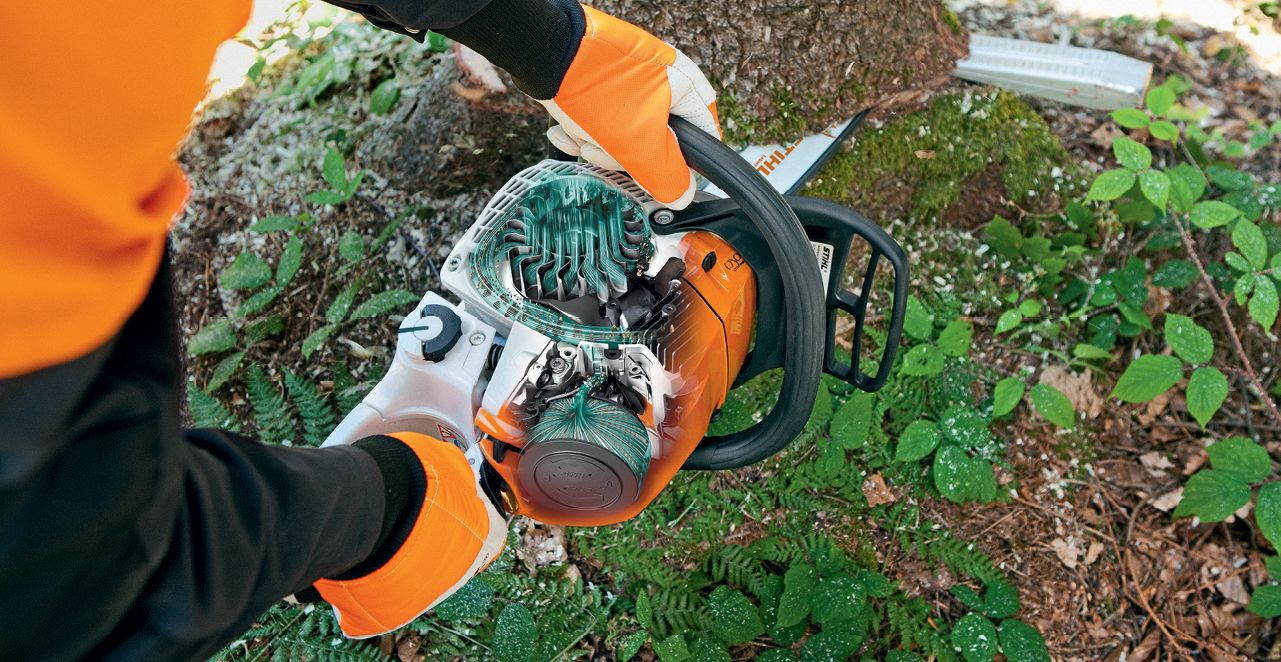
Image Source: blog.stihl.com.au
How To Clean Air Filter On Stihl Chainsaw: Easy Steps
Yes, you can clean your Stihl chainsaw air filter, and it’s a crucial part of Stihl chainsaw maintenance. Regular cleaning extends the life of your chainsaw and ensures it runs smoothly. This guide will walk you through the simple steps to keep your Stihl chainsaw air filter cleaning efficient and effective, ensuring optimal performance and preventing costly repairs.
Why Clean Your Stihl Chainsaw Air Filter?
Your Stihl chainsaw operates in demanding environments. Sawdust, wood chips, oil, and dirt are constantly drawn into the engine through the air intake. The air filter is the first line of defense, preventing these contaminants from entering the carburetor and combustion chamber.
When the air filter gets clogged, the engine struggles to get enough air. This leads to:
- Reduced Engine Power: The chainsaw will feel sluggish and won’t cut as efficiently.
- Poor Fuel Efficiency: The engine will consume more fuel trying to compensate for the lack of air.
- Increased Wear and Tear: Dirt particles entering the engine can act like sandpaper, damaging internal components.
- Overheating: An air-starved engine can overheat, leading to serious damage.
- Starting Difficulties: A severely clogged filter can make it hard to start the chainsaw.
Regular Stihl chainsaw maintenance, including air filter cleaning, is essential for longevity and peak performance. It’s a simple task that can save you a lot of trouble and expense down the line.
Identifying Your Stihl Chainsaw Air Filter Type
Stihl uses various air filter designs across its wide range of chainsaw models. Knowing which type you have is important for proper cleaning and potential Stihl chainsaw filter replacement. The most common types include:
- Fleece Filters: These are typically white or light-colored and made of a synthetic material. They are often washable but can be delicate.
- HD2 Filters: These are usually made of a porous polyethylene material, often grey or blue. They are highly effective at filtering fine particles and are generally more durable and easier to clean.
- Wire Mesh Filters: Found on older or some specific models, these are made of a fine metal mesh.
To identify your filter type, consult your Stihl chainsaw owner’s manual. It will also specify recommended cleaning methods and if replacement is a better option for your particular filter. If you’ve lost your manual, a quick search online for your specific Stihl model number will likely bring up the relevant documentation or diagrams showing Stihl chainsaw parts.
Tools and Supplies You’ll Need
Before you begin, gather these essential items:
- Screwdriver or Wrench: To remove the air filter cover. The type will depend on your Stihl model.
- Compressed Air: For blowing out loose debris.
- Soft Brush: A clean paintbrush or a soft-bristled toothbrush works well.
- Warm Soapy Water: Mild dish soap is ideal.
- Clean Water: For rinsing.
- Clean, Dry Cloth: For drying the filter.
- Replacement Air Filter (Optional but Recommended): Have a new filter on hand in case yours is too damaged to clean effectively. You can find genuine Stihl chainsaw parts at your local dealer or reputable online retailers.
Step-by-Step Guide to Cleaning Your Stihl Chainsaw Air Filter
Here’s how to clean your Stihl chainsaw air filter:
Step 1: Safety First!
Always ensure the chainsaw is turned off and the engine has cooled down completely before starting any Stihl chainsaw maintenance. Disconnect the spark plug wire to prevent accidental starting. This is a crucial safety step for any chainsaw work.
Step 2: Access the Air Filter
Locate the air filter cover on your Stihl chainsaw. This is usually a small housing, often secured by a knob, clip, or screws.
- Knob-secured covers: Simply unscrew the knob.
- Clip-secured covers: Gently lift the clip.
- Screw-secured covers: Use the appropriate screwdriver or wrench to remove the screws.
Carefully remove the air filter cover. Keep track of any screws or clips, as you’ll need them to reassemble.
Step 3: Remove the Air Filter
Gently pull the air filter out of its housing. Note its orientation so you can reinstall it correctly. Be careful not to let any debris fall into the carburetor intake while the filter is removed. You can temporarily cover the carburetor opening with a clean rag if you’re concerned about this.
Step 4: Initial Cleaning (Dry Methods)
For light dust and debris, a dry cleaning method might be sufficient:
- Tapping: Gently tap the filter against a hard surface to dislodge loose dirt and sawdust.
- Brushing: Use a soft brush to carefully sweep away remaining debris from the surface of the filter.
- Compressed Air: If you have compressed air, hold the filter with the air blowing from the inside out. This forces debris away from the filter material. Never use high-pressure air, as it can damage delicate filter media. Aim for a gentle, steady stream.
If these dry methods don’t get the filter clean, or if it’s oily, you’ll need to proceed to wet cleaning.
Step 5: Wet Cleaning (For Oily or Stubborn Debris)
This method is generally suitable for HD2 and some fleece filters, but always check your owner’s manual. Wire mesh filters may require different cleaning agents.
- Prepare the Solution: Mix warm water with a small amount of mild dish soap in a clean basin or sink.
- Soak the Filter: Submerge the air filter in the soapy water. Let it soak for a few minutes to loosen the grime.
- Agitate Gently: Swish the filter around in the water. You can also gently rub it with your fingers or a soft brush to remove stubborn dirt. Avoid aggressive scrubbing, which can tear or damage the filter material.
- Rinse Thoroughly: Rinse the filter under clean, running water. Ensure all soap residue is washed away. Again, rinse from the inside out if possible to push debris away from the filter pores.
Step 6: Drying the Filter
This is a critical step. The filter must be completely dry before reinstallation.
- Shake off Excess Water: Gently shake the filter to remove as much water as possible.
- Pat Dry: Use a clean, dry cloth to gently pat the filter dry.
- Air Dry: Place the filter in a well-ventilated area and allow it to air dry completely. Do NOT use heat sources like hair dryers or ovens, as this can warp or damage the filter. Ensure no moisture remains, as it can affect engine performance and potentially cause corrosion.
Important Note: Some filter types, especially certain fleece filters, may be too delicate for washing. If your owner’s manual advises against washing, or if the filter is heavily damaged, it’s time for a Stihl chainsaw filter replacement.
Step 7: Inspecting the Filter for Damage
Before reinstallation, carefully inspect the filter for any tears, holes, or excessive wear.
- Tears or Holes: If you find any damage, the filter needs to be replaced. A damaged filter will not effectively protect your engine.
- Warping: Check if the filter has lost its shape.
- Excessive Dirt Trapped: If dirt seems permanently embedded in the filter material even after cleaning, it’s time for a replacement.
Step 8: Reinstall the Air Filter
Once the filter is completely dry and free of damage:
- Place it Back: Carefully place the clean (or new) air filter back into its housing, ensuring it’s seated correctly and in the proper orientation.
- Reattach the Cover: Replace the air filter cover and secure it with the knob, clips, or screws.
- Reconnect Spark Plug: Reconnect the spark plug wire.
When to Replace Your Stihl Chainsaw Air Filter
Even with regular cleaning, air filters don’t last forever. You should consider Stihl chainsaw filter replacement in the following situations:
- Visible Damage: Tears, holes, or significant warping.
- Deeply Embedded Dirt: If the filter remains heavily soiled even after thorough cleaning.
- Loss of Filtering Capacity: If you notice increased dust or debris around the carburetor area after cleaning.
- Regular Service Interval: Many manufacturers recommend replacing the air filter annually or after a certain number of operating hours as part of routine Stihl chainsaw service. Check your owner’s manual for specific recommendations.
- After a Major Overhaul: It’s often good practice to install a fresh air filter after significant engine work, such as Stihl chainsaw carburetor cleaning.
Having spare Stihl chainsaw parts, including air filters, readily available is a smart move for any chainsaw owner.
Cleaning Other Related Components
While you’re performing Stihl chainsaw maintenance, it’s a good time to check other related parts:
Stihl Chainsaw Fuel Filter
The fuel filter prevents dirt and debris from entering the fuel system and reaching the carburetor. A clogged fuel filter can restrict fuel flow, causing performance issues.
- Location: Typically found inside the fuel tank, connected to the fuel line.
- Cleaning/Replacement: Fuel filters are usually designed for replacement, not cleaning. To access it, you’ll need to drain the fuel tank, remove the fuel cap, and pull out the fuel line assembly. Carefully detach the old filter and attach a new genuine Stihl fuel filter.
Stihl Chainsaw Carburetor Cleaning
If your chainsaw is running poorly even with a clean air filter, the carburetor might be the culprit. Carburetor issues often stem from dirt or gummed-up fuel.
- Symptoms: Hard starting, rough idling, loss of power, or stalling.
- Cleaning: Carburetor cleaning can be a bit more involved and may require disassembling the carburetor. If you’re not comfortable with this, it’s best to have a professional perform Stihl chainsaw carburetor cleaning. If you decide to do it yourself, use a dedicated carburetor cleaner spray and follow the instructions carefully. Ensure you have a good understanding of how the carburetor works before attempting this.
Stihl Chainsaw Air Cleaner Assembly
The air cleaner assembly refers to the entire housing that holds the air filter, including the cover and any seals. Ensure the housing is clean and that there are no cracks or leaks. A damaged air cleaner assembly can allow unfiltered air to enter the engine, negating the purpose of the air filter.
Troubleshooting Common Stihl Chainsaw Air Filter Issues
| Problem | Potential Cause | Solution |
|---|---|---|
| Reduced engine power | Clogged air filter | Clean or replace the air filter. |
| Chainsaw won’t start | Severely clogged air filter, or filter missing/damaged | Clean or replace the air filter. Ensure it’s properly installed. |
| Rough idling or engine sputtering | Clogged air filter, or carburetor issues | Clean or replace the air filter. If problem persists, consider carburetor cleaning. |
| Excessive smoke or black exhaust | Over-rich fuel mixture (often due to restricted air) | Clean or replace the air filter. |
| Chainsaw runs fine for a bit, then dies | Overheating due to poor air flow, or fuel delivery issues | Ensure the air filter is clean and the engine is not overheating. Check the fuel filter. |
If you’re experiencing persistent Stihl chainsaw troubleshooting issues, it might be time to consult a qualified technician or your local Stihl dealer.
Preserving Your Stihl Chainsaw’s Performance
Maintaining the air filter is just one piece of the puzzle for keeping your Stihl chainsaw in top condition. Regular checks of the spark plug, chain sharpness, chain lubrication, and fuel mixture are also vital. Treating your chainsaw with care through consistent Stihl chainsaw maintenance will ensure it serves you reliably for years to come.
Frequently Asked Questions (FAQ)
Q1: How often should I clean my Stihl chainsaw air filter?
A1: It depends on the conditions you’re working in. If you’re cutting in dusty or dirty environments, you might need to clean it daily or even more often. For general use, checking it before each significant cutting session and cleaning as needed is a good practice. Refer to your owner’s manual for specific recommendations for your model.
Q2: Can I use regular gasoline in my Stihl chainsaw?
A2: No. Stihl chainsaws require a specific fuel mix of high-octane gasoline and a high-quality 2-stroke engine oil. Always use the recommended fuel mixture.
Q3: My Stihl chainsaw air filter looks dirty but not clogged. Do I still need to clean it?
A3: A visual inspection is important. If it looks dirty, it’s likely restricting airflow to some degree, even if it doesn’t appear completely blocked. Cleaning it regularly will prevent it from becoming severely clogged and ensure optimal performance.
Q4: Can I use compressed air to dry my Stihl chainsaw air filter?
A4: Yes, but with caution. Use a low-pressure setting and blow the air from the inside of the filter outwards. High pressure can damage the filter media. Air drying in a clean, well-ventilated area is the safest method.
Q5: What kind of soap should I use for washing my Stihl chainsaw air filter?
A5: Use a mild dish soap mixed with warm water. Avoid harsh detergents or solvents, as they can degrade the filter material.
Q6: My Stihl chainsaw is running poorly. Is it definitely the air filter?
A6: A dirty air filter is a common cause of poor performance, but it’s not the only one. Other potential issues include a clogged fuel filter, problems with the spark plug, or a dirty carburetor. It’s best to start with the air filter as it’s the easiest to check and clean. If the problem persists, investigate other components.
By following these simple steps, you can effectively clean your Stihl chainsaw air filter and keep your powerful tool running smoothly and efficiently. Regular Stihl chainsaw maintenance is key to longevity and reliable performance.