
What is the typical tape measure length? A typical tape measure is usually 25 feet (7.6 meters) long.
For many of us, the tape measure is an indispensable tool, tucked away in toolboxes, drawers, or even clipped to a belt. It’s the go-to for everything from hanging a picture to building a deck. But have you ever stopped to think about the tape measure length? Or perhaps you’ve wondered about the standard tape measure size? This guide will delve into the world of tape measures, exploring their various lengths, the units they use, and what makes them so essential for countless tasks.
The concept of how long is a tape measure isn’t as straightforward as it might seem. While a common size exists, the reality is that tape measures come in a surprisingly wide range of lengths to suit different needs. From short, pocket-sized versions to long, heavy-duty models, the measuring tape length can vary significantly.
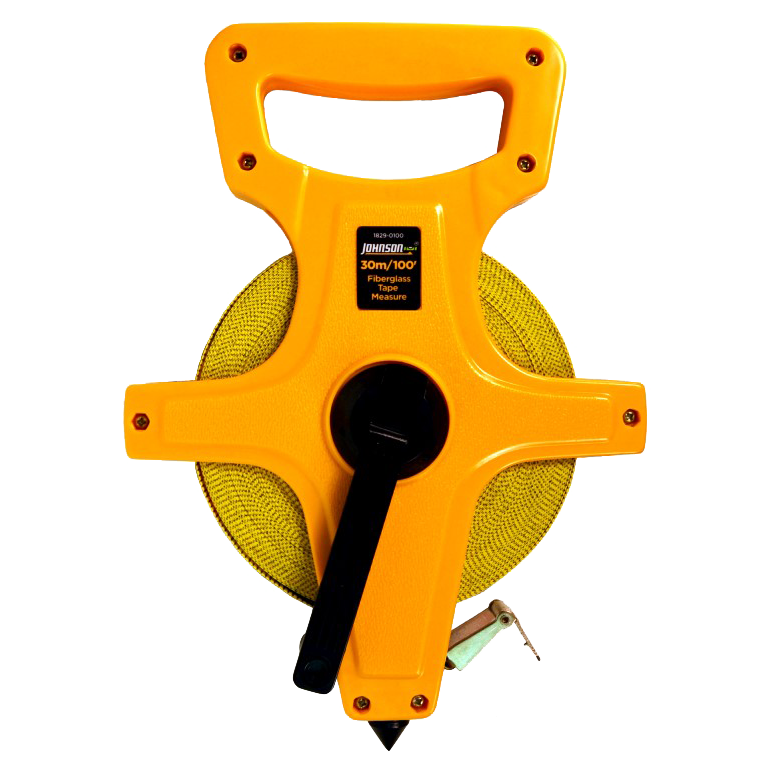
Image Source: www.johnsonlevel.com
The History and Evolution of Tape Measures
Before we dive into the specifics of tape measure lengths, it’s helpful to briefly touch upon their origins. Measuring has been a fundamental human activity since the dawn of civilization. Early methods involved using body parts like hands, feet, or forearms. However, these were imprecise and varied from person to person.
The need for standardized measurement tools grew with the development of trade, architecture, and engineering. Early measuring devices included marked sticks and ropes. The invention of the retractable tape measure was a significant leap forward, allowing for portability and ease of use. The modern tape measure, with its flexible steel blade and casing, is a testament to centuries of refinement in measurement technology.
Deciphering Tape Measure Markings: Units of Measurement
One of the most crucial aspects of any tape measure is its markings. These are the lines and numbers that tell us precisely how long something is. Tape measures typically use either the imperial tape measure system or the metric tape measure system, or sometimes both. It’s important to know which tape measure units your tape measure displays to avoid errors.
The Imperial System
The imperial system, prevalent in the United States and a few other countries, uses feet and inches.
* Inches (in): The smallest common unit on an imperial tape measure.
* Feet (ft): 12 inches make up one foot. Tape measures often show feet as larger numbers or with a special mark.
* Fractions of an Inch: Most imperial tape measures will have markings for 1/2, 1/4, 1/8, and sometimes even 1/16 of an inch. These are crucial for woodworking, construction, and any task requiring fine precision.
* The markings on an imperial tape measure:
* Longest marks with numbers: Represent whole feet.
* Slightly shorter marks: Represent whole inches.
* Progressively shorter marks: Represent fractions of an inch (1/2, 1/4, 1/8, 1/16).
* Sometimes, there are red diamonds or other markers every 16 inches, indicating stud spacing in construction.
The Metric System
The metric system, used by most of the world, is based on powers of ten, making calculations simpler.
* Millimeters (mm): The smallest markings, typically 10 millimeters to a centimeter.
* Centimeters (cm): 10 millimeters make up one centimeter.
* Meters (m): 100 centimeters make up one meter. Longer tape measures often show meters prominently.
* The markings on a metric tape measure:
* Longest marks with numbers: Usually represent whole meters or 10-centimeter intervals.
* Medium marks: Represent centimeters.
* Smallest marks: Represent millimeters.
Many modern tape measures feature dual markings, displaying both imperial and metric units side-by-side, offering versatility for users working with different measurement standards.
Common Tape Measure Lengths: What to Expect
When we talk about how long is a tape measure, we’re generally referring to the length of the blade itself, not the overall size of the casing. The casing is designed to protect the blade and house the locking mechanism.
Here’s a look at the typical tape measure lengths you’ll encounter:
Small and Compact Measures
- Length: 3 to 10 feet (approx. 1 to 3 meters).
- Use Cases: Ideal for small DIY projects, sewing, crafting, measuring furniture, or quick checks around the house. Their small size makes them very portable.
- Features: Often have a narrower blade width, which can be less rigid when extended.
Standard Household and DIY Measures
- Length: 12 to 35 feet (approx. 3.5 to 11 meters).
- Use Cases: This is the most common range for general home use, DIY projects, woodworking, and basic construction. A standard tape measure size often falls within this category.
- Features: These typically have a wider blade for better rigidity when extended, and robust locking mechanisms. The 25-foot (7.6 m) length is a very popular choice in this range.
Professional and Construction Measures
- Length: 50 to 100 feet (approx. 15 to 30 meters) and even longer.
- Use Cases: Essential for surveyors, contractors, builders, and anyone needing to measure larger distances, such as property lines, long walls, or large spaces.
- Features: These are usually much wider and heavier-duty blades. They often have a reel mechanism within a larger, more durable casing. Some very long tapes might be open-reel designs rather than fully enclosed retractable ones.
Factors Influencing Tape Measure Length Choice
The question of how long is a tape measure that you need depends entirely on your intended use. Here are key factors to consider:
- Project Size: For hanging a shelf, a 12-foot tape is sufficient. For framing a house, you’ll need a much longer one.
- Portability: If you carry your tape measure in your pocket or a small tool pouch, a shorter, more compact model is better.
- Blade Rigidity (Standout): Longer and wider blades generally have better “standout” – the distance the blade can extend horizontally without bending or collapsing. This is crucial for measuring without a helper. A wider blade (e.g., 1 inch vs. 3/4 inch) typically offers better standout.
- Durability: Professional tradespeople often opt for heavier-duty tape measures with reinforced casings, durable blades, and better locking mechanisms, regardless of the specific measuring tape length.
- Accuracy Requirements: For most home projects, standard tape measures are accurate enough. For very precise work, ensure your tape measure’s tape measure markings are clear and the blade is straight.
Exploring Different Types of Tape Measures
While the length is a primary characteristic, tape measures also come in different forms:
Retractable Tape Measures
This is the most common type. The steel blade is wound inside a casing and can be pulled out. A locking mechanism holds the blade in place. When the lock is released, the spring mechanism retracts the blade back into the casing. The retractable tape measure length varies greatly, as discussed.
Open-Reel Tape Measures
Typically used for very long measurements (50 feet and up), these have a reel for the tape, often housed in a frame or cage, and the tape is usually made of fiberglass or a strong fabric. They are less common for everyday tasks but indispensable for surveying or large-scale construction.
Tailor’s or Soft Tape Measures
These are usually made of flexible cloth or plastic and are marked in both inches and centimeters. Their tape measure units are designed for measuring soft materials like fabric or the human body. Their length is typically much shorter, often around 60 inches (1.5 meters).
The Anatomy of a Tape Measure
To fully appreciate how long is a tape measure and how it works, let’s look at its key components:
- The Blade: The flexible metal (usually steel) or fiberglass strip with the tape measure markings. Its width and material affect rigidity and durability.
- The Hook (or Tang): The metal piece at the end of the blade. It’s designed to catch on the edge of an object being measured or be placed flat against a surface. Some hooks are magnetic for easier attachment to metal objects.
- The Casing: The housing that protects the blade and contains the retraction spring and locking mechanism. Materials range from plastic to metal alloys.
- The Lock: A mechanism (usually a thumb slide) that holds the blade in the extended position, preventing it from retracting unexpectedly.
- The Belt Clip: A common feature allowing the tape measure to be easily carried.
- The Nylon Coating: Many modern blades have a nylon coating to protect the markings from wear and tear, increasing the tape measure’s lifespan.
How the Tape Measure Length Affects Its Use
The measuring tape length directly impacts its practicality. A short tape measure is convenient for quick, small measurements but inadequate for larger tasks. Conversely, a very long tape measure can be cumbersome for everyday use, and its blade might be too flexible over shorter distances if not designed with a wide enough profile.
Consider the “standout” again. A longer tape measure typically needs a wider blade to maintain rigidity when extended. For instance, a 25-foot tape might have a 1-inch wide blade, allowing it to “stand out” 6-7 feet horizontally without support. A 10-foot tape might have a 3/4-inch blade and a standout of perhaps 4-5 feet. This is a crucial consideration if you frequently measure alone.
Choosing the Right Tape Measure for Your Needs
When faced with the question, “Which tape measure length should I get?”, consider these points:
-
Primary Use: What will you be measuring most often?
- Around the House/General DIY: A 25-foot (7.6 m) imperial or 8-meter (26 ft) metric tape measure is usually ideal.
- Crafting/Sewing: A short (60-inch/1.5 m) soft tape measure.
- Woodworking/Cabinetry: A 12-25 foot (3.5-7.6 m) tape with clear fractional markings.
- Construction/Framing: A 25-35 foot (7.6-11 m) tape with good standout, potentially with stud markings.
- Large Projects/Surveying: 50-100 foot (15-30 m) or longer open-reel tape measures.
-
Portability: Do you need it to fit in a pocket or a small pouch?
- For maximum portability, opt for 10-16 foot (3-5 m) tapes.
-
Blade Width and Standout: Do you often measure long distances alone?
- If yes, choose a wider blade (1 inch or more) for better standout.
-
Durability: Will it be used in rough conditions?
- Professional-grade tapes with reinforced casings and impact-resistant features are advisable.
-
Markings: Do you prefer imperial, metric, or both?
- Ensure the tape measure markings are clear, easy to read, and in the units you prefer. Dual-marked tapes offer the most flexibility.
Tables of Common Tape Measure Lengths
Here’s a quick reference for common tape measure lengths and their typical uses:
| Tape Measure Length (Imperial) | Tape Measure Length (Metric Approximation) | Common Uses | Blade Width (Typical) |
|---|---|---|---|
| 3 – 10 feet | 1 – 3 meters | Crafting, small DIY, furniture measurement, quick checks | 1/2 – 3/4 inch |
| 12 – 25 feet | 3.5 – 7.6 meters | General household, DIY, woodworking, small to medium construction projects | 3/4 – 1 inch |
| 25 – 35 feet | 7.6 – 11 meters | Standard DIY, construction, framing, carpentry | 1 – 1.25 inch |
| 50 – 100 feet | 15 – 30 meters | Large construction, surveying, long-distance measurements | 1/2 – 1 inch (often fiberglass) |
| 100+ feet | 30+ meters | Professional surveying, large site measurement | Varies (often fiberglass/fabric) |
Frequently Asked Questions (FAQ)
-
Q: What is the most common tape measure length?
A: The most common tape measure length for general household and DIY use is typically 25 feet (7.6 meters) in the imperial system or around 8 meters (26 feet) in the metric system. -
Q: Can I measure very small objects with a standard tape measure?
A: While you can, a standard tape measure’s smallest markings are usually millimeters or 1/16th of an inch. For extremely precise or very small measurements, specialized measuring tools like calipers or precision rulers might be more appropriate. However, for most common tasks, a standard tape measure is sufficient. -
Q: What does the red diamond on some tape measures mean?
A: The red diamonds found at 16-inch intervals on many imperial tape measures are reference points for standard stud spacing in wood-frame construction. They help quickly locate studs for framing and mounting. -
Q: Is a longer tape measure always better?
A: Not necessarily. A longer tape measure is better for longer distances, but it can be cumbersome and less practical for small, everyday measurements. The best length depends on your specific needs. Consider blade width for rigidity and standout as well. -
Q: How do I read fractions on an imperial tape measure?
A: Look for the marked lines between the whole inch marks. The longest line is 1/2 inch. The next longest is 1/4 inch (which is also 2/4 inch), and the shortest are 1/8 inch (which is also 2/8, 4/8, 6/8). If there are even finer marks, they are usually 1/16th of an inch. The numbers on the tape measure indicate the total inches from the start. -
Q: Why are some tape measure blades wider than others?
A: Wider blades (e.g., 1 inch or 1.25 inches) are more rigid and can extend further without bending or “kinking.” This feature is called “standout” and is very useful when measuring without assistance. Narrower blades (e.g., 3/4 inch) are more flexible and often found on shorter tapes. -
Q: What are the advantages of a metric tape measure?
A: The metric system is based on powers of ten, making calculations with measurements more straightforward. For example, 10 millimeters equal 1 centimeter, and 100 centimeters equal 1 meter. This decimal system is generally easier for mathematical operations compared to the fractional nature of the imperial system.
Conclusion
The seemingly simple tool – the tape measure – is a marvel of practical engineering. From its humble beginnings to the sophisticated retractable tape measure length options available today, it serves as a cornerstone of measurement. Whether you’re using an imperial tape measure or a metric tape measure, knowing the tape measure units and the various tape measure dimensions helps you select the perfect tool for any job. Understanding how long is a tape measure you need is the first step to achieving accurate and efficient results in all your projects.