
Imagine this: you’re working on your car, and you need to replace a brake line. But you realize you need a special tool to make the ends of the new line. It’s a common situation for DIY mechanics, and choosing the right brake line flare tool can be a real headache. There are so many different types, and it’s tough to know which one will work best for your project.
This isn’t just about having the right tool; it’s about safety. Properly flared brake lines are crucial for your brakes to work correctly. A bad flare can lead to leaks, which are dangerous. You might be worried about messing up the job or buying a tool that doesn’t do what you need it to. That’s where we come in.
In this post, we’ll break down what makes a good brake line flare tool. We’ll explain the different kinds and what they’re good for. By the end, you’ll feel confident picking the perfect tool for your next brake job. Let’s get started on making your brake repairs easier and safer.
Our Top 5 Brake Line Flare Tool Recommendations at a Glance
Top 5 Brake Line Flare Tool Detailed Reviews
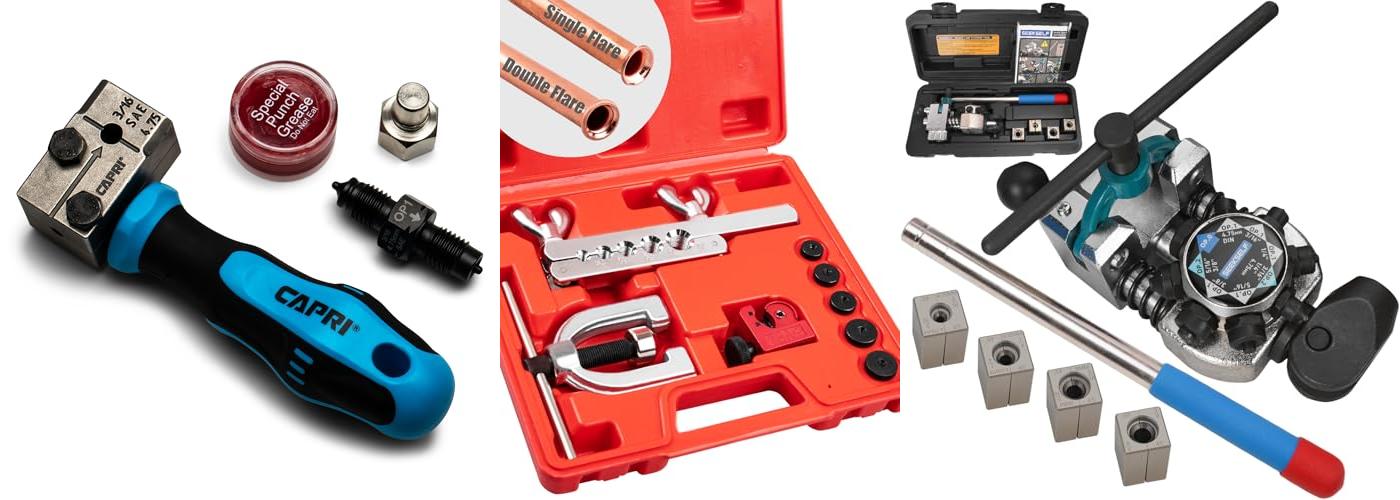
1. Capri Tools 3/16 in. Double Flaring Tool (CP21110-316)

Rating: 8.8/10
The Capri Tools 3/16 in. Double Flaring Tool (CP21110-316) is a handy tool for anyone working with brake lines or other 3/16 inch tubing. It helps you make perfect flares quickly and easily.
What We Like:
- It cuts your work time in half. You can make high-quality 45-degree SAE double flares on 3/16 inch tubing.
- It works great with 3/16 inch non-stainless steel, nickel, and copper tubing.
- Its small size means you can make flares anywhere, even in tight spaces on or off your vehicle.
- The die can be taken off. This lets you use the tool with a bench vise for extra stability.
- It’s an all-in-one tool. You only need a 10 mm and a 17 mm wrench to use it.
What Could Be Improved:
- The instructions could be clearer for beginners.
- It’s designed only for 3/16 inch tubing, so you’d need other tools for different sizes.
This Capri Tools flaring tool makes a tough job much simpler. It’s a great addition to any toolbox for automotive repairs.
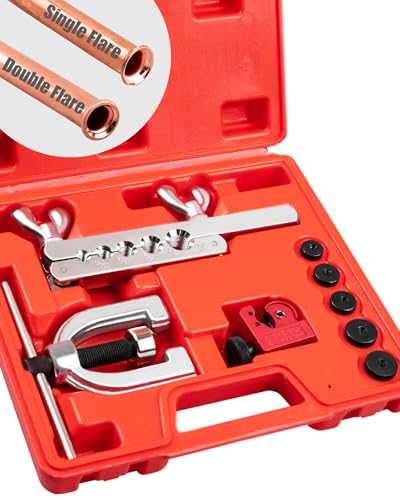
2. Clatoon Brake Line Double & Single Flaring Tool Kit with Tubing Cutter
Rating: 9.3/10
Fixing brake lines or other tubing can be a tricky job, but the Clatoon Brake Line Double & Single Flaring Tool Kit is here to make it easier. This kit helps you create neat, strong flares on various metal tubes, perfect for car repairs, air conditioning systems, and more. It comes with everything you need to get the job done right.
What We Like:
- It includes a tubing cutter and five different flaring dies, so you have the right size for many jobs.
- The tool is made from strong steel, built to last and resist rust.
- The T-handle makes flaring easier, so you don’t get tired as quickly.
- It works on copper, aluminum, brass, and soft steel tubing.
- Everything fits neatly into a handy carrying case for storage and transport.
What Could Be Improved:
- While it covers most common sizes, it might not include every single size needed for very specialized tasks.
- Some users might find the initial setup or learning curve a little bit challenging if they’ve never used a flaring tool before.
This Clatoon kit offers a solid solution for your flaring needs. It’s a practical tool for DIYers and professionals alike, helping you complete repairs with confidence.
3. SEEKSELF Professional Brake Line Flaring Tool Kit for 45 Degree Single

Rating: 8.6/10
Tired of unreliable brake lines? The SEEKSELF Professional Brake Line Flaring Tool Kit is here to help! This kit lets you create perfect 45-degree single, double, and bubble flares on various metal tubing. It works on steel, stainless steel, and even softer metals like copper. You get everything you need to tackle brake line repairs and more.
What We Like:
- This kit is very versatile. It handles many tubing sizes: 3/16″, 1/4″, 5/16″, and 3/8″.
- It makes all three common flare types: single, double, and bubble.
- The tool is built tough with a high-quality steel body.
- The split dies have a special hole to keep them from sliding out.
- The handle design makes it easier to turn and apply pressure.
- It comes with clear instructions and a handy plastic case for storage.
- It’s great for both beginners and experienced mechanics or plumbers.
What Could Be Improved:
- You need a vise to hold the tool securely.
- It is not safe to use while the vehicle is in the air.
- Safety gear like goggles and gloves are a must when using it.
This tool kit offers a professional solution for your flaring needs. It’s a reliable choice for getting your brake lines in top shape.
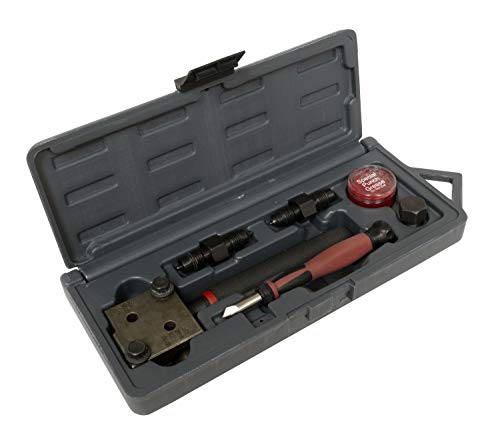
4. Lisle 33260 Flaring Tool
Rating: 8.9/10
The Lisle 33260 Flaring Tool is a handy gadget for anyone working with brake lines or fuel lines. It helps you make neat flares on metal tubing. This tool is designed to make a tough job a lot easier. It’s great for both beginners and experienced mechanics.
-
What We Like:
- It can make both single and double flares. This means you can use it for different kinds of jobs. It works on 3/16″ and 1/4″ tubing, which are common sizes.
- The tool has a low-profile design. This is a big help when you’re working in tight spots under a car. It lets you get to the tubing where other tools can’t.
- The vise assembly holds the tubing firmly. It keeps the tubing centered and prevents it from getting scratched or damaged. Your tubing will stay looking good.
- It has a depth stop. This makes sure you cut the tubing to the right length every time. You won’t have to guess, and your flares will be consistent.
-
What Could Be Improved:
- While it handles common sizes, it doesn’t work with larger tubing. If you need to flare bigger pipes, you’ll need a different tool.
- The instructions could be a bit clearer for someone who has never flared tubing before. A few more pictures would be helpful.
This Lisle flaring tool is a solid choice for common automotive tasks. It makes creating flares much simpler and more precise.
5. Brake Line Flaring Tool Kit

Rating: 9.0/10
Tackle your automotive and HVAC projects with confidence using the TUBPRO Brake Line Flaring Tool Kit. This all-in-one set is designed to help you create precise double or single flares on various soft metal tubing, making it an essential tool for repairs and custom setups. Whether you’re working on brake lines, fuel lines, or AC lines, this kit provides the versatility you need.
What We Like:
- It creates both single and double flares for many different types of tubing.
- The kit includes five common adapter sizes: 3/16″, 1/4″, 5/16″, 3/8″, and 1/2″.
- A handy tube cutter is included to get your lines ready.
- The tools are made from strong, heat-treated steel for lasting durability.
- It works well with copper, aluminum, magnesium, soft steel, and brass tubing.
- Everything comes neatly organized in a blow-molded case for easy transport and storage.
What Could Be Improved:
- This tool is not meant for hard metals like steel or iron.
- It requires some practice to get perfect flares every time.
This TUBPRO kit simplifies tubing work. It’s a valuable addition for any DIYer or mechanic needing to make reliable connections.
Choosing the Right Brake Line Flare Tool: Your Guide to a Safer Ride
Brake lines are crucial for your car’s safety. They carry brake fluid to your wheels, making them stop. When you need to replace a brake line or fix a leak, you’ll likely need a brake line flare tool. This tool creates a special end on the brake line, called a flare, which seals tightly and prevents leaks. Let’s explore how to pick the best one for your needs.
Key Features to Look For
When you’re shopping for a brake line flare tool, keep these important features in mind:
- Type of Flare: Most cars use either a double flare or a bubble flare. Make sure the tool can create the type of flare your vehicle needs. Double flares are more common for steel brake lines, while bubble flares are often used with aluminum or copper lines.
- Ease of Use: Some tools are simpler to operate than others. Look for tools with clear instructions and comfortable handles. A tool that’s easy to grip and turn will make the job much smoother.
- Versatility: Can the tool handle different brake line sizes? Many tools come with adapters or are designed to work with common brake line diameters. This means you can use it on more than one vehicle or for different repairs.
- Durability: You want a tool that will last. Check for sturdy construction and well-made parts.
- Portability: If you plan to do repairs on the go or in tight spaces, a compact and lightweight tool is a big advantage.
Important Materials
The materials used in a brake line flare tool significantly affect its performance and lifespan.
- Steel: Many high-quality flare tools are made from hardened steel. This material is strong and can withstand the pressure needed to create flares without bending or breaking. Look for tools with a good weight to them; they often indicate solid construction.
- Aluminum: Some less expensive tools might use aluminum. While lighter, aluminum can be less durable and might not create as precise a flare as steel.
- Cast Iron: This is another common material for the body of the tool. Cast iron is strong and provides a good base for the flaring mechanism.
Factors That Improve or Reduce Quality
Certain aspects of a brake line flare tool can make it a great purchase or a frustrating one.
What Makes a Tool Better:
- Precision Machining: When the parts of the tool are made very accurately, they create cleaner and more reliable flares.
- Smooth Operation: A tool that operates smoothly, without sticking or binding, makes the flaring process easier and less prone to mistakes.
- Good Grip: Comfortable and non-slip handles help you apply the right amount of pressure without your hands slipping.
- Clear Markings: Some tools have clear markings for different line sizes, which helps prevent errors.
What Can Make a Tool Worse:
- Cheap Plastic Parts: Plastic components can break easily under pressure.
- Rough Edges: Poorly finished parts can snag on the brake line or make it difficult to get a good flare.
- Lack of Adaptability: If a tool only works with one size of brake line, it’s less useful.
- Flimsy Construction: A tool that feels light and easily bends is likely to produce poor results.
User Experience and Use Cases
How a brake line flare tool feels in your hands and how easily you can use it matters a lot.
Who Uses Them?
- DIY Mechanics: Home car enthusiasts often use these tools for routine maintenance or when replacing damaged brake lines.
- Professional Mechanics: Auto repair shops rely on durable and precise flare tools for their daily work.
- Restoration Projects: When working on classic cars, replacing brake lines is common, and a good flare tool is essential.
When You’ll Need One:
- Replacing a Rusted or Damaged Brake Line: This is the most common reason.
- Fixing a Brake Fluid Leak: A damaged flare can cause leaks.
- Upgrading Brake Components: Sometimes, new brake lines are needed for upgrades.
- Preventative Maintenance: Inspecting brake lines regularly can help you catch problems early.
A quality brake line flare tool will make these repairs feel much less daunting. It’s an investment in your car’s safety and your peace of mind.
Frequently Asked Questions (FAQ)
Q: What is a brake line flare?
A: A brake line flare is a special shape at the end of a brake line that helps it seal tightly and prevent brake fluid from leaking out.
Q: What are the two main types of flares?
A: The two main types are double flares and bubble flares. Double flares are stronger and more common, especially for steel lines.
Q: How do I know which type of flare my car needs?
A: You can usually find this information in your car’s repair manual or by looking at the existing brake lines. Double flares are very common.
Q: Can I use a flare tool on any type of brake line material?
A: Most tools are designed for steel brake lines. Some might work on copper or aluminum, but it’s best to check the tool’s specifications.
Q: Is it hard to use a brake line flare tool?
A: It can take a little practice, but most tools are designed to be user-friendly. Following the instructions carefully is key.
Q: How many brake lines can I flare with one tool?
A: A good quality tool can be used to flare hundreds of brake lines throughout its life, as long as it’s cared for.
Q: Should I buy a cheap flare tool or a more expensive one?
A: A more expensive tool is usually made with better materials and will last longer, creating more reliable flares. For safety-critical parts like brake lines, investing in quality is wise.
Q: What is the difference between a manual and an automatic flare tool?
A: Manual tools require you to turn a handle to create the flare. Automatic tools do some of the work for you, often with a lever mechanism, making them faster and easier to use.
Q: Do I need special brake lines to use a flare tool?
A: You need the correct size and type of brake line tubing. The tool is used to shape the end of the tubing.
Q: Where can I buy a brake line flare tool?
A: You can find them at auto parts stores, online retailers, and some hardware stores.
In conclusion, every product has unique features and benefits. We hope this review helps you decide if it meets your needs. An informed choice ensures the best experience.
If you have any questions or feedback, please share them in the comments. Your input helps everyone. Thank you for reading.