
A carpet knife is specifically designed for cutting carpet and other thick flooring materials with its unique blade shape and often replaceable, angled blades, while a utility knife is a general-purpose cutting tool with a shorter, straighter blade suitable for a wide range of tasks.
When you’re tackling a flooring project, whether it’s laying down a new carpet or cutting through thick underlayment, the right tools make all the difference. Two common cutting tools often found in a toolbox are the carpet knife and the utility knife. While both can cut, their designs are optimized for very different purposes. This guide will delve into the specific differences between a carpet knife and a utility knife, explore their unique features, and help you decide which tool is best for your needs. We’ll cover everything from blade design to specialized applications and safety considerations.
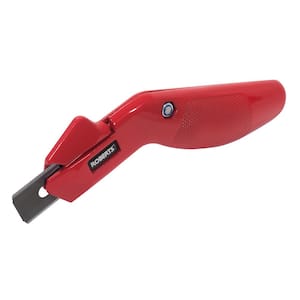
Image Source: images.thdstatic.com
Deciphering the Blade: A Core Distinction
The most significant difference between a carpet knife and a utility knife lies in their blades. This is where the specialization of each tool becomes most apparent.
Carpet Knife Blades: Engineered for Flooring
Carpet knives, often referred to as carpet cutters or flooring knives, are built with specific blade geometries that excel at slicing through dense, fibrous materials like carpet.
Blade Shape and Angle
- Hooked Blade: The hallmark of most carpet knives is their distinctive hooked or curved blade. This shape is not accidental; it’s designed to grab and pull the carpet fibers as you cut. This action prevents the blade from simply pushing the material away, leading to cleaner, more controlled cuts.
- Angled Insertion: The blades are typically inserted at an angle within the knife body. This angle allows the user to keep the blade parallel to the floor surface, even when cutting along edges or seams. This is crucial for precise fitting and preventing accidental damage to the subfloor or existing flooring.
- Thickness and Durability: Carpet blades are often thicker and made from harder steel than standard utility knife blades. This is to withstand the resistance of cutting through multiple layers of carpet backing, padding, and even some types of hard backing.
Specialty Blades for Flooring
Beyond the standard hooked blade, there are specialty blades for flooring applications:
- Double-Edged Blades: Some carpet knives feature double-edged blades, offering a fresh cutting edge with a simple flip. This is useful for continuous cutting or when one edge becomes dulled.
- Scoring Blades: For certain types of resilient flooring like vinyl or linoleum, a scoring blade might be used. These are typically straighter and sharper, designed to cut through the top layer without deeply gouging the material.
- Trapezoid Blades: These are often used in conjunction with specialized carpet cutting machines but can also be found in handheld carpet knives. They offer a robust cutting edge for heavy-duty work.
Utility Knife Blades: General Purpose Precision
Utility knives, on the other hand, are designed for a broad spectrum of cutting tasks, from opening boxes to trimming paper and light-duty craft projects.
Blade Shape and Design
- Straight and Sharp: Utility knife blades are predominantly straight, triangular in shape, and extremely sharp. This design is optimized for making clean, precise cuts on thinner materials.
- Thinner Profile: Compared to carpet blades, utility knife blades are generally thinner. This allows them to pierce and slice through cardboard, plastic, and other common materials with ease.
- Retractable and Replaceable: Most utility knives feature retractable blades, allowing for safe storage. They also readily accept a wide variety of standard replacement blades, making them versatile for different cutting needs.
Utility Knife Limitations for Carpet
While a utility knife can technically cut carpet, it has several limitations:
- Struggle with Thickness: The thin, straight blade can struggle to penetrate and slice through thick carpet piles and dense backing. You might find yourself sawing back and forth, which is less efficient and can lead to uneven cuts.
- Blade Deformation: The constant pressure required to cut thick materials can bend or break the thinner utility knife blades, rendering them ineffective and potentially dangerous.
- Lack of Control: The straight blade and different blade angle make it harder to control the cut along edges, increasing the risk of damaging the surrounding carpet or subfloor.
Flooring Knife Differences: Beyond the Blade
The differences between carpet knives and utility knives extend beyond just the blades to the overall design and functionality of the tool.
Ergonomics and Handle Design
- Carpet Knives: Many carpet knives are designed with a more substantial handle that offers a firm grip, essential when applying significant force. Some models are specifically designed to be used with one hand, while others are meant to be used with two hands for added leverage. The handle often features a thumb rest or textured grip for better control.
- Utility Knives: Utility knives typically have slimmer handles, designed for comfortable handling during lighter tasks. While some offer ergonomic grips, the focus is generally on maneuverability rather than brute force.
Blade Replacement Mechanisms
- Carpet Knives: Blade replacement on carpet knives can vary. Some have a simple screw mechanism, while others might have a spring-loaded release. The blades themselves are often sold in packs and are specifically designed to fit the particular model of carpet knife. This means you might not be able to use blades from a different brand or type of cutter.
- Utility Knives: Utility knives usually feature a quick-release mechanism for blade changes. This often involves a slide or button that allows you to extend, retract, and easily swap out blades. This makes it very convenient to switch to a fresh blade when needed.
Safety Features Carpet Knife
Safety is paramount in any cutting task, and carpet knives often incorporate specific safety features:
- Blade Guards: Some carpet knives come with protective guards that cover the blade when not in use, preventing accidental cuts.
- Ergonomic Grips: As mentioned, well-designed grips help prevent slippage, reducing the chance of the knife accidentally cutting the user.
- Controlled Blade Exposure: The way the blade is exposed in a carpet knife, often at a specific angle, can inherently offer a degree of control that mitigates risk compared to a freely exposed utility knife blade.
Carpet Installation Tools: The Carpet Knife’s Domain
When we talk about carpet installation tools, the carpet knife is a central figure. Its role in preparing and fitting carpet is indispensable.
Precision Cutting for a Perfect Fit
Laying carpet isn’t just about unrolling it. It requires meticulous cutting to ensure a seamless finish and a snug fit against walls, doorways, and stairs.
- Edge Trimming: The hooked blade of a carpet knife allows you to neatly trim excess carpet along walls and baseboards. The angled blade helps you maintain a consistent distance from the wall.
- Seam Cutting: Creating clean, straight seams where two pieces of carpet meet is vital for a professional look. Carpet knives excel at this, allowing for precise cuts that ensure the patterns align perfectly.
- Detail Work: Cutting out around doorways, fireplace hearths, or other architectural features requires intricate maneuvering. The controlled nature of a carpet knife makes these detailed cuts achievable.
Cutting Thick Materials: Beyond Carpet
While its primary function is carpet, a good carpet knife can also handle other tough materials encountered in flooring projects.
- Carpet Padding: Carpet padding, especially the denser foam or rubber varieties, can be as challenging to cut as the carpet itself. The robust design of a carpet knife makes short work of this.
- Underlayment: Various underlayment materials, such as felt, rubber, or synthetic foam, require a powerful and sharp cutting tool.
- Thin Underlayment Boards: Sometimes, a thin fiberboard or composite underlayment is used. A carpet knife can often cut through these, though a dedicated scoring knife might be better for very dense boards.
Rug Knife vs. All-Purpose Knife: A Wider Perspective
When considering a “rug knife,” it generally refers to a specialized tool for cutting rugs, which often aligns closely with the function of a carpet knife, especially for thicker rug materials. An “all-purpose knife” is a broader term that could encompass a utility knife or even a small craft knife, suitable for a multitude of tasks but not optimized for heavy-duty flooring.
When a Rug Knife is Essential
If you’re dealing with thick Oriental rugs, shag carpets, or any rug material that is dense and fibrous, a rug knife (or carpet knife) is your best bet. The hooked blade will make cutting significantly easier and cleaner.
The All-Purpose Knife’s Place
An all-purpose knife, like a standard utility knife, is fantastic for:
- Opening boxes of new flooring or tools.
- Cutting tape and protective coverings.
- Trimming light materials like vinyl sheeting (if you don’t have a specific vinyl cutter).
- General household repairs and DIY projects.
However, relying solely on an all-purpose knife for significant carpet work will likely lead to frustration and subpar results.
Carpet Cutting Techniques: Mastering the Tool
Proper technique is crucial when using any cutting tool, especially when working with materials like carpet.
Gaining Control with Your Carpet Knife
- Lay the Carpet Flat: Always ensure the carpet is laid out flat and taut on the surface you are cutting. This prevents bunching and allows for a cleaner cut.
- Use a Straight Edge: For long, straight cuts, use a metal ruler or a T-square as a guide. Place the guide firmly against the carpet and run your carpet knife along its edge.
- Cutting Along Walls: For cuts along walls, position yourself so you can see the blade clearly. Gently guide the knife, keeping the blade angled slightly towards the wall and parallel to the floor.
- Making Curves: For intricate cuts around corners or obstacles, take your time. Make shallow, controlled cuts, gradually working around the shape. It’s often better to make multiple passes than to try and cut through in one go.
- Blade Sharpness for Carpet: A dull blade is your enemy when cutting carpet. It requires more force, leads to ragged edges, and increases the risk of injury. Always start with a sharp blade and change it as soon as you notice resistance or a loss of cutting efficiency.
Utility Knife for Cutting Thick Materials: A Cautious Approach
If you absolutely must use a utility knife for a thicker material, here are some tips, but proceed with caution:
- Use a Fresh, Sturdy Blade: Opt for a heavier-duty utility blade if available.
- Multiple Passes: You will likely need to make several passes, scoring the material deeper with each cut.
- Push, Don’t Pull: Try to push the blade through the material rather than pulling it. This can sometimes offer more control.
- Protect Yourself: Wear sturdy gloves and eye protection. The risk of the blade slipping is higher.
Key Differences Summarized
To further clarify the distinctions, let’s look at a comparative table:
| Feature | Carpet Knife | Utility Knife |
|---|---|---|
| Primary Purpose | Cutting carpet and thick flooring materials | General-purpose cutting |
| Blade Shape | Hooked, curved, often angled | Straight, triangular |
| Blade Thickness | Thicker, more robust | Thinner |
| Cutting Action | Pulls and slices | Pierces and slices |
| Material Focus | Carpet, padding, thick underlayment | Cardboard, plastic, paper, light materials |
| Control | High precision for flooring edges | High precision for fine detail on thin items |
| Blade Sharpness | Essential for efficient, clean cuts | Crucial for most tasks |
| Ergonomics | Designed for leverage and firm grip | Designed for maneuverability and light handling |
| Safety Features | Often integrated guards, secure grip | Retractable blades are primary safety feature |
When to Choose Which Tool
The choice between a carpet knife and a utility knife is dictated by the task at hand.
Opt for a Carpet Knife When:
- You are cutting actual carpet.
- You need to cut carpet padding or thick underlayment.
- You are trimming carpet along walls or making intricate cuts for installation.
- You require a tool specifically designed for precision in flooring work.
- You are dealing with materials that require significant force to cut cleanly.
Opt for a Utility Knife When:
- You are opening packages or boxes.
- You need to cut paper, cardboard, or thin plastic.
- You are doing light crafting or DIY projects.
- You need a versatile tool for a variety of small, everyday tasks.
- You require a tool for precise, thin material manipulation where a hooked blade would be detrimental.
Frequently Asked Questions (FAQ)
Can I use a utility knife to cut carpet?
Yes, you can use a utility knife to cut carpet, but it is not recommended for anything beyond very light, quick touch-ups on thin, low-pile carpet. For most carpet installation or modification tasks, a utility knife will be inefficient, difficult to control, and can lead to ragged cuts and potentially damage the carpet or your subfloor. Its thin, straight blade is not designed to handle the density and thickness of most carpet materials.
What is the best type of blade for cutting carpet?
The best type of blade for cutting carpet is a hooked blade. These blades are specifically designed with a curve that helps to pull and slice through carpet fibers and backing effectively. They are typically made of hardened steel to maintain sharpness and durability when cutting through thick materials. Many carpet knives use replaceable hooked blades.
Are carpet knives different from utility knives in terms of safety?
While both tools require careful handling, carpet knives often have design features that contribute to their safe use in their intended applications. The angled blade exposure and often more substantial grip on a carpet knife can offer better control during demanding cuts. Utility knives primarily rely on retractable blades for safety during storage and general handling. The inherent design of a carpet knife’s blade, being less exposed and angled for specific cuts, can make it inherently safer when used for its intended purpose.
What are specialty blades for flooring?
Specialty blades for flooring include variations of hooked blades (like double-edged or differently angled versions), trapezoid blades, and sometimes scoring blades. These are designed to optimize cutting for different types of flooring materials, such as various carpet densities, vinyl, linoleum, or underlayment, ensuring cleaner cuts and easier installation.
How is cutting thick materials different with each knife?
Cutting thick materials like carpet or dense underlayment is significantly easier and more effective with a carpet knife. Its thicker, hooked blade is designed to penetrate and slice through these materials with less effort and cleaner results. A utility knife’s thin, straight blade struggles with thick materials, often requiring multiple passes, resulting in tearing or fraying rather than a clean cut, and risks blade breakage or bending.