
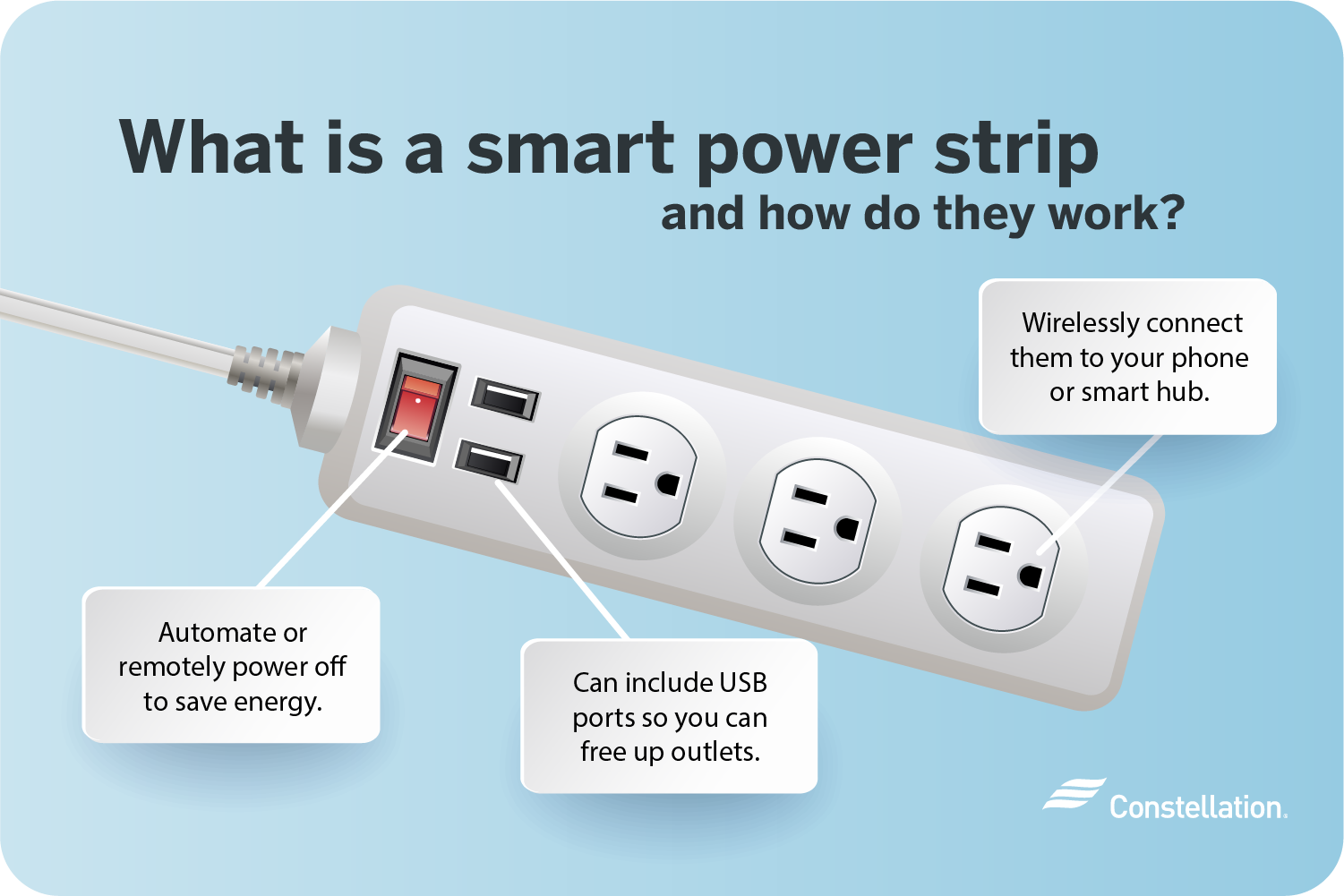
Image Source: blog.constellation.com
Power Strip Lifespan: How Long Do Power Strips Last?
How long do power strips last? The lifespan of a power strip can vary significantly, but typically, they last between 3 to 5 years, with some higher-quality surge protectors potentially lasting up to 10 years if well-maintained. However, many factors influence this, and it’s crucial to know when replacement is necessary for safety and to protect your electronics.
Fathoming the Longevity of Surge Protectors
Your power strip, whether a basic extension cord with multiple outlets or a sophisticated surge protector, is more than just a convenience. It’s a critical component in your home’s electrical system, safeguarding your valuable electronics from damaging power surges and everyday wear and tear. But like all electrical devices, they don’t last forever. Fathoming the true lifespan of power strips involves understanding the materials, usage, and the subtle signs that indicate it’s time for a replacement.
The Inner Workings and Power Strip Durability
The power strip durability hinges on several internal components. At its core, a power strip is a simple distribution system, channeling electricity from a single wall outlet to multiple devices. More advanced surge protectors incorporate specialized components, most notably Metal Oxide Varistors (MOVs). These MOVs act like tiny gates, absorbing excess voltage during a surge and diverting it safely to the ground wire.
Over time, these MOVs degrade. Each surge they absorb, even minor ones, slightly reduces their capacity. This gradual degradation is a key factor in determining the longevity of surge protectors. While a basic power strip without surge protection might fail due to physical damage or worn internal wiring, a surge protector’s life is directly tied to the number and intensity of surges it has managed.
How Often to Replace Power Strips: A Crucial Question
This is a question many users ponder, often only when an issue arises. However, proactively asking how often to replace power strips can prevent electrical hazards and protect your investments. As a general rule of thumb, it’s wise to consider replacing a power strip every 3 to 5 years. This timeframe accounts for typical usage and the gradual wear and tear that affects all electrical components.
For surge protectors specifically, this recommendation is even more critical. The lifespan of power strips with surge protection capabilities is significantly impacted by the number of surge events they have handled. Many manufacturers rate their surge protectors based on joule ratings, which indicate how much energy they can absorb before failing. Once a surge protector has absorbed its rated joules, its protective capabilities are gone, even if it still appears to function.
Signs of a Failing Power Strip: What to Look For
Recognizing the signs of a failing power strip is paramount to preventing electrical fires or damage to your devices. Ignoring these indicators can lead to serious consequences.
Physical Indicators of Wear and Tear
- Discoloration or Scorching: Any brown, black, or melted discoloration on the plastic casing, especially around outlets or the cord, is a serious warning sign. This indicates overheating, likely due to internal damage or an overloaded circuit.
- Cracked or Damaged Casing: If the plastic housing of the power strip is cracked, frayed, or shows signs of melting, it compromises the internal wiring and the protection it offers. This can expose live wires, posing a severe shock or fire hazard.
- Loose or Damaged Plugs: A plug that feels loose in the wall outlet or has bent prongs suggests poor contact and potential overheating. Similarly, a frayed or damaged power cord is a clear indication that the strip should be replaced immediately.
- Loose Outlets: If plugs don’t fit snugly into the outlets on the power strip, or if an outlet feels loose when you plug something in, it signifies internal wear and can lead to intermittent connections or arcing.
Functional Indicators of a Failing Unit
- Intermittent Power: Devices plugged into the power strip may flicker on and off, or require wiggling the plug to get a stable connection. This often points to internal wire fatigue or loose connections within the strip.
- Buzzing or Humming Noises: Any unusual sounds emanating from the power strip are a cause for concern. Buzzing or humming can indicate arcing, faulty components, or a failing surge protector.
- Burning Smell: A distinct burning smell, especially an acrid plastic odor, is an immediate red flag. This signifies significant overheating and a high risk of fire. Turn off the power at the breaker and unplug the strip immediately if you detect this smell.
- Surge Protector Indicator Lights: Many surge protectors have indicator lights that signal their operational status. A light indicating “protected” or “grounded” should be illuminated. If these lights are off or change color (e.g., from green to red), it often means the surge protection has failed, even if the strip still provides power.
The Impact of Power Strip Age and Safety
The power strip age and safety are directly correlated. As power strips age, their components, particularly the MOVs in surge protectors, degrade. This degradation means that while an older power strip might still provide power, its ability to protect your electronics from surges diminishes with each passing year and with every surge it encounters.
Consider the lifespan of power strips like the lifespan of tires on a car. Over time, the tread wears down, reducing their effectiveness and safety. Similarly, the protective components in a surge protector wear out.
When to Get a New Power Strip: A Proactive Approach
Deciding when to get a new power strip shouldn’t be a reactive decision, driven by a device failure or an alarming smell. A proactive approach is far safer and more effective.
- Exceeding the 3-5 Year Mark: As a general guideline, if your power strip is approaching or has passed the 3-5 year mark, it’s a good time to consider replacement, especially if it’s a surge protector.
- Indicator Light Failure: If your surge protector’s indicator lights show that protection is no longer active, replace it immediately. The primary purpose of these lights is to inform you when the protective circuitry has exhausted itself.
- Visible Damage: Any of the physical signs of wear and tear mentioned earlier—discoloration, cracks, frayed cords—are definitive reasons to replace the power strip without delay.
- After a Major Power Surge: If your area experienced a significant lightning strike or a major power surge that you suspect affected your home, even if no immediate damage is apparent, it’s prudent to inspect and potentially replace your power strips. The surge may have degraded their internal components without causing visible damage.
- Uncertainty About Age: If you’ve inherited a power strip or can’t recall when you purchased it, and it shows no obvious signs of damage, consider replacing it simply for peace of mind. The cost of a new power strip is negligible compared to the cost of replacing damaged electronics or dealing with a fire.
Power Strip Wear and Tear: What Happens Inside
Power strip wear and tear is an ongoing process, often invisible to the naked eye. Internally, several things can go wrong:
- MOV Degradation: As mentioned, the MOVs in surge protectors are sacrificial components. They absorb excess voltage by allowing current to flow to ground. This process heats them up and causes them to degrade. Over time, they become less effective, and eventually, they burn out.
- Internal Wiring Fatigue: The copper wiring inside power strips can become fatigued over time due to repeated flexing of the cord, heat cycles, and the stress of carrying electrical current. This fatigue can lead to increased resistance, overheating, and eventually, breaks in the connection.
- Contact Wear: The metal contacts within the outlets can wear down from repeated insertion and removal of plugs. This wear can lead to poor electrical contact, intermittent power, and increased resistance, which can cause overheating.
- Strain Relief Failure: The points where the cord enters the power strip housing are typically reinforced with strain relief. If this strain relief fails, the cord can be pulled directly against the internal wiring, potentially causing it to fray or break, leading to a short circuit or shock hazard.
Lifespan of Power Strips: Key Factors Influencing Longevity
The lifespan of power strips is not a fixed number. Several factors contribute to how long a particular power strip will remain functional and safe:
| Factor | Impact on Lifespan |
|---|---|
| Quality of Components | Higher-quality materials and manufacturing standards lead to greater power strip durability. Cheaper, unbranded strips often use inferior components that degrade faster. |
| Surge Protection Level | Higher joule ratings indicate a greater capacity to absorb surges, potentially extending the longevity of surge protectors. However, even high-joule protectors will eventually fail after absorbing enough energy. |
| Frequency of Surges | Homes in areas prone to electrical storms or with unstable power grids will subject their power strips to more frequent surges, shortening their effective lifespan of power strips. |
| Load Capacity | Overloading a power strip by plugging in too many high-wattage devices can cause it to overheat, accelerating wear and tear and reducing its power strip durability. Always check the strip’s wattage rating. |
| Physical Environment | Extreme temperatures, high humidity, dust accumulation, and exposure to chemicals can all degrade the internal components and casing, impacting power strip durability. |
| Usage Habits | Frequent plugging and unplugging of devices, rough handling, or kinking the cord can contribute to power strip wear and tear, shortening its lifespan. |
Power Strip Lifespan Indicators: Beyond the Obvious
While physical damage and indicator lights are the most obvious power strip lifespan indicators, there are subtler clues:
- Hot to the Touch: A power strip that feels unusually warm or hot, even when only a few devices are plugged in, is a strong indicator of internal resistance or component failure.
- Loose Plugs: As mentioned, plugs that don’t grip firmly in the power strip outlets suggest worn contacts, reducing efficiency and increasing the risk of overheating.
- Reduced Efficiency: If devices plugged into the power strip seem to operate sluggishly or not at their full potential, it could be a sign of poor electrical conductivity within the strip due to wear.
Replacing Old Power Strips: A Smart Investment
Replacing old power strips is not just about safety; it’s also a smart investment in the longevity of your electronics. A worn-out power strip, especially one whose surge protection has failed, offers no defense against power fluctuations. This can lead to corrupted data, damaged internal components, and premature failure of your computers, TVs, and other sensitive equipment.
When you replace old power strips, opt for reputable brands known for their quality and safety features. Look for:
- UL Listing or Similar Certification: This indicates the product has been tested and meets safety standards.
- Adequate Joule Rating: For surge protectors, choose a rating appropriate for the devices you’re protecting. Higher joule ratings offer more protection.
- Appropriate Outlet Spacing: Ensure the strip can accommodate your device’s power bricks.
- Indicator Lights: Confirm that it has functional lights to show surge protection and grounding status.
How to Extend the Lifespan of Your Power Strips
While you can’t stop the natural degradation process, you can take steps to maximize the power strip durability and lifespan of power strips:
- Avoid Overloading: Never exceed the power strip’s stated wattage or amperage capacity. Use high-wattage devices (like space heaters, microwaves, or hair dryers) directly in wall outlets whenever possible.
- Proper Cord Management: Avoid coiling the cord tightly, kinking it, or running it under heavy furniture or carpets where it can be damaged or overheat. Ensure good airflow around the power strip.
- Keep it Clean: Dust and debris can accumulate in outlets, increasing resistance and the risk of overheating. Periodically unplug the strip and gently clean the outlets with compressed air.
- Protect from the Environment: Keep power strips away from moisture, extreme temperatures, and direct sunlight.
- Use Surge Protectors for Sensitive Electronics: For valuable or sensitive electronics, always use a dedicated surge protector. Don’t rely on basic power strips for protection.
Frequently Asked Questions (FAQ)
Q1: Can I use a power strip with a damaged cord?
A1: Absolutely not. A damaged cord is a severe safety hazard, posing risks of electric shock and fire. Replace the power strip immediately if the cord is frayed, cut, or damaged in any way.
Q2: How do I know if my surge protector is still working?
A2: Most surge protectors have indicator lights. A light labeled “Protected” or “Surge Protection” should be illuminated. If this light is off or shows a different color (often red), the surge protection has likely failed, and you need to replace the unit.
Q3: What is the difference between a power strip and a surge protector?
A3: A basic power strip simply provides multiple outlets from a single wall socket. A surge protector includes additional components (like MOVs) that absorb excess voltage and protect connected devices from power surges. All surge protectors are power strips, but not all power strips are surge protectors.
Q4: My power strip is old but seems to work fine. Do I really need to replace it?
A4: While it might still provide power, its protective capabilities have likely degraded. For safety and to protect your electronics, it’s generally recommended to replace power strips, especially surge protectors, every 3-5 years, or sooner if you notice any signs of wear or damage.
Q5: Can a power strip cause a fire?
A5: Yes, a damaged, overloaded, or malfunctioning power strip can overheat and cause a fire. This is why it’s crucial to pay attention to the signs of a failing power strip and to practice safe usage.
Q6: What does a joule rating mean on a surge protector?
A6: The joule rating indicates how much energy the surge protector can absorb before its protective components fail. A higher joule rating generally means it can handle more or larger surges over its lifetime, contributing to its longevity of surge protectors.
Q7: How long do basic power strips (without surge protection) typically last?
A7: Basic power strips, without the sophisticated surge-absorbing components, are primarily limited by the physical integrity of their wiring and outlets. With careful use, they might last longer than surge protectors, but physical wear and tear remain the primary failure points. Still, replacing them every 5-7 years or sooner if damaged is a good practice.
By paying attention to these guidelines and recognizing the subtle yet critical power strip lifespan indicators, you can ensure both the safety of your home and the longevity of your electronic devices.