
You can safely use an extension cord of varying lengths, but the maximum extension cord length you can use safely depends primarily on its gauge (wire thickness) and the amount of electrical load it will carry. Using an extension cord that is too long for its gauge, or too long for the load, can lead to overheating, fire hazards, and reduced power delivery to your appliances.
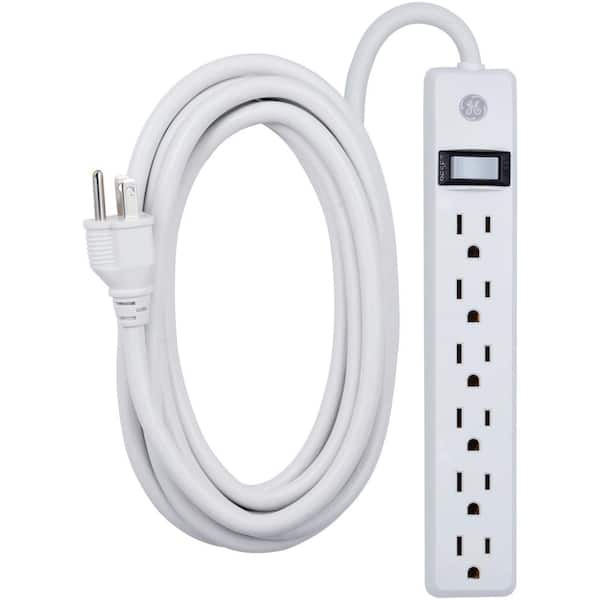
Image Source: images.thdstatic.com
Determining the Safe Length for Your Extension Cord
When you need to power devices beyond the reach of your wall outlets, an extension cord is your go-to solution. However, not all extension cords are created equal, and using the wrong one can be dangerous. This guide will help you understand the factors involved in determining the safe extension cord length for your needs. We’ll explore how extension cord gauge and length interact, the concept of extension cord voltage drop, and how to avoid potential hazards.
The Crucial Role of Wire Gauge
The “gauge” of an extension cord refers to the thickness of its wires. This is measured using the American Wire Gauge (AWG) system. A lower AWG number indicates a thicker wire, and a thicker wire can carry more electrical current (amperage) without overheating.
-
Why Gauge Matters: Thicker wires have less resistance to the flow of electricity. When electricity flows through a wire, it generates heat due to this resistance. A thinner wire has higher resistance, meaning it generates more heat for the same amount of current. This heat can melt the insulation and potentially start a fire.
-
Common Gauges and Their Uses:
- 10-gauge: Heavy-duty, suitable for high-power tools like circular saws, shop vacuums, and electric heaters.
- 12-gauge: Medium-duty, good for power tools, lawn equipment, and some kitchen appliances.
- 14-gauge: Light-duty, best for indoor use with low-power devices like lamps, radios, and small electronics.
- 16-gauge: Very light-duty, typically for indoor decorative lighting or very low-power items.
The Impact of Extension Cord Length
The length of an extension cord is as critical as its gauge. As extension cord length increases, so does the resistance of the wire. This means that a longer cord, even if it’s the same gauge as a shorter one, will have higher resistance.
-
Resistance and Length: Think of a water hose. A longer hose creates more friction and makes it harder for water to flow. Similarly, longer electrical cords create more resistance for electricity.
-
Combined Effect: The impact of extension cord length on heat generation is cumulative. A long cord made of thin wire is a recipe for disaster, especially when powering demanding appliances.
Voltage Drop: The Silent Danger
As electricity travels through an extension cord, some of its energy is lost due to resistance. This loss of electrical pressure is called voltage drop.
-
What is Voltage Drop? Voltage is the “push” that drives electricity. When voltage drops significantly, the appliance connected to the cord receives less power than it needs.
-
Consequences of Voltage Drop:
- Reduced Appliance Performance: Motors might run slower, lights might dim, and heating elements might not get as hot.
- Overheating: Ironically, while the appliance receives less power, the increased current needed to compensate for the voltage drop can still cause the extension cord itself to overheat.
- Damage to Appliances: Prolonged use with insufficient voltage can damage sensitive electronic components and motors.
-
Factors Influencing Voltage Drop:
- Cord Length: Longer cords lead to greater voltage drop.
- Wire Gauge: Thinner wires (higher AWG numbers) result in more voltage drop.
- Amperage (Load): The more current drawn by the connected device, the greater the voltage drop.
Safe Extension Cord Length: Finding the Balance
There isn’t a single maximum extension cord length that applies to all situations. You need to consider the extension cord voltage drop in relation to the device you’re powering. Generally, a voltage drop of more than 5% is considered unacceptable.
Maximum Extension Cord Length by Gauge and Load
To help you make informed decisions, here’s a general guideline for the maximum extension cord length you can safely use based on gauge and common loads. These are approximate values, and it’s always best to err on the side of caution.
Table 1: General Extension Cord Length Guidelines (Approximate)
| AWG Gauge | Max Amperage (Continuous Use) | Max Recommended Length (at 10 Amps) | Max Recommended Length (at 15 Amps) | Max Recommended Length (at 20 Amps) | Suitable Load Examples |
|---|---|---|---|---|---|
| 18 | 7 | 25 feet | Not Recommended | Not Recommended | Lamps, radios, clocks, small fans |
| 16 | 10 | 50 feet | 25 feet | Not Recommended | Small power tools, string lights, small appliances |
| 14 | 13 | 100 feet | 50 feet | 25 feet | Power tools, leaf blowers, small heaters, kitchen mixers |
| 12 | 17 | 100+ feet | 100 feet | 50 feet | Heavy-duty power tools, circular saws, shop vacs |
| 10 | 25 | 100+ feet | 100+ feet | 100 feet | Large generators, high-power tools, air conditioners |
Important Considerations for the Table:
- Continuous Use: The amperage ratings are often for continuous use. If you’re only using the cord for short bursts, you might be able to push the limits slightly, but this is risky.
- Amperage of the Device: Always check the amperage (or wattage, from which amperage can be calculated) of the device you intend to plug in.
- Combined Load: If you’re plugging multiple devices into a power strip connected to an extension cord, you must add up their total amperage.
- Indoor vs. Outdoor: Outdoor extension cords are typically heavier-duty and have specific safety ratings (e.g., “W” for weatherproof). Ensure your cord is rated for the environment where you’ll use it.
Calculating Extension Cord Length and Voltage Drop
For precise determining extension cord length and managing extension cord voltage drop, you can use formulas.
Calculating Amperage from Wattage
Many appliances list their power consumption in watts (W) rather than amps (A). You can convert watts to amps using Ohm’s Law (Power = Voltage × Current):
Amps = Watts / Volts
For example, if a heater uses 1200 watts and you’re on a 120-volt system:
Amps = 1200 W / 120 V = 10 Amps
Calculating Voltage Drop
The formula for voltage drop in a wire is:
Voltage Drop = (2 × Length × Current × Resistance per Unit Length) / 1000
- Length: The total length of the extension cord in feet.
- Current (I): The amperage drawn by the appliance.
- Resistance per Unit Length: This depends on the wire gauge and material (copper is most common). You can find resistance values (often in ohms per 1000 feet) in electrical charts.
A simpler way to approach this is using online extension cord wire gauge calculator tools. These calculators take your required length, amperage, and desired voltage drop percentage, and recommend the appropriate gauge.
Example Calculation:
Let’s say you need to power a tool that draws 12 amps, and you need a 75-foot extension cord. You want to keep voltage drop below 5% (which is 6 volts on a 120V system).
Using an extension cord wire gauge calculator, you would input:
* Length: 75 feet
* Amperage: 12 amps
* Desired Voltage Drop: 5% (or 6 volts)
The calculator would likely recommend a 12-gauge cord. If you used a 14-gauge cord for this task over 75 feet, the extension cord voltage drop would likely exceed safe limits, leading to poor tool performance and potential overheating.
When to Avoid Extension Cords Altogether
While incredibly useful, extension cords aren’t meant to be permanent wiring solutions.
- Permanent Wiring: If you frequently need power in a certain area, it’s safer and more efficient to have a dedicated electrical circuit installed by a qualified electrician.
- Daisy-Chaining: Never connect multiple extension cords together. This significantly increases resistance, voltage drop, and the risk of overheating. Each connection point is a potential failure point.
- Overloading: Do not exceed the maximum amperage or wattage rating of the extension cord, regardless of its length.
- Damaged Cords: Never use an extension cord that is frayed, cut, has damaged insulation, or has a damaged plug.
Choosing the Right Cord for the Job
When selecting an extension cord, consider these points:
Key Features to Look For
- Gauge (AWG): Match the gauge to the amperage of your device and the required length.
- Length: Buy only the length you need. Excess cord can be a tripping hazard and increase resistance unnecessarily.
- Number of Outlets: Some cords have multiple outlets, but ensure the total load doesn’t exceed the cord’s rating.
- Plug Type: Ensure the plug matches your device and the outlet. Heavy-duty tools often use specific locking plugs.
- Indoor/Outdoor Rating: Use outdoor-rated cords for any use outside the home. They are built to withstand moisture and temperature changes.
- UL or ETL Listed: Look for a certification mark from a recognized testing laboratory like Underwriters Laboratories (UL) or Intertek (ETL). This indicates the cord has met safety standards.
Extension Cord Distance and Load: A Practical Approach
When you’re out shopping or planning your power needs, always think about extension cord distance and load together.
- Small Jobs (Indoor, Low Power): For a lamp or a fan in another room, a 16-gauge cord, 25-50 feet long, is usually sufficient.
- Medium Jobs (Outdoor, Moderate Power): For a lawn mower or a power washer, a 14-gauge or 12-gauge cord, 50-100 feet long, is more appropriate.
- Heavy Jobs (Workshop, High Power): For heavy-duty tools like table saws or electric welders, you’ll need a thick 10-gauge or 12-gauge cord, often shorter (e.g., 25-50 feet) to minimize extension cord voltage drop and ensure adequate power delivery.
Safety Tips for Using Extension Cords
Adhering to safety practices will prevent accidents and ensure the longevity of your equipment.
Safe Usage Practices
- Inspect Before Use: Always check for damage before plugging in.
- Keep Away from Water: Avoid using extension cords in wet conditions unless they are specifically rated for outdoor use.
- Don’t Cover Them: Never run extension cords under carpets, rugs, or furniture where they can be damaged or overheat undetected.
- Unplug When Not in Use: Disconnect extension cords when they are not actively powering a device.
- Use the Correct Cord for the Job: This is the most crucial rule. Don’t try to power a high-draw appliance with a light-duty cord.
- Avoid Extension Cords for High-Wattage Appliances: Appliances like refrigerators, air conditioners, and space heaters are best plugged directly into wall outlets. If an extension cord is absolutely necessary for a temporary situation, ensure it’s a heavy-duty cord specifically rated for that appliance’s wattage and designed for continuous use.
Frequently Asked Questions (FAQ)
Q1: Can I use any extension cord for outdoor use?
No, you must use extension cords specifically rated for outdoor use. They are designed to withstand moisture, temperature fluctuations, and physical wear and tear better than indoor cords. Look for markings like “W” for weatherproof or “outdoor use.”
Q2: What happens if I use a cord that’s too long for its gauge?
If you use a cord that is too long for its gauge, or if the gauge is too small for the load, you will experience significant voltage drop. This means less power reaches your appliance, potentially causing it to perform poorly or even be damaged. More importantly, the increased resistance in the cord can cause it to overheat, creating a fire hazard.
Q3: How do I calculate the amperage of my appliance if it only lists wattage?
You can calculate amperage by dividing the wattage by the voltage of your electrical system. The formula is: Amps = Watts / Volts. In most homes, the voltage is 120V. For example, a 1200-watt appliance on a 120-volt system draws 10 amps (1200 / 120 = 10).
Q4: Is it safe to plug multiple devices into a single extension cord?
It can be safe, but only if the total amperage (or wattage) of all the connected devices does not exceed the extension cord’s maximum rating. Overloading the cord is a serious fire risk. Always check the cord’s rating and the requirements of your devices.
Q5: What is the shortest safe extension cord length?
There isn’t a minimum safe length, but the shorter the cord, the less resistance and voltage drop you’ll typically experience, assuming the gauge is appropriate for the load. The key is to use a cord with the correct gauge for the length and the load.
By carefully considering the gauge, length, and the electrical needs of your appliances, you can ensure you’re using extension cords safely and effectively. When in doubt, always choose a heavier gauge and a shorter length than you think you might need.