
Yes, you can clean a hammered copper sink using mild soap and water, and a soft cloth. The best way to clean a copper sink is with gentle, non-abrasive methods to preserve its natural beauty and patina.
Hammered copper sinks are more than just a place to wash dishes; they are stunning focal points that add warmth, character, and a touch of old-world charm to any kitchen or bathroom. Their unique texture and rich, evolving patina are part of their appeal. However, maintaining that beauty requires the right approach. This guide will walk you through how to clean a hammered copper sink, offer essential care tips, and help you keep your sink looking its best for years to come.
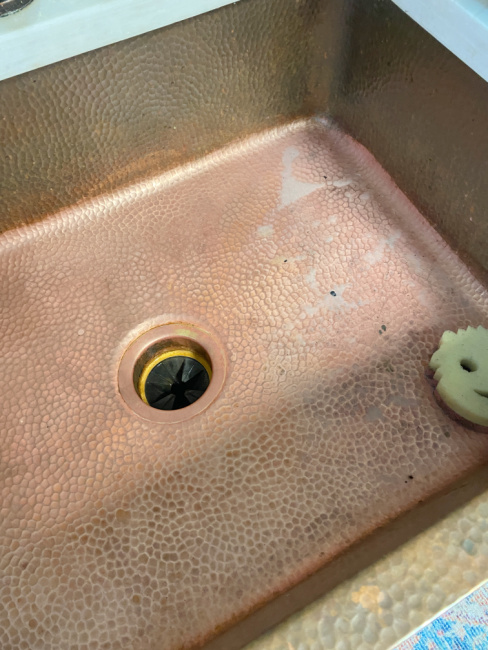
Image Source: www.shopatblu.com
The Allure of Hammered Copper
Before we dive into cleaning, let’s appreciate what makes hammered copper sinks so special. The hammering process creates a distinctive texture, catching light and adding visual depth. Copper itself is a living material, meaning it develops a patina over time – a natural oxidation that ranges from warm browns to rich blues and greens. This evolving surface is what many people adore, but it also means that harsh cleaning can disrupt this natural process.
What You’ll Need for Hammered Copper Sink Cleaning
Gathering the right supplies is the first step to successful hammered copper sink cleaning. You don’t need fancy or specialized products.
- Mild Dish Soap: A pH-neutral dish soap is ideal.
- Soft Cloths: Microfiber cloths are excellent for cleaning and drying. Avoid abrasive sponges or steel wool.
- Baking Soda (Optional, for tougher spots): Use sparingly and with a gentle touch.
- Lemon Juice or Vinegar (For stubborn water spots, use with caution): These acidic solutions can remove tarnish but may also strip the patina if left on too long.
- Soft Brush (Old Toothbrush): Useful for getting into crevices and around drains.
- Protective Gloves: To keep your hands comfortable.
The Gentle Approach: Daily Cleaning
Daily cleaning is the cornerstone of effective copper sink maintenance. A consistent, gentle routine will prevent grime buildup and keep your sink looking vibrant.
Daily Cleaning Steps:
- Rinse Thoroughly: After each use, rinse the sink with warm water to wash away food particles and soap residue.
- Gentle Wash: Apply a small amount of mild dish soap to a damp, soft cloth.
- Wipe Down: Gently wipe the entire surface of the sink, including the sides and rim. Pay attention to the hammered texture, ensuring you clean all crevices.
- Rinse Again: Rinse the sink thoroughly with warm water to remove all soap residue.
- Dry Completely: This is a crucial step! Use a clean, dry microfiber cloth to dry the sink completely. This prevents water spots and helps maintain the sink’s natural luster.
Why Drying is Important: Leaving water to air dry can lead to mineral deposits, which appear as water spots. These spots can disrupt the evenness of the patina and detract from the sink’s appearance.
Tackling Tougher Cleaning Challenges
While daily care is straightforward, sometimes your hammered copper sink might require a bit more attention. Here’s how to handle common issues like stains and water spots.
Removing Water Spots Copper Sink:
Water spots are a common concern, especially in areas with hard water.
- Initial Attempt: First, try the daily drying method. If spots persist, proceed with caution.
- Mild Soap and Water: Often, a thorough wash with mild dish soap and vigorous drying can remove recent water spots.
- Baking Soda Paste: For more stubborn spots, make a paste of baking soda and water. Apply it gently with a soft cloth, rubbing in the direction of the hammer marks. Rinse thoroughly and dry immediately. Be aware that baking soda can slightly alter the patina, so use it only on the affected areas and rinse quickly.
- Lemon Juice or Vinegar (Last Resort): For very stubborn water spots, you can try a diluted solution of lemon juice or white vinegar. Apply it with a soft cloth, rub gently on the spot, and rinse immediately and thoroughly with water. Crucially, do not let these acidic solutions sit on the copper. Their acidity can strip away the patina, creating lighter spots. Always test on an inconspicuous area first.
Dealing with Stains:
Most stains on copper sinks are typically from food or hard water.
- Mild Soap and Water: Again, start with the gentlest method.
- Baking Soda: For food stains, a paste of baking soda and water can be effective. Apply, let sit for a few minutes (no more than 5-10), gently rub, rinse, and dry.
- Preventing Stains: The best way to deal with stains is to prevent them by rinsing and drying your sink regularly.
Natural Copper Sink Cleaner Options
Many homeowners prefer to use natural cleaning agents for their copper sinks. These methods are often gentler and avoid harsh chemicals.
Using Baking Soda:
Baking soda is a mild abrasive and deodorizer.
- Paste: Mix baking soda with a little water to form a paste. Apply with a soft cloth, rub gently, rinse thoroughly, and dry.
- Sprinkle: For general cleaning and deodorizing, you can sprinkle baking soda into a damp sink, scrub gently with a soft brush or cloth, rinse, and dry.
Using Lemon or Lime:
The natural acids in citrus fruits can help remove tarnish and water spots.
- Cut Citrus: Cut a lemon or lime in half. Dip the cut side into baking soda (for a little abrasion) or use it plain. Rub the cut surface over the stained or spotted areas.
- Rinse and Dry Immediately: This is essential. Do not let the citrus juice sit on the copper. Rinse the sink thoroughly with water and dry it completely with a soft cloth.
Polishing Hammered Copper: Preserving the Patina vs. Restoring Shine
This is where opinions often diverge. Some people love the natural, evolving patina of copper, while others prefer a brighter, shinier look.
Preserving the Patina:
If you cherish the natural patina, avoid polishing products designed to remove tarnish and restore shine. Your daily cleaning routine and occasional gentle washing are all you need. The goal here is to clean without disrupting the color development.
Restoring Shine (Use Sparingly):
If you desire a brighter, shinier finish, you’ll need to use a copper polish.
- Choose the Right Polish: Look for polishes specifically designed for copper or brass. Avoid abrasive metal polishes.
- Application: Apply a small amount of polish to a soft cloth.
- Rubbing: Rub the polish onto the copper surface, following the direction of the hammer marks.
- Buffing: Use a clean, soft cloth to buff the surface until you achieve the desired shine.
- Rinse and Dry: After polishing, rinse the sink thoroughly with water to remove any polish residue and dry it completely.
Important Note: Polishing will remove the existing patina. If you polish your sink, it will begin to develop a new patina over time, but it will take time to re-establish the rich colors. For a hammered copper sink, many find the beauty lies in its natural, unpolished state.
Copper Sink Maintenance: Long-Term Care and Prevention
Consistent, proper maintenance is key to ensuring your hammered copper sink remains a beautiful and functional part of your home.
Preventing Copper Sink Tarnish:
Tarnish is the natural oxidation of copper. While some welcome it, others prefer to minimize it.
- Regular Drying: As mentioned repeatedly, drying the sink after each use is the most effective way to prevent water spots and control the rate at which a uniform patina develops.
- Avoid Harsh Chemicals: Never use abrasive cleaners, scouring pads, steel wool, or harsh chemicals like bleach or ammonia. These can scratch the surface, strip the patina, and cause uneven discoloration.
- Acidic Foods: While copper is durable, prolonged contact with highly acidic foods (like tomato sauce, citrus juice, or ketchup) can cause temporary discoloration or etching. Rinse these away promptly.
Sealing Copper Sink (Debate and Considerations):
The question of whether to seal a copper sink is common. Many copper sinks, especially those designed for kitchens and bathrooms, are sold with a pre-applied wax or lacquer coating.
- Sealed Sinks: If your sink is sealed, the sealant protects the copper from oxidation and staining. Cleaning is straightforward: mild soap and water, and gentle drying. Avoid abrasive cleaners, as they can damage the sealant. If the sealant wears off, it can be reapplied.
- Unsealed Sinks: Unsealed copper sinks are designed to develop a natural patina. There is no sealant to maintain. Your cleaning routine focuses on managing the patina and keeping the sink clean without interfering with its natural aging process.
- Re-sealing: If your previously sealed sink’s sealant has worn off and you wish to re-seal it, you can purchase specialized copper sealants or natural waxes. Apply them according to the product instructions. This will prevent further patina development and maintain a more uniform color.
Copper Sink Care Tips Summary:
Here’s a quick recap of essential copper sink care tips:
- Gentle Cleaning: Always use mild soap and a soft cloth.
- Dry Thoroughly: Prevent water spots and maintain even patina.
- Avoid Abrasives: No steel wool, harsh sponges, or abrasive cleaners.
- Rinse Promptly: Clean up acidic foods and residues.
- Polish with Caution: If you choose to polish, understand it removes patina.
- Regular Maintenance: Consistent care prevents major issues.
Can I Use Copper Cookware Cleaners on My Sink?
This is a common query, especially if you have copper cookware. While some cleaners might seem similar, it’s generally best to stick to products designed for sinks or mild, general-purpose cleaners.
- Copper Cookware Cleaners: These are often formulated to restore a bright, polished finish to copper cookware, which is usually desired. They can be quite aggressive in removing tarnish and may strip the patina from your sink far more quickly than you intend.
- Sink-Specific Products: If a product is labeled for sink cleaning or general household use with a “safe for all surfaces” claim, it’s usually a safer bet.
- Test First: If you are considering using a copper cookware cleaner on an inconspicuous area of your sink, do so with extreme caution and rinse immediately.
The goal with sink cleaning is usually to preserve or gently manage the patina, not necessarily to achieve a mirror-like shine, which is often the aim with cookware.
Hammered Copper Sink Cleaning: A Comparative Table
To further illustrate the best practices, consider this table comparing different cleaning approaches.
| Cleaning Task | Recommended Method | What to Avoid | Outcome |
|---|---|---|---|
| Daily Wipe Down | Mild dish soap, warm water, soft cloth, thorough drying | Abrasive cleaners, leaving wet | Maintains cleanliness, prevents water spots, supports even patina |
| Light Water Spots | Thorough drying, mild soap and water | Harsh scrubbing, acidic solutions without immediate rinsing | Removes minor spots, preserves patina |
| Stubborn Water Spots | Baking soda paste (gentle scrub), immediate rinse and dry | Leaving acidic solutions on, aggressive scrubbing | Can remove spots but may slightly alter patina; requires careful rinsing |
| General Cleaning | Mild dish soap, warm water, soft brush/cloth | Bleach, ammonia, abrasive pads | Keeps sink clean and hygienic, preserves natural appearance |
| Removing Stains | Baking soda paste (gentle), immediate rinse and dry | Harsh chemicals, prolonged contact with staining agents | Removes stains, may slightly affect patina depending on duration and method |
| Polishing (to shine) | Copper-specific polish, soft cloth, buffing | Any general metal polish, excessive polishing, abrasive pads | Removes patina, restores bright shine, requires re-patination over time |
| Natural Cleaner | Baking soda paste, lemon/lime (quick rinse and dry) | Leaving acidic substances on for extended periods | Gentle cleaning, potential for minor patina alteration, eco-friendly |
The Long-Term Relationship: Fostering Longevity for Your Hammered Copper Sink
Your hammered copper sink is an investment that, with proper care, will reward you for decades. Building good habits now will ensure its beauty continues to enhance your home.
Understanding the Patina Process:
The patina on a copper sink is a natural, protective layer. It forms as the copper reacts with air, moisture, and certain substances. The color changes are a sign of its character and age. Embracing this evolution is part of the charm of owning a copper sink.
When to Seek Professional Help:
For most cleaning needs, you can manage your hammered copper sink yourself. However, if you encounter deep scratches, significant damage, or are unsure about a particular stain or cleaning product, it’s always wise to consult with a professional who specializes in metal restoration or finishes. They can offer expert advice tailored to your specific sink.
Frequently Asked Questions (FAQ)
Here are some common questions about cleaning and caring for hammered copper sinks:
Q1: Can I use bleach on my hammered copper sink?
A1: No, absolutely not. Bleach is a harsh chemical that can damage the copper’s surface and its patina, leading to discoloration and potentially pitting.
Q2: Is it okay to leave dishes in the copper sink overnight?
A2: It’s best to avoid leaving dishes, especially those with acidic residues or metal, in the sink for extended periods. Rinse and dry your sink after use to prevent prolonged contact with moisture and potential staining or patina alteration.
Q3: My hammered copper sink is developing dark spots. Is this normal?
A3: Yes, dark spots are often a normal part of the patination process. They can also be caused by prolonged contact with certain substances or uneven cleaning. Gentle cleaning and drying usually help to even out the patina over time. If you dislike these spots, you may need to polish the sink to remove them, but be aware this will also remove the patina.
Q4: Can I use my copper sink in a commercial kitchen?
A4: While copper sinks are durable, the intensity of a commercial kitchen environment with frequent exposure to harsh cleaning agents and abrasive scrubbing might be too much for their natural patina. For commercial settings, stainless steel is often a more practical choice. However, for high-end restaurants or specialized culinary environments, a copper sink might be chosen for its aesthetic appeal, requiring very strict cleaning protocols.
Q5: How often should I polish my hammered copper sink?
A5: You only need to polish your hammered copper sink if you wish to restore its bright, shiny appearance and remove the existing patina. Many owners prefer to let their sinks develop their natural patina over time. If you do choose to polish, you’ll need to do it whenever you want to restore that shine, as the patina will naturally return.
Q6: What is the best way to clean a copper sink that has a wax coating?
A6: If your copper sink has a wax coating, clean it gently with mild dish soap and warm water. Use a soft cloth and avoid abrasive cleaners, as these can remove the wax. Dry thoroughly after each use. You may need to reapply the wax periodically to maintain its protective properties.
By following these guidelines, you can ensure your hammered copper sink remains a source of beauty and pride in your home for many years to come. Enjoy the evolving character of this timeless material!