
Yes, cleaning your Stihl chainsaw regularly is essential for its optimal performance and longevity. A clean chainsaw cuts better and lasts longer. This comprehensive Stihl chainsaw cleaning guide will walk you through the simple steps for a thorough clean, ensuring your tool is always ready for action. We’ll cover everything from basic tidying to a full Stihl chainsaw deep clean.
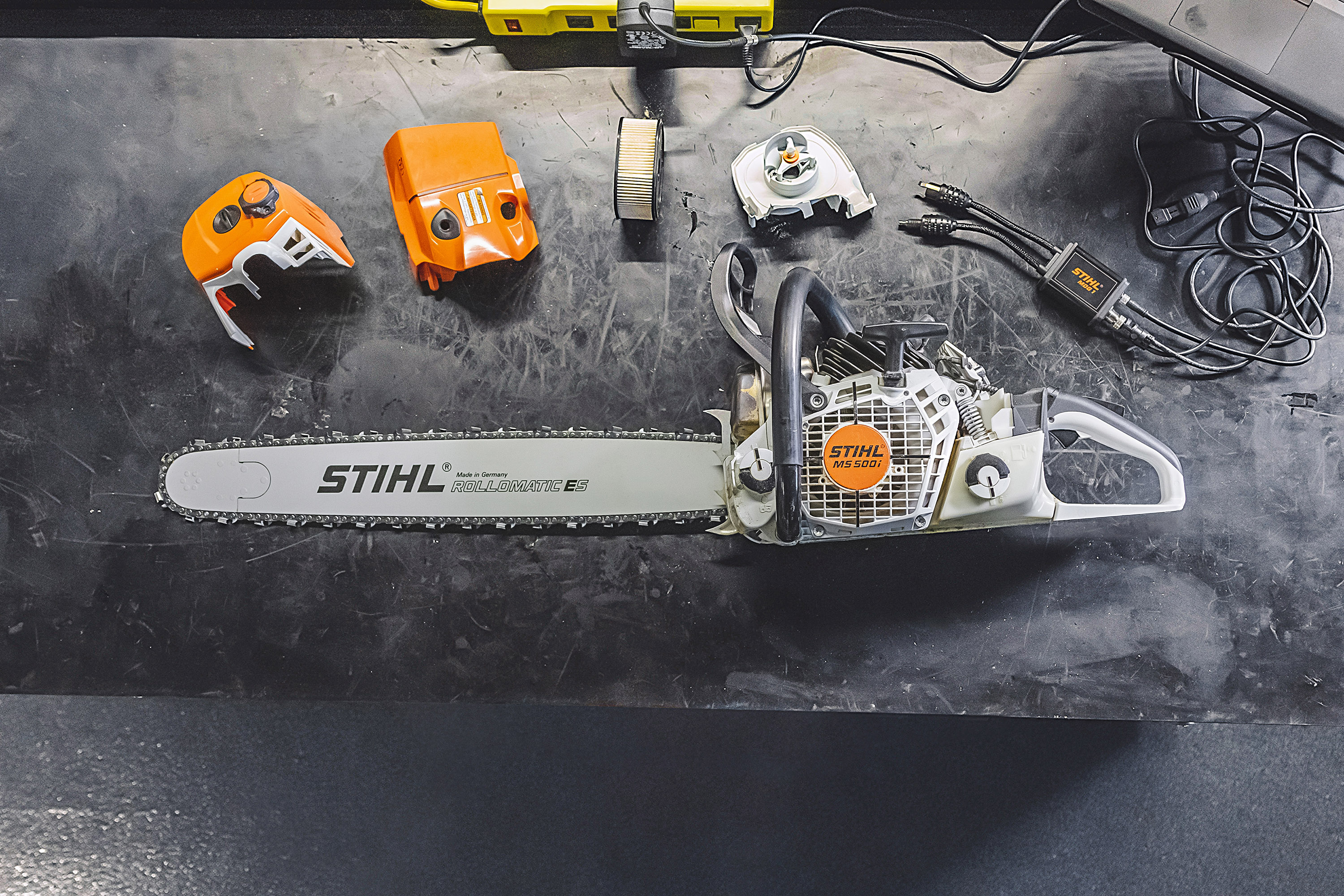
Image Source: cdnassets.stihlusa.com
Why Regular Cleaning Matters for Your Stihl Chainsaw
Your Stihl chainsaw is a powerful tool that works hard, often in dusty, dirty environments. Sawdust, wood chips, oil, and fuel residue can build up on various parts, hindering its efficiency and potentially causing damage. Neglecting cleaning can lead to a variety of problems, including:
- Reduced Cutting Performance: A dirty chain and bar can’t cut wood as effectively.
- Overheating: Blocked cooling fins can cause the engine to overheat.
- Clogged Filters: Air and fuel filters clogged with debris will starve the engine of the air and fuel it needs.
- Corrosion: Moisture trapped by dirt and debris can lead to rust on metal parts.
- Premature Wear: Dirt and grit acting as abrasives can wear down engine components and the chain.
- Starting Difficulties: A dirty carburetor or fuel system can make starting your chainsaw a struggle.
A consistent cleaning routine is a cornerstone of proper Stihl chainsaw maintenance. It’s not just about appearances; it’s about preserving the integrity and functionality of your investment.
Essential Tools for Cleaning Your Stihl Chainsaw
Before you begin, gather these necessary tools. Having everything ready makes the process smoother:
- Gloves: To protect your hands from oil, grease, and sharp parts.
- Safety Glasses: Essential for protecting your eyes from flying debris.
- Screwdrivers: Phillips and flathead, often needed for removing covers.
- Spark Plug Wrench: To remove and check the spark plug.
- Brush: A stiff-bristled brush (like a wire brush or a dedicated cleaning brush) is great for scrubbing.
- Compressed Air: For blowing away loose debris.
- Rags or Cloths: Clean, lint-free cloths for wiping down surfaces.
- Chainsaw Cleaning Solvent or Degreaser: For stubborn oil and grease.
- Bar Groove Cleaner: A specialized tool to clear out the bar groove.
- File: For chain sharpening, which often goes hand-in-hand with cleaning.
- Small Container: For soaking small parts if needed.
- Owner’s Manual: Always refer to your specific Stihl model’s manual for any particular instructions.
Step-by-Step Guide to Cleaning Your Stihl Chainsaw
This guide breaks down the Stihl chainsaw cleaning process into manageable steps, covering all the key areas for a comprehensive clean.
Step 1: Prepare Your Workspace and Ensure Safety
Safety is paramount when dealing with any power tool.
- Choose a Safe Location: Work in a well-ventilated area, away from flammable materials. A workbench or a clean, flat surface is ideal.
- Turn Off the Chainsaw: Ensure the engine is completely off and has cooled down.
- Disconnect the Spark Plug: This is a critical safety step. Pull the spark plug wire off the spark plug to prevent accidental starting.
- Wear Protective Gear: Put on your gloves and safety glasses.
Step 2: Initial Debris Removal
Start by removing loose dirt, sawdust, and debris from the exterior of the chainsaw.
- Brush Off Loose Dirt: Use a stiff brush to sweep away surface dirt from the entire chainsaw. Pay attention to crevices and around the engine housing.
- Use Compressed Air: If you have a can of compressed air or an air compressor, use it to blow away stubborn dust and debris from hard-to-reach areas.
Step 3: Stihl Chainsaw Bar and Chain Cleaning
The bar and chain are the business end of your chainsaw, and keeping them clean is vital for performance.
Cleaning the Guide Bar
The guide bar groove collects sawdust and oil, which can impair lubrication.
- Remove the Chain: Loosen the bar nuts and remove the drive sprocket cover. Carefully slide the chain off the guide bar.
- Clean the Bar Groove: Use a bar groove cleaner tool or a thin, flat screwdriver to scrape out any packed sawdust and debris from the groove that runs around the edge of the bar. This ensures proper chain lubrication.
- Check the Oil Hole: Ensure the lubrication oil hole at the tip of the guide bar is clear. Blockages here prevent oil from reaching the chain. Use a thin wire or compressed air to clear it.
- Wipe Down the Bar: Use a clean rag to wipe down the entire guide bar, removing any oil residue or dirt.
- Inspect the Bar: While cleaning, check for any signs of wear, such as burrs or excessive grooving.
Cleaning the Chainsaw Chain
A clean chain cuts efficiently and safely.
- Soak the Chain (Optional): For heavily soiled chains, you can soak them in a degreaser or a mixture of warm water and mild soap for a short period.
- Scrub the Chain: Use a stiff brush and a degreaser to scrub each link of the chain, removing oil, resin, and dirt.
- Rinse and Dry: If you soaked the chain, rinse it thoroughly with clean water and dry it completely.
- Lubricate the Chain: Before reassembling, apply a light coating of bar and chain oil to the chain to prevent rust.
Step 4: Stihl Chainsaw Air Filter Cleaning
The air filter is crucial for engine health. A dirty air filter restricts airflow, leading to poor performance and potential engine damage. This is a key part of Stihl chainsaw filter cleaning.
- Locate the Air Filter Cover: This is usually found on top of the engine, often behind a handle or knob. Consult your owner’s manual if unsure.
- Remove the Air Filter Cover: Unscrew or unclip the cover.
- Remove the Air Filter: Gently pull the air filter out. Note its orientation for proper reinstallation.
- Inspect the Air Filter: Check for damage, tears, or excessive dirt.
- Cleaning Methods:
- Tap Gently: For light dust, simply tap the filter gently against a hard surface to dislodge debris.
- Compressed Air: Blow compressed air through the filter from the inside out.
- Wash (for specific filter types): Some Stihl air filters (like fleece or mesh types) can be washed. Use warm, soapy water or a specialized filter cleaner. Rinse thoroughly and allow it to air dry completely before reinstalling. Never use fuel or harsh solvents to clean air filters, as this can damage them.
- Stihl Chainsaw Filter Cleaning: For Stihl’s own branded filters, refer to the specific cleaning instructions in your manual. Some high-performance filters may require specific cleaning agents.
- Reinstall the Filter: Once clean and dry, place the air filter back in its housing, ensuring it’s correctly oriented. Reattach the air filter cover securely.
Step 5: Stihl Chainsaw Carburetor Cleaning
A clean carburetor ensures proper fuel-air mixture for efficient combustion. This is a more advanced step and might be necessary if your saw is running poorly or is hard to start. This falls under Stihl chainsaw carburetor cleaning.
- Access the Carburetor: This usually involves removing the engine cover or air filter housing.
- Remove the Carburetor: Carefully detach the fuel lines and throttle linkage. Note the order and placement of all connections.
- Disassemble (if necessary): For a deep clean, you might need to disassemble the carburetor. Follow your manual’s instructions precisely. Keep all small parts organized.
- Clean with Carburetor Cleaner: Spray carburetor cleaner into all the passages, jets, and openings. Use a fine wire or a specialized carburetor cleaning kit to gently clean stubborn blockages. Avoid blowing compressed air forcefully through small jets, as this can damage them.
- Stihl Chainsaw Parts Cleaning: When cleaning parts, use appropriate solvents. For metal parts, a degreaser can be effective. For plastic or rubber components, use milder cleaning solutions.
- Reassemble and Reinstall: Carefully reassemble the carburetor, ensuring all gaskets and diaphragms are correctly positioned. Reconnect the fuel lines and throttle linkage.
- Important Note: If you’re not comfortable working with carburetors, it’s best to have a qualified technician handle this.
Step 6: Stihl Chainsaw Fuel System Cleaning
Keeping the fuel system clean prevents engine problems and ensures smooth running. This is part of your Stihl chainsaw fuel system cleaning regimen.
Cleaning the Fuel Filter
The fuel filter prevents debris from entering the carburetor.
- Access the Fuel Filter: It’s usually located inside the fuel tank, attached to the fuel line. You might need to remove the fuel cap and use a hook or pliers to pull it out.
- Inspect and Clean/Replace:
- Filter Type: Most Stihl chainsaws have an internal felt or mesh fuel filter.
- Cleaning: Gently squeeze the filter to remove loose debris. You can rinse it with clean fuel or a fuel system cleaner, then allow it to dry.
- Replacement: If the filter is damaged, heavily clogged, or worn, it’s best to replace it. They are inexpensive parts.
- Reinstall: Carefully place the fuel filter back into the fuel tank, ensuring the fuel line is securely attached.
Cleaning the Fuel Tank
Occasionally, the fuel tank itself may need a clean.
- Drain the Fuel: Empty any remaining fuel from the tank into an approved container.
- Flush the Tank: Add a small amount of fresh fuel and swirl it around to dislodge any sediment. Drain this fuel. Repeat if necessary.
- Use a Fuel System Cleaner: For a more thorough clean, you can use a dedicated fuel system cleaner designed for small engines. Follow the product instructions.
- Avoid Water: Do not use water to clean the fuel tank, as water and gasoline do not mix and can cause corrosion.
Step 7: Stihl Chainsaw Spark Plug Cleaning
A clean spark plug is vital for ignition and efficient combustion.
- Remove the Spark Plug: Use a spark plug wrench to unscrew the spark plug.
- Inspect the Spark Plug: Check the electrodes for carbon buildup, oil, or damage.
- Cleaning the Spark Plug:
- Wire Brush: Gently brush away any carbon deposits from the electrodes.
- Spark Plug Cleaner: You can use a specialized spark plug cleaner or carburetor cleaner.
- Gap Adjustment: Ensure the spark plug gap is set to the manufacturer’s specification (refer to your owner’s manual). You can use a feeler gauge for this.
- Replace if Damaged: If the spark plug is heavily fouled, cracked, or worn, it’s best to replace it with a new one.
- Reinstall: Screw the spark plug back into place by hand to avoid cross-threading, then tighten it with the spark plug wrench. Reconnect the spark plug wire.
Step 8: Stihl Chainsaw Lubrication and Cleaning
Proper lubrication is key to preventing wear and tear. After cleaning, ensure all lubrication points are addressed. This is a vital part of Stihl chainsaw lubrication and cleaning.
- Check the Oilomatic System: Ensure the oil reservoir is full with the correct Stihl bar and chain oil.
- Lubricate Moving Parts: Lightly lubricate any pivot points or moving parts with a suitable oil if recommended by your manual.
- Wipe Down: Give the entire exterior of the chainsaw a final wipe down with a clean cloth.
Step 9: Stihl Chainsaw Deep Clean Procedure
A Stihl chainsaw deep clean involves disassembling more components for a thorough cleaning. This is for when your saw has seen heavy use or has accumulated significant grime.
Disassembling for a Deep Clean
- Engine Housing: Carefully remove the top cover and any other engine housing components that are easily accessible and will improve cleaning access.
- Clutch Assembly: For a thorough cleaning, you might consider removing the clutch assembly. This is a more advanced step and requires careful attention to how it’s put back together.
- Other Components: Depending on your model, you might be able to remove the muffler (for cleaning any carbon buildup, though caution is advised here) or other accessible parts.
Cleaning Individual Components
- Engine Block: Use a stiff brush and a degreaser to clean the engine block, paying attention to cooling fins. Compressed air is excellent for blowing out debris from the fins.
- Metal Parts: Soak metal parts in degreaser or solvent if heavily soiled, then scrub and dry thoroughly.
- Plastic Components: Clean plastic parts with mild soap and water or a suitable plastic cleaner.
Reassembly and Testing
- Careful Reassembly: Ensure all parts are reassembled correctly and securely.
- Test Run: After a deep clean, start the chainsaw and check that it runs smoothly and that all systems are functioning correctly.
Stihl Chainsaw Cleaning Schedule and Tips
A regular cleaning schedule ensures your chainsaw is always in top condition.
- After Each Use:
- Wipe down the exterior.
- Clean the guide bar groove and oil hole.
- Brush off loose debris.
- After Several Uses or When Performance Declines:
- Clean the air filter thoroughly.
- Clean the chain and guide bar.
- Check and clean the fuel filter.
- Periodically (e.g., Monthly or as Needed):
- Inspect and clean the spark plug.
- Consider a more thorough cleaning of the guide bar and chain.
- Annually or if Experiencing Issues:
- Perform a Stihl chainsaw deep clean.
- Consider carburetor inspection and cleaning if performance is poor.
General Maintenance Tips for Your Stihl Chainsaw
- Use Correct Fuel and Oil: Always use fresh, high-quality fuel mixed with the correct ratio of Stihl two-stroke oil. Use Stihl’s recommended bar and chain oil.
- Sharpen Your Chain: A sharp chain cuts better, is safer, and puts less strain on the saw. Sharpen your chain regularly.
- Check Chain Tension: Ensure the chain tension is correct – not too tight, not too loose.
- Store Properly: Store your chainsaw in a clean, dry place, ideally with the guide bar covered.
Frequently Asked Questions About Stihl Chainsaw Cleaning
Here are answers to some common questions about keeping your Stihl chainsaw clean.
What is the best way to clean a dirty Stihl chainsaw?
The best way is to follow the step-by-step guide above, starting with basic exterior cleaning and progressing to more detailed cleaning of the bar, chain, air filter, and fuel system. Using appropriate tools and cleaners for each part is key.
Can I use a pressure washer to clean my Stihl chainsaw?
It’s generally not recommended to use a high-pressure washer on a chainsaw. The intense water pressure can force water and dirt into sensitive areas like the engine bearings, carburetor, and ignition system, causing damage. A brush, compressed air, and clean rags are safer and more effective.
How often should I clean my Stihl chainsaw?
You should perform a quick clean after every use, focusing on wiping down and clearing loose debris. A more thorough cleaning of the air filter and bar/chain should be done every few uses or when you notice a drop in performance. A deep clean can be done annually or as needed.
What kind of oil should I use for cleaning my Stihl chainsaw parts?
For general cleaning of metal parts covered in oil and grease, a dedicated degreaser or carburetor cleaner is effective. For the chain and bar, ensure you use fresh bar and chain oil after cleaning. Avoid using general-purpose lubricants on the chain, as they can attract dirt.
Is it safe to clean the carburetor myself?
Cleaning the carburetor can be done by a homeowner if they are mechanically inclined and follow instructions carefully. However, it involves small, delicate parts. If you’re unsure or uncomfortable, it’s safer to take it to a professional for cleaning and adjustment.
By following this comprehensive guide, you can ensure your Stihl chainsaw remains a reliable and powerful tool for years to come. Regular Stihl chainsaw maintenance, including thorough cleaning, is an investment in its performance and longevity.