
Can you clean a saw blade? Yes, absolutely! Regularly cleaning your saw blades is crucial for maintaining their sharpness, preventing rust, and ensuring safe, efficient operation. Neglecting this simple maintenance can lead to dull cuts, increased strain on your tools, and a higher risk of accidents. This guide will walk you through the best methods for effective saw blade cleaning, rust removal saw blade techniques, and how to keep your blades in prime condition for years to come.
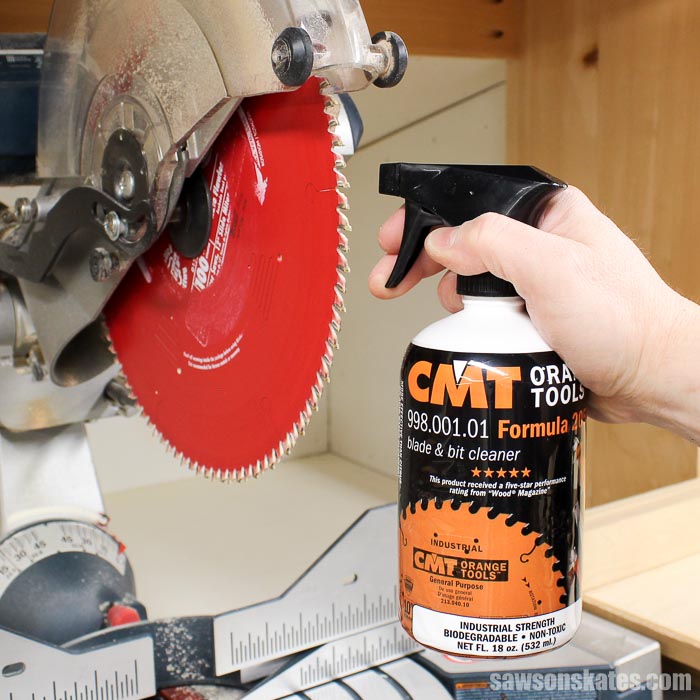
Image Source: sawsonskates.com
The Importance of a Clean Saw Blade
A clean saw blade isn’t just about aesthetics; it’s about performance and safety. Over time, saw blades accumulate a variety of debris, including:
- Wood Resin and Sap: Sticky residues build up, causing friction and dragging.
- Sawdust: Fine particles can lodge in the gullets (the spaces between teeth), affecting chip ejection.
- Metal Shavings: When cutting metal, small metal particles adhere to the blade.
- Grease and Oil: Lubricants or accidental contamination can leave a film.
- Rust: This is the enemy of any metal tool, weakening the blade and hindering its cutting ability.
When a blade is dirty, it requires more force to cut. This extra effort can lead to:
- Burning Wood: The blade heats up due to friction, scorching the material.
- Rough Cuts: The blade can’t glide smoothly, resulting in jagged edges.
- Increased Vibration: An imbalanced, dirty blade vibrates more, making it harder to control and less precise.
- Reduced Tool Life: The motor has to work harder, shortening its lifespan.
- Safety Hazards: A dull or improperly functioning blade is more likely to bind or kick back.
Extending Blade Life
Regular saw blade cleaning is a key component of extending the life of your blades. A clean blade cuts more easily, which means less wear and tear on the teeth. When sap, resin, or other gunk builds up, it can actually start to corrode the metal over time, especially if moisture is present. By removing these contaminants, you’re protecting the integrity of the blade material. This is especially true for specialized blades like carbide blade cleaning. Carbide teeth are incredibly hard but can still be affected by corrosive residues if left unchecked.
Preventing Saw Blade Rust
Rust is insidious. It weakens the metal, dulls the cutting edges, and makes your blade less effective. Proper cleaning and drying are your first lines of defense against preventing saw blade rust. After cleaning, ensuring the blade is thoroughly dried and then lightly coated with a rust inhibitor is essential, particularly if you live in a humid environment or store your tools for extended periods. Even a thin layer of rust can make a significant difference in cutting performance.
Methods for Cleaning Saw Blades
There are several effective methods for cleaning saw blades, ranging from simple household items to specialized cleaners. The best method for you will depend on the type of blade, the type of material you’ve been cutting, and the severity of the buildup.
Simple Cleaning with Household Items
For light buildup and regular maintenance, you can often get away with common household items.
Dish Soap and Water
This is your first line of defense for general grime and sap.
Materials:
- Warm water
- Mild dish soap
- Stiff nylon brush or old toothbrush
- Clean cloths
Steps:
- Safety First: Always wear safety glasses and gloves. Ensure the saw is unplugged and the blade is completely cool.
- Soak: Fill a shallow container with warm water and add a few drops of dish soap. Submerge the blade in the soapy water.
- Scrub: Use the nylon brush or toothbrush to gently scrub away any visible debris. Pay attention to the gullets between the teeth.
- Rinse: Rinse the blade thoroughly under clean water.
- Dry: This is crucial. Dry the blade immediately and completely with a clean cloth. Any residual moisture can lead to rust.
Baking Soda Paste
Baking soda is a mild abrasive and a degreaser, making it excellent for tackling slightly tougher grime.
Materials:
- Baking soda
- Water
- Stiff nylon brush or old toothbrush
- Clean cloths
Steps:
- Safety: Wear safety glasses and gloves. Ensure the saw is unplugged and the blade is cool.
- Make Paste: Mix baking soda with a small amount of water to create a thick paste.
- Apply: Apply the paste to the blade, focusing on areas with buildup.
- Scrub: Use the brush to scrub the paste into the grime. The mild abrasive action helps lift residue.
- Rinse: Rinse the blade thoroughly with clean water.
- Dry: Dry the blade completely and immediately with a clean cloth.
White Vinegar
Vinegar is acidic and can help break down sticky residues and even light rust.
Materials:
- White vinegar
- Container
- Stiff nylon brush or old toothbrush
- Clean cloths
- Water
Steps:
- Safety: Wear safety glasses and gloves. Ensure the saw is unplugged and the blade is cool.
- Soak: Pour enough white vinegar into a container to submerge the blade.
- Soak Time: Let the blade soak for 15-30 minutes for light buildup. For heavier grime or light rust, you might need to soak for an hour or more. Check periodically.
- Scrub: Remove the blade and scrub it with a nylon brush.
- Neutralize & Rinse: Rinse the blade thoroughly with clean water. It’s a good idea to then wash it with soapy water to neutralize the acid.
- Dry: Dry the blade completely and immediately with a clean cloth.
Specialized Blade Cleaners
For more stubborn buildup or when dealing with specific materials, specialized cleaners offer a more potent solution. These are particularly useful for carbide blade cleaning and degreasing.
Citrus-Based Cleaners
These cleaners utilize natural degreasing agents found in citrus fruits. They are generally effective and less harsh than some chemical alternatives.
Materials:
- Citrus-based blade cleaner
- Stiff nylon brush or old toothbrush
- Clean cloths
Steps:
- Safety: Wear safety glasses and gloves. Ensure the saw is unplugged and the blade is cool.
- Apply: Apply the cleaner directly to the blade according to the product’s instructions.
- Scrub: Use the brush to work the cleaner into the residue.
- Wait (if instructed): Some cleaners may require a short waiting period.
- Rinse: Rinse thoroughly with water.
- Dry: Dry the blade completely and immediately with a clean cloth.
Solvent-Based Cleaners (e.g., Acetone, Mineral Spirits)
These are very effective for degreasing saw blades and removing tough residues like old lubricants or heavy sap. However, they are also more aggressive and require greater caution.
Materials:
- Acetone or Mineral Spirits
- Well-ventilated area
- Safety glasses
- Chemical-resistant gloves
- Clean cloths
- Container (metal or glass)
Steps:
- Extreme Safety: Wear safety glasses and chemical-resistant gloves. Work in a very well-ventilated area, away from any open flames or sparks. Ensure the saw is unplugged and the blade is cool.
- Apply Solvent: Pour a small amount of the solvent into a metal or glass container. Dip a clean cloth into the solvent and wipe down the blade. Alternatively, you can soak the blade for a short period (a few minutes) in the container.
- Scrub: Use a stiff nylon brush or an old toothbrush to scrub away loosened grime.
- Rinse: Rinse the blade thoroughly with clean water. If using acetone, it evaporates quickly, but still rinse.
- Dry: Dry the blade completely and immediately with a clean cloth.
Important Note on Solvents: Always follow the manufacturer’s instructions for specialized cleaners. Never mix different cleaning agents unless specifically advised to do so. Solvents can be flammable and their fumes can be harmful, so proper ventilation and precautions are paramount.
Cleaning Specific Saw Types
The general principles of saw blade cleaning apply to most types, but there are some nuances for common saws like the circular saw blade cleaning and miter saw blade cleaning.
Circular Saw Blades
Circular saw blades, whether for wood or metal, tend to accumulate a lot of material quickly.
- Wood Circular Saw Blades: Resin and sawdust are the main culprits. Dish soap, baking soda paste, or citrus cleaners are usually sufficient.
- Metal Circular Saw Blades: These will accumulate metal shavings and sometimes gummy cutting fluid residue. Mineral spirits or specialized metal blade cleaners are often best for degreasing saw blades and removing metal fines.
When cleaning a circular saw blade, you can often remove the blade from the saw for easier access and more thorough cleaning.
Miter Saw Blades
Miter saw blades are used for precise cuts, so keeping them clean is vital for accuracy. They generally experience similar buildup to circular saw blades.
- Wood Miter Saw Blades: Sap, resin, and fine sawdust. Again, mild methods or citrus cleaners are good.
- Tougher Materials: If you’re cutting laminates or composites, you might get a sticky residue that requires a stronger solvent.
Always remove the miter saw blade for cleaning to ensure you can reach all the teeth and gullets effectively.
Table Saw Blades and Other Blades
The same principles apply to table saw blades, dado blades, and any other saw blade you might use. The key is consistent cleaning after use or when you notice a performance decrease. Cleaning dull saw blades can sometimes reveal that the blade isn’t actually dull but just gummed up.
Cleaning a Blade Sharpener
What about the blade sharpener cleaning? If you use a sharpening system, especially one that uses grinding wheels or abrasive stones, these can also get clogged with metal and abrasive particles.
- Grinding Wheels: Use a dressing tool or a stiff wire brush to remove loaded material. Some specialized wheel cleaners are also available.
- Abrasive Stones: Brush off loose material. For stubborn buildup, you might use a brass brush or even a light solvent depending on the stone type. Refer to the sharpener’s manual for specific cleaning instructions.
A clean sharpener will perform better and last longer.
Rust Removal Saw Blade Techniques
If you’ve found a blade with some rust, don’t despair! Rust removal saw blade is possible with the right approach.
Using Fine Steel Wool
For light surface rust, fine steel wool (0000 grade is best) can be effective.
Materials:
- Fine steel wool (0000 grade)
- Light oil (like WD-40 or mineral oil)
- Clean cloths
Steps:
- Safety: Wear safety glasses and gloves.
- Apply Oil: Apply a small amount of light oil to the rusty areas of the blade.
- Rub: Gently rub the rusty spots with the fine steel wool. The oil acts as a lubricant and helps lift the rust.
- Wipe Clean: Wipe away the rust particles and oil with a clean cloth.
- Rinse & Dry: Rinse with water, then dry immediately and thoroughly.
- Protect: Apply a light coat of oil or rust inhibitor to prevent immediate re-rusting.
Commercial Rust Removers
For more stubborn rust, commercial rust removers are available. These often contain phosphoric acid, which converts rust into a more stable, paintable surface (iron phosphate).
Materials:
- Commercial rust remover
- Well-ventilated area
- Safety glasses
- Chemical-resistant gloves
- Stiff nylon brush
- Clean cloths
- Water
Steps:
- Safety: Wear safety glasses and chemical-resistant gloves. Work in a well-ventilated area.
- Apply: Follow the product’s instructions precisely. This might involve brushing it on or soaking the blade.
- Wait: Allow the product to work for the recommended time.
- Scrub: Use a nylon brush to help lift the loosened rust.
- Rinse: Rinse the blade thoroughly with clean water.
- Neutralize (if needed): Some rust removers may require a follow-up with a neutralizing agent or a wash with soapy water.
- Dry: Dry the blade completely and immediately.
- Protect: Apply a rust inhibitor.
Caution: Always test rust removers on a small, inconspicuous area first if possible. Some aggressive chemicals can damage certain blade coatings or materials.
Resharpening Saw Blades and Cleaning
The act of resharpening saw blades is closely tied to cleaning. A dirty blade can’t be sharpened effectively. The abrasive particles and gunk can interfere with the sharpening stone or wheel, leading to poor results or even damage to the sharpener itself.
- Before Sharpening: Always clean your blade thoroughly before attempting to sharpen it. This ensures the sharpening process targets the metal edge, not embedded debris.
- After Sharpening: Once sharpened, the blade is essentially “new” again. Cleaning and light oiling at this stage is critical to protect that freshly sharpened edge.
Preventing Saw Blade Rust: Ongoing Care
Preventing saw blade rust is an ongoing process. Here are key strategies:
- Clean After Every Use: Even a quick wipe-down can make a difference.
- Dry Thoroughly: Never put a wet blade back into storage.
- Apply Light Oil: A thin film of mineral oil, 3-in-1 oil, or a specialized rust inhibitor on the blade surface after drying provides a barrier against moisture.
- Store Properly: Keep blades in a dry environment, ideally in their original cases or blade storage racks. Avoid storing them directly on metal shelves or in damp garages without protection.
- Check Regularly: Periodically inspect your blades for any signs of rust or damage, especially before a critical project.
Cleaning Dull Saw Blades
Sometimes, what appears to be a dull saw blade is actually just a gummed-up blade. If your blade is cutting poorly, try cleaning it thoroughly before assuming it needs sharpening. You might be surprised to find it cuts like new after a good cleaning and degreasing saw blades.
Table: Cleaning Solutions and Their Uses
| Cleaning Solution | Best For | Pros | Cons | Safety Precautions |
|---|---|---|---|---|
| Dish Soap & Water | Light grime, sap, resin | Gentle, readily available, safe | May not remove heavy buildup or rust | Gloves recommended for prolonged contact |
| Baking Soda Paste | Moderate grime, sticky residues | Mild abrasive, good degreaser | Can be slightly messy | Gloves recommended |
| White Vinegar | Sticky residues, light rust | Acidic, effective on organic matter | Can be corrosive if left too long, requires rinsing/neutralizing | Gloves and safety glasses essential, work in ventilated area. |
| Citrus-Based Cleaners | Sap, resin, oils, general grime | Effective, pleasant scent, relatively safe | May not be strong enough for heavy-duty buildup | Follow product instructions; gloves recommended. |
| Solvent-Based (Acetone etc.) | Heavy oils, grease, tough residues, metal chips | Very powerful, fast-acting | Flammable, strong fumes, can damage coatings, requires careful handling | EXTREME CAUTION: Work in VERY WELL-VENTILATED AREA, wear safety glasses, chemical-resistant gloves. Keep away from ignition sources. |
| Commercial Rust Removers | Moderate to heavy rust | Specifically designed for rust, effective | Can be harsh chemicals, require precise application and follow-up steps | CAUTION: Follow product instructions meticulously. Wear safety glasses and chemical-resistant gloves. |
Frequently Asked Questions (FAQ)
Q1: How often should I clean my saw blades?
A1: It’s best to clean your saw blades after every significant use. If you notice any reduction in cutting performance, such as burning or rough cuts, it’s definitely time for a cleaning. For blades used very frequently, a quick wipe-down after each session is ideal.
Q2: Can I use a wire brush to clean saw blades?
A2: Yes, but be cautious. A brass wire brush is softer than steel and less likely to scratch or damage the blade teeth. A steel wire brush can be too abrasive for some blades, especially those with specialized coatings. Always use a gentle touch and check for any damage. For carbide blade cleaning, a brass brush or nylon brush is preferred.
Q3: Is it safe to clean a blade while it’s still on the saw?
A3: No. For safety reasons, always unplug the saw and remove the blade before cleaning it. This prevents accidental activation of the saw and allows for thorough cleaning of all parts of the blade.
Q4: What’s the best way to remove rust from a saw blade?
A4: For light rust, fine steel wool (0000 grade) with a light oil can work. For tougher rust, commercial rust removers are effective. Always rinse and dry the blade thoroughly afterward and apply a rust inhibitor. Remember that significant rust can permanently damage the blade’s cutting edge.
Q5: How do I store my saw blades to prevent rust?
A5: Store blades in a dry place. Blade cases, racks, or sleeves designed for saw blades offer protection. A light coating of mineral oil or a rust-inhibiting spray on the blade surface before storage provides an extra layer of defense against moisture.
By following these guidelines, you can ensure your saw blades remain sharp, rust-free, and ready for any task, ultimately saving you time, money, and improving your safety in the workshop.