
Can you clean a Stihl chainsaw? Yes, you absolutely can and should clean your Stihl chainsaw regularly to keep it running smoothly and safely. This comprehensive guide will walk you through the entire process, ensuring your Stihl chainsaw receives the best care possible. Regular Stihl chainsaw maintenance is key to longevity and peak performance.
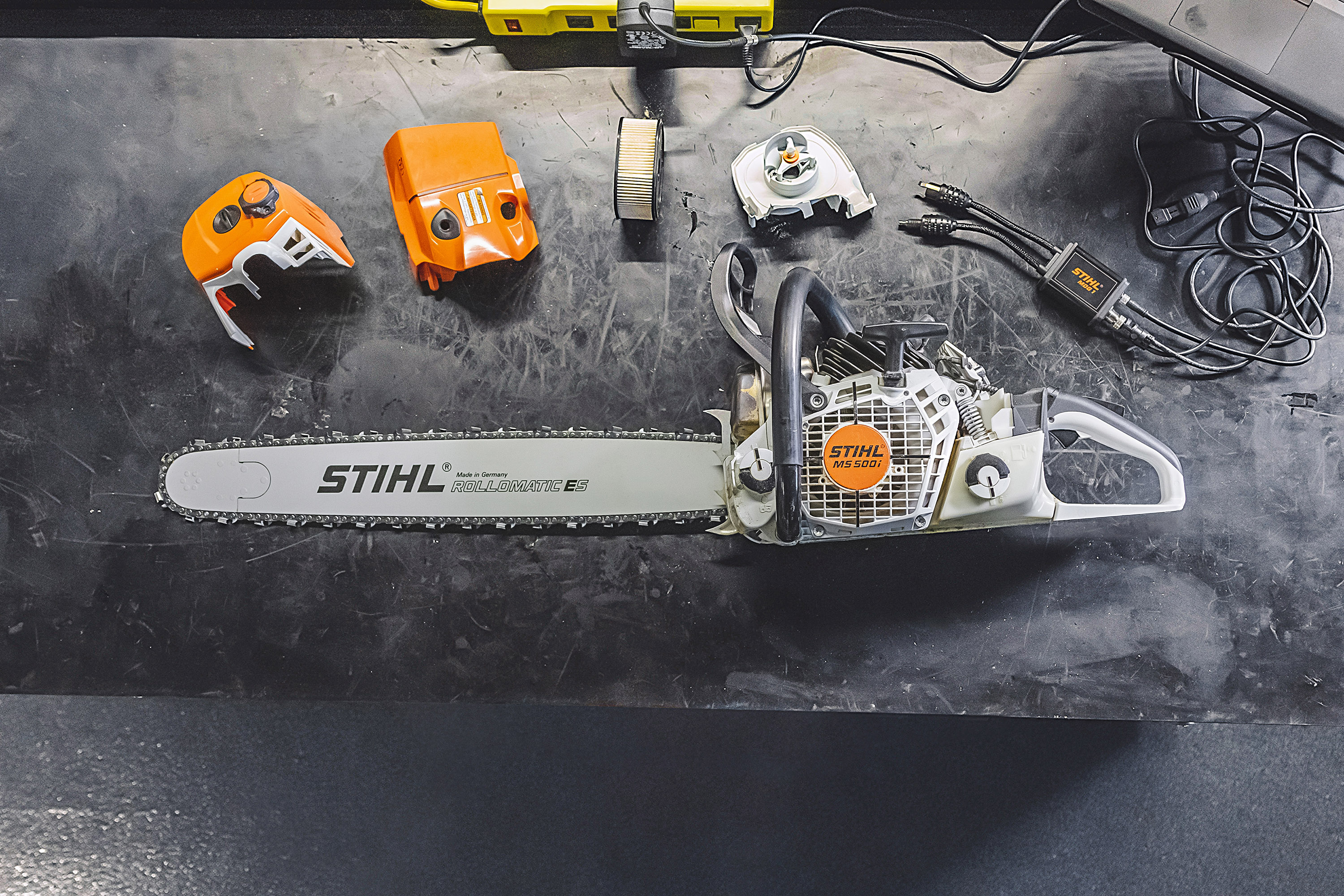
Image Source: cdnassets.stihlusa.com
Why Cleaning Your Stihl Chainsaw Matters
A dirty chainsaw is an unhappy chainsaw. Over time, sawdust, oil, wood chips, and grime can build up on various parts of your Stihl saw. This buildup can lead to a host of problems, including:
- Reduced performance: A clogged air filter or dirty carburetor can starve the engine of fuel and air, leading to sputtering, loss of power, and difficulty starting.
- Increased wear and tear: Grime can act like sandpaper, grinding away at engine components, the chain, and the bar, shortening their lifespan.
- Safety hazards: A gummed-up chain brake or a chain that isn’t properly lubricated can create dangerous situations.
- Difficulty starting: A dirty spark plug or clogged fuel system will make starting your saw a frustrating experience.
Following these Stihl chainsaw cleaning tips will save you time, money, and headaches in the long run.
Gathering Your Cleaning Supplies
Before you begin your Stihl chainsaw deep clean, make sure you have the right tools and supplies. Having everything ready will make the process much smoother.
Here’s a checklist of essential items:
- Gloves (for protection)
- Safety glasses (to protect your eyes from debris)
- Compressed air or a soft brush (for blowing away loose debris)
- Bar and chain cleaner or a degreaser (specifically designed for chainsaws)
- Stihl chainsaw oil (for lubrication after cleaning)
- A clean rag or shop towels
- A small screwdriver or a specialized carburetor cleaning tool
- Spark plug wrench
- Stihl chainsaw air filter cleaner (if applicable, check your manual)
- A bucket and warm water (for some cleaning tasks)
- A mild dish soap (for general cleaning)
- A wire brush (for stubborn grime on the bar and chain)
- A small pick or awl (for clearing plugged oil holes)
Preparing Your Stihl Chainsaw for Cleaning
Safety first! Before you touch anything, ensure your chainsaw is completely safe to work on.
- Turn off the engine: Make sure the engine is completely off and has cooled down. Never attempt to clean a hot chainsaw.
- Disconnect the spark plug: This is a crucial safety step. Pull the spark plug wire off the spark plug to prevent accidental starting.
- Engage the chain brake: This will help prevent the chain from moving accidentally.
- Work in a well-ventilated area: Especially if you are using cleaning solvents.
Step-by-Step Cleaning Process
This guide covers the best way to clean Stihl chainsaw parts for optimal performance.
Step 1: Cleaning the Exterior
Start with the outside of your chainsaw. This will get rid of surface dirt and make it easier to access other parts.
- Use a soft brush and compressed air to blow away loose sawdust and debris from the entire saw body, handle, and engine casing.
- Wipe down the exterior with a damp rag. For tougher grime, use a rag with a little mild dish soap.
- Dry the chainsaw thoroughly with a clean cloth.
Step 2: Cleaning the Stihl Chainsaw Air Filter
The air filter is vital for engine health. A clogged filter restricts airflow, impacting power and efficiency.
How to clean Stihl chainsaw air filter:
- Locate the air filter cover: This is usually a removable cover on the top or side of the chainsaw. Consult your owner’s manual if you’re unsure.
- Remove the filter: Carefully remove the air filter. Note its orientation so you can put it back correctly.
- Inspect the filter:
- For paper filters: Gently tap the filter against a hard surface to dislodge loose debris. If it’s heavily soiled or damaged, it’s best to replace it. You can try blowing it clean with compressed air from the inside out, but be gentle.
- For felt or flock filters: You can wash these in warm, soapy water. Rinse them thoroughly and let them air dry completely before reinstalling. Do NOT use compressed air on these types as it can damage the material.
- For mesh filters: These can often be cleaned with a soft brush and a degreaser. Rinse and let dry.
- Reinstall the filter: Once clean and dry, place the air filter back into its housing, ensuring it’s seated correctly. Replace the air filter cover.
Important: Always check your specific Stihl model’s manual for the recommended cleaning method for its particular air filter type. Some filters are designed to be replaced, not cleaned.
Step 3: Cleaning the Stihl Chainsaw Bar
The guide bar is where the magic happens, and it needs to stay clean and lubricated.
- Remove the chain: With the spark plug wire disconnected, loosen the bar nuts that hold the bar in place. You might need a specialized Stihl combination wrench for this. Once loose, you can adjust the chain tension using the tensioning screw. Slide the bar off the mounting studs.
- Clean the bar groove: Sawdust and oil build up in the groove where the chain runs. Use a flat-head screwdriver, a bar groove cleaner tool, or compressed air to thoroughly clean this groove.
- Clear the oil holes: There are small oil holes on the bar that supply lubricant to the chain. These can easily become clogged. Use a small pick or awl to gently clean out any debris from these holes. This is a critical part of Stihl chainsaw maintenance.
- Inspect for damage: Check the bar for any signs of wear, such as burrs along the edges or a worn groove. If it’s significantly damaged, it’s time for a replacement.
- Clean the bar itself: Wipe down the entire bar with a clean rag. You can use a degreaser for stubborn oil and grime.
Step 4: Cleaning the Stihl Chainsaw Chain
A clean and sharp chain cuts efficiently and safely.
- Soaking: For a thorough cleaning, you can soak the chain in a bucket of warm water with a bit of dish soap or a dedicated bar and chain cleaner. Let it soak for about 15-30 minutes.
- Scrubbing: After soaking, use a stiff brush or a wire brush to scrub away any embedded sawdust or gunk from between the chain links and cutters.
- Rinsing and Drying: Rinse the chain thoroughly with clean water. Then, dry it completely with a rag. It’s essential to get it dry to prevent rust.
- Lubrication: Once the chain is clean and dry, it’s time to re-lubricate it. Apply Stihl chainsaw oil generously to the chain. You can run the chain slowly for a few seconds (with the spark plug connected temporarily if you need to start the engine briefly) to help distribute the oil. Be sure to re-disconnect the spark plug afterward.
- Reinstall the chain: Place the chain back onto the guide bar, ensuring it’s seated correctly in the groove and the drive links are in the oiler hole.
Step 5: Cleaning the Stihl Chainsaw Clutch and Sprocket Area
This area collects a lot of debris.
- Remove the clutch cover: If your model has a separate clutch cover, remove it.
- Clean the sprocket and clutch drum: Use a brush and compressed air to remove sawdust and oil buildup around the sprocket and clutch drum.
- Check the clutch: Inspect the clutch shoes and springs for wear or damage. If they appear worn, they may need replacement.
- Wipe down: Clean any visible grime from the clutch housing and surrounding areas.
Step 6: Cleaning the Spark Plug
A clean spark plug ensures reliable ignition.
- Remove the spark plug: Use a spark plug wrench to carefully remove the spark plug.
- Inspect: Check for fouling, carbon buildup, or damage.
- Clean: If there’s light fouling, you can gently clean the electrode with a wire brush or a specialized spark plug cleaning tool. For heavy fouling or damage, it’s best to replace the spark plug.
- Check the gap: Ensure the spark plug gap is set to the manufacturer’s specifications (refer to your manual).
- Reinstall: Screw the spark plug back in by hand to avoid cross-threading, then tighten it with the wrench. Reconnect the spark plug wire.
Step 7: Cleaning the Stihl Chainsaw Carburetor (When Necessary)
Cleaning Stihl chainsaw carburetor is typically done when the saw is running poorly, sputtering, or difficult to start, and the air filter is clean. This is a more advanced step, and if you’re not comfortable, consider taking it to a professional.
- Access the carburetor: This usually involves removing the air filter cover and sometimes the top engine cover.
- Initial cleaning: Use compressed air to blow away any loose debris from the exterior of the carburetor.
- Carburetor cleaner: For a more thorough cleaning, you may need to remove the carburetor (consult your manual!). Then, you can use a specialized carburetor cleaner spray. Spray it into the fuel inlet, throttle bore, and any accessible jets or passages. Use a small pick or a thin wire to gently clear any plugged orifices.
- Fuel filter: While you’re there, check and clean or replace the in-line fuel filter if your saw has one.
- Reassembly: Reassemble the carburetor carefully, ensuring all gaskets and parts are in place. If you removed the carburetor, reattach it securely. Reinstall the air filter and covers.
Caution: Carburetors are precisely tuned. Improper cleaning or adjustment can significantly affect engine performance.
Step 8: Cleaning the Stihl Chainsaw Fuel and Oil Tanks
- Empty tanks: Ensure both the fuel and chain oil tanks are empty.
- Wipe: Use a clean rag to wipe down the inside of the tanks as much as possible.
- Fuel tank: If there’s significant residue in the fuel tank, you might use a small amount of fresh fuel to swish around and then empty it out. Do NOT use water in the fuel tank.
- Oil tank: The oil tank can often be cleaned with a rag. Avoid using solvents that might damage the plastic.
Reassembly and Final Checks
After cleaning all the components, it’s time to put everything back together.
- Reattach the guide bar and chain: Slide the bar back onto the mounting studs. Place the chain correctly in the bar groove.
- Adjust chain tension: Use the chain tensioning screw to set the correct tension. The chain should be snug against the bar but still able to be pulled around by hand. There should be a slight sag. Refer to your manual for the precise tension.
- Tighten bar nuts: Securely tighten the bar nuts.
- Final inspection: Double-check that all covers are back in place, the spark plug wire is connected, and there are no loose parts.
Stihl Chainsaw Deep Clean: Best Practices for Different Models
While the general principles apply to most Stihl chainsaws, there can be slight variations depending on the model (e.g., MS 170, MS 250, MS 362). Always refer to your specific owner’s manual for detailed instructions and recommended cleaning agents.
For example, some high-performance models might have more intricate air filtration systems or specific lubrication requirements. The Stihl chainsaw cleaning guide provided by the manufacturer is the ultimate resource.
How to Maintain Stihl Chainsaw: Beyond Cleaning
Regular cleaning is a cornerstone of good Stihl chainsaw maintenance, but other practices are equally important:
- Sharpening the chain: A sharp chain cuts more efficiently and puts less strain on the engine. Learn how to sharpen your chain or have it done professionally.
- Checking for loose parts: Regularly inspect your chainsaw for loose nuts, bolts, or handles.
- Fuel and oil quality: Use fresh, high-quality fuel mixed with the correct Stihl two-stroke oil ratio. Use proper bar and chain oil.
- Storage: When storing your chainsaw for an extended period, empty the fuel tank and run the engine dry to prevent fuel system issues. Clean the saw thoroughly before storage.
Frequently Asked Questions (FAQ)
Q: How often should I clean my Stihl chainsaw?
A: It depends on how often you use it and the conditions. For frequent use, a quick wipe-down and air filter check after each use is recommended. A more thorough cleaning, including the bar and chain, should be done after every few uses or when you notice performance degradation. A Stihl chainsaw deep clean should be performed at least annually or before storing it for a long period.
Q: What is the best cleaner for a Stihl chainsaw?
A: For general cleaning, warm water and mild dish soap are effective. For degreasing the bar and chain, use a dedicated bar and chain cleaner or a good quality degreaser. For carburetors, use a specialized carburetor cleaner spray. Always ensure any cleaner is safe for chainsaw components.
Q: Can I use brake cleaner to clean my Stihl chainsaw?
A: While brake cleaner is a strong degreaser, it can be too harsh for some plastic and rubber components on a chainsaw. It’s generally safer to use cleaners specifically designed for power equipment. If you do use it, use it sparingly and avoid contact with plastic parts.
Q: My Stihl chainsaw is sputtering. What should I check?
A: First, ensure the air filter is clean and properly seated. Then, check the spark plug for fouling. If both are in good condition, the fuel might be stale, or the carburetor may need cleaning. Also, verify you are using the correct fuel-oil mixture.
Q: How do I store my Stihl chainsaw?
A: Empty the fuel tank and run the engine until it stops to clear the carburetor. Clean the saw thoroughly. Store it in a dry, protected place, ideally with a cover to prevent dust buildup.
By following this detailed guide, you’ll be well-equipped to keep your Stihl chainsaw in top working order, ensuring safe and efficient operation for years to come. Remember, proper Stihl chainsaw maintenance is an investment in your tool’s longevity and your own safety.