
Can you use any extension cord outside? No, you cannot use just any extension cord outdoors. It must be specifically rated for outdoor use to ensure safety and durability against the elements. Using an indoor cord outside can lead to electrical hazards, equipment damage, and even fire. This guide will help you identify a safe outdoor extension cord, ensuring your outdoor electrical needs are met without compromising safety.
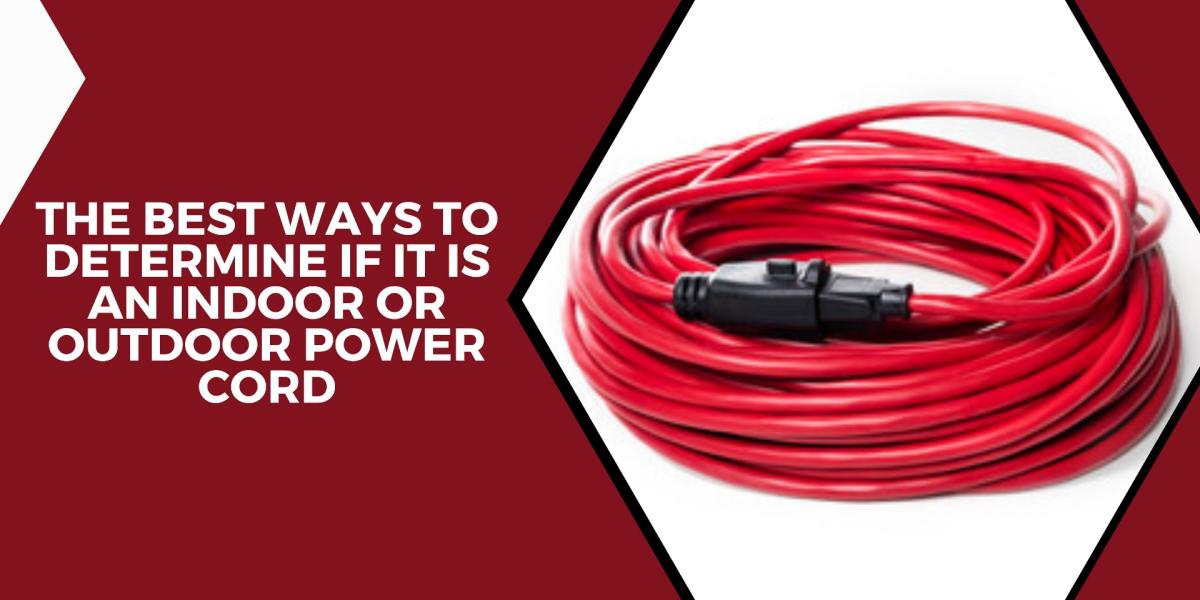
Image Source: www.americord.com
Deciphering Extension Cord Markings for Outdoor Use
When you need to power tools, lights, or appliances outside, choosing the right extension cord is crucial. Not all cords are built the same, and using the wrong one can be dangerous. The key to safe outdoor use lies in the markings and specifications of the cord itself. You need to look for specific indicators that tell you the cord is designed to withstand outdoor conditions.
What Makes a Cord “Outdoor Rated”?
An outdoor-rated extension cord is built with materials and construction techniques that allow it to safely operate in various weather conditions. This includes exposure to rain, moisture, sunlight, and temperature fluctuations. Indoor cords, on the other hand, are typically made with materials that can become brittle, crack, or degrade when exposed to these elements, posing a significant safety risk.
Identifying Key Markings and Labels
The most direct way to tell if an extension cord is suitable for outdoor use is by examining its packaging and the cord itself. Look for these explicit labels:
- “Outdoor Use” or “For Outdoor Use”: This is the most straightforward indicator. If it’s printed clearly on the cord or its packaging, you’re on the right track.
- UL, ETL, or CSA Certification: These are safety certification marks from reputable organizations. For outdoor cords, you’ll often see these alongside an indication that the cord is suitable for outdoor environments. For example, a UL listing might include a designation for outdoor use.
- “Weather-Resistant” or “Weatherproof”: These terms suggest the cord is designed to handle moisture and varying temperatures. A weather-resistant extension cord is a good sign.
- “UV Resistant”: Sunlight can degrade plastic over time. A UV-resistant extension cord will have a jacket that resists damage from ultraviolet rays, prolonging its lifespan and maintaining its integrity outdoors.
- “Water-Resistant” or “Waterproof”: While “waterproof” is a strong claim, “water-resistant” indicates it can handle splashes and damp conditions. A water-resistant extension cord is essential for any outdoor application where moisture might be present.
The Importance of the Jacket Material
The outer layer, or jacket, of an extension cord is its primary defense against the elements. For outdoor cords, this jacket is made from specific materials designed for durability.
Common Jacket Materials for Outdoor Cords:
- PVC (Polyvinyl Chloride): High-quality PVC jackets are often used for outdoor cords. They offer good flexibility, abrasion resistance, and protection against moisture and UV light. However, not all PVC is created equal; ensure it’s specifically formulated for outdoor use.
- Rubber: Rubber cords are known for their flexibility, especially in cold temperatures, and their excellent durability. Many heavy-duty outdoor cord options utilize robust rubber jackets that can withstand rough handling and various weather conditions.
- Neoprene: A synthetic rubber, neoprene offers excellent resistance to oil, chemicals, abrasion, and weathering. It’s a common choice for high-quality outdoor extension cords.
What to Avoid in Jacket Materials:
- Standard Vinyl or Thin Plastic: These materials are more likely to become brittle in cold weather or degrade quickly under sunlight, leading to cracks and potential electrical hazards.
Gauging the Cord’s Strength: Gauge and Amperage
Beyond weather resistance, the physical strength and capacity of an extension cord are critical for safe outdoor operation. This is determined by its wire gauge and amperage rating.
Understanding Wire Gauge (AWG)
The gauge of the wire inside the extension cord dictates how much electrical current (amperage) it can safely carry. The American Wire Gauge (AWG) system is used, and importantly, a lower AWG number means a thicker wire and a higher amperage capacity.
Choosing the Right Gauge for Outdoor Tasks:
- 16 AWG: Suitable for light-duty tasks with short cord lengths (e.g., holiday lights, small garden tools). Not ideal for heavy-duty outdoor use or long distances.
- 14 AWG: A good all-around choice for medium-duty tasks like powering lawnmowers, leaf blowers, or outdoor lighting systems. It can handle moderate loads over longer distances.
- 12 AWG: This is a heavy-duty outdoor cord gauge, capable of handling higher amperage loads and longer distances. It’s recommended for power tools, generators, and appliances that draw significant power.
- 10 AWG: For the heaviest loads, such as power tools with high start-up surges or demanding equipment, 10 AWG is the choice. This gauge ensures minimal voltage drop over long runs, even with heavy use.
Voltage Drop: A Crucial Consideration for Outdoor Power Cables
Voltage drop occurs when electrical current travels through a wire, and the longer the cord and the thinner the wire, the greater the voltage drop. Excessive voltage drop can cause equipment to run inefficiently or even damage it. For outdoor applications, especially with longer runs, opting for a thicker gauge wire (lower AWG) is essential to minimize voltage drop. An outdoor power cable with a lower AWG will maintain more consistent voltage.
Amperage Rating Explained
The amperage rating (often shown as “A” or “amps”) indicates the maximum amount of current the cord can safely handle. This rating should be equal to or higher than the amperage requirement of the device you intend to plug into it.
Matching Cord Amperage to Your Devices:
- Always check the label on your appliance or tool for its amperage draw.
- If you’re powering multiple devices, calculate the total amperage required.
- Select an extension cord with an amperage rating that comfortably exceeds this total.
Table 1: Extension Cord Gauge and Amperage Capacity (General Guidelines)
| AWG | Typical Amperage Rating (at 120V) | Recommended Use |
|---|---|---|
| 16 | 10 Amps | Light-duty: String lights, small electronics |
| 14 | 13 Amps | Medium-duty: Lawnmowers, leaf blowers, power tools |
| 12 | 15-18 Amps | Heavy-duty: Power tools, generators, larger appliances |
| 10 | 20-25 Amps | Extra-heavy-duty: High-draw tools, industrial use |
Note: These are general guidelines. Always refer to the cord’s specific rating.
Evaluating Construction Quality for Durability
Beyond markings and gauge, the overall construction quality of an extension cord speaks volumes about its suitability for outdoor use. A durable outdoor cord will show signs of robust manufacturing.
The Plug and Receptacle
The plug (male end) and receptacle (female end) are critical connection points.
What to Look For:
- Molded Plugs: Plugs that are molded directly onto the cord jacket are generally more durable and weather-resistant than those that are simply crimped or screwed on.
- Reinforced Prongs: Prongs should be sturdy and not bend easily. Some outdoor cords have reinforced prongs to prevent damage.
- Integrated Handles or Grip Areas: For easy plugging and unplugging, especially with wet hands, some outdoor cords feature integrated handles on the plug and receptacle.
- Sealed Ends: Ensure the connection points where the cord enters the plug and receptacle are well-sealed to prevent moisture ingress.
The Cord’s Flexibility and Condition
Flexibility is an important factor, especially in varying temperatures.
Assessing Flexibility:
- Cold Weather Performance: A good outdoor power cable should remain flexible even in colder temperatures. If it becomes stiff and brittle in the cold, it’s not designed for outdoor use.
- Tangle Resistance: While not strictly a safety feature, cords that resist tangling are easier to manage and less prone to damage from being pulled or twisted incorrectly.
Visual Inspection: Cracks, Cuts, and Damage
Before using any extension cord outdoors, a thorough visual inspection is paramount.
A Checklist for Inspection:
- Jacket Integrity: Look for any cuts, nicks, abrasions, or cracks in the outer jacket.
- Wire Exposure: Ensure no internal wires are visible.
- Plug and Receptacle Condition: Check for bent or broken prongs, cracks in the plastic, or loose connections.
- Proper Sealing: Examine the points where the cord enters the plug and receptacle for any gaps.
If you find any damage, the cord should be discarded and replaced immediately, regardless of whether it’s marked for outdoor use.
Specialized Outdoor Extension Cords
Certain types of extension cords are specifically designed for particular outdoor applications, offering enhanced features.
Heavy-Duty Outdoor Cords
These are built to withstand the rigors of construction sites, workshops, and demanding garden tasks. They typically feature thicker gauges (12 or 10 AWG), robust rubber or neoprene jackets, and reinforced connectors. A heavy-duty outdoor cord is your go-to for high-power equipment.
Weather-Resistant Extension Cords for Specific Environments
While many outdoor cords offer general weather resistance, some are engineered for more specific challenges:
- Waterproof vs. Water-Resistant: Be mindful of the terminology. Truly “waterproof” cords are rare and typically designed for submersion. “Water-resistant” means they can handle rain and splashes, which is usually sufficient for most outdoor uses.
- UV-Resistant Cords: As mentioned, direct sunlight can degrade materials. If your cord will be constantly exposed to the sun, an explicitly UV-resistant extension cord will last much longer.
Safety Precautions When Using Outdoor Extension Cords
Even with the right cord, safe practices are essential to prevent accidents.
Key Safety Tips:
- Keep it Off the Ground When Possible: If you’re running a cord across a walkway or lawn, try to elevate it to prevent tripping hazards and keep it drier. Use cord covers or hooks.
- Avoid Water Accumulation: Do not run cords through puddles or areas where water tends to collect.
- Use GFCI Protection: For any outdoor electrical circuit, a Ground Fault Circuit Interrupter (GFCI) outlet or plug is highly recommended. GFCIs detect ground faults (like when water gets into a connection) and quickly shut off power, preventing electrocution. Many outdoor extension cords now come with built-in GFCI protection.
- Never Overload: Adhere to the amperage and wattage ratings of both the cord and the device.
- Inspect Regularly: Make a habit of inspecting your outdoor extension cords before each use.
- Proper Storage: When not in use, coil the cord neatly and store it in a dry place, away from direct sunlight and potential damage.
- Avoid Splices: Never attempt to splice or repair a damaged extension cord. Replace it.
- Use Appropriately Rated Connectors: If you need to connect multiple cords, use connectors that are also rated for outdoor use.
Frequently Asked Questions (FAQ)
Q1: Can I use an indoor extension cord outside if it’s covered?
A: No, it’s not safe. Even if covered, an indoor cord’s materials are not designed to withstand the temperature fluctuations, moisture, and UV exposure inherent in outdoor environments. The insulation can degrade, leading to a fire or shock hazard.
Q2: What is the difference between a “weather-resistant” and a “weatherproof” extension cord?
A: “Weather-resistant” means the cord can withstand some exposure to rain, snow, and moisture without immediate damage. “Weatherproof” is a stronger claim, suggesting it’s sealed against water ingress. For most typical outdoor uses, a “weather-resistant extension cord” is sufficient.
Q3: How do I know if my extension cord is a “heavy-duty outdoor cord”?
A: Look for thicker wire gauge (12 or 10 AWG), a robust jacket material (like rubber or neoprene), and explicit “outdoor use” or similar ratings on the cord or its packaging.
Q4: Can I use a long extension cord for my outdoor power tools?
A: Yes, but you must choose a cord with a sufficiently thick gauge (lower AWG number) to minimize voltage drop over the longer distance. A 14 AWG or 12 AWG outdoor electrical cord is usually recommended for tools.
Q5: Do I need GFCI protection for my outdoor extension cords?
A: It is highly recommended, and often required by electrical codes, to use GFCI protection for any outdoor electrical connections to prevent shock hazards, especially when using water-resistant or outdoor-rated cords. Many newer outdoor cords feature integrated GFCI protection.
Q6: How do I tell if a cord is UV-resistant?
A: The packaging or the cord itself will typically state “UV resistant” or “sunlight resistant.” This means the jacket material is formulated to resist degradation from ultraviolet rays.
By carefully examining the markings, understanding the specifications, and following safety guidelines, you can confidently select and use the right extension cords for all your outdoor electrical needs, ensuring both functionality and safety.