
Can you measure your ring size with a tape measure? Yes, absolutely! You can accurately determine your ring size at home using a common tape measure, turning it into a reliable DIY ring sizer. This guide will walk you through the simple steps to ensure a perfect fit for your jewelry.
Image Source: lookaside.fbsbx.com
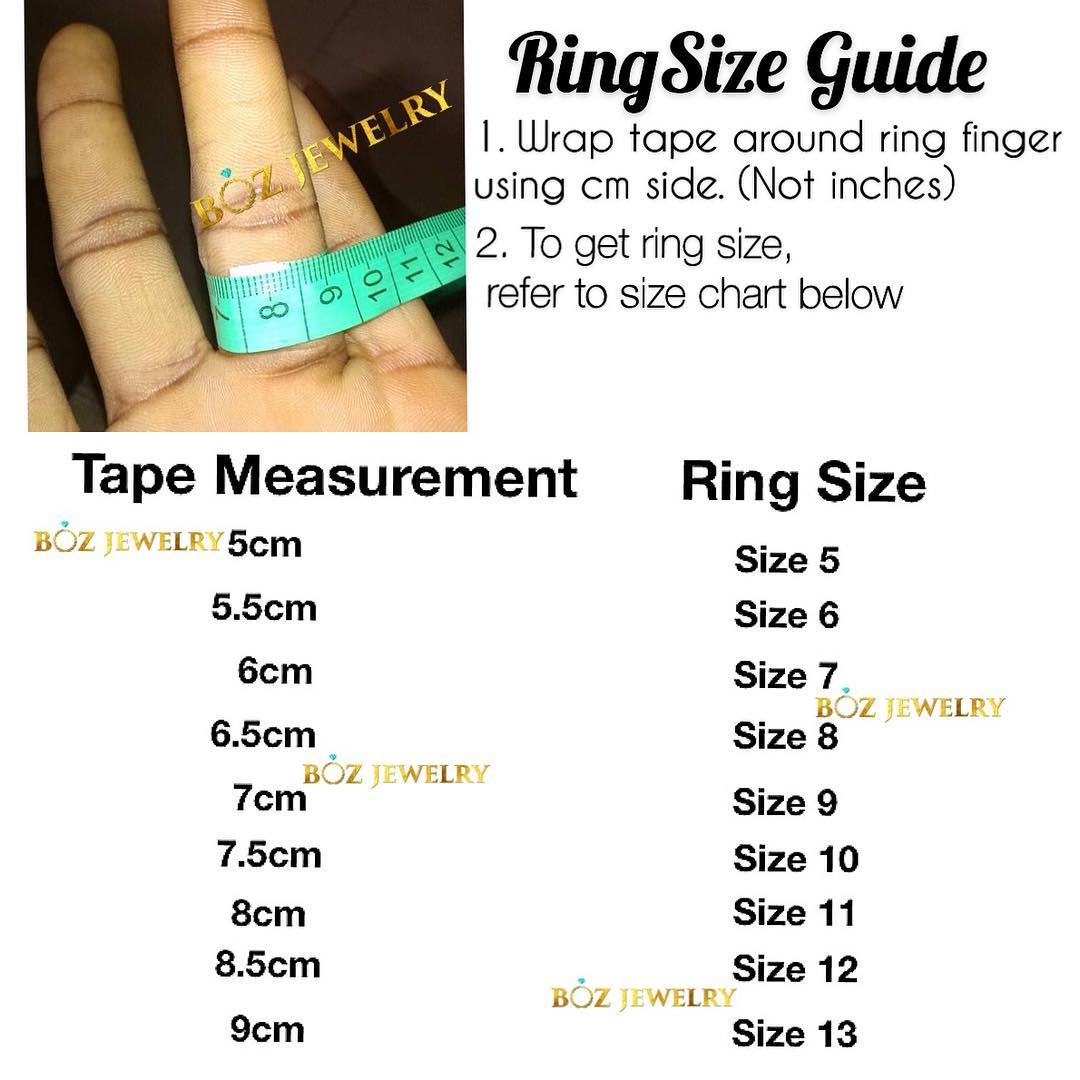
Finding Your Perfect Fit at Home
Choosing the right ring size is crucial for both comfort and security. A ring that’s too big can easily slip off, while one that’s too tight can be uncomfortable and even restrict circulation. Luckily, you don’t need fancy tools or a trip to the jeweler to get a good estimate. By using a simple tape measure, you can effectively measure your finger circumference and find your personal ring sizing. This improvised ring sizing method is surprisingly accurate when done correctly.
Why Accurate Sizing Matters
Beyond aesthetics, the correct ring size plays a significant role in how you experience wearing a ring. A well-fitting ring feels like a natural extension of your finger, not an intrusion. It stays put without being constricting. This is especially important for rings you plan to wear daily, like wedding bands or cherished everyday pieces. Using a tape measure allows for precise measurement, which translates to a more enjoyable and worry-free experience with your jewelry.
What You’ll Need
To begin your at-home ring sizing adventure, gather these essential items:
- A flexible tape measure: The kind used for sewing or tailoring is ideal. A sturdy metal tape measure won’t work as well because it’s too rigid.
- A pen or pencil: To mark your measurements.
- A piece of paper: To record your findings and compare them to a tape measure ring size chart.
- A ruler (optional but helpful): To get a more precise reading if your tape measure doesn’t have very fine markings.
Preparing Your Finger for Measurement
Before you start measuring, consider these factors for the most accurate result:
- Temperature: Your fingers can swell or shrink slightly with temperature changes. Measure your finger when it’s at a normal room temperature. Avoid measuring right after exercising (when fingers might be slightly swollen) or when you’re very cold (when fingers might be smaller).
- Time of Day: It’s generally best to measure your finger in the afternoon or evening. Fingers tend to be at their largest at this time.
- Knuckle Size: If your knuckle is significantly larger than the base of your finger, you’ll need to ensure your measurement accounts for this. You might need to measure both the base of the finger and the knuckle and choose a size that fits comfortably over both.
The Step-by-Step Measurement Process
Now, let’s get down to the actual measuring. This method focuses on measuring your finger circumference.
Step 1: Measure Your Finger Circumference
- Wrap the tape measure: Take your flexible tape measure and wrap it snugly around the base of the finger you want to size. Ensure it’s not too tight that it pinches, nor too loose that it has significant slack. The tape should lie flat against your skin.
- Mark the overlap: Where the end of the tape measure meets the rest of the tape, make a clear mark with your pen or pencil.
- Read the measurement: Carefully unwrap the tape measure and lay it flat against a ruler. Read the measurement in millimeters (mm) at the mark you made. This is your finger circumference.
Important Note: If you don’t have a flexible tape measure readily available, you can use a thin strip of paper or string. Wrap it around your finger in the same way, mark where it overlaps, and then measure the length of the paper or string with a ruler. This is a great example of improvised ring sizing.
Step 2: Record Your Measurement
Write down the circumference you measured in millimeters. For example, you might have a measurement of 55mm.
Step 3: Convert to Ring Size
This is where your recorded measurement comes into play. You’ll need to compare your finger circumference to a standard ring size chart. Most charts use millimeters for circumference.
Interpreting the Tape Measure Ring Size Chart
Here’s how to use a typical tape measure ring size chart:
| Circumference (mm) | US Ring Size | UK Ring Size |
|---|---|---|
| 46.7 | 4 | I |
| 47.9 | 4.5 | J |
| 49.0 | 5 | K |
| 50.3 | 5.5 | L |
| 51.5 | 6 | M |
| 52.7 | 6.5 | N |
| 54.0 | 7 | O |
| 55.2 | 7.5 | P |
| 56.5 | 8 | Q |
| 57.7 | 8.5 | R |
| 59.0 | 9 | S |
| 60.2 | 9.5 | T |
| 61.5 | 10 | U |
| 62.7 | 10.5 | V |
| 64.0 | 11 | W |
| 65.3 | 11.5 | X |
| 66.6 | 12 | Y |
| 67.8 | 12.5 | Z |
| 69.1 | 13 | Z1 |
| 70.4 | 13.5 | Z2 |
| 71.6 | 14 | Z3 |
How to use the table: Find your recorded finger circumference in the “Circumference (mm)” column. The corresponding number in the “US Ring Size” or “UK Ring Size” column is your estimated ring size.
Example: If your finger circumference is 55.2mm, your US ring size is likely 7.5 and your UK ring size is P.
Step 4: Confirming the Fit
Once you have an estimated size, it’s a good idea to do a quick check.
- Test with another ring: If you have a ring that already fits one of your fingers well, try measuring its inner diameter. You can then compare this diameter to ring size charts, as finding your ring diameter is another way to size. Most charts will have diameter measurements alongside circumference.
- Wrap it up: If you’re buying a ring online and have your measurement, double-check that the website provides their own conversion chart, as sizing can vary slightly between different brands and countries.
Alternative Methods for Improvised Ring Sizing
What if you don’t have a flexible tape measure? Don’t worry, there are still ways to measure your ring size at home.
Using a Paper Strip
This is a common and effective method for improvised ring sizing.
- Cut a strip: Cut a thin, straight strip of paper, about 1/4 inch (6mm) wide.
- Wrap around finger: Wrap the paper strip around the base of your finger, similar to how you would use a tape measure.
- Mark and measure: Mark where the paper overlaps with your pen. Use a ruler to measure the length of the paper from the end to your mark in millimeters.
- Convert: Use the tape measure ring size chart provided earlier to find your ring size based on this measurement.
Using String
A piece of string can also work as a DIY ring sizer.
- Wrap and tie: Wrap the string around your finger snugly but comfortably. Tie a knot at the point where the string overlaps.
- Mark and measure: Untie the string and lay it flat. Mark the exact point of the knot with your pen. Measure the length of the string from the end to the knot mark in millimeters using a ruler.
- Convert: Consult the tape measure ring size chart to determine your size.
Using a Ruler and an Existing Ring
If you have a ring that fits one of your fingers perfectly, you can use a ruler to find its inner diameter.
- Place ring on ruler: Lay the ring flat on a table and place a ruler across the inside opening of the ring.
- Measure diameter: Measure the widest part of the inside of the ring in millimeters. This is the inner diameter.
- Convert: Look for a tape measure ring size chart that includes diameter measurements. Find your measured diameter and identify the corresponding ring size.
Ring Diameter and Circumference Conversion
Here’s a general idea of how diameter relates to circumference:
Circumference = π × Diameter
Where π (pi) is approximately 3.14.
So, if you measure an inner diameter of 17.5mm:
Circumference ≈ 3.14 × 17.5mm ≈ 55mm
This would put you around a US size 7.
What About Wrist Measurement for Ring?
It’s important to clarify that wrist measurement for ring sizing is not accurate. Rings are worn on fingers, and finger sizes differ significantly from wrist sizes. Your wrist might be much larger or smaller than the base of your finger where a ring would sit. Always measure the specific finger you intend to wear the ring on.
Factors Affecting Your Personal Ring Sizing
Several things can influence your finger size, making it essential to measure carefully.
Finger Swelling and Shrinking
As mentioned, temperature is a significant factor. You might notice your fingers feel tighter in warm weather or when you’ve been exercising, and looser in cold weather. For the most reliable measurement, try to take it when your body temperature is stable.
Knuckle Size Considerations
Your knuckles are often larger than the base of your finger. If your knuckle is significantly wider, your ring needs to be large enough to pass over it comfortably. This is why when you measure your finger circumference, it’s crucial to ensure the tape measure (or paper/string) goes over the widest part of your knuckle. If your knuckle is a lot bigger, you might need to size up.
Pro Tip: If you’re unsure about your knuckle size, try wrapping your paper or string around your knuckle first, then around the base of your finger. Take both measurements and aim for a ring size that fits snugly over the knuckle but doesn’t spin freely on the base.
Dominant vs. Non-Dominant Hand
Did you know your dominant hand’s fingers are often slightly larger than your non-dominant hand’s fingers? This is due to increased use and muscle development. If you plan to wear a ring on a specific finger, make sure you’re measuring that exact finger on that specific hand.
Tips for Accurate DIY Ring Sizing
To maximize your chances of getting the right size using a tape measure, keep these tips in mind:
- Measure multiple times: Don’t just measure once. Measure your finger two or three times over a few hours or even days (under similar temperature conditions) to ensure consistency.
- Measure at the end of the day: As noted, fingers tend to be slightly larger in the afternoon or evening.
- Consider the ring’s width: Wider rings often feel tighter than narrow bands of the same circumference because they engage more of your finger’s surface area. If you’re buying a wide band, consider going up half a size.
- If between sizes, go up: If your measurement falls between two standard sizes, it’s generally safer to choose the larger size. A ring that’s slightly too big can often be adjusted or made to fit with a small plastic guard. A ring that’s too small might not be able to be resized without affecting its design.
- Ask a friend to help: Having someone else help you measure can often lead to a more accurate result, especially when ensuring the tape measure is level and snug.
How to Convert Finger Size: International Differences
Ring sizing systems vary by country. While the US uses a numerical system (e.g., 7, 8, 9), the UK uses letters (e.g., P, Q, R), and other countries have their own systems. The table provided earlier offers a common conversion between US and UK sizes. If you’re shopping internationally, always look for the specific sizing chart provided by the retailer and convert your millimeters measurement accordingly.
Deciphering International Size Charts
Most online jewelry retailers will have a sizing guide. These guides usually include:
- A printable ring sizer (paper or string method).
- A tape measure ring size chart with millimeters, US sizes, UK sizes, and sometimes European sizes.
- Instructions on how to measure.
Always use the specific chart provided by the seller, as there can be slight variations.
Frequently Asked Questions About Ring Sizing
Here are some common questions people have when trying to measure their ring size at home.
Q1: How accurate is using a tape measure to find my ring size?
Using a flexible tape measure is a very accurate method for finding your ring size at home, especially if you follow the steps carefully and consider factors like temperature and knuckle size. It’s a reliable DIY ring sizer when done correctly.
Q2: Can I use a string to measure my ring size?
Yes, a string can be used as an effective improvised ring sizing tool. Wrap the string snugly around your finger, mark the overlap, and then measure the length of the string with a ruler in millimeters.
Q3: What is the best time of day to measure my ring size?
It’s generally best to measure your finger in the afternoon or evening, as fingers tend to be slightly larger at these times due to body temperature and natural swelling.
Q4: What if my knuckle is much larger than the base of my finger?
If your knuckle is significantly larger, you need to account for it. Measure both the base of your finger and the knuckle itself. Your ring needs to be large enough to slide over your knuckle comfortably. Often, this means choosing a size that is half a size to a full size larger than the measurement at the base of your finger.
Q5: How do I know if my ring is too tight or too loose?
A ring that is too tight will be difficult to put on and take off, and may leave marks on your finger. A ring that is too loose will spin around your finger freely and could potentially slip off. The ideal fit is snug enough to stay in place but loose enough to slide over your knuckle with a slight resistance, without causing pain.
Q6: Should I measure my finger circumference or diameter?
Measuring finger circumference using a tape measure or string is the most straightforward method when using a tape measure ring size chart that lists circumference in millimeters. If you have an existing ring, measuring its inner diameter is also a good way to find your size, provided you have a chart that correlates diameter to ring size.
Q7: Can I measure my ring size with a regular ruler?
You can use a regular ruler to measure a piece of string or paper that you’ve used to measure your finger circumference. However, you cannot directly use a rigid ruler to measure your finger itself as accurately as a flexible tape measure.
Q8: Does the width of the ring affect the size I should choose?
Yes, wider rings tend to fit more snugly than narrower rings of the same circumference. If you are purchasing a wider band (e.g., over 6mm), it’s often recommended to go up half a size from your standard measurement to ensure comfort.
Q9: How do I convert my finger size from millimeters to a US size?
Once you have your finger circumference in millimeters, you can consult a tape measure ring size chart. These charts will show you the corresponding US ring size for your millimeter measurement. For example, a circumference of 55mm typically corresponds to a US size 7.
Q10: What if I’m in between sizes on the chart?
If your measurement falls between two sizes on the tape measure ring size chart, it’s generally advisable to choose the larger size. It’s easier to make a ring slightly smaller if needed than it is to make it larger, especially for certain ring designs.
By following this detailed guide, you can confidently use a tape measure to find your ring size at home, ensuring a comfortable and stylish fit for your next jewelry purchase. Happy sizing!