
Ever stared at a sheet of plywood, ready to cut, only to see splintered edges and a ragged finish afterward? It’s a common frustration for woodworkers, both new and experienced. That frustrating tear-out happens because plywood is tricky to cut cleanly. The thin veneers and the way the wood grain runs in different directions make it a real challenge for standard saw blades.
Choosing the right table saw blade for plywood can feel like a puzzle. You see blades with different tooth counts, materials, and angles, and it’s hard to know which one will give you that smooth, splinter-free cut you’re after. The wrong blade can ruin your project and leave you feeling disappointed. But don’t worry, there’s a solution!
In this guide, we’ll break down exactly what makes a plywood blade special. We’ll explore the key features to look for, explain why they matter, and help you understand how to pick the perfect blade for your table saw. By the end, you’ll be confident in your choice, ready to tackle any plywood project with clean, precise cuts every time.
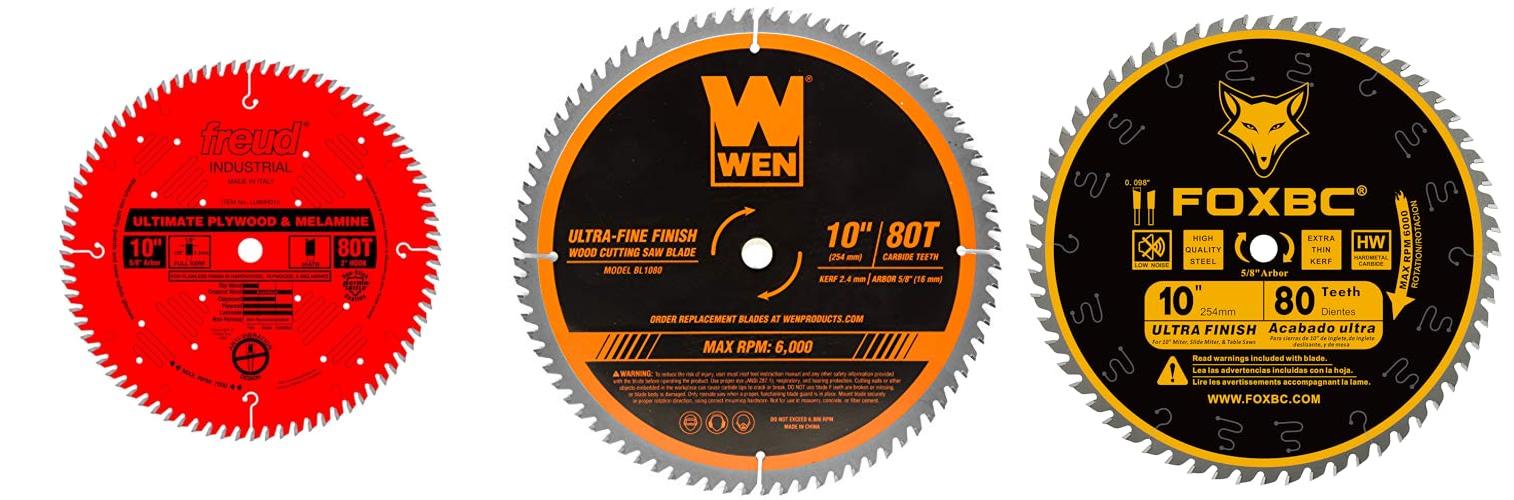
Our Top 5 Plywood Blade For Table Saw Recommendations at a Glance
Top 5 Plywood Blade For Table Saw Detailed Reviews
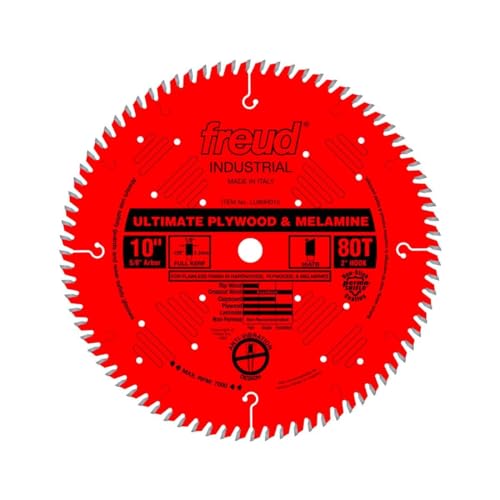
1. Freud LU80R010: 10″ Ultimate Plywood & Melamine Blade
Rating: 9.1/10
The Freud LU80R010: 10″ Ultimate Plywood & Melamine Blade is designed to give you clean, smooth cuts every time. It’s a top choice for anyone working with plywood and melamine. This blade makes your projects look professional.
What We Like:
- The premium TiCo Hi-Density Carbide blend cuts through materials with ease and lasts a long time.
- The High Alternate Top Bevel (HiATB) tooth design creates splinter-free cuts, so your edges look perfect.
- Laser-cut anti-vibration slots keep the blade steady, reduce noise, and help the blade last longer.
- The Perma-Shield Non-Stick Coating stops the blade from sticking, prevents rust, and keeps pitch from building up.
- It has 80 teeth, which is great for making really fine cuts.
What Could Be Improved:
- The kerf (the width of the cut) is a bit wider than some blades, which means it removes a little more material.
- While it’s fantastic for plywood and melamine, it might not be the absolute best choice for heavy-duty hardwoods.
The Freud LU80R010 blade offers exceptional performance for plywood and melamine projects. It helps you achieve professional-looking results with minimal effort.
2. WEN BL1080 10-Inch 80-Tooth Carbide-Tipped Ultra-Fine Finish Professional Woodworking Saw Blade for Miter Saws and Table Saws

Rating: 8.9/10
The WEN BL1080 10-Inch 80-Tooth Carbide-Tipped Ultra-Fine Finish Professional Woodworking Saw Blade is a fantastic tool for anyone who loves working with wood. It’s designed to give you super smooth cuts every time. This blade fits most 10-inch miter saws, jobsite saws, and table saws, making it a versatile addition to your workshop. It spins up to 6000 RPM, so it can handle tough jobs quickly.
What We Like:
- It makes wood look really smooth after cutting.
- The thin blade cuts through wood without wasting material.
- It works well on both hard and soft woods.
- It fits most popular 10-inch saws.
- The 80 teeth create a very clean finish.
What Could Be Improved:
- For very rough cuts, you might not need all 80 teeth.
- It’s a professional-grade blade, so it might be more than some hobbyists need.
If you want your woodworking projects to have a professional look, this WEN saw blade is a solid choice. It delivers excellent results for fine woodworking needs.
3. FOXBC 10-Inch Table Saw Blade

Rating: 9.4/10
The FOXBC 10-Inch Table Saw Blade is designed for woodworkers who demand a smooth, clean cut. With 80 teeth and a thin kerf, this blade makes quick work of various wood types, leaving behind an excellent finish with less effort. Its high-density tungsten carbide construction means it’s built tough and will last a long time, resisting wear and tear.
What We Like:
- It cuts wood very smoothly.
- The thin kerf means less material is wasted.
- It’s made of strong material for long use.
- It works with many popular saw brands.
- It’s good for cutting oak, pine, plywood, and more.
- It helps saws cut cleanly for great results.
- It makes less noise and vibration when cutting.
What Could Be Improved:
- The 80-tooth count might be too fine for very rough lumber.
- While durable, it’s still a saw blade and requires careful handling.
This FOXBC blade offers impressive performance for detailed woodworking projects. It’s a solid choice for anyone looking to improve their cutting precision and finish.
4. Freud Next Generation Premier Fusion General Purpose Saw Blade with TiCo Hi-Density Carbide for Maximum Performance – 10″ Diameter

Rating: 9.1/10
The Freud Next Generation Premier Fusion General Purpose Saw Blade is a powerful tool for any woodworking project. It’s designed to cut through almost anything smoothly, making your work easier and your results look professional.
What We Like:
- The Fusion Trio Tooth Geometry cuts cleanly through plywood and melamine. It also makes super smooth crosscuts and slices through wood easily.
- The special TiCo Carbide blend makes the blade super sharp and strong. It cuts through tough wood without any problems.
- This is a “next-generation” blade that works on many types of wood and sheet goods. It gives you perfect, smooth cuts every time.
- Laser-cut slots help stop the blade from vibrating too much. This means cleaner cuts and a blade that lasts longer.
- The Perma-Shield Coating keeps the blade from sticking and rusting. It also helps the blade cut more smoothly with less effort.
What Could Be Improved:
- For very fine detail work, a blade with more teeth might be better.
- The premium features mean this blade costs a bit more than basic ones.
Overall, this Freud saw blade is a top-notch choice for serious woodworkers. It delivers fantastic performance and consistent, high-quality cuts.
5. Freud Thin Kerf Ultimate Plywood & Melamine Saw Blade with Premium Tico Hi-Density Carbide Crosscutting Blend for Maximum Performance – 10″ Diameter

Rating: 8.5/10
The Freud LU79R010 Thin Kerf Ultimate Plywood & Melamine Saw Blade is a powerhouse for anyone needing super clean cuts. It’s made for tough jobs like cutting plywood, melamine, and even solid wood without any messy tear-out. This blade aims to give you a perfect finish every single time.
What We Like:
- It makes super smooth, chip-free cuts on tricky materials like veneered plywood and melamine.
- The special TiCo carbide blend makes it cut really well and last a long time.
- The Hi-ATB tooth design cuts cleanly and reduces splintering.
- Laser-cut slots help stop the blade from vibrating, which means steadier cuts and a longer blade life.
- The Perma-Shield coating keeps the blade from sticking, getting too hot, and rusting.
What Could Be Improved:
- This blade is designed for specific materials, so it might not be the best choice for rougher lumber.
- The premium features come at a higher price point compared to basic saw blades.
If you’re serious about your woodworking and need the best finish, this Freud blade is a fantastic investment. It delivers professional results that will make your projects shine.
Choosing the Best Plywood Blade for Your Table Saw
Plywood is a popular material for many woodworking projects. It’s strong, affordable, and easy to find. But cutting plywood can be tricky. You can end up with rough edges or splintering if you don’t use the right blade on your table saw. This guide will help you pick the perfect plywood blade.
Key Features to Look For
1. Tooth Count
The number of teeth on a blade matters a lot. For plywood, you want a blade with more teeth. More teeth mean cleaner cuts. They help to “hug” the wood fibers as they cut. This prevents the wood from tearing out. A good starting point for plywood is a blade with 60 to 80 teeth. Avoid blades with fewer than 40 teeth for plywood. Those are better for ripping solid wood.
2. Tooth Grind (ATB, FTG, TCG)
The shape of the teeth is important. For plywood, the best tooth grind is usually ATB (Alternate Top Bevel). This means the teeth alternate between being beveled on the left and the right. This grind creates a very clean cut. It slices through plywood smoothly. FTG (Flat Top Grind) blades are for ripping wood quickly. TCG (Triple Chip Grind) blades are good for harder materials like laminate. Stick with ATB for the cleanest plywood cuts.
3. Blade Kerf
The kerf is the width of the cut the blade makes. Blades come in standard kerf and thin kerf. Thin kerf blades remove less material. They require less power from your table saw. This can be good for smaller saws. However, standard kerf blades are often more durable. For most home users, a standard kerf blade is a good choice for plywood. If you have a less powerful saw, a thin kerf might be better.
4. Blade Material
Most table saw blades are made of steel. The cutting edges are often tipped with carbide. Carbide is a very hard material. It stays sharp longer than plain steel. Look for blades with C2 or C3 carbide tips. C3 carbide is harder and lasts longer. It’s a good investment for frequent use.
Important Materials
The main material for the blade body is high-grade steel. This steel needs to be strong and resist warping. The cutting edges are usually made of tungsten carbide. High-quality carbide tips are crucial for a long-lasting, sharp blade. Some blades also have anti-vibration slots. These are small cuts in the blade body. They help reduce noise and vibration. This makes for a smoother cut and a more pleasant experience.
Factors That Improve or Reduce Quality
Factors That Improve Quality:
- High-Quality Carbide Tips: Better carbide means sharper edges that last longer.
- Precision Balance: A well-balanced blade spins smoothly. This reduces vibration and improves cut quality.
- Anti-Vibration Slots: These slots significantly reduce noise and blade wobble.
- Strong Steel Body: A sturdy steel core prevents the blade from flexing.
Factors That Reduce Quality:
- Low-Quality Carbide: This dulls quickly and leads to rough cuts.
- Poor Balance: An unbalanced blade vibrates. This causes splintering and noise.
- Thin or Weak Steel: The blade can warp or bend. This makes accurate cuts impossible.
- Too Few Teeth: This leads to tear-out and a rough edge on plywood.
User Experience and Use Cases
When you use the right plywood blade, your woodworking experience will be much better. You will get clean, crisp edges on your plywood. This means less sanding is needed. Your projects will look more professional. You can confidently cut plywood for cabinets, shelves, furniture, and decorative items. A good blade makes the job easier and faster. It also makes it safer. A sharp blade cuts through wood more easily. It reduces the chance of the wood kicking back at you.
If you often work with plywood, investing in a good quality blade is a smart move. It will save you time and frustration. It will also improve the overall quality of your finished projects.
Frequently Asked Questions (FAQ)
Q: What is the best tooth count for cutting plywood?
A: For the cleanest cuts, aim for a blade with 60 to 80 teeth when cutting plywood.
Q: Should I use an ATB, FTG, or TCG grind for plywood?
A: The ATB (Alternate Top Bevel) grind is the best choice for plywood because it provides a very clean cut.
Q: What is a “kerf” on a saw blade?
A: The kerf is the width of the cut that the blade makes as it passes through the material.
Q: Is a thin kerf blade good for plywood?
A: A thin kerf blade can be good for smaller saws with less power. For most saws, a standard kerf blade is a good choice.
Q: What makes a table saw blade high quality?
A: High-quality blades have precision-balanced steel bodies and durable carbide teeth.
Q: How does blade balance affect my cuts?
A: A well-balanced blade spins smoothly, reducing vibration and leading to cleaner cuts with less splintering.
Q: What are anti-vibration slots?
A: These are small cuts in the blade body that help reduce noise and vibration during operation.
Q: Will a good plywood blade reduce sanding?
A: Yes, a blade designed for plywood will make cleaner cuts, which means you’ll need to sand less.
Q: Can I use a wood blade for ripping solid wood on plywood?
A: While you can, a dedicated plywood blade will give you much better results and cleaner edges on plywood.
Q: How often should I sharpen my plywood blade?
A: The frequency depends on how much you use it, but a good carbide blade can be sharpened multiple times before needing replacement.
In conclusion, every product has unique features and benefits. We hope this review helps you decide if it meets your needs. An informed choice ensures the best experience.
If you have any questions or feedback, please share them in the comments. Your input helps everyone. Thank you for reading.