
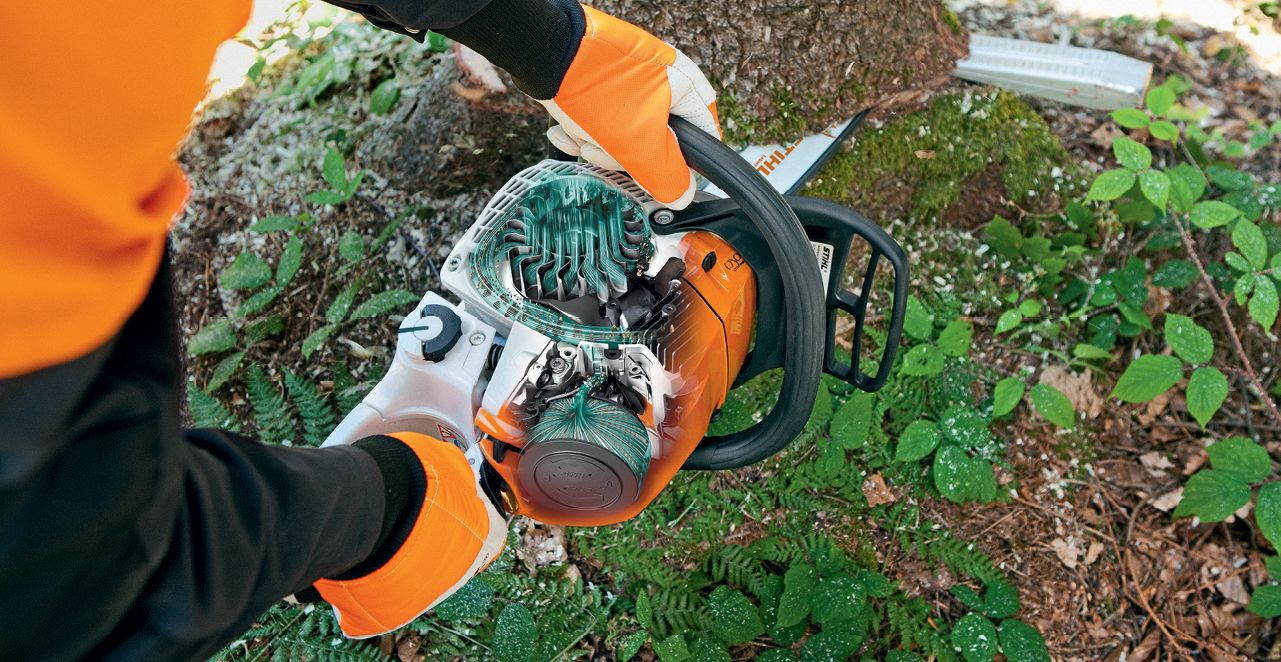
Image Source: blog.stihl.com.au
How To Clean Stihl Chainsaw Air Filter Properly
Can you clean a Stihl chainsaw air filter? Yes, you can and should clean your Stihl chainsaw air filter regularly as part of essential Stihl chainsaw maintenance. A dirty air filter can hinder performance, damage your Stihl chainsaw carburetor, and even lead to engine failure. This guide will walk you through the entire process of how to clean a Stihl chainsaw air filter properly, ensuring your saw runs smoothly and efficiently. This chainsaw air filter cleaning process is vital for Stihl chainsaw servicing and overall chainsaw engine cleaning.
Why Air Filter Cleaning Matters for Your Stihl Chainsaw
Your Stihl chainsaw’s air filter is the first line of defense against dirt, dust, wood chips, and other debris that can enter the engine. Without a clean air filter, these particles can get into the Stihl chainsaw carburetor, causing blockages and affecting the fuel-air mixture. This can lead to a loss of power, rough idling, increased fuel consumption, and eventually, serious internal engine damage. Regular chainsaw air filter cleaning is a simple yet crucial step in preventing costly Stihl chainsaw troubleshooting. It’s as important as checking your chainsaw fuel filter or knowing when to consider a Stihl chainsaw air filter replacement.
Signs Your Stihl Chainsaw Air Filter Needs Cleaning
Before diving into the cleaning process, it’s helpful to know when your filter needs attention. Some common indicators include:
- Reduced Power: If your chainsaw suddenly feels weaker or struggles to cut through wood, a clogged filter is a prime suspect.
- Rough Idling: An inconsistent or rough idle when the saw isn’t actively cutting can point to a dirty air filter disrupting the fuel-air mix.
- Increased Fuel Consumption: A filter that’s restricting airflow forces the engine to work harder, often leading to higher fuel usage.
- Visible Dirt and Debris: A quick visual inspection can reveal a filter that is visibly clogged with sawdust, oil, or grime.
- Black Smoke from Exhaust: This can indicate an overly rich fuel mixture, which can be caused by restricted airflow from a dirty filter.
What You’ll Need to Clean Your Stihl Chainsaw Air Filter
Gathering the right tools and cleaning supplies before you start will make the process smoother and more effective.
Essential Tools and Supplies:
- Screwdriver or Wrench: To remove the air filter cover. The type needed will vary depending on your Stihl chainsaw model.
- Soft Brush: An old toothbrush or a small detailing brush works well for gently removing loose debris.
- Compressed Air: A can of compressed air or an air compressor with a nozzle is ideal for blowing out dust and debris.
- Warm Water: For washing the filter.
- Mild Soap or Dish Soap: A small amount of gentle detergent to help break down oil and grime.
- Clean Rags or Paper Towels: For drying the filter and wiping down components.
- Optional: Air Filter Cleaner: For heavily soiled filters, a dedicated chainsaw filter foam cleaner can be very effective.
- Optional: Filter Oil: If you have a foam filter, you’ll need specific chainsaw filter oil to re-oil it after cleaning.
Different Types of Stihl Chainsaw Air Filters
Stihl uses various types of air filters depending on the model and intended use. The most common are:
- HD2 Filters: These are a newer, high-performance filter made from a porous material that effectively traps fine dust while allowing good airflow. They are often washable.
- Mesh/Felt Filters: These are common in older or more basic models. They can be cleaned but are generally less durable than HD2 filters.
- Foam Filters: Found in some specialized or older models, these filters require specific cleaning and oiling procedures.
Knowing which type of filter your Stihl chainsaw uses is important, as the cleaning method might vary slightly. Always consult your owner’s manual for specific instructions related to your model.
Step-by-Step Guide: How to Clean Stihl Chainsaw Air Filter
This comprehensive guide covers the general procedure for how to clean chainsaw filter types commonly found on Stihl chainsaws.
Step 1: Safely Prepare Your Chainsaw
Safety first! Before you begin any Stihl chainsaw maintenance, ensure the saw is off and the chain brake is engaged.
- Turn off the engine: Make sure the chainsaw is completely shut down and has cooled down if it was recently used.
- Engage the chain brake: This prevents accidental chain movement.
- Work in a clean area: Choose a well-lit, clean space to avoid introducing more dirt to the components.
Step 2: Locate and Access the Air Filter
The air filter on most Stihl chainsaws is located under a cover, usually on the top or side of the engine housing.
- Identify the cover: Look for a housing that typically has a knob, clips, or screws holding it in place.
- Remove the cover:
- Tool-less covers: Many modern Stihl saws have covers secured by a twist knob. Simply turn the knob to release the cover.
- Screwed-on covers: Some models require a screwdriver or wrench to remove screws. Carefully loosen and remove these screws, keeping them in a safe place.
- Gently lift the air filter: Once the cover is off, you should be able to see the air filter. Carefully lift it out, being mindful not to let any debris fall into the carburetor intake.
Step 3: Initial Cleaning and Inspection
Before any washing, remove as much loose debris as possible.
- Tap the filter gently: Hold the filter with the dirty side down and tap it firmly against a hard surface (like your hand or a workbench) to dislodge loose sawdust and dirt.
- Brush away stubborn debris: Use your soft brush to gently scrub away any caked-on dirt or wood chips. Be careful not to damage the filter material.
- Inspect for damage: Carefully examine the filter for any tears, holes, or signs of wear. If the filter is damaged, Stihl chainsaw air filter replacement is necessary. Don’t try to repair a damaged filter.
Step 4: Washing the Air Filter (for washable filters like HD2)
This step is for filters designed to be washed, such as Stihl’s HD2 filters.
- Prepare a cleaning solution: Fill a basin or sink with warm water and add a small amount of mild soap or dish soap.
- Submerge and agitate: Place the air filter in the soapy water. Gently agitate it with your hands to loosen the dirt and grime. For more stubborn dirt, you can use your soft brush.
- Rinse thoroughly: Once the filter looks clean, rinse it under cool running water until all soap residue is gone. Ensure water flows through the filter in the opposite direction of airflow (from the clean side to the dirty side) to push dirt out.
- Avoid harsh chemicals: Never use gasoline, strong solvents, or degreasers on your air filter, as these can degrade the filter material.
Step 5: Cleaning Foam Filters (if applicable)
If your Stihl chainsaw has a foam filter, the cleaning process is different:
- Use specialized cleaner: Foam filters typically require a dedicated foam filter cleaner. Apply the cleaner generously to the filter.
- Squeeze and agitate: Gently squeeze and work the cleaner into the foam to break down oil and dirt. Avoid twisting or stretching the foam.
- Rinse thoroughly: Rinse the filter under cool running water until the water runs clear. Squeeze gently to remove excess water.
- Drying: Allow the foam filter to air dry completely. Do not use heat, as it can damage the foam.
Step 6: Drying the Air Filter
Proper drying is crucial before reinstalling the filter.
- Gently shake off excess water: Hold the filter and shake it to remove as much water as possible.
- Pat with a clean cloth: Use a clean, dry rag or paper towels to gently pat the filter and absorb remaining moisture.
- Air dry completely: Place the filter in a warm, dry place to air dry thoroughly. This can take several hours, depending on humidity. Never install a damp filter, as it can draw moisture into the engine.
Step 7: Re-oiling Foam Filters (if applicable)
If you have a foam filter, it needs to be re-oiled after cleaning and drying.
- Use specific filter oil: Apply a light, even coating of Stihl’s recommended chainsaw air filter oil or a comparable product specifically designed for foam filters.
- Work oil into the foam: Gently squeeze and work the oil throughout the entire filter, ensuring all parts are lightly coated. The oil helps trap fine dust.
- Remove excess oil: Squeeze out any excess oil. The filter should feel slightly damp, not saturated. Too much oil can clog the filter and affect performance.
Step 8: Cleaning the Air Filter Housing and Cover
While the filter is drying, it’s a good time to clean the area around it.
- Wipe down the housing: Use a clean, damp cloth to wipe down the inside of the air filter cover and the area around the filter housing.
- Ensure no debris enters the intake: Be extra careful not to let any dirt or debris fall into the carburetor intake port. You can temporarily cover the intake with a clean rag if necessary.
Step 9: Reinstalling the Air Filter
Once the filter is completely dry (and oiled, if it’s a foam type), it’s time to put it back.
- Place the filter: Carefully insert the clean and dry air filter back into its housing, ensuring it sits correctly and creates a good seal.
- Reattach the cover: Place the air filter cover back on and secure it with the knob, clips, or screws you removed earlier. Make sure it’s snug to prevent air leaks.
When to Consider Stihl Chainsaw Air Filter Replacement
Even with regular cleaning, air filters don’t last forever. There are times when Stihl chainsaw air filter replacement is the best course of action.
- Visible Damage: Any tears, holes, or significant warping means the filter can no longer protect your engine effectively.
- Persistent Clogging: If the filter becomes so deeply clogged that cleaning doesn’t restore adequate airflow, it’s time for a new one.
- Loss of Integrity: If the filter material starts to break down or become brittle, it needs replacing.
- After Extended Use: Most manufacturers recommend replacing air filters periodically, even if they appear clean, as part of a comprehensive Stihl chainsaw maintenance schedule. Check your owner’s manual for recommended replacement intervals.
Table: Identifying When to Replace Your Air Filter
| Sign of Wear/Damage | Action Required |
|---|---|
| Tears or holes in filter | Replace immediately |
| Filter material breaking down | Replace immediately |
| Filter is warped or misshapen | Replace immediately |
| Stubborn, ingrained dirt | Consider replacement if cleaning is ineffective |
| Significant loss of airflow after cleaning | Replace |
Advanced Stihl Chainsaw Maintenance Tips Related to Air Filters
Beyond just cleaning, a few other Stihl chainsaw maintenance practices can help keep your air filter and engine in top shape.
- Regular Cleaning Schedule: Establish a routine. Clean the air filter after every few uses, or more frequently if you’re working in very dusty or dirty conditions.
- Check Spark Plug: A dirty air filter can affect the spark plug. If you notice fouling, check the air filter first.
- Inspect Fuel Filter: Just like the air filter, the chainsaw fuel filter can get clogged, impacting engine performance. Regular checks and replacement are part of good Stihl chainsaw servicing.
- Carburetor Adjustments: In some cases, if you’ve cleaned the filter and the saw still runs poorly, it might be time for a Stihl chainsaw carburetor adjustment or cleaning. However, this is best left to experienced users or professionals.
- Using Quality Fuel: Always use fresh, high-quality fuel mixed with the correct ratio of oil. This contributes to overall engine health and reduces the load on the air filter.
Frequently Asked Questions (FAQ)
Q1: How often should I clean my Stihl chainsaw air filter?
A1: It’s recommended to clean your Stihl chainsaw air filter after every few uses or if you notice a drop in performance. For very dusty or dirty conditions, clean it more frequently.
Q2: Can I use compressed air to clean my Stihl chainsaw air filter?
A2: Yes, compressed air is an excellent tool for blowing out loose debris from washable air filters. However, ensure the air pressure isn’t too high, as it could damage the filter material, and always blow from the clean side to the dirty side.
Q3: What kind of soap should I use for washing the air filter?
A3: Use a mild dish soap or a specialized air filter cleaner. Avoid harsh detergents, solvents, or gasoline, as they can damage the filter material.
Q4: My Stihl chainsaw air filter is made of foam. How do I clean it?
A4: Foam filters require a specialized foam air filter cleaner. Apply the cleaner, gently squeeze to work it in, then rinse thoroughly. After drying, you must re-oil the foam filter with a specific filter oil.
Q5: What happens if I don’t clean my Stihl chainsaw air filter?
A5: Not cleaning your air filter can lead to reduced engine power, increased fuel consumption, rough idling, and eventually, serious damage to your Stihl chainsaw carburetor and engine.
Q6: Can I run my chainsaw without an air filter?
A6: No, never run your chainsaw without an air filter. This will allow dirt and debris to directly enter the engine, causing rapid and severe damage to the cylinder, piston, and carburetor.
Q7: When is it time for a Stihl chainsaw air filter replacement instead of cleaning?
A7: You should replace your air filter if it has tears, holes, is excessively worn, or if cleaning does not restore adequate airflow and performance.
By following these detailed steps for how to clean chainsaw filter components and adhering to regular Stihl chainsaw maintenance, you can significantly extend the life of your chainsaw and ensure it operates at peak performance. A clean air filter is a small effort that yields big rewards in power and longevity for your trusty Stihl. This practice is a fundamental part of effective Stihl chainsaw servicing and will help you avoid many common Stihl chainsaw troubleshooting issues.