
A common and frustrating issue homeowners face is their air conditioner tripping the circuit breaker. If your AC breaker keeps tripping, it usually indicates an electrical problem with the unit or the home’s wiring. The most frequent causes include the AC unit being overloaded, faulty wiring, a blown AC fuse, issues with the AC compressor, or a problem with the air conditioner fan motor.
Dealing with a persistently tripping circuit breaker for your air conditioner can be a real headache. Not only does it leave you without cool air on a hot day, but it can also signal underlying issues that, if ignored, could lead to more significant damage or even safety hazards. This comprehensive guide aims to break down the most common reasons why your air conditioner might be causing your breaker to trip and, more importantly, what you can do about it.
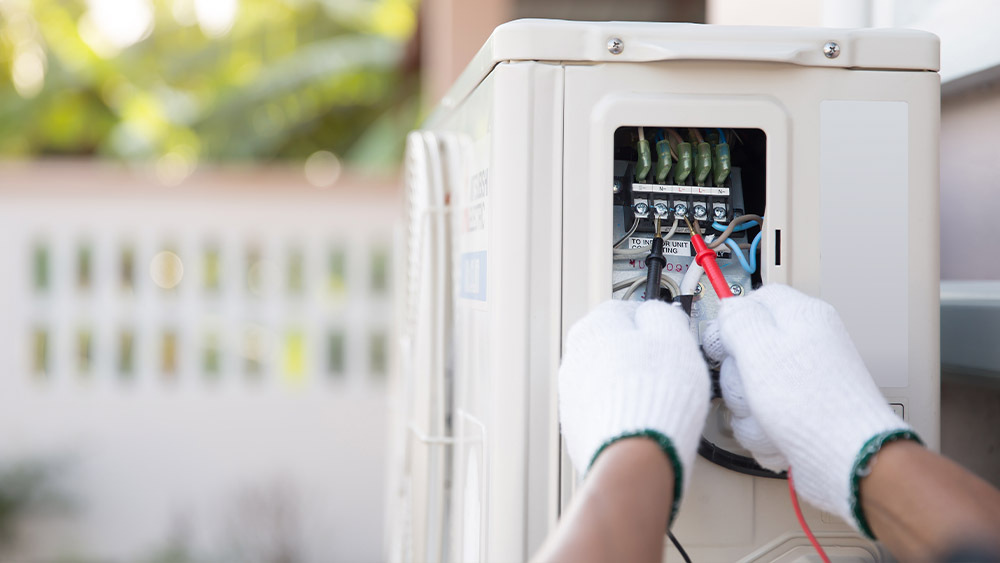
Image Source: cielowigle.com
Deciphering the AC Breaker Trip: What’s Happening?
A circuit breaker is a safety device. Its job is to protect your home’s electrical system from damage caused by too much electricity flowing through it. When an appliance draws more power than the circuit is designed to handle, or if there’s a short circuit, the breaker “trips.” This means it interrupts the flow of electricity to prevent overheating, fires, or damage to the appliance.
Your air conditioner is one of the biggest energy consumers in your home. When it runs, it draws a substantial amount of power. If something goes wrong, it can draw even more, triggering that safety mechanism.
Common Culprits Behind a Tripping AC Breaker
Let’s delve into the specific reasons why your AC might be causing this electrical hiccup.
1. AC Unit Overload: The Power Hog Problem
This is perhaps the most frequent reason for a breaker trip. An AC unit overload happens when the air conditioner tries to draw more electrical current than the circuit breaker is rated for. Several things can cause this:
- Incorrect Breaker Size: The most straightforward reason is that the AC circuit breaker size is too small for the unit’s power requirements. Every AC unit has a recommended breaker size specified by the manufacturer. If an electrician or previous homeowner installed a breaker that’s too low in amperage, it might trip even during normal operation.
- Multiple Appliances on One Circuit: Your AC might be sharing a circuit with other high-draw appliances. Think of space heaters, hair dryers, or even powerful kitchen appliances. If they are all running simultaneously, the combined electrical load can exceed the circuit’s capacity.
- Dirty Air Filter: A clogged air filter restricts airflow. This makes the AC’s motor work harder to pull air through, increasing its energy consumption and potentially causing an overload.
- Dirty or Frozen Evaporator Coils: Similar to a dirty filter, dirty evaporator coils (the indoor coils) also impede airflow. If these coils freeze over, the ice buildup creates an even greater obstruction, forcing the unit to work overtime.
What to do:
* Check other appliances on the same circuit.
* Ensure your air filter is clean.
* If you suspect the breaker size is incorrect, consult a qualified electrician. Never replace a breaker with a higher amperage one without confirming it’s the correct rating for your AC unit and wiring.
2. Faulty AC Wiring: The Hidden Danger
Faulty AC wiring is a serious issue that can lead to frequent breaker trips and pose a fire hazard. This can occur in several places:
- Loose Connections: Wires can become loose over time due to vibrations from the unit or improper installation. A loose connection can create resistance, leading to overheating and increased current draw.
- Damaged Insulation: Wires can be chewed by rodents, pinched, or damaged during installation or repairs. Damaged insulation can expose wires, leading to short circuits where electricity takes an unintended path.
- Corrosion: In humid environments or if the unit is exposed to moisture, electrical connections can corrode, increasing resistance and tripping the breaker.
- Aging Wiring: Older homes may have outdated wiring that isn’t designed to handle the power demands of modern appliances like high-efficiency air conditioners.
What to do:
* This is a job for a qualified electrician. Do not attempt to inspect or repair AC wiring yourself unless you are trained and experienced. An electrician can identify loose connections, damaged wires, and assess the suitability of your home’s existing wiring.
3. Blown AC Fuse: The Safety Shut-Off
While most modern AC units use circuit breakers, some older systems, or specific internal components within the AC unit itself, might have fuses. A blown AC fuse means the fuse has done its job by breaking the circuit to protect the unit from electrical surges or faults.
- Internal Components: Many HVAC systems have a low-voltage fuse (often a 3-amp or 5-amp fuse) located on the control board inside the indoor unit. This fuse protects the control board and other sensitive components. If this fuse blows, the AC won’t turn on, or it might trip the main breaker if the fault is severe.
- External Fuse Box: Less commonly, the AC might have a fuse in a separate fuse box or disconnect near the outdoor unit.
What to do:
* Check the control board first. If you’re comfortable working with electrical components (and after turning off the main power to the AC unit), you can open the indoor unit’s access panel to inspect the control board for a blown fuse.
* Replace with the correct amperage fuse. If you find a blown fuse, replace it with one of the exact same amperage and type. If the new fuse blows immediately, it indicates a more serious underlying problem.
* Consult a professional. If you’re unsure or uncomfortable, it’s best to call an HVAC technician.
4. AC Compressor Issues: The Heart of the System
The AC compressor is the “heart” of your air conditioning system. It’s responsible for circulating the refrigerant. When the compressor has issues, it can draw excessive current and trip the breaker.
- Starting Problems: The compressor requires a large surge of power to start. If it’s struggling to start due to wear and tear, low refrigerant, or internal mechanical issues, it can draw too much current and trip the breaker.
- Seized Compressor: If the compressor motor has seized, it’s trying to run but can’t move. This creates immense resistance and draws a massive amount of power, instantly tripping the breaker.
- Electrical Faults within the Compressor: The compressor motor itself can have internal electrical faults, like a shorted winding, which will cause it to draw excessive current.
What to do:
* This is a major repair, usually requiring a professional. If you suspect compressor problems, an HVAC technician will need to diagnose the issue. This could involve checking the compressor’s starting capacitors, windings, and overall electrical draw.
5. Air Conditioner Fan Motor Problem: The Air Mover
Your AC unit has at least two fan motors: one for the indoor blower and one for the outdoor condenser unit. Either of these can cause breaker trips.
- Indoor Blower Motor: If the indoor fan motor is failing, the fan blades might not be spinning freely or at the correct speed. This can be due to worn bearings, a failing motor capacitor, or electrical issues within the motor itself. A struggling blower motor can lead to the system overheating and drawing more power.
- Outdoor Condenser Fan Motor: The outdoor fan circulates air over the condenser coils to dissipate heat. If this fan motor is failing, seized, or obstructed, the condenser unit can overheat, leading to increased pressure and current draw, and thus tripping the breaker.
What to do:
* Inspect the outdoor fan: Ensure nothing is obstructing the outdoor fan blades.
* Listen for unusual noises: Grinding or humming noises from either fan can indicate a problem.
* Professional Diagnosis: An HVAC technician can test the fan motors, their capacitors, and check for any obstructions or bearing issues.
Other Less Common Causes
While the above are the most frequent offenders, other factors can contribute to your AC tripping the breaker.
High Electrical Load AC and Home Wiring Issues
Sometimes, the problem isn’t solely with the AC unit itself but with how it interacts with your home’s electrical system. A high electrical load AC may be normal for the unit, but if the home’s wiring is old, undersized, or has deteriorating connections, it might not be able to handle the demand.
- Undersized Home Wiring: If your home’s electrical service or the wiring leading to the AC unit is not adequately sized for the total electrical demand, even a properly functioning AC could cause trips.
- Poorly Installed Circuits: Improperly installed breakers or wiring can lead to intermittent faults and tripping.
What to do:
* Full Electrical System Assessment: A qualified electrician can perform a thorough inspection of your home’s electrical panel, wiring, and the specific circuit feeding your AC unit to determine if the issue lies with the house’s infrastructure.
AC Unit Maintenance: The Proactive Approach
A lack of regular AC unit maintenance is often the root cause of many of the issues listed above. Neglecting your system can lead to gradual wear and tear that eventually results in electrical problems.
- Regular inspections: Catching small issues like dirty coils, failing capacitors, or loose connections during routine maintenance can prevent them from escalating into breaker-tripping events.
- Lubrication and cleaning: Motors and bearings need occasional lubrication and cleaning to run efficiently.
- Refrigerant levels: Incorrect refrigerant levels can cause the compressor to work harder, potentially leading to overload.
What to do:
* Schedule annual check-ups: Have your HVAC system inspected and serviced by a qualified technician at least once a year, typically before the cooling season begins.
Troubleshooting Steps: What You Can Do
Before calling a professional, you can perform a few basic checks to try and pinpoint the problem.
1. Check the Circuit Breaker Panel
- Locate the AC Breaker: Find the breaker that controls your air conditioner. It might be labeled “AC,” “HVAC,” or correspond to a specific room or zone.
- Reset the Breaker: If the breaker has tripped (it will be in the middle or “off” position), try resetting it by flipping it firmly to the “off” position and then back to the “on” position.
- Observe: If it trips again immediately or within a few minutes, there is a definite electrical fault. If it stays on but trips later, the issue might be intermittent or related to the AC drawing too much power during certain cycles.
- Check Other Breakers: Ensure no other breakers are tripped, as this could indicate a broader electrical issue.
2. Inspect the Air Filter
- Easy Access: Most AC units have an easily accessible air filter, usually near the indoor air handler unit.
- Visual Check: Pull out the filter and hold it up to a light. If you can’t see much light through it, it’s time for a new one.
- Replacement: Replace the old filter with a new one of the correct size and MERV rating. A clean filter allows for better airflow, reducing strain on the system.
3. Examine the Outdoor Unit (Condenser)
- Clear Debris: Make sure the area around the outdoor unit is clear of leaves, grass clippings, and other debris. This ensures proper airflow.
- Fan Obstructions: Gently check if the outdoor fan blades are free to spin. Do this only after ensuring the power to the unit is OFF at the breaker and the disconnect switch.
4. Listen for Unusual Sounds
- Humming, Grinding, or Buzzing: Pay attention to any unusual noises coming from either the indoor or outdoor unit. These can be indicators of motor problems or other mechanical issues.
- Compressor Noise: A loud banging or struggling noise from the compressor can indicate it’s having trouble starting or is failing.
5. Consider Recent Electrical Work or New Appliances
- New Additions: If the breaker started tripping after you installed a new appliance or had electrical work done, there might be a conflict or overload introduced.
When to Call a Professional
If the simple troubleshooting steps don’t resolve the issue, or if you suspect any of the more serious problems mentioned (faulty wiring, compressor issues, motor problems), it’s crucial to contact a qualified professional.
HVAC Technicians are trained to diagnose and repair air conditioning systems. They have the tools and expertise to safely:
* Test electrical components like capacitors, motors, and compressors.
* Check refrigerant levels and pressures.
* Inspect and repair wiring and electrical connections.
* Identify and fix issues with the AC compressor or fan motors.
* Assess the overall health of your HVAC system.
Electricians are essential for addressing issues related to your home’s electrical system, such as:
* Upgrading undersized wiring or breakers.
* Repairing faulty wiring in your home’s circuits.
* Inspecting your main electrical panel.
The Importance of Proper AC Circuit Breaker Size
The AC circuit breaker size is not a suggestion; it’s a critical safety component. An undersized breaker will trip frequently, causing inconvenience. An oversized breaker, however, is dangerous. It can fail to trip when it should, allowing excessive current to flow, which can overheat wires, melt insulation, and potentially start a fire. Always ensure the breaker protecting your AC unit is the correct size as specified by the manufacturer.
Frequently Asked Questions (FAQ)
Q1: Can I just put in a bigger breaker to stop it from tripping?
A1: Absolutely not. This is extremely dangerous. A bigger breaker will not protect your system or your home from electrical faults and can lead to fires. Always use the breaker size recommended by the AC manufacturer.
Q2: How often should I perform AC unit maintenance?
A2: It’s recommended to have your AC unit professionally inspected and serviced at least once a year, preferably before the cooling season begins. Changing your air filter monthly or bi-monthly is also a crucial part of regular maintenance.
Q3: My AC is only a few years old, why is it tripping the breaker?
A3: Even new units can have manufacturing defects or installation errors. Issues like a faulty compressor, a weak motor, or incorrect wiring during installation can cause a new unit to trip the breaker.
Q4: Is it normal for the AC breaker to trip sometimes?
A4: No, it is not normal for a properly functioning AC unit to regularly trip its circuit breaker. While a single trip might occur due to a temporary surge or a brief overload, persistent tripping indicates an underlying problem that needs attention.
Q5: Can a blown AC fuse be easily replaced?
A5: Yes, the small fuses found on the AC unit’s control board can often be replaced by a homeowner if they are comfortable and cautious. However, if the fuse blows again after replacement, it signals a more serious issue that requires professional diagnosis.
Conclusion
A tripping AC breaker can be a symptom of various issues, from simple maintenance needs to more complex electrical or mechanical problems. By systematically troubleshooting and knowing when to call in the experts, you can ensure your air conditioning system runs safely and efficiently, keeping your home comfortable without the worry of electrical disruptions. Regular AC unit maintenance is your best defense against these common problems.