
Figuring out the right chainsaw size means matching the saw’s power and bar length to the type of wood you’ll cut and the jobs you need to do. A smaller chainsaw is best for light tasks like trimming branches, while a larger, more powerful one is needed for felling big trees or processing large amounts of firewood.
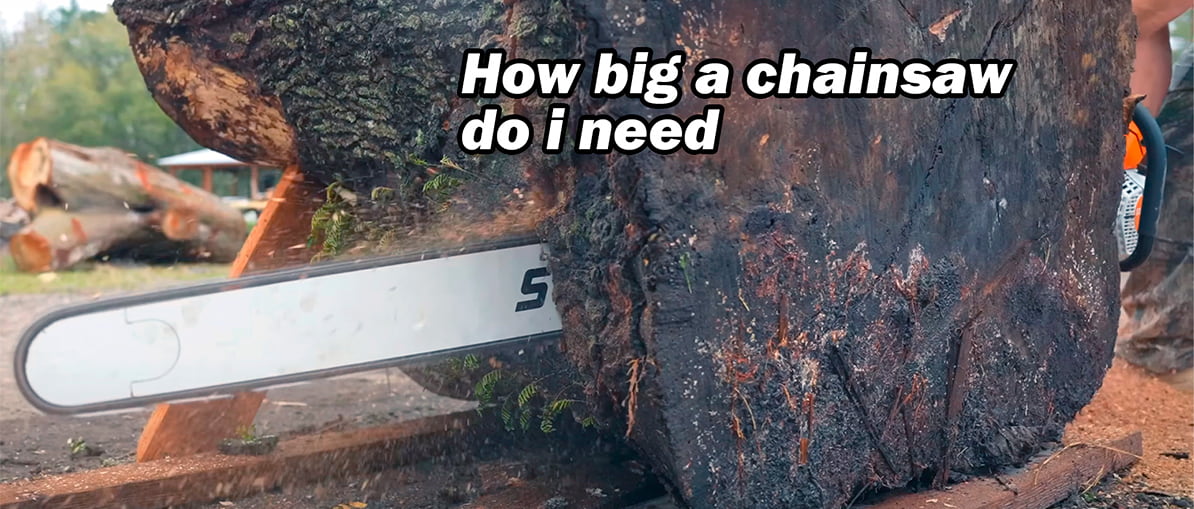
Image Source: www.chainsaw.parts
Deciphering Chainsaw Specifications: What Matters?
When you’re standing in the store or browsing online, a chainsaw can seem like just a chainsaw. But they come in many shapes, sizes, and power levels. Choosing the right one isn’t just about picking the biggest or smallest; it’s about finding the perfect fit for your needs. Let’s break down what makes a chainsaw tick and how those specs translate to performance.
Chainsaw Engine Size: The Heart of the Matter
The engine is the powerhouse of any chainsaw. Its size dictates how much work the saw can handle.
Cubic Centimeters (CCs) Explained
You’ll often see “CCs” on chainsaw specifications. This stands for cubic centimeters, and it’s a measure of the engine’s displacement. Think of it like the volume of the cylinders where the fuel and air mix and ignite.
- Smaller CCs (20-30 CCs): These are typically found in lightweight, top-handle or small rear-handle saws. They’re great for pruning small branches, limbing trees, and light landscaping.
- Medium CCs (30-50 CCs): This is a sweet spot for many homeowners. These saws offer a good balance of power and weight for tasks like cutting firewood, clearing brush, and taking down small to medium-sized trees.
- Larger CCs (50+ CCs): These are the workhorses. They have powerful engines designed for serious jobs like felling large trees, bucking thick logs, and professional logging work.
How Chainsaw Displacement Affects Performance
The higher the CCs, generally the more power the engine can produce. This means it can:
- Cut through tougher wood more easily.
- Handle longer chainsaw bar lengths without bogging down.
- Work for longer periods without overheating.
- Cut faster and more efficiently.
Chainsaw Power Output: More Than Just CCs
While CCs give you a good idea of engine size, chainsaw power output can also be described in horsepower (HP) or kilowatts (kW). This is the actual measurement of how much work the engine can do.
- Horsepower (HP): This is a common unit for measuring engine power. A higher HP means more cutting force.
- Kilowatts (kW): This is the metric equivalent of horsepower.
A chainsaw with a higher power output will feel more effortless to use, especially when cutting hardwood or dealing with larger diameters.
Chainsaw Bar Length: The Reach and the Limit
The chainsaw bar length is the metal blade the chain runs around. It’s a crucial factor in determining the saw’s chainsaw cutting capacity. Bar lengths are measured from the tip of the nose to where the bar enters the saw body.
- Short Bars (8-12 inches): Ideal for pruning, limbing, and cutting small branches. They are lightweight and easy to maneuver, making them perfect for tight spaces and detailed work.
- Medium Bars (14-18 inches): This is the most common size for general homeowner use. They can handle most firewood cutting and tackle small to medium trees. This length offers a good balance of reach and maneuverability.
- Long Bars (20 inches and up): These are for larger jobs. They are used for felling large trees and bucking substantial logs. Longer bars allow you to cut through thicker wood in a single pass. However, they require more powerful engines and are heavier, demanding more user strength and control.
Matching Bar Length to Engine Power
It’s vital to match the chainsaw bar length to the engine’s power. A powerful engine can easily drive a longer bar. Putting a very long bar on a small engine will overwork and potentially damage the saw, leading to slow, inefficient cutting. Conversely, a very short bar on a powerful saw might not take full advantage of its capabilities, though it won’t cause damage.
Chainsaw Cutting Capacity: What Can it Handle?
The chainsaw cutting capacity refers to the maximum diameter of wood a chainsaw can efficiently cut. This is influenced by:
- Bar Length: A longer bar allows you to cut larger diameters.
- Engine Power: A more powerful engine can push the chain through thicker, denser wood.
- Chain Type: Different chains are designed for different types of wood and cutting speeds.
Generally, a chainsaw with a 16-inch bar and a 40-50 CC engine will have a cutting capacity of around 12-14 inches in diameter for most woods. For thicker materials, you’ll need a larger engine and a longer bar.
Selecting the Best Chainsaw Size for Your Tasks
Now, let’s get practical. What kind of jobs are you planning to do? This is the most important question to answer.
Chainsaw for Pruning and Limbing
If your primary tasks involve trimming branches on fruit trees, cleaning up storm-damaged limbs, or doing light landscaping, you don’t need a beast.
- Recommended Engine Size: 20-30 CCs
- Recommended Bar Length: 8-12 inches
- Key Features: Lightweight, easy to handle, often top-handle for better control.
- Why: These tasks require precision and maneuverability. A smaller, lighter saw is less fatiguing and safer for overhead work or in tight spaces.
Chainsaw for Firewood and General Yard Work
For many homeowners, cutting firewood is a common activity. This might involve processing downed trees in your yard or cutting logs from a local supplier. General yard work can also include clearing brush and taking down smaller trees.
- Recommended Engine Size: 30-50 CCs
- Recommended Bar Length: 14-18 inches
- Key Features: Balanced power and weight, comfortable for extended use.
- Why: This range offers enough power to cut through logs of moderate size efficiently. The 14-18 inch bar length is versatile, allowing you to tackle a good range of wood diameters without becoming overly cumbersome. You want a saw that won’t struggle with common firewood sizes.
Chainsaw for Felling and Large Diameter Wood
If you’re regularly taking down larger trees, working with significant timber, or processing large quantities of firewood from substantial logs, you’ll need a more robust saw.
- Recommended Engine Size: 50 CCs and up
- Recommended Bar Length: 18 inches and up (20-24 inches are common)
- Key Features: High power output, durable construction, designed for heavy-duty use.
- Why: Felling trees requires ample power to make clean, controlled cuts and to power through thick trunks. A longer bar allows you to make a single cut through large-diameter wood, increasing efficiency and safety. These saws are heavier and require more physical strength and experience to operate safely.
Factoring in Other Important Considerations
Beyond the core specs, a few other things can influence your decision.
Fuel Type: Gas vs. Electric
- Gas Chainsaws: Offer the most power and are ideal for heavy-duty work. They are self-contained and don’t require a power source. However, they are heavier, noisier, and require more maintenance (fuel mixing, spark plugs, etc.).
- Electric Chainsaws (Corded & Cordless): Lighter, quieter, and easier to maintain. Cordless electric chainsaws are becoming increasingly powerful, suitable for light to medium tasks. They are limited by battery life or the need for a power outlet. Not typically recommended for serious felling or extended firewood processing.
Weight and Ergonomics
A chainsaw’s weight can make a big difference in how long you can work comfortably and safely.
- Lightweight Saws: Easier to handle, especially for prolonged periods or overhead work.
- Heavy-Duty Saws: Offer more power but can be fatiguing. Ensure you can comfortably control the saw throughout its chainsaw cutting capacity.
Ergonomics, like handle placement and anti-vibration systems, also contribute to comfort and reduce fatigue.
Durability and Brand Reputation
For serious work, investing in a well-built chainsaw from a reputable brand is wise. Professional-grade saws are designed for durability and can withstand heavy use.
Chainsaw Size Chart: A Quick Reference
Here’s a simplified guide to help you visualize the typical uses for different chainsaw sizes.
| Task | Chainsaw CCs | Chainsaw Bar Length (inches) | Chainsaw Power Output (HP) |
|---|---|---|---|
| Pruning, Limbing | 20 – 30 | 8 – 12 | 1.5 – 2.5 |
| General Yard Work, Firewood | 30 – 50 | 14 – 18 | 2.0 – 3.5 |
| Felling Small Trees | 40 – 50 | 16 – 18 | 2.5 – 3.5 |
| Felling Large Trees, Heavy Firewood | 50+ | 18 – 24+ | 3.0 – 5.0+ |
Note: This is a general guideline. Actual performance can vary based on engine design, chain quality, and the type of wood being cut.
Frequently Asked Questions (FAQ)
Can I use a small chainsaw for big jobs?
While you can try, it’s not recommended. A small chainsaw (e.g., 25 CC with a 12-inch bar) will struggle immensely and likely overheat trying to cut thick logs for firewood or fell a medium-sized tree. This can damage the saw and is unsafe due to the lack of power and control.
Is a longer chainsaw bar always better?
No, a longer chainsaw bar length is only better if your engine has the power to drive it efficiently and if your tasks require cutting through thick wood. For pruning or light work, a long bar is cumbersome and unnecessary.
How much does chainsaw displacement (CCs) really matter?
Chainsaw displacement (CCs) is a primary indicator of the engine’s power potential. Higher CCs generally mean more torque and the ability to handle tougher jobs and longer bars. It’s a key factor in determining the best chainsaw size for your needs.
What is the ideal chainsaw size for firewood?
For cutting firewood, a chainsaw with a chainsaw engine size between 30-50 CCs and a chainsaw bar length of 14-18 inches is usually ideal for most homeowners. This provides enough power to cut through common firewood logs without being overly heavy or difficult to manage.
Should I consider the chainsaw’s RPMs?
Revolutions per minute (RPM) indicate how fast the chain spins. While important for cutting speed, it’s often tied to the engine’s power output and displacement. Higher RPMs on a powerful engine mean faster cutting, but they also require the engine to be robust. Don’t get too caught up in RPMs alone; consider the overall chainsaw power output and how it translates to torque and cutting ability.
What are “professional” vs. “homeowner” grade chainsaws?
Professional-grade chainsaws are built with more durable materials, designed for daily, heavy-duty use, and often feature more powerful engines and advanced features for efficiency and longevity. Homeowner-grade saws are typically lighter, less expensive, and suitable for occasional use and lighter tasks. If you’re cutting firewood regularly or felling trees, investing in a pro-grade saw might be worthwhile.
Conclusion: Finding Your Perfect Fit
Choosing the right chainsaw size boils down to matching the tool to the task. Don’t be swayed by the biggest numbers if your needs are modest, and don’t under-equip yourself if you have demanding jobs. By considering your intended use, understanding the role of chainsaw displacement, chainsaw bar length, and overall chainsaw power output, you can confidently select the chainsaw that will serve you well for years to come. Remember, safety and proper maintenance are just as crucial as picking the right size.