
Can you store a chainsaw with fuel in it? Yes, you can store a chainsaw with fuel in it for a short period, but it’s generally recommended to drain the fuel for long-term storage to prevent potential issues.
Storing your chainsaw properly is crucial for its longevity, performance, and your safety. Whether you’re a seasoned professional or a homeowner tackling occasional yard work, knowing the ins and outs of chainsaw storage safety is paramount. This guide will walk you through everything you need to know to ensure your chainsaw remains in top condition and is ready when you need it. We’ll cover the best chainsaw storage practices, from preparing your saw for storage to choosing the right storage location and essential accessories.
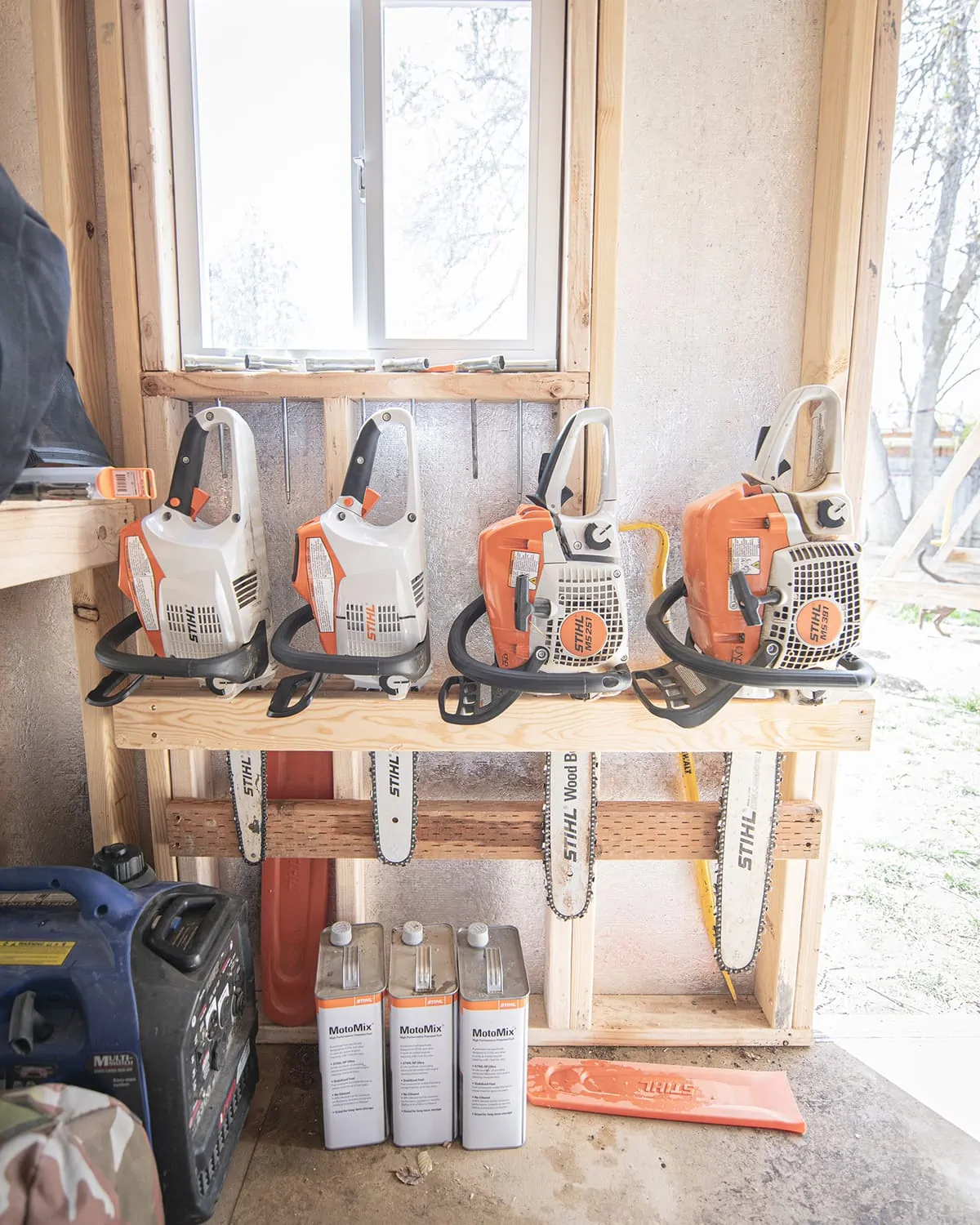
Image Source: somedayilllearn.com
Preparing Your Chainsaw for Storage
Before tucking your chainsaw away, a little preparation goes a long way. Proper prep ensures your saw starts easily and runs smoothly the next time you use it. This section focuses on the essential steps for effective chainsaw maintenance storage.
Cleaning Your Chainsaw
A clean chainsaw is a happy chainsaw. Dirt, sawdust, and sap can gum up moving parts and lead to corrosion.
- Exterior Wipe-Down: Use a clean, damp cloth to wipe down the entire exterior of the chainsaw. Pay attention to the engine casing, handles, and any areas where debris tends to accumulate.
- Air Filter Check: Remove the air filter and clean it according to your chainsaw’s manual. Some filters can be washed and dried, while others may need to be replaced. A clean air filter is vital for engine performance.
- Spark Plug Inspection: Briefly inspect the spark plug for any signs of damage or fouling. You can gently clean it with a wire brush if needed, but it’s often best to replace it if it looks worn.
- Cooling Fins: Ensure the cooling fins on the engine cylinder are free of sawdust and debris. Clogged fins can lead to overheating. Use a brush or compressed air for cleaning.
Fuel Management for Storage
Chainsaw fuel storage is a critical aspect of preparing your saw for downtime. Storing a chainsaw with old fuel can lead to carburetor problems and difficulty starting.
Draining the Fuel Tank
For long term chainsaw storage, draining the fuel is highly recommended.
- Locate the Drain Screw or Plug: Most chainsaws have a drain screw or plug on the fuel tank. Consult your owner’s manual if you’re unsure.
- Use a Container: Place a suitable container underneath the drain screw to catch the fuel.
- Open the Cap and Drain: Open the fuel cap to allow air in, then carefully loosen and remove the drain screw or plug. Let all the fuel drain out.
- Dispose of Fuel Properly: Dispose of the old fuel responsibly. Never pour it down a drain or onto the ground. Many auto parts stores or recycling centers accept used gasoline.
- Start the Engine (Optional but Recommended): After draining, it’s a good idea to start the engine for a few seconds. This will burn off any residual fuel left in the carburetor, preventing it from gumming up.
Using Fuel Stabilizer
If you cannot drain the fuel tank completely, or for shorter storage periods where draining is inconvenient, using a fuel stabilizer is a good alternative.
- Add Stabilizer: Add the recommended amount of fuel stabilizer to a fresh batch of fuel in a separate, approved container.
- Fill the Tank: Fill the chainsaw’s fuel tank with the stabilized fuel mixture.
- Run the Engine: Start the chainsaw and let it run for a few minutes. This ensures the stabilized fuel circulates through the carburetor and fuel lines.
Note on Fuel: Always use fresh fuel mixed with the correct ratio of 2-stroke oil for gas-powered chainsaws. Stale fuel degrades quickly.
Chain and Bar Care
Proper care of the chain and bar is essential for both safety and the longevity of your equipment. This is a key part of chainsaw maintenance storage.
Chain Lubrication
- Clean the Chain: Before storage, it’s a good practice to clean the chain thoroughly. You can use a degreaser and a stiff brush.
- Apply Bar and Chain Oil: Coat the chain and bar with a good quality bar and chain oil. This helps prevent rust and keeps the components lubricated. You can do this by running the saw briefly after filling the oil reservoir, or by manually applying oil along the chain and bar groove.
Chain Tension
- Loosen Tension: Slightly loosen the chain tension. A loose chain is less likely to seize up during storage. Avoid making it completely slack, just enough to prevent binding.
Bar Maintenance
- Clean the Bar Groove: Ensure the groove in the guide bar is free of sawdust and debris. A small tool or a thin wire can help with this.
- Check for Wear: Inspect the bar for any signs of wear, such as burrs or damage along the edges. If there are significant burrs, they can be filed down.
Storing the Chainsaw Blade
Chainsaw blade storage needs to be handled with care to prevent accidental cuts and damage to the blade itself.
Using a Bar Scabbard or Cover
The most important step for chainsaw blade storage is to cover the blade and chain.
- Bar Scabbard: Most chainsaws come with a plastic scabbard that slides over the guide bar and chain. Always use this when the chainsaw is not in use, especially during storage and transport.
- Protective Sleeve: If your scabbard is lost or damaged, consider purchasing a replacement or a specialized chain sleeve.
Applying Lubricant to the Chain
As mentioned earlier, applying a light coat of bar and chain oil to the chain before covering it will protect it from rust during storage.
Choosing the Right Storage Location
The environment in which you store your chainsaw significantly impacts its condition. A proper storage location is key to effective chainsaw storage safety.
Ideal Storage Conditions
- Dry Environment: Moisture is the enemy of metal components. Avoid storing your chainsaw in damp basements or areas prone to condensation.
- Temperature Stability: Extreme temperature fluctuations can be detrimental. A consistent, moderate temperature is best. Avoid storing in direct sunlight, which can heat up the chainsaw and any remaining fuel.
- Out of Reach of Children and Pets: This is paramount for safety. Chainsaws are dangerous tools and should always be stored securely and inaccessible to unauthorized individuals.
- Well-Ventilated Area: While you want to avoid dampness, a completely sealed container might trap any residual moisture. A moderately ventilated space is ideal.
Unsuitable Storage Locations
- Damp Basements or Garages: High humidity can lead to rust.
- Sheds or Outbuildings Exposed to Weather: Extreme temperatures and moisture can cause damage.
- Direct Sunlight: Can degrade plastic parts and heat up fuel, potentially causing pressure build-up.
- Areas with Flammable Materials: Keep your chainsaw away from chemicals, solvents, or other flammable items.
Chainsaw Storage Solutions
When it comes to chainsaw storage solutions, there are several options to consider, ranging from simple to more elaborate setups. The goal is to keep your chainsaw protected, secure, and organized.
Chainsaw Cases and Bags
A good chainsaw case storage solution protects your saw from dust, moisture, and physical damage.
- Hard Cases: These offer the best protection against impacts and are often designed to hold the chainsaw securely, along with accessories like extra chains, files, and bar oil. Look for cases made of durable plastic with sturdy latches.
- Soft Bags: While offering less impact protection, soft chainsaw bags are lighter and easier to store. They provide good protection against dust and scratches. Ensure the bag is made of durable, water-resistant material.
Wall Mounts and Racks
For efficient use of space and easy accessibility, wall-mounted racks are excellent chainsaw storage solutions.
- Wall Brackets: Specially designed brackets can hold your chainsaw securely by its handle or bar. This keeps it off the floor and organized.
- Pegboard Systems: If you have a workshop with pegboard, you can find hooks and holders specifically designed to accommodate chainsaws and their accessories.
Dedicated Storage Cabinets
For larger collections or a more professional setup, a dedicated storage cabinet can provide a secure and organized environment for your chainsaws. This is particularly beneficial for chainsaw maintenance storage, keeping all your tools and supplies in one place.
Long Term Chainsaw Storage
When your chainsaw is going to be idle for an extended period, such as over winter, special considerations are needed for long term chainsaw storage.
Seasonal Storage (Chainsaw Winter Storage)
Chainsaw winter storage requires a few extra steps to protect it from the cold and moisture, and to ensure it’s ready for spring.
- Thorough Cleaning: Perform all the cleaning steps mentioned earlier.
- Fuel Management: Drain the fuel tank completely and run the engine dry. Alternatively, fill the tank with stabilized fuel and run the engine.
- Lubricate Components: Apply a light coat of oil to the chain and guide bar. Wipe down metal parts with a lightly oiled cloth to prevent rust.
- Protect from Moisture: Store the chainsaw in a dry, climate-controlled environment if possible. If storing in an unheated garage or shed, consider placing it in a sealed plastic bag with desiccant packets to absorb any moisture.
- Bar Storage: If you are storing the chainsaw without the bar attached (which can be a good option for very long-term storage), ensure the bar is cleaned, oiled, and stored separately in its protective scabbard.
Storing Without the Bar and Chain
For very long term chainsaw storage, some users prefer to remove the guide bar and chain.
- Benefits: This can prevent rust from forming on the bar and chain and reduce the overall bulk of the stored item.
- Procedure:
- Clean the chainsaw thoroughly.
- Remove the guide bar and chain.
- Clean the guide bar and chain separately.
- Lubricate the chain generously with bar and chain oil.
- Wrap the chain in an oiled cloth or place it in a plastic bag with a light coating of oil.
- Store the bar in its scabbard.
- Store the chainsaw body in a clean, dry place, ideally in a case or bag.
Safety Considerations for Chainsaw Storage
Chainsaw storage safety should always be your top priority. Even when not in use, a chainsaw can be a hazard.
Securing the Chainsaw
- Prevent Accidental Startup: Ensure the chain brake is engaged. If your chainsaw has a chain catcher, make sure it is in place.
- Immobilization: When stored on a wall mount or rack, ensure the chainsaw is securely fastened to prevent it from falling.
- Childproofing: Store chainsaws in locked cabinets or rooms that are inaccessible to children.
Handling and Transport
- Always Use the Scabbard: Never transport a chainsaw without the guide bar and chain covered by a scabbard.
- Secure in Vehicle: When transporting your chainsaw, place it in a sturdy chainsaw case storage or ensure it is secured in your vehicle so it cannot shift or fall.
Chainsaw Maintenance Storage Accessories
Having the right accessories can make chainsaw maintenance storage much easier and more effective.
- Bar and Chain Oil: Essential for lubrication and rust prevention.
- Fuel Stabilizer: Crucial for managing fuel during storage.
- Cleaning Brushes and Solvents: For keeping your chainsaw clean.
- Bar Scabbards/Covers: Non-negotiable for safety.
- Storage Cases/Bags: For protection and organization.
- Tool Kit: A basic toolkit for minor adjustments and disassembly if needed.
- Spark Plug Wrench: For spark plug maintenance.
- Air Filter Cleaner/Replacement: To keep the engine breathing easy.
Frequently Asked Questions (FAQ)
How should I store my chainsaw for the winter?
For chainsaw winter storage, clean the saw thoroughly, drain the fuel tank and run the engine dry, or use stabilized fuel. Lubricate the chain and bar, engage the chain brake, and store it in a dry, protected location, preferably in a case or bag. Consider using desiccant packets if moisture is a concern.
Can I store my chainsaw outdoors?
It is not recommended to store a chainsaw outdoors. Exposure to rain, humidity, extreme temperatures, and sunlight can cause rust, damage plastic components, and degrade fuel and lubricants, significantly shortening its lifespan and potentially creating safety hazards.
What is the best way to store a chainsaw bar?
The chainsaw bar storage should always include a protective scabbard or cover. Clean the bar groove, apply a light coat of bar and chain oil, and then slide the scabbard over the chain and bar. This protects the bar from damage and prevents rust.
How do I prevent rust on my chainsaw chain?
To prevent rust on your chainsaw chain, ensure it is thoroughly cleaned after each use. Apply a generous coat of bar and chain oil to the chain before storage. For long term chainsaw storage, wrapping the chain in an oiled cloth or storing it in a plastic bag with a light oil coating can offer additional protection.
Is it okay to leave gas in my chainsaw if I’m only storing it for a month?
For a storage period of about a month, leaving gas in the tank is generally acceptable, but it’s still a good idea to add a fuel stabilizer to the tank and run the engine for a few minutes to distribute it. For longer periods, draining the fuel is highly recommended.
What are the best chainsaw storage solutions for a small space?
For small spaces, wall-mounted racks or brackets are excellent chainsaw storage solutions as they utilize vertical space. A durable chainsaw case storage that can be hung or placed on a shelf is also a good option. Compact tool cabinets can also help keep things organized and out of the way.
By following these guidelines, you can ensure your chainsaw is stored safely and remains in excellent working condition, ready for whatever cutting tasks you have in store. Proper chainsaw storage safety is an investment in both your equipment and your personal well-being.