
Can you store a circular saw on its side? Yes, you can store a circular saw on its side, but it’s crucial to ensure the blade is protected and the tool is stable. Proper storage for your circular saw is vital for safety, tool longevity, and maintaining a tidy workspace. This article will guide you through the best methods for storing your circular saw safely and effectively.
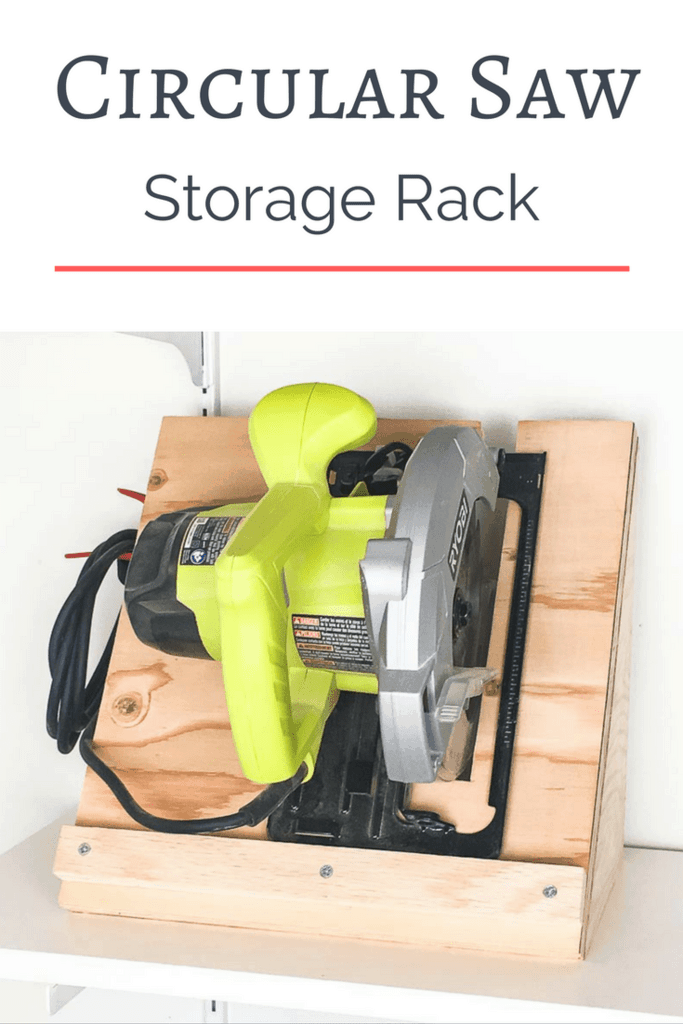
Image Source: www.thehandymansdaughter.com
Why Proper Circular Saw Storage Matters
Storing your circular saw correctly is more than just tidiness; it’s about preventing accidents and preserving your tool. A runaway blade can cause serious injury, and exposure to dust and moisture can degrade its performance. Investing a little time in good circular saw organization will pay dividends in safety and the lifespan of your saw.
Safety First: Protecting Yourself and Others
- Blade Guard Integrity: The blade guard is a critical safety feature. When not in use, it should retract smoothly and cover the blade as much as possible. Improper storage can damage the guard, leaving the sharp teeth exposed.
- Preventing Accidental Activation: Corded saws can be tripped, and battery-powered saws can have their batteries accidentally engaged. Secure storage prevents these accidental startups.
- Tripping Hazards: A circular saw left lying around is a serious tripping hazard in any workshop or garage.
Tool Longevity: Keeping Your Saw in Top Shape
- Dust and Debris: Wood dust, metal shavings, and other workshop debris can clog motors and mechanisms, leading to overheating and premature wear.
- Moisture and Corrosion: Batteries and metal components can corrode if exposed to humidity or direct moisture, impacting performance and potentially rendering the saw unusable.
- Blade Protection: Bent or nicked blades cut poorly and can be dangerous. Protecting the blade from impact is essential.
Exploring Circular Saw Storage Solutions
There are numerous ways to store a circular saw, ranging from simple cases to custom-built cabinets. The best circular saw storage for you will depend on your space, the type of saw you have (corded vs. cordless), and your budget.
The Classic: Circular Saw Cases
Many circular saws come with their own carrying cases, often made of durable plastic or tough fabric. These are excellent for portable circular saw storage and offer good protection against dust and minor impacts.
Advantages of Using a Circular Saw Case:
- Portability: Ideal for transporting the saw to job sites or moving it around the workshop.
- Protection: Shields the saw from dust, moisture, and accidental bumps.
- Organization: Often includes compartments for batteries, chargers, and accessories.
When a Case Might Not Be Enough:
- Workshop Storage: If you’re not moving the saw frequently, a case might take up unnecessary space.
- Limited Access: Repeatedly taking the saw in and out of a case can become cumbersome for daily use.
Wall-Mounted Solutions: Maximizing Vertical Space
Wall mounts are a fantastic way to free up floor and workbench space. They keep your saw readily accessible and out of the way.
Circular Saw Wall Mount Options:
- Simple Hooks: Heavy-duty hooks designed to cradle the saw can be an effective and inexpensive solution. Ensure the hooks are strong enough to support the weight of your saw, especially if it’s a larger model.
- Custom-Designed Mounts: Many DIYers create custom mounts using wood or metal that perfectly fit their specific saw model. This often involves creating a bracket that supports the saw’s base or body.
- Pegboard Systems: For smaller workshops, a pegboard with specialized circular saw holders can offer flexible storage and easy access.
Tips for Installing a Circular Saw Wall Mount:
- Locate Wall Studs: Always mount brackets into wall studs for maximum support.
- Consider Saw Weight: Ensure the mount and the wall it’s attached to can comfortably handle the saw’s weight.
- Blade Clearance: Position the mount so the blade is not exposed or can be easily covered by its guard.
Workbench and Cabinet Storage: Integrated Solutions
For a more integrated approach, consider storing your circular saw within or beneath your workbench, or in a dedicated circular saw cabinet.
Circular Saw Workbench Storage Ideas:
- Under-Bench Mounts: Build a simple shelf or cradle beneath your workbench that slides out for easy access. This keeps the saw protected and readily available.
- Drawer Storage: If you have deep drawers in your workbench, your circular saw might fit, offering dust-free storage.
- Dedicated Bays: Design a specific bay in your workbench or a dedicated cart that snugly fits your saw.
The Circular Saw Cabinet: Ultimate Protection and Organization
A circular saw cabinet offers the highest level of protection against dust, moisture, and accidental damage. It also provides a dedicated, organized space for your saw and its accessories.
Designing Your Circular Saw Cabinet:
- Dimensions: Measure your saw accurately, including any batteries or guards, to ensure a snug but accessible fit.
- Door Access: Consider how you’ll access the saw. A hinged door, a sliding door, or even an open-fronted cubby can work.
- Ventilation: If storing batteries, ensure some minimal ventilation to prevent heat buildup.
- Shelving for Accessories: Include shelves or dividers for batteries, chargers, spare blades, and dust collection attachments.
DIY Circular Saw Storage: Tailoring to Your Needs
DIY circular saw storage allows you to create a solution that perfectly matches your workshop layout and your specific saw.
Simple DIY Storage Projects:
- Wooden Cradle: Build a simple wooden cradle that supports the saw on its side or base, ensuring the blade is safely covered.
- PVC Pipe Mounts: For cordless saws, you can create sturdy mounts using PVC pipes, screwing them to a wall or workbench.
- Modified Toolboxes: Repurpose larger toolboxes or storage bins to create custom compartments for your saw and its accessories.
Key Considerations for DIY Storage:
- Material Strength: Use robust materials that can safely hold the weight of your saw.
- Blade Safety: Always prioritize protecting the blade.
- Ease of Access: The storage should make it easy to retrieve and return the saw.
Best Practices for Storing a Circular Saw Safely
Regardless of the storage method you choose, adhering to these best practices will ensure your circular saw remains safe and functional.
Pre-Storage Checks and Preparation
- Clean the Saw: Before storing, wipe down your circular saw to remove dust and debris. Pay attention to the motor vents and the blade area.
- Check the Blade Guard: Ensure the blade guard is functioning correctly and covers the blade as much as possible.
- Battery Removal (Cordless Saws): For cordless circular saws, it’s generally recommended to remove the battery before storing the tool for extended periods. This prevents accidental discharge and potential damage to the battery. Store batteries in a cool, dry place, preferably in their original packaging or a dedicated battery organizer.
- Inspect the Cord (Corded Saws): For corded saws, wrap the power cord neatly and secure it with a Velcro strap or cord wrap. Avoid kinking or straining the cord.
Optimal Storage Environment
- Dry Location: Moisture is a major enemy of power tools. Store your circular saw in a dry environment, away from potential leaks or condensation.
- Temperature Stability: Avoid extreme temperatures. Very cold or very hot conditions can affect battery performance and potentially damage the tool’s components.
- Out of Direct Sunlight: Prolonged exposure to direct sunlight can degrade plastic components and potentially heat up the tool.
- Secure Location: Ensure the storage location prevents the saw from falling or being knocked over.
Organization for Efficiency
- Dedicated Space: Assign a specific spot for your circular saw. This makes it easy to find and reduces the chance of it being left in an unsafe place.
- Accessory Storage: Keep spare blades, wrenches, and any other essential accessories close to the saw. This could be in a separate compartment of its case, on a shelf near its wall mount, or within its dedicated cabinet.
- Clear Labeling: If you have multiple tools or storage solutions, clear labeling can save time and prevent confusion.
Advanced Circular Saw Storage: For the Dedicated Woodworker
For those who use their circular saw frequently or have a significant collection of tools, investing in more robust storage solutions can be beneficial.
Rolling Tool Chests and Cabinets
A rolling tool chest or a dedicated power tool cabinet can be an excellent circular saw workbench storage solution. These offer mobility, ample storage for accessories, and a protected environment. You can often customize these cabinets with specific cradles or shelves for your circular saw.
French Cleat Systems
For the ultimate in workshop organization, consider a French cleat system. You can build custom holders for your circular saw that mount directly onto the French cleat wall, allowing for easy removal and reattachment. This is a highly versatile solution for circular saw organization.
Custom-Built Tool Stations
If you’re a seasoned DIYer, you might consider building a complete tool station that integrates your circular saw storage with other tools, like a miter saw or table saw. This creates a cohesive and highly functional workspace.
Frequently Asked Questions (FAQ)
Q1: Can I store my circular saw in a damp garage?
A1: It’s best to avoid storing your circular saw in a damp environment. Moisture can lead to rust on metal parts and damage to the battery and motor. If your garage is prone to dampness, consider using a sealed plastic container or investing in a dehumidifier for the storage area.
Q2: Should I remove the battery from my cordless circular saw for long-term storage?
A2: Yes, for long-term storage (more than a few weeks), it’s recommended to remove the battery from your cordless circular saw. This helps prevent accidental discharge and potential damage to the battery or the tool. Store batteries in a cool, dry place, and check their charge periodically.
Q3: How do I protect the blade when storing my circular saw?
A3: The best way to protect the blade is to ensure the saw’s blade guard is functioning correctly and is in place. If you’re using a case or a custom storage solution, ensure it doesn’t put pressure on the blade or teeth. Some users also opt for blade covers, which are often sold separately.
Q4: What is the best way to store multiple circular saw blades?
A4: Store spare circular saw blades in a dedicated blade case or organizer. These cases protect the teeth from damage and keep the blades separated. Avoid storing them loosely, as this can lead to nicks and dulling.
Q5: Is it safe to hang a circular saw by its cord?
A5: No, it is never safe or recommended to hang a circular saw by its cord. This can damage the cord insulation, strain the internal wiring, and create a significant safety hazard. Always use a secure mounting point designed for the weight and shape of the saw.
By implementing these expert tips and best practices for storing a circular saw safely, you’ll not only protect your investment but also create a safer and more efficient workspace for all your DIY and professional projects.