
When should you inspect an extension cord for safety? You should perform extension cord safety checks regularly, ideally before each use, and conduct a more thorough regular extension cord inspection at least every six months, or more frequently if it’s used outdoors or in harsh conditions. This article will delve into the crucial aspects of extension cord safety checks, detailing the frequency of extension cord examination, the best times for when to inspect extension cords, how to perform a visual inspection of extension cords, recognize extension cord wear and tear, checking extension cord damage, promoting safe usage of extension cords, identifying faulty extension cords, and covering the specifics of outdoor extension cord checks.
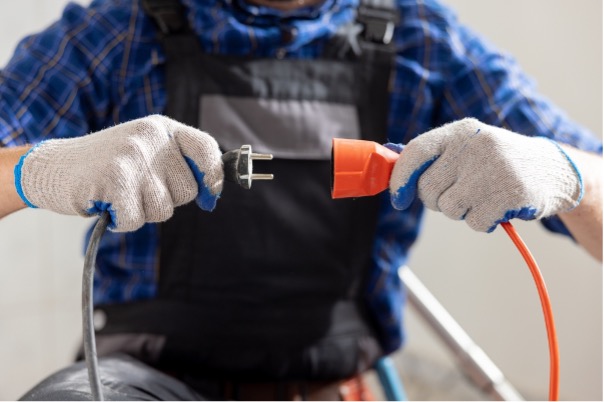
Image Source: weatherproofextensioncord.com
The Importance of Regular Extension Cord Examination
Extension cords are common household tools, but they can become significant safety hazards if not maintained properly. A damaged extension cord can lead to electric shocks, fires, and serious injuries. Therefore, knowing how often to inspect them and what to look for is paramount for your safety and the safety of those around you. This is not just about convenience; it’s about preventing potentially devastating accidents.
Why Frequent Checks Matter
Think of your extension cords like the tires on your car. You wouldn’t drive around on bald tires, would you? Similarly, using a damaged extension cord is like driving with worn-out tires – it’s risky and can lead to a breakdown, or in this case, an electrical incident.
- Preventing Fires: Frayed wires or damaged insulation can cause short circuits, leading to sparks and potentially igniting nearby flammable materials.
- Avoiding Shocks: Exposed wires mean direct contact with electricity, which can cause painful and even fatal shocks.
- Ensuring Device Longevity: Using a damaged cord can also harm the appliances plugged into it, leading to malfunctions or premature failure.
- Compliance with Safety Standards: Many safety regulations and insurance policies require the proper maintenance of electrical equipment, including extension cords.
What Happens When You Don’t Inspect?
Ignoring extension cord safety checks can have severe consequences. A seemingly small nick in the insulation could widen over time, exposing the live wires. Overheating due to overloading or internal damage can melt the plastic casing, creating a fire hazard. These issues often develop gradually, making regular inspections the only way to catch them before they become dangerous.
When to Inspect Extension Cords: A Comprehensive Guide
The question of when to inspect extension cords isn’t a single answer; it’s a layered approach. There are times when an inspection is absolutely critical, and then there are regular, scheduled checks.
Pre-Use Visual Inspection: The First Line of Defense
This is the most basic yet most important step. Before you plug in any extension cord, take a quick moment to look at it.
- Quick Scan: Look for obvious signs of damage like cuts, nicks, fraying, or melted sections on the cord itself, the plug, or the receptacle ends.
- Check the Prongs: Ensure the prongs on the plug are straight, not bent or broken.
- Test the Outlet: Briefly feel the plug and outlet for warmth after plugging in and turning on the appliance. If it feels unusually hot, unplug it immediately.
Scheduled Regular Inspections: The Deeper Dive
Beyond the quick pre-use check, you need to schedule more thorough regular extension cord inspection sessions.
- Monthly Check: A quick but more detailed visual check, especially for cords that are used frequently or stored in high-traffic areas.
- Seasonal/Semi-Annual Check: A more in-depth examination, typically done every six months or at least twice a year. This is especially important for cords used outdoors or in demanding environments.
Post-Use and Storage Inspection: Protecting Your Cords
How you store your extension cords also matters.
- After Use: Inspect the cord for any damage that might have occurred during use, such as being run over, pinched, or exposed to excessive heat or moisture.
- Before Storage: A quick check before coiling and storing can help identify any issues that need repair or replacement before the cord is put away.
Specific Scenarios Requiring Immediate Inspection
Certain situations demand an immediate extension cord safety check even if it’s not your scheduled time.
- After an Incident: If a cord has been run over, dropped, or subjected to any physical stress, inspect it thoroughly.
- If an Appliance Malfunctions: If an appliance plugged into an extension cord suddenly stops working or behaves strangely, the cord could be the culprit.
- If a GFCI Trips: If a Ground Fault Circuit Interrupter (GFCI) protected outlet trips, it could indicate a fault in the extension cord or the connected appliance.
Performing a Visual Inspection of Extension Cords: What to Look For
A visual inspection of extension cords is your primary tool for detecting problems. It requires a keen eye and a methodical approach.
The Cord Jacket: The Outer Shield
The cord jacket, or outer insulation, is the primary barrier protecting the inner wires.
- Cuts and Nicks: Look for any breaks in the outer plastic. Even small cuts can expose the internal wires.
- Abrasions and Scuffing: Heavy scuffing can wear down the insulation over time, making it thinner and more vulnerable.
- Cracks and Brittleness: Exposure to sunlight, extreme temperatures, or age can make the insulation brittle and prone to cracking. This is particularly common with older cords or those used outdoors.
- Melted or Discolored Areas: These are signs of overheating, which can indicate an overloaded cord, internal damage, or a short circuit.
The Plug and Receptacle Ends: The Connection Points
These are critical areas where the cord connects to the power source and the appliance.
- Bent or Broken Prongs: Bent prongs can cause poor connections and arcing. Broken prongs are a direct shock hazard.
- Loose Connections: Gently try to wiggle the prongs in the plug. If they feel loose, the connection is compromised.
- Cracked or Damaged Plastic: The plastic housing of the plug and receptacle ends should be intact. Cracks can expose the internal wiring.
- Signs of Overheating: Discoloration or melting around the prongs or the connection points is a serious red flag.
- Missing or Damaged Ground Pin: For three-prong cords, ensure the ground pin is present and intact. It’s a vital safety feature.
The Wire Itself: Inside the Jacket
While you can’t see the wires directly without cutting the jacket, certain signs suggest internal problems.
- Stiffening or Warping: If the cord becomes unusually stiff or starts to warp into odd shapes, it can indicate internal damage to the insulation or conductors.
- Hot to the Touch: If the cord itself feels unusually warm or hot during use (even without the appliance being overloaded), it’s a strong indicator of internal issues.
Identifying Extension Cord Wear and Tear: Signs to Watch For
Recognizing extension cord wear and tear is key to preventing accidents. Extension cords are subjected to a lot of stress in their lifetime.
Common Culprits of Wear and Tear
- Physical Stress: Being stepped on, run over by furniture, pinched in doors or windows, or pulled sharply can all cause damage.
- Environmental Exposure: Sunlight (UV degradation), moisture, chemicals, and extreme temperatures can degrade the insulation.
- Age: Like all materials, the plastic and rubber insulation on extension cords degrades over time, becoming brittle and prone to cracking.
- Overloading: Pushing too much power through a cord that isn’t rated for it causes overheating, which damages the insulation and conductors.
- Improper Storage: Storing cords tightly coiled for extended periods or storing them in ways that stress the ends can lead to damage.
What Wear and Tear Looks Like
| Type of Wear and Tear | Visual Indicators | Potential Hazards |
|---|---|---|
| Abrasion/Scuffing | Rub marks, thinning of the outer jacket, exposed threads (in fabric-covered cords). | Insulation becomes thin, increasing risk of cuts and shock. |
| Cuts/Nicks | Tears or slits in the outer jacket, revealing insulation or conductors. | Direct contact with live wires, electrical shock, short circuits, fire. |
| Cracking/Brittleness | Dry, brittle-looking insulation that flakes or cracks easily, especially when bent. | Insulation failure, exposure of conductors, shock hazard, fire. |
| Melting/Discoloration | Softened, melted, or darkened areas on the jacket, often near the plug or in the middle. | Overheating due to overload or internal fault, fire hazard. |
| Deformation/Warping | Cord takes on an unnatural shape, feels stiff, or has kinks that don’t straighten. | Internal wire damage, insulation breakdown, potential short circuits. |
| Damaged Prongs/Receptacles | Bent, broken, corroded, or loose prongs; cracked or loose housing on plug/receptacle. | Poor connection, arcing, overheating, shock hazard, appliance damage. |
| Moisture Damage | Swelling, darkening, or disintegration of the jacket; corrosion on metal parts. | Increased conductivity, shock hazard, short circuits, corrosion can weaken connections. |
Checking Extension Cord Damage: A Step-by-Step Process
When you’re in the midst of checking extension cord damage, follow these steps for a thorough examination.
- Unplug Everything: Ensure the extension cord is completely disconnected from both the power source and any appliances before you begin.
- Lay it Out: Extend the entire length of the cord. Don’t inspect it while it’s coiled. Laying it out straight on a clean, dry surface allows you to see every inch.
- Inspect the Plug: Examine the plug for bent or broken prongs, cracks in the plastic, or any signs of melting.
- Examine the Entire Cord Jacket: Slowly run your hands along the entire length of the cord. Feel for any bumps, lumps, soft spots, or unusual textures. Use good lighting to visually scan for cuts, nicks, abrasions, or discoloration. Pay close attention to areas that might have been stressed, such as where the cord enters the plug or receptacle, or where it was frequently bent.
- Check the Receptacle End: Inspect the end that plugs into the wall or power strip for damage, especially around the slots for the prongs.
- Test Flexibility: Gently bend the cord in various places. If it feels unusually stiff, brittle, or makes cracking sounds, the insulation may be compromised.
- Look for Foreign Material: Ensure there’s no dirt, oil, grease, or chemical residue on the cord, as these can degrade the insulation.
Safe Usage of Extension Cords: Beyond Inspection
Inspection is only one part of safe usage of extension cords. How you use them is just as critical.
Key Principles for Safe Use
- Match the Cord to the Need: Use the correct type and gauge of extension cord for the appliance. Heavy-duty appliances require heavier-gauge cords.
- Don’t Overload: Check the wattage rating of the extension cord and the appliance. Never exceed the cord’s capacity. Overloading causes overheating.
- Avoid Tripping Hazards: Keep cords away from walkways and secure them properly if they must cross a path.
- Never Run Cords Under Rugs or Furniture: This can trap heat, cause damage, and hide potential problems.
- Keep Away from Water: Never use extension cords in wet conditions unless they are specifically designed and rated for outdoor wet use. Avoid puddles and damp areas.
- Use the Right Cord for the Job: Indoor cords are not designed for outdoor use. Outdoor cords have reinforced insulation to withstand weather and UV exposure.
- Proper Storage: Coil cords loosely to avoid stressing the wires and insulation. Store them in a dry, protected area.
- No Daisy-Chaining: Avoid plugging multiple extension cords together or plugging an extension cord into another extension cord. This increases the risk of overload and overheating.
- Secure Connections: Ensure the appliance plug is fully seated in the extension cord receptacle, and the extension cord plug is fully seated in the power outlet.
Identifying Faulty Extension Cords: Red Flags
Knowing how to spot a faulty extension cord is essential. Here are definitive red flags that mean a cord should be discarded immediately:
- Exposed Wires: Any visible wires are a serious shock and fire hazard.
- Cracked or Peeling Insulation: This indicates the protective layer is failing.
- Melted or Discolored Plastic: This signifies overheating and potential internal damage.
- Damaged or Missing Ground Pin: The ground pin is a critical safety feature.
- Loose Plug or Receptacle: A poor connection can cause arcing and overheating.
- Frayed Cord Ends: Damage at the points where the cord meets the plug or receptacle is particularly dangerous.
- Sparks or Smoke: If you see or smell sparks or smoke coming from the cord, unplug it immediately and safely discard it.
- Hot to the Touch: If any part of the cord becomes excessively hot during use, it’s faulty.
What to do with a faulty extension cord?
A faulty extension cord should never be repaired by taping it. The insulation is critical, and tape is not a substitute. The safest course of action is to cut the cord in several places to prevent its accidental reuse and then dispose of it properly.
Outdoor Extension Cord Checks: Special Considerations
Outdoor extension cord checks require extra vigilance due to the harsher environment.
Environmental Factors and Their Impact
- Moisture and Water: Outdoor cords are exposed to rain, dew, and sprinklers. Even if rated for outdoor use, persistent moisture can eventually degrade insulation and metal components, leading to corrosion and conductivity.
- UV Radiation: Sunlight breaks down the plastic and rubber insulation over time, making it brittle and prone to cracking.
- Temperature Extremes: Both high heat and freezing temperatures can affect the flexibility and integrity of the cord’s materials.
- Physical Damage: Cords left outside can be damaged by lawnmowers, trimmers, animals, or even just being dragged across rough surfaces like concrete or gravel.
- Dirt and Debris: Accumulation of soil, leaves, or other debris can trap moisture and contribute to degradation.
Specific Checks for Outdoor Cords
- GFCI Protection: Ensure that outdoor outlets and any extension cords used with them are protected by a Ground Fault Circuit Interrupter (GFCI). This provides an extra layer of safety against electric shock in wet conditions.
- “W-A” or “W-F” Rating: Look for markings on the cord that indicate it’s rated for outdoor use, such as “W-A” (weather-resistant) or “W-F” (weatherproof).
- Moisture Sealing: Check that the connections and any splices (if used, which should be avoided if possible) are adequately sealed against moisture.
- Damage from Landscaping Equipment: Be extra careful to inspect cords that have been used near gardening or landscaping activities for any cuts or nicks from tools.
- Buried Cords: Never bury extension cords. If a cord must be routed underground, use permanent underground wiring rated for the purpose.
Extension Cord Safety Checks Frequency Table
To provide a clear summary of extension cord safety checks frequency, here’s a helpful table:
| Inspection Type | Frequency | What to Focus On |
|---|---|---|
| Pre-Use Visual Check | Every time before use | Quick scan for obvious cuts, nicks, frayed wires, bent prongs, or melted plastic on the cord, plug, and receptacle. |
| Monthly Quick Check | Once a month | Slightly more detailed visual inspection of the entire cord, plug, and receptacle. Check for any new wear and tear, especially on frequently used cords. |
| Thorough Regular Check | Every six months (or twice a year) | In-depth visual and tactile inspection. Lay out the entire cord. Check for abrasions, cracks, brittleness, melting, discoloration, and damage to the jacket, plug, and receptacle. Gently bend sections to test for brittleness. |
| Outdoor Cord Check | Before each use, plus monthly and semi-annual checks | All regular checks plus specific attention to moisture damage, UV degradation, proper GFCI protection, and any damage from outdoor elements or landscaping tools. Ensure outdoor-rated cords are used. |
| Post-Incident Check | Immediately after any perceived stress or incident | Inspect for damage if the cord was run over, pinched, pulled sharply, exposed to water, or if an appliance malfunctioned while connected. |
| Pre-Storage Check | Before coiling and storing | Quick visual check for any damage that may have occurred during use, so issues can be addressed before the cord is put away. |
Frequently Asked Questions (FAQ)
How often should I inspect my extension cords?
You should perform a quick visual inspection before each use and a more thorough examination every six months. For cords used outdoors or in harsh conditions, more frequent checks are recommended.
Can I repair a damaged extension cord with tape?
No, you should never repair a damaged extension cord with tape. Tape does not provide adequate insulation and can create a fire or shock hazard. A damaged cord should be discarded.
What are the signs of a faulty extension cord?
Signs of a faulty cord include exposed wires, cracked or peeling insulation, melted or discolored plastic, damaged or missing ground pins, loose plug or receptacle, frayed ends, or if the cord gets hot to the touch during use.
Is it safe to use extension cords outdoors?
Only use extension cords that are specifically rated for outdoor use. These cords have reinforced insulation to withstand moisture, sunlight, and temperature variations. Always ensure outdoor connections are protected from water.
What should I do if my extension cord smells like burning?
If your extension cord smells like burning, unplug it immediately and safely discard it. This indicates a serious issue such as overheating or a short circuit, which can lead to a fire.
Can I plug an extension cord into another extension cord?
No, you should never “daisy-chain” extension cords by plugging one into another. This significantly increases the risk of overloading, overheating, and fire.
By consistently following these inspection guidelines and practicing safe usage habits, you can significantly reduce the risk of electrical hazards and ensure your extension cords serve their purpose reliably and safely. Remember, prevention through regular checks is always the best approach.