
Does your dryer keep tripping the circuit breaker? This often happens because the dryer is drawing too much electricity, causing the breaker to shut off the power to protect your home’s wiring.
Your clothes dryer is a powerful appliance, and like any electrical device, it can sometimes cause your home’s circuit breaker to trip. This is a safety feature designed to prevent fires and protect your home from electrical damage. When the breaker trips, it means something is wrong with the dryer’s electrical draw. Let’s explore the common reasons why this happens and how you can fix it.
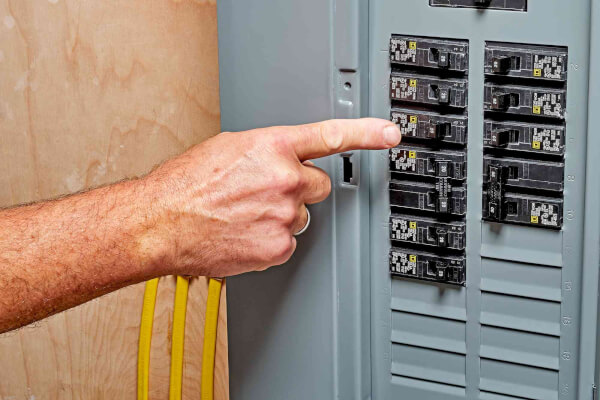
Image Source: excellenceappliancerepair.com
Common Causes for a Dryer Tripping the Circuit Breaker
There are several reasons why your dryer might be causing the circuit breaker to trip. Pinpointing the exact cause is the first step to getting your laundry routine back on track.
1. Dryer Overload
An overload occurs when your dryer attempts to draw more electrical current than the circuit is designed to handle. This is a very common reason for a tripping breaker.
Why Overloads Happen:
- Too Many Appliances on One Circuit: If your dryer shares a circuit with other high-wattage appliances (like a space heater, microwave, or even another dryer), the combined draw can exceed the breaker’s limit.
- Blocked Airflow: A clogged lint trap, vent hose, or blocked dryer drum can cause the dryer to work harder and overheat. This increased workload can lead to a higher electrical draw.
- Overloaded Dryer Drum: Stuffing too many clothes into the dryer can also strain the motor, leading to a higher power draw.
Identifying an Overload:
- Observe When it Trips: Does the breaker trip immediately when you turn on the dryer, or after it’s been running for a while? If it trips quickly, it might be a direct overload. If it happens after some time, it could be a gradual strain.
- Check Other Appliances: Are other appliances on the same circuit working correctly? If they also seem to be affected or cause the breaker to trip when the dryer is on, it points to a circuit capacity issue.
2. Faulty Dryer Heating Element
The heating element in an electric dryer is responsible for generating heat. If this element is faulty, it can cause significant electrical problems.
How a Faulty Heating Element Causes Tripping:
- Short Circuit: A damaged or worn-out heating element can develop a dryer short circuit. This happens when the electrical current finds an unintended path to ground, drawing a massive amount of power and immediately tripping the breaker.
- Increased Resistance: While less common, a partially damaged element might cause excessive resistance, forcing the dryer to draw more current to compensate, eventually leading to an overload.
Symptoms of a Faulty Heating Element:
- No Heat: The most obvious sign is that your clothes are still damp after a full drying cycle.
- Intermittent Heat: The dryer might heat up for a short period and then stop.
- Burning Smell: In some cases, a failing heating element can emit a burning smell.
3. Dryer Motor Problems
The motor is the heart of your dryer, responsible for tumbling the clothes and, in some models, powering the blower fan. If the motor is struggling or failing, it can trip the breaker.
How Motor Issues Cause Tripping:
- Overheating Motor: If the motor’s bearings are worn out or it’s working against excessive resistance (like a clogged vent), it can overheat. An overheating motor draws more current.
- Internal Short Circuit: Internal windings within the motor can become damaged, leading to a dryer short circuit within the motor itself. This will draw a lot of power and trip the breaker.
- Straining Motor: A motor that is trying to turn a drum that is too difficult to rotate (due to a worn belt or obstruction) will draw more power.
Signs of Dryer Motor Problems:
- Drum Not Tumbling: The most obvious sign is if the drum doesn’t spin at all, or spins very slowly.
- Unusual Noises: Grinding, squealing, or humming sounds can indicate motor trouble.
- Burning Smell: An overheating motor can produce a burning odor.
4. Dryer Wiring Issues
The wiring connecting your dryer to the power source and its internal components is crucial. Damaged or loose wiring can lead to electrical problems.
Types of Wiring Issues:
- Loose Connections: Over time, vibrations from the dryer can loosen wire connections at the outlet, at the appliance, or within junction boxes. A loose connection creates higher resistance, generating heat and potentially causing a dryer short circuit or overload.
- Frayed or Damaged Wires: Wires can become frayed or damaged from heat, friction, or age. If a hot wire touches a ground wire or the metal casing of the dryer, it causes an immediate dryer short circuit.
- Incorrect Wiring: If the dryer was recently installed or moved, it’s possible the wiring was done incorrectly, leading to an imbalance or a direct short.
Identifying Wiring Issues:
- Visual Inspection: Look for any signs of burning, charring, or melted plastic around the outlet or the dryer’s power cord.
- Check the Outlet: Ensure the outlet itself isn’t damaged.
5. Faulty Thermal Fuse or High-Limit Thermostat
These safety components are designed to prevent the dryer from overheating. If they fail, they can sometimes cause the breaker to trip.
How They Cause Tripping:
- Shorting Out: While their primary function is to cut power when too hot, a rare internal failure in these components can cause them to short circuit, tripping the breaker.
6. Lint Buildup in the Vent System
While not a direct electrical fault, excessive lint buildup significantly impacts the dryer’s performance and can indirectly lead to electrical issues.
How Lint Causes Problems:
- Overheating: As mentioned, blocked airflow forces the dryer to work harder and overheat. This strain on the motor and heating element increases the electrical draw, potentially leading to an overload.
- Fire Hazard: Lint is highly flammable. A severely blocked vent is a significant fire risk.
7. Power Surge or Home Electrical Panel Issues
Sometimes, the problem isn’t entirely with the dryer but with your home’s electrical system.
External Factors:
- Dryer Power Surge: A sudden surge of electricity from the utility company can overwhelm your dryer and trip the breaker. This is usually a brief event, but it can damage sensitive components.
- Home Electrical Panel Issues: An aging or overloaded home electrical panel can be a source of frequent breaker trips. The breakers themselves might be faulty, or the main panel may not be able to handle the total electrical demand of your home. If multiple breakers are tripping or breakers are tripping without a clear cause, the issue might be with your panel.
- Loose Connections in the Panel: Similar to wiring issues in the dryer, loose connections within the main electrical panel can cause resistance and heat, leading to breaker trips.
Diagnosing Dryer Electrical Problems: A Step-by-Step Guide
When your appliance breaker keeps tripping, it’s important to approach the diagnosis systematically.
Step 1: Safety First!
Always unplug the dryer from the power outlet before performing any internal inspection or cleaning. If you are uncomfortable working with electricity, call a qualified appliance technician or electrician.
Step 2: Check the Simple Stuff
- Clean the Lint Filter: This is the easiest and most common solution. Clean it after every use.
- Check the Dryer Vent: Ensure the vent hose behind the dryer is not kinked, crushed, or blocked with lint. Inspect the exterior vent cap to make sure it’s clear and opens easily.
- Reduce Dryer Load: Try running the dryer with a smaller load to see if that prevents the breaker from tripping.
Step 3: Inspect the Power Cord and Outlet
- Visual Inspection: Look for any signs of damage, scorching, or melted plastic on the dryer’s power cord and plug. Also, inspect the wall outlet.
- Outlet Tightness: Gently try to wiggle the plug in the outlet. A loose connection here can cause problems.
Step 4: Test the Circuit Breaker
- Reset the Breaker: Firmly push the breaker to the “OFF” position, then flip it back to “ON.”
- Check Other Breakers: Are other breakers in your panel tripping? This could indicate a broader issue with your home electrical panel issues.
Step 5: Internal Dryer Checks (Proceed with Caution!)
If the simple checks don’t resolve the issue, you may need to look inside the dryer. This is where it gets more technical.
Checking the Heating Element:
- Accessing the Element: This usually involves removing the back panel of the dryer. Consult your dryer’s manual for specific instructions.
- Visual Inspection: Look for any obvious signs of damage, such as broken wires or melted ceramic insulators.
- Continuity Test (Multimeter Required):
- Unplug the dryer.
- Disconnect the wires leading to the heating element.
- Set your multimeter to the Ohms (Ω) setting.
- Touch the multimeter probes to the two terminals of the heating element.
- A good heating element will show a resistance reading (typically between 10-30 ohms, but check your manual).
- If you get an “OL” (open loop) reading or a very high resistance, the element is likely faulty.
- Also, test for continuity between each terminal and the dryer’s metal casing. There should be no continuity (infinite resistance). If there is, the element has shorted to ground.
Checking the Dryer Motor:
- Accessing the Motor: This often requires removing the drum and other components.
- Visual Inspection: Look for burn marks or damaged wiring connected to the motor.
- Continuity Test (Multimeter Required):
- Unplug the dryer and disconnect the wires from the motor.
- Refer to your motor’s wiring diagram (often found on the motor itself or in the service manual).
- Test the resistance between the motor terminals as specified.
- Test for continuity between each terminal and the motor’s metal housing. A good motor should have no continuity to the casing.
Checking Wiring Connections:
- Internal Inspection: With the dryer unplugged, carefully examine all wire connections, especially those leading to the motor, heating element, door switch, and timer/control board.
- Tighten Loose Connections: Ensure all wire nuts and terminal connections are secure. Loose connections can create resistance and heat, leading to a dryer wiring issues.
- Look for Damaged Wires: Check for any signs of chafing, burning, or breaks in the wires.
Step 6: Test Other Components
- Door Switch: The dryer won’t operate if the door switch isn’t working correctly. It can sometimes short out. Test its continuity with a multimeter when the door is closed.
- Centrifugal Switch (on some motors): This switch starts the motor and disconnects the start winding once the motor is running. If it fails to open or close correctly, it can cause issues.
- Control Board/Timer: A faulty control board or mechanical timer can sometimes cause electrical problems, though this is less common than a heating element or motor issue.
Troubleshooting Table: Dryer Tripping Breaker
| Symptom | Potential Cause(s) | Troubleshooting Steps |
|---|---|---|
| Tripped breaker immediately on startup | Dryer overload, short circuit (heating element, motor, wiring) | Clean lint filter, check vent, reduce load, inspect power cord/outlet, test heating element, motor, and wiring for shorts. |
| Tripped breaker after a few minutes | Overheating motor, heating element strain, airflow restriction | Clean lint filter, check vent, inspect motor for noise/overheating, test heating element, ensure drum spins freely. |
| Dryer not heating, breaker trips | Faulty heating element, wiring issue to element | Clean lint filter, check vent, test heating element for continuity and shorts, inspect wiring to the heating element. |
| Dryer not tumbling, breaker trips | Motor problem, worn belt causing strain, obstructed drum | Clean lint filter, check vent, inspect motor for noises, test motor continuity, check if drum spins freely. |
| Dryer trips breaker when using heat | Heating element, thermostat, wiring to heating components | Test heating element, high-limit thermostat, and cycling thermostat for continuity and shorts. Check wiring associated with the heating circuit. |
| Breaker trips on multiple appliances | Overloaded circuit, home electrical panel issues | Identify appliances on the same circuit, consider redistributing loads or upgrading the circuit. If multiple breakers trip, call an electrician to inspect the main panel. |
| Burning smell when dryer runs | Overheating motor, faulty heating element, wiring issue | Unplug immediately. Inspect motor and heating element. Check for loose or burnt wiring. |
When to Call a Professional
While some dryer issues are straightforward fixes, others require specialized knowledge and tools. You should call a qualified appliance repair technician or an electrician if:
- You are not comfortable performing electrical diagnostics or repairs.
- You suspect issues with your home electrical panel issues or the main service to your home.
- You’ve performed basic checks and the problem persists.
- You need to replace major components like the motor or control board and are unsure how to do it safely.
- The circuit breaker tripping repeatedly without any clear cause, even after resetting.
Addressing a Dryer Power Surge
If you suspect a dryer power surge is the culprit, it’s difficult to directly diagnose without specialized equipment. However, if your breakers trip during thunderstorms or when other large appliances in the neighborhood turn on, a power surge might be a possibility. In such cases, consider a whole-house surge protector installed at your electrical panel.
Frequently Asked Questions (FAQ)
Q1: Can a faulty dryer outlet cause the breaker to trip?
A: Yes, a damaged or faulty dryer outlet can cause resistance or a short, leading to the circuit breaker tripping. Ensure the outlet is properly wired and securely connected.
Q2: My dryer is only a few years old and the breaker keeps tripping. What could be wrong?
A: Even newer appliances can have manufacturing defects or develop issues. Common culprits for newer dryers include a faulty heating element, motor issues due to poor assembly, or even wiring problems that weren’t apparent initially. Overloading the circuit or improper installation can also cause tripping in newer units.
Q3: I have a gas dryer, but the breaker still trips. Why?
A: Gas dryers still use electricity to power the drum motor, the blower fan, and the control panel. If any of these electrical components fail or develop a short, they can trip the circuit breaker, just like an electric dryer.
Q4: How often should I clean my dryer vent?
A: It’s recommended to clean your dryer’s lint filter after every use. The dryer vent hose and ductwork should be thoroughly cleaned at least once a year, or more often if you notice longer drying times or a burning smell.
Q5: Is it safe to use a dryer if the breaker trips frequently?
A: No, it is not safe to continue using a dryer if the circuit breaker trips frequently. Repeated tripping indicates an underlying electrical problem that could be a fire hazard or could cause further damage to your home’s electrical system or the dryer itself. It’s essential to diagnose and fix the issue before using the dryer again.
Q6: What are the signs of dryer wiring issues?
A: Signs of dryer wiring issues include a burning smell, visible charring or melted plastic on the power cord, outlet, or inside the dryer, intermittent operation, or the breaker tripping immediately upon startup.
By systematically working through these potential causes, you can often identify why your dryer is tripping the circuit breaker and get your laundry done without interruption. Remember, safety is paramount, so if you’re ever in doubt, call in the professionals.