
Figuring out the right chainsaw size for your needs is crucial for safety, efficiency, and avoiding frustration. The ideal chainsaw size depends on what you plan to cut, your experience level, and your physical strength. Generally, a homeowner tackling light yard work might need a smaller saw, while a professional logger felling large trees will require a much bigger, more powerful model.
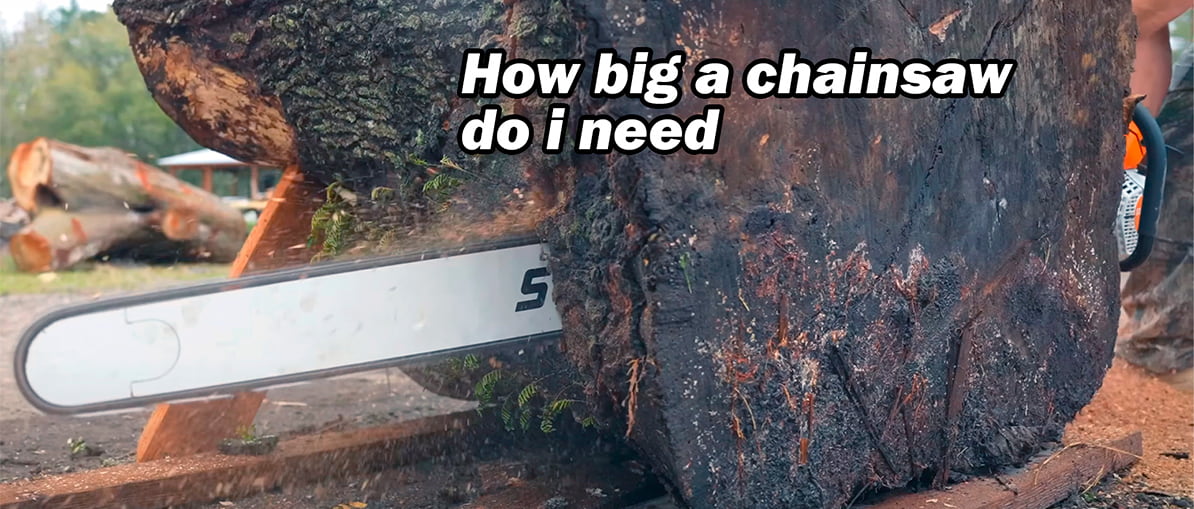
Image Source: www.chainsaw.parts
Deciphering Chainsaw Components: Bar Length and Power
When we talk about chainsaw size, two primary factors come into play: the chainsaw bar length and the chainsaw engine size. These are the core specifications that dictate a chainsaw’s capabilities and suitability for different tasks.
Chainsaw Bar Length: The Cutting Edge
The chainsaw bar length is the metal guide on which the cutting chain travels. It’s measured from the tip of the bar to the point where the bar enters the chainsaw body. This length directly influences the maximum diameter of wood you can cut in a single pass.
Key Considerations for Bar Length:
- Wood Diameter: The most important factor. For branches up to 10 inches in diameter, a 12-14 inch bar is usually sufficient. For trees and logs up to 16-18 inches, a 16-18 inch bar is a good choice. For anything larger, you’ll need a longer bar.
- Balance and Maneuverability: Longer bars are heavier and can be more tiring to use. They also require more power from the engine to maintain optimal cutting speed. A bar that’s too long for the engine will bog down, making cutting inefficient and potentially dangerous.
- Safety: A bar that is too long for the wood you’re cutting can increase the risk of kickback, a violent upward and backward motion of the guide bar.
General Guidelines for Chainsaw Bar Length:
| Wood Diameter (Inches) | Recommended Bar Length (Inches) | Common Chainsaw Type |
|---|---|---|
| Up to 8 | 10-12 | Light-duty, homeowner |
| 8-14 | 14-16 | General homeowner, medium |
| 14-18 | 16-18 | All-around homeowner, prosumer |
| 18-24 | 20-24 | Professional, arborist |
| 24+ | 24+ | Professional, logging |
Note: These are general guidelines. Always consider the actual wood you’ll be cutting. A 20-inch bar can cut an 18-inch log, but it might be a slower, more demanding process than if you used a 24-inch bar.
Chainsaw Engine Size: The Heart of the Saw
The chainsaw engine size determines the saw’s power. This is often expressed in cubic centimeters (chainsaw CCs) or as horsepower (HP). Larger CCs or higher HP generally mean more power and a greater ability to handle tougher tasks.
Fathoming Chainsaw CCs and Power Requirements
Chainsaw displacement, measured in cubic centimeters (CCs), refers to the volume of the engine’s cylinders. A higher CC generally indicates a more powerful engine. Chainsaw power requirements are directly linked to the engine size and the type of work you intend to do.
- Electric Chainsaws: Typically have lower power ratings, suitable for light pruning, cutting small branches, and occasional DIY projects. They are lighter and easier to handle but have a limited power output and require a power source.
- Gasoline Chainsaws: Offer a wider range of power.
- Small-Engine Gas Chainsaws (25-40 CCs): Good for pruning, limbing, and cutting small to medium-sized trees (up to 10-12 inches in diameter). They are lighter and easier to manage for homeowners.
- Mid-Size Gas Chainsaws (40-60 CCs): Versatile for homeowners and semi-professionals. They can handle felling medium-sized trees (12-18 inches), processing firewood, and general yard maintenance.
- Large-Engine Gas Chainsaws (60+ CCs): Designed for professional use, felling large trees, and heavy-duty wood processing. These are powerful, heavier, and require more experience to operate safely.
Interpreting Chainsaw Power for Your Job
The chainsaw cutting capacity isn’t solely determined by the bar length; it’s also heavily influenced by the engine’s ability to drive the chain through the wood. A powerful engine can maintain chain speed even under load, which is crucial for efficient cutting.
- Light Tasks (Pruning, small branches): A smaller engine (25-35 CCs) is often adequate.
- Medium Tasks (Firewood, small to medium trees): A mid-range engine (35-55 CCs) provides a good balance of power and weight.
- Heavy Tasks (Large trees, demanding work): You’ll need a larger engine (55 CCs and up) to avoid straining the saw and ensure efficient cutting.
Selecting the Right Chainsaw Type for the Job
Beyond bar length and engine size, the chainsaw type for job consideration is critical. Different types of chainsaws are designed with specific tasks in mind.
Homeowner vs. Professional Chainsaw: Key Differences
The distinction between a homeowner vs. professional chainsaw lies in their durability, power, features, and intended use.
-
Homeowner Chainsaws:
- Engine Size: Generally smaller (25-45 CCs).
- Bar Length: Shorter (10-16 inches).
- Construction: Often made with more plastic components, lighter weight.
- Intended Use: Occasional yard work, pruning, cutting small branches, processing light firewood.
- Price: More affordable.
-
Professional Chainsaws:
- Engine Size: Larger and more powerful (45 CCs and up).
- Bar Length: Longer (16 inches and up), with heavier-duty options.
- Construction: Built with more metal components for durability and longevity, heavier.
- Intended Use: Daily use, felling large trees, limbing, bucking, commercial forestry, arboriculture.
- Price: Significantly more expensive.
Choosing a professional saw for light homeowner tasks is often overkill and can be more difficult to handle. Conversely, using a homeowner saw for professional-grade work will lead to frustration, inefficiency, and potentially damage to the saw.
Specialized Chainsaw Types
- Top-Handle Chainsaws: Designed for arborists working in trees. They are compact and lightweight, allowing for one-handed operation (with proper training and safety precautions).
- Pole Saw Chainsaws: Feature an extended pole, ideal for trimming high branches without needing a ladder. They typically have smaller engines and bar lengths.
- Electric Chainsaws (Corded/Cordless):
- Corded: Limitless runtime but tethered by a cord, suitable for small, close-proximity tasks.
- Cordless: Offer portability and freedom of movement, with battery life being the main constraint. Power is increasing, with some models now capable of handling medium-duty tasks.
Other Important Chainsaw Specifications
While bar length and engine size are paramount, several other factors contribute to a chainsaw’s overall suitability and user experience.
Chainsaw Weight: Physical Strain and Endurance
Chainsaw weight is a significant factor, especially for prolonged use. Heavier saws, while often more powerful, can lead to fatigue and increase the risk of accidents.
- Lightweight Saws (Under 10 lbs): Ideal for pruning, limbing, and lighter tasks, especially for users who might experience fatigue easily.
- Medium-Weight Saws (10-15 lbs): Offer a good balance for general homeowner use, firewood processing, and felling smaller to medium trees.
- Heavyweight Saws (Over 15 lbs): Typically professional-grade saws designed for demanding work. They require more physical strength and endurance.
Always consider your own physical capabilities when assessing chainsaw weight. A saw that is too heavy will be unwieldy and unsafe.
Chainsaw Fuel Tank Size: Runtime and Efficiency
The chainsaw fuel tank size affects how long you can operate the saw between refueling. Larger fuel tanks mean longer runtimes, which is beneficial for extended work sessions. However, larger fuel tanks also contribute to the overall weight of the chainsaw.
- Small Fuel Tanks: Common on smaller homeowner saws, requiring more frequent refills.
- Large Fuel Tanks: Found on professional saws, allowing for longer periods of continuous operation.
When choosing, balance the desire for longer runtimes with the impact on the saw’s weight and maneuverability.
Matching Chainsaw Size to Your Cutting Tasks
The most effective way to determine the right chainsaw size is to align it with the specific cutting tasks you’ll be performing.
Homeowner Needs: Yard Work and Firewood
For the average homeowner, a chainsaw that can handle tasks like:
- Pruning overgrown shrubs and bushes.
- Cutting down small trees and saplings.
- Limbing fallen branches.
- Processing firewood for a fireplace or wood stove.
Recommendations for Homeowners:
- Bar Length: 14-18 inches is generally suitable for most homeowner needs. This range allows for cutting wood up to 14-16 inches in diameter, which covers most common yard and firewood tasks.
- Engine Size (CCs): 35-55 CCs provides ample power without being overly heavy or complex to operate.
- Chainsaw Type: A mid-range gas-powered chainsaw or a powerful cordless electric chainsaw would be appropriate.
If your needs are very light, such as just occasional pruning of small branches, a smaller electric or gas saw with a 10-12 inch bar and a smaller engine (around 25-35 CCs) might suffice. However, a slightly more powerful saw will offer more versatility and longevity.
Professional and Heavy-Duty Needs: Logging and Large Trees
For professionals or those who regularly fell large trees, clear dense woodland, or process significant amounts of firewood, the requirements are much higher.
- Felling Large Trees: Requires a bar length that is at least two inches longer than the diameter of the tree you intend to cut. This means bar lengths of 20 inches, 24 inches, or even longer.
- Heavy-Duty Processing: Demands more power to efficiently cut through thick logs.
Recommendations for Professionals/Heavy-Duty:
- Bar Length: 18 inches and up, with 20-24 inches being common for felling. Longer bars are available for specialized applications.
- Engine Size (CCs): 50 CCs and above, often reaching 70-90 CCs or more for professional logging saws.
- Chainsaw Type: Robust, professional-grade gas chainsaws with durable construction, advanced anti-vibration systems, and features designed for prolonged, demanding use.
Safety First: Always Prioritize Safe Operation
Regardless of the chainsaw size you choose, safety is paramount. Always wear appropriate personal protective equipment (PPE), which includes:
- Safety Helmet: With eye and ear protection.
- Chainsaw Chaps: Protect your legs from accidental chain contact.
- Steel-Toed Boots: Protect your feet.
- Gloves: For better grip and protection.
Key Safety Practices:
- Read the Owner’s Manual: Familiarize yourself with your specific chainsaw’s operation and safety features.
- Proper Starting Technique: Always start your chainsaw on the ground or a stable surface, never in the air.
- Maintain a Secure Grip: Use both hands and maintain a firm grip on the handles.
- Be Aware of Kickback: This is a sudden, upward and backward movement of the guide bar that can occur when the tip of the bar strikes an object. Use proper cutting techniques and be mindful of the bar tip.
- Maintain Your Chainsaw: Ensure the chain is sharp and properly tensioned, and that the brake is functioning correctly.
Frequently Asked Questions (FAQ)
Q1: Can I use a larger chainsaw than I need?
A1: Yes, you can, but it’s generally not recommended. Larger chainsaws are heavier, more powerful, and can be more difficult to control, increasing the risk of accidents. They are also more expensive and may require more maintenance. If a smaller saw will do the job efficiently and safely, it’s usually the better choice.
Q2: How do I know if my chainsaw bar is too small for the wood?
A2: If you have to force the saw through the wood, if the chain bogs down and stops cutting effectively, or if you’re making multiple passes to get through a log, your bar length (or engine power) might be too small for the task.
Q3: What is the difference between homeowner and professional chainsaws?
A3: Professional chainsaws are built with more durable, higher-quality materials, have more powerful engines, and are designed for frequent, demanding use. Homeowner chainsaws are lighter, less powerful, and intended for occasional, lighter tasks.
Q4: Does chainsaw CCs directly translate to cutting power?
A4: While chainsaw CCs are a strong indicator of engine power, other factors like engine design, exhaust system, and carburetor tuning also play a role. However, generally, higher CCs mean more power and better chainsaw cutting capacity.
Q5: How often should I sharpen my chainsaw chain?
A5: The frequency depends on usage and the material being cut. A good rule of thumb is to sharpen the chain when you notice a significant decrease in cutting performance or if you see sawdust instead of fine wood chips. Many professionals sharpen their chain after every fuel fill-up.
Choosing the right chainsaw size is a balance of power, size, weight, and intended use. By carefully considering these factors, you can select a tool that will help you complete your tasks safely and effectively for years to come.