
Sawfly larvae can be a gardener’s worst nightmare, munching their way through leaves and defoliating plants at an alarming rate. So, how do you get rid of sawfly larvae? The most effective methods involve early detection, manual removal, introducing beneficial insects, and using organic sprays.
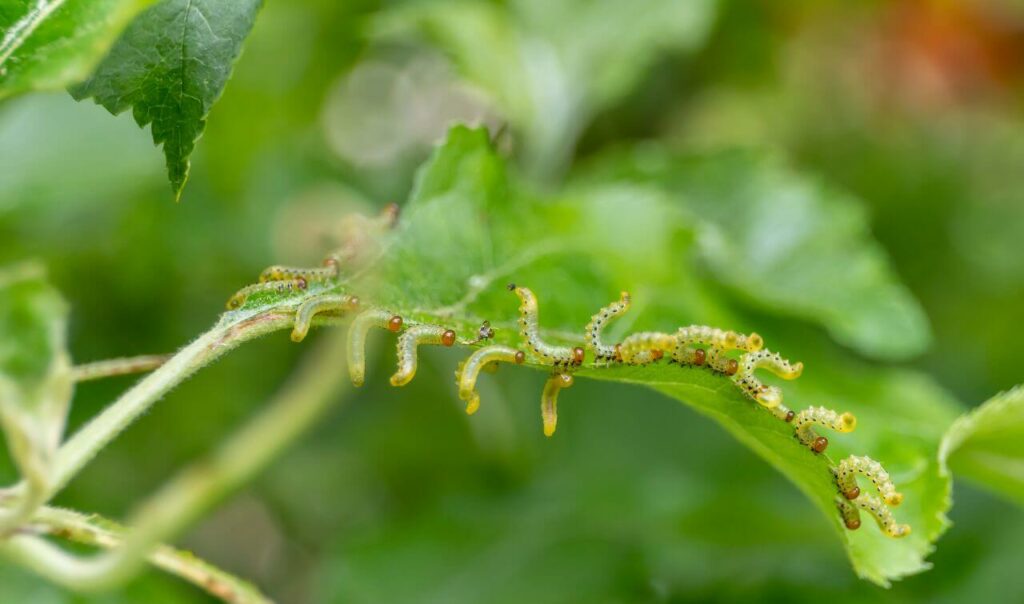
Image Source: www.arborcare.com
Decoding the Sawfly’s Life Cycle for Effective Control
To truly conquer sawfly larvae, we need to grasp their complete sawfly life cycle. This knowledge is your secret weapon in preventing future infestations and effectively managing current ones. Sawflies are not true flies, but rather insects belonging to the order Hymenoptera, which also includes bees and wasps.
The Sawfly Lifecycle Stages
The sawfly journey from egg to adult involves several distinct phases:
- Egg Stage: Adult female sawflies use their saw-like ovipositor to slice into plant tissues, typically leaves or stems, and deposit their eggs. These eggs are often laid in neat rows or clusters, depending on the species. They can be very small and are frequently hidden within the plant’s structure, making them difficult to spot.
- Larval Stage: This is the stage where the damage occurs. Sawfly larvae, often called “worms” or “caterpillars” (though they are not true caterpillars), hatch from the eggs and begin feeding voraciously on the foliage. They resemble caterpillars with multiple pairs of prolegs and a distinct head capsule. Their feeding habits can range from skeletonizing leaves to consuming them entirely.
- Pupal Stage: Once the larvae have reached their full size and consumed enough to develop, they will drop from their host plants or burrow into the soil to pupate. They may spin cocoons made of silk, sometimes mixed with soil particles or plant debris. This is a period of transformation, where the larva reorganizes into an adult sawfly.
- Adult Stage: The adult sawfly emerges from the pupa and is typically a winged insect. Their primary focus is reproduction. They feed on nectar and pollen, but their mouthparts are not designed for chewing plant material like the larvae. After mating, the females will seek out suitable host plants to lay their eggs, restarting the cycle.
Key Takeaway: Knowing these stages helps target your sawfly control efforts at the most vulnerable points.
Identifying Sawfly Damage: What to Look For
Recognizing the tell-tale signs of sawfly damage is crucial for early intervention. The most obvious indicator is the chewed foliage.
- Skeletonization: Some sawfly larvae feed by scraping away the soft green tissue between the leaf veins, leaving behind a delicate, lacy skeleton of the leaf.
- Complete Defoliation: Other species are less picky and will consume entire leaves, leading to bare branches and significantly weakened plants.
- Presence of Larvae: You’ll often find the larvae themselves clustered on the leaves, especially in the early morning or late afternoon. They may drop or curl up when disturbed.
- Egg Deposits: Look for small slits or bumps on the leaves or stems where the females have laid their eggs.
Getting Rid of Sawfly Larvae: Effective Strategies
Once you’ve confirmed a sawfly infestation, it’s time to act. A multi-pronged approach is often the most successful for sawfly treatment.
Manual Removal: The First Line of Defense
For smaller infestations or on plants you can easily access, manual removal is a simple yet highly effective method of natural sawfly removal.
- Handpicking: Simply go through your plants and pick the larvae off by hand. Wear gloves if you prefer.
- Squashing: Once you’ve gathered them, you can crush them or drop them into a bucket of soapy water.
- Timing: This is best done in the early morning or late evening when the larvae are most active.
Pros:
* Non-toxic and environmentally friendly.
* Immediate reduction of the pest population.
* Free!
Cons:
* Time-consuming for large infestations.
* May miss some larvae, especially those hidden on the undersides of leaves.
Water Blast: A Gentle but Effective Takedown
A strong jet of water from your garden hose can dislodge many sawfly larvae from plants.
- How it Works: The force of the water can knock the larvae off the leaves, and they often struggle to find their way back or are unable to climb the plant.
- Frequency: This needs to be done regularly, as new larvae may hatch or other larvae may return.
Pros:
* Quick and easy.
* No chemicals involved.
Cons:
* May not kill the larvae, just dislodge them.
* Can be less effective on larger, heavier larvae.
Biological Control: Nature’s Own Pest Managers
Harnessing the power of nature can be a sustainable way to remove sawfly caterpillars.
- Beneficial Insects: Many insects prey on sawfly larvae. Ladybugs, lacewings, and parasitic wasps are natural enemies. Encouraging these beneficials by planting a diverse range of flowering plants can help keep sawfly populations in check.
- Birds: Birds like chickadees, titmice, and nuthatches are also voracious eaters of insects, including sawfly larvae. Providing bird feeders and birdbaths can attract these feathered allies to your garden.
Pros:
* Long-term, sustainable solution.
* No negative environmental impact.
Cons:
* Takes time to establish populations of beneficial insects.
* Control may not be immediate.
Organic Sprays: Targeted Solutions
When manual methods are not enough, several organic sprays can effectively deal with sawfly larvae.
- Neem Oil: This is derived from the neem tree and acts as an insecticide, growth regulator, and antifeedant. It disrupts the larvae’s ability to feed and grow. Ensure you purchase a high-quality, cold-pressed neem oil.
- Application: Mix according to product instructions, usually a tablespoon of neem oil and a teaspoon of insecticidal soap per gallon of water. Spray thoroughly, covering all surfaces of the affected plants, including the undersides of leaves. Apply in the early morning or late evening to avoid harming beneficial insects.
- Bacillus thuringiensis (Bt): This is a naturally occurring bacterium that is toxic to the larvae of certain insects, including many species of sawflies. Bt var. kurstaki is particularly effective against caterpillars.
- How it Works: When the larvae ingest Bt, the bacterium produces toxins that paralyze their digestive systems, leading to starvation.
- Application: Mix with water and spray directly onto the foliage. It’s most effective when larvae are small and actively feeding.
- Insecticidal Soap: This works by breaking down the outer cuticle of the soft-bodied larvae, causing dehydration and death.
- Application: Mix a mild liquid soap (like pure castile soap, not detergent) with water. Test on a small area of the plant first to ensure it doesn’t cause leaf burn. Spray directly onto the larvae.
Important Considerations for Organic Sprays:
- Targeting: Apply sprays directly to the larvae and the affected foliage.
- Timing: Spray during cooler parts of the day (early morning or late evening) to prevent leaf scorch and to avoid harming pollinators.
- Persistence: Multiple applications may be necessary, depending on the severity of the infestation and the sawfly life cycle.
Pros:
* Effective against a wide range of soft-bodied insects.
* Generally safe for beneficial insects and pets when used correctly.
Cons:
* May require repeat applications.
* Can be less effective on very large larvae.
Chemical Insecticides: A Last Resort
While not recommended for most situations, chemical insecticides are available for severe sawfly infestations.
- Use with Caution: These should be considered a last resort due to their potential impact on beneficial insects, pollinators, and the environment.
- Read Labels Carefully: If you must use chemical insecticides, always read and follow the label instructions precisely. Choose products specifically labeled for sawfly larvae and your particular plant type.
Pros:
* Can be highly effective for severe infestations.
Cons:
* Can harm beneficial insects, pets, and wildlife.
* Potential for pesticide resistance.
* Environmental concerns.
Sawfly Prevention: Stopping Them Before They Start
The best sawfly control is prevention. By implementing preventative measures, you can significantly reduce the likelihood of future sawfly infestations.
Regular Garden Inspections
Make it a habit to regularly inspect your plants, especially those known to be favored by sawflies.
- Early Detection: The sooner you spot signs of eggs or small larvae, the easier it will be to manage the problem.
- Focus Areas: Pay close attention to the undersides of leaves, where eggs and young larvae are often found.
Maintaining Plant Health
Healthy, vigorous plants are generally more resilient to pest attacks.
- Proper Watering: Ensure plants receive adequate water, especially during dry periods.
- Appropriate Fertilization: Avoid over-fertilizing, which can sometimes attract pests.
- Good Air Circulation: Prune plants to ensure good airflow, which can deter some pests.
Attracting Natural Predators
As mentioned in biological control, encouraging beneficial insects and birds is a fantastic preventative strategy.
- Companion Planting: Certain plants can attract beneficial insects. For example, dill, fennel, and yarrow are known to attract lacewings and parasitic wasps.
- Habitat: Provide habitats for beneficials by allowing some areas of your garden to grow a bit wild, with flowering plants and undisturbed mulch.
Physical Barriers
In some cases, physical barriers can protect vulnerable plants.
- Row Covers: For seedlings or young plants, lightweight row covers can prevent adult sawflies from laying their eggs. Ensure the covers are securely fastened to the ground.
Specific Sawfly Types and Their Control
Different sawfly species target different plants, and their habits can vary slightly. Knowing which sawfly you’re dealing with can refine your sawfly treatment plan.
Rose Sawfly
- Host Plants: Roses.
- Larvae Appearance: Grub-like, often pale green or yellowish, with a distinct head.
- Damage: Creates characteristic “windowpanes” by eating the upper leaf surface, or skeletonizes leaves. Some species roll leaves.
- Control: Handpicking, water blasts, neem oil, Bt.
Pear Sawfly
- Host Plants: Pears.
- Larvae Appearance: Green, slug-like.
- Damage: Skeletonizes leaves, leading to browning and premature leaf drop.
- Control: Similar to rose sawfly, focus on early detection and manual removal.
Imported Willow Sawfly
- Host Plants: Willows, poplar, aspen.
- Larvae Appearance: Large, bluish-green with black stripes.
- Damage: Can cause complete defoliation of trees.
- Control: For larger trees, consider Bt or neem oil. Birds are also good predators.
Tenthredinidae (Common Sawflies)
This is a large family with many species that target a wide variety of plants including conifers, vegetables, and shrubs.
- General Control: The methods outlined above – manual removal, water blasts, organic sprays, and attracting beneficials – are generally effective across many species. Identifying the specific host plant is key to tailoring your approach.
Dealing with Sawfly Eggs
Can you get rid of sawfly eggs before they hatch? Yes, and it’s highly recommended for effective sawfly control.
- Manual Removal: If you can locate the clusters or rows of eggs, simply remove the affected leaves or stems and dispose of them away from the garden (e.g., in a sealed bag in the trash).
- Pruning: Carefully prune out sections of the plant where eggs are visible.
- Timing: This is most effective when you can spot the egg-laying sites.
Pros:
* Prevents the hatching of new larvae.
* No chemicals needed.
Cons:
* Eggs can be very small and difficult to find.
* Requires diligent inspection.
Frequently Asked Questions (FAQ)
What are sawfly larvae?
Sawfly larvae are the immature stage of sawflies, which are insects related to bees and wasps. They are often mistaken for caterpillars but have more legs and a different developmental process. They are known for their voracious appetite for plant foliage.
Can sawfly larvae kill my plants?
While a severe sawfly infestation can weaken plants by causing significant defoliation, it’s rare for them to kill a healthy, mature plant outright. However, repeated defoliation can stress plants, making them more susceptible to other diseases and pests, and can significantly impact fruit or flower production. Young or newly planted specimens are at a greater risk.
How do I know if it’s sawfly larvae and not caterpillars?
Sawfly larvae typically have more legs than true caterpillars. Caterpillars usually have three pairs of true legs at the front of their body and several pairs of fleshy “prolegs” further back. Sawfly larvae often have more prolegs, and their body segments can look more uniform. Another clue is the way they feed; sawfly larvae often feed in groups and may skeletonize leaves or consume them entirely, while some caterpillars have different feeding patterns.
When should I be most concerned about sawfly larvae?
The primary concern is during their larval feeding stage, which typically occurs in late spring and early summer, and sometimes again in late summer or early fall, depending on the species and climate. This is when they cause the most visible sawfly damage.
Are sawfly larvae harmful to humans?
Sawfly larvae themselves are not harmful to humans. They do not bite or sting. Some species may secrete a defensive fluid, but this is typically not irritating. The primary concern is their impact on plants.
How can I get rid of sawfly larvae naturally?
Natural sawfly removal includes handpicking the larvae, using strong water sprays to dislodge them, encouraging beneficial insects like ladybugs and birds, and applying organic sprays like neem oil or Bacillus thuringiensis (Bt).
How do I prevent a sawfly infestation?
Prevention strategies include regularly inspecting your plants for signs of eggs or early larvae, maintaining plant health through proper watering and fertilization, encouraging natural predators, and using physical barriers like row covers on vulnerable plants. Diligent garden cleanup at the end of the season can also help by removing overwintering sawfly pupae.
What is the best organic sawfly control method?
The “best” method can depend on the specific sawfly species, the plant affected, and the severity of the infestation. However, for organic sawfly control, a combination of manual removal and targeted organic sprays like neem oil or Bt is often highly effective. Encouraging beneficial insects also provides long-term, sustainable control.
How do I get rid of sawfly eggs?
You can get rid of sawfly eggs by carefully inspecting plants and manually removing any clusters of eggs or the leaves they are attached to. Dispose of them in a sealed bag. Pruning affected plant parts is also an option. Early detection of eggs is a key part of sawfly prevention.
Can I use beneficial nematodes to control sawfly larvae?
Beneficial nematodes are most effective against soil-dwelling pests. Since most sawfly larvae pupate in the soil, beneficial nematodes might offer some control during this stage. However, they are not effective against the larvae feeding on the leaves, which is when the most damage occurs. Therefore, they are not a primary solution for active sawfly infestations.