
Can you cut a laminate sheet with a utility knife? Yes, you absolutely can! With the right technique and a few simple tools, cutting laminate sheet using a utility knife is a straightforward process, perfect for DIY projects or making quick adjustments to laminate flooring. This guide will walk you through the entire process, ensuring you get clean, precise cuts every time. We’ll cover everything from preparing your workspace to the specific steps involved in scoring and cutting your laminate.
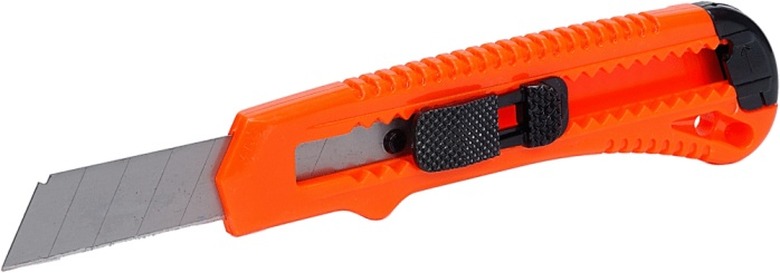
Image Source: www.hunker.com
Why Choose a Utility Knife for Laminate Cutting?
When tackling projects involving laminate, you might wonder about the best cutting tools. While specialized saws are available, a good quality utility knife offers several advantages for cutting laminate sheet. It’s accessible, affordable, and with the correct laminate cutting technique, it can deliver surprisingly clean results. This method is particularly useful for smaller cuts, intricate shapes, or when you don’t have access to power tools. The key lies in the scoring laminate process, which essentially pre-cuts the material.
Benefits of Using a Utility Knife:
- Cost-Effective: Utility knives are significantly cheaper than power saws.
- Portability: Easy to carry and use in various locations.
- Precision for Smaller Cuts: Ideal for detailed work or trimming edges.
- Less Mess: Generates less dust compared to sawing.
- Safety (with proper use): When handled correctly, it’s a safe tool.
Essential Tools and Materials
Before you start scoring laminate wood or any other laminate material, gather your supplies. Having everything ready makes the process smoother and safer.
What You’ll Need:
- Utility Knife: Choose a sturdy utility knife with a comfortable grip. Ensure the blade is sharp.
- Replacement Blades: Always have extra blades on hand. A dull blade makes the job harder and can lead to uneven cuts.
- Straight Edge/Ruler: A metal ruler or a long, straight piece of wood or laminate will serve as your guide.
- Measuring Tape: For accurate measurements.
- Pencil or Marker: For marking your cut lines.
- Cutting Mat or Scrap Wood: To protect your work surface and provide a stable base for cutting.
- Safety Glasses: Protect your eyes from flying debris.
- Gloves (Optional but Recommended): Protect your hands from cuts.
Preparing Your Workspace
A well-prepared workspace is crucial for safety and achieving the best results when cutting laminate flooring or a laminate countertop section.
Setting Up for Success:
- Clear the Area: Remove any clutter from your work area.
- Ensure Good Lighting: You need to see your cut lines clearly.
- Protect Surfaces: Lay down a cutting mat or scrap wood to prevent damage to your floor or table. This is especially important when scoring laminate sheet.
- Secure the Laminate: Make sure the laminate sheet is stable and won’t move while you’re cutting. You might need clamps for larger pieces.
The Art of Scoring Laminate: Your First Step
The most critical part of using a utility knife for laminate is scoring laminate. This process involves making a deep, consistent cut along your marked line. This cut weakens the laminate, allowing it to snap cleanly.
How to Score Laminate Effectively:
- Mark Your Cut Line: Use your pencil or marker to draw a clear, straight line on the laminate where you want to cut.
- Position Your Straight Edge: Place your metal ruler or straight edge firmly along the marked line. Ensure it’s positioned so the scoring blade will follow the line precisely. For laminate sheet cutting, a longer straight edge is better.
- Grip the Utility Knife: Hold the utility knife firmly. Your grip should be secure but not so tight that it causes fatigue.
- Apply Firm, Consistent Pressure: Place the scoring blade on the laminate edge, right next to the straight edge. Apply firm, steady pressure.
- Make Multiple Passes: Don’t try to cut through the laminate in one go. Instead, make several passes along the marked line. Each pass should be deeper than the last, but maintain consistent pressure. The goal is to cut through the top decorative layer and the core material.
- Follow the Guide: Keep the utility knife laminate blade pressed firmly against the straight edge throughout the scoring process. This ensures a straight score.
- Listen and Feel: You’ll feel the blade biting into the material. As you score deeper, the resistance will change.
Tips for Perfect Scoring:
- Sharp Blade is Key: A dull blade will tear the laminate, resulting in a messy edge. Swap blades frequently.
- Consistent Pressure: Avoid jerky movements. Smooth, even pressure is essential.
- Don’t Rush: Take your time to ensure accurate scoring.
- Score Enough Depth: For most laminate, you’ll need to score at least 2-3 times, or until you feel you’ve cut through a significant portion of the material’s thickness.
Making the Break: Snapping the Laminate
Once you have a good score line, it’s time to break the laminate. This is where the pre-cut score line does its work.
How to Snap Laminate:
- Position for Breaking: Place the laminate sheet over an edge, such as a table or workbench. The score line should be directly over the edge. Ensure at least half of the laminate piece is on either side of the edge.
- Apply Downward Pressure: Hold the larger section of the laminate firmly. With your other hand, apply quick, firm downward pressure on the overhanging section.
- Controlled Snap: The laminate should snap cleanly along the score line. If it doesn’t break cleanly, you may need to score it again, or your initial score wasn’t deep enough or straight enough.
- Repeat if Necessary: For thicker laminate, you might need to repeat the scoring and snapping process.
Refining the Cut: Finishing Touches
Sometimes, the break might leave a slightly rough edge. You can clean this up with your utility knife.
Finishing the Edge:
- Inspect the Edge: Look for any jagged bits or imperfections.
- Trim with Utility Knife: Hold the utility knife at a slight angle and carefully trim away any rough material. Make light, shaving passes rather than deep cuts. This is a form of laminate sheet scoring in reverse, trimming away material.
- Use Sandpaper (Optional): For a perfectly smooth edge, you can gently sand it with fine-grit sandpaper.
Cutting Laminate Flooring with a Utility Knife
Cutting laminate flooring is a common DIY task, and a utility knife is a great tool for it, especially for shorter cuts or when fitting pieces around obstacles. The process of cutting laminate flooring is very similar to laminate sheet cutting.
Steps for Laminate Flooring:
- Measure and Mark: Measure the area where the flooring will go and mark your cut line on the laminate plank.
- Score Deeply: Use your utility knife and a straight edge to score the top layer of the laminate plank multiple times. Ensure the scoring blade follows your marked line precisely. This is crucial for scoring laminate wood.
- Snap the Plank: Place the scored plank over an edge and snap it cleanly.
- Check Fit: Test the fit in its intended location.
Cutting Laminate Countertops with a Utility Knife
For scoring laminate countertop sections, the principle remains the same, but the thickness and density of the material might require more passes with the scoring blade.
Tips for Countertops:
- Thicker Material: Countertop laminate is often thicker. You might need more passes with your utility knife to get a good score.
- Support: Ensure the countertop piece is well-supported on both sides of your score line to prevent it from sagging or breaking unevenly.
- Practice: If you’re cutting a large countertop, practice on a scrap piece first to perfect your laminate cutting technique.
Specific Laminate Types and Considerations
While this guide focuses on general laminate sheet scoring, different types of laminate might require slight adjustments.
Laminate Wood vs. Other Laminates:
When scoring laminate wood, you’re dealing with a core material that might be slightly softer or denser than typical laminate flooring. The principle of scoring and snapping still applies. The key is to find the right balance of pressure and number of passes for the specific type of laminate sheet scoring you’re doing.
Troubleshooting Common Issues
Even with the best intentions, you might encounter minor problems. Here’s how to fix them.
Common Problems and Solutions:
- Uneven Break:
- Cause: Insufficient or inconsistent scoring, or uneven pressure during snapping.
- Solution: Rescore the line more deeply and evenly. Ensure the laminate is perfectly aligned on the breaking edge.
- Jagged Edges:
- Cause: Dull blade, or tearing during the score or snap.
- Solution: Use a sharp blade for scoring. Trim away jagged edges with light passes of the utility knife.
- Laminate Cracking Prematurely:
- Cause: Too much pressure applied in one spot during scoring, or the score line is too deep in one area.
- Solution: Focus on consistent pressure and multiple passes. Distribute pressure evenly when snapping.
Safety First!
Always prioritize safety when using a utility knife for cutting laminate sheet.
Safety Precautions:
- Always Cut Away from Yourself: Never cut towards your body.
- Keep Fingers Clear: Ensure your fingers are well away from the blade path.
- Use a Stable Surface: Never try to cut on an unstable surface.
- Retract the Blade: Retract the blade when not in use.
- Dispose of Blades Safely: Use a blade disposal container or wrap old blades securely before discarding.
- Wear Safety Gear: Safety glasses and gloves are essential.
Advanced Tips for the Perfect Cut
For those looking to achieve truly professional results when cutting laminate sheet with utility knife, consider these advanced tips.
Going the Extra Mile:
- Blade Angle: Experiment with the angle of your scoring blade. A slightly angled blade can sometimes provide a cleaner cut.
- Multiple Blades: If you’re cutting many pieces or a particularly thick laminate, consider using a fresh blade for each major cut. This ensures consistent sharpness.
- Scrap Pieces: Use scrap pieces of laminate or cardboard underneath your scoring line to catch the blade if it goes too deep, protecting your work surface and the utility knife scoring tool.
- Wetting the Blade (Cautionary): For some materials, slightly wetting the blade can reduce friction. However, be cautious with laminate, as moisture can affect the adhesive. This is generally not recommended for standard laminate.
When a Utility Knife Might Not Be Enough
While a utility knife is versatile, there are times when other tools are more appropriate.
When to Consider Other Tools:
- Very Thick Laminate: Laminate thicker than 10-12mm might be too challenging for a utility knife, even with multiple scores.
- Very Long Cuts: For long, straight cuts on large sheets, a circular saw with a fine-tooth blade will be faster and potentially more accurate.
- Specialized Cuts: Intricate curves or bevels are best done with specialized saws.
- High Volume Work: If you’re installing a large area of laminate flooring, a power saw will save considerable time and effort.
Frequently Asked Questions (FAQ)
Here are some common questions about cutting laminate with a utility knife.
FAQ Section:
Q1: How many times do I need to score laminate?
A1: It depends on the thickness and type of laminate. For standard laminate flooring (around 8mm), 2-3 deep, consistent passes are usually sufficient. Thicker materials may require more passes.
Q2: Can I cut laminate without a straight edge?
A2: It’s highly discouraged. A straight edge is crucial for guiding the scoring blade and ensuring a straight cut. Cutting freehand will likely result in a wobbly or uneven line.
Q3: What’s the best type of utility knife for cutting laminate?
A3: A heavy-duty utility knife with a comfortable grip and a snap-off blade is ideal. Ensure the blade is sharp.
Q4: Does scoring laminate flooring differ from scoring a laminate countertop?
A4: The technique is the same, but countertop laminate is generally thicker and denser. This means you’ll likely need more passes with the scoring blade and potentially more force when scoring laminate countertop sections.
Q5: How do I dispose of used utility knife blades?
A5: Used blades are sharp and dangerous. It’s best to use a dedicated blade bank or wrap them securely in thick tape or cardboard before placing them in the trash. Never leave them exposed.
Q6: Can this method be used for vinyl planks with a laminate top?
A6: Yes, this method is very effective for vinyl plank flooring that has a laminate-like wear layer. The scoring and snapping technique works well for these materials.
Q7: What if the laminate snaps unevenly?
A7: If the snap isn’t clean, it usually means the scoring wasn’t deep or consistent enough. Reposition the laminate, re-score the line with more passes, and try snapping again. You can also trim minor imperfections with the utility knife.
Conclusion
Mastering the art of cutting laminate sheet with utility knife is a valuable skill for any DIY enthusiast. By focusing on proper scoring laminate technique, using sharp blades, and applying consistent pressure, you can achieve clean, precise cuts. Remember to always prioritize safety and prepare your workspace thoroughly. Whether you’re working on cutting laminate flooring or a piece for a laminate countertop, this guide provides the essential knowledge for success. With practice, you’ll become adept at laminate sheet cutting using just your trusty utility knife.