
A circuit breaker typically lasts between 15 to 30 years, but this can vary greatly depending on usage and environmental factors. This article will explore the circuit breaker lifespan, what affects it, and when it’s time for breaker replacement interval. We will also discuss the average breaker life, how often to replace circuit breakers, circuit breaker age, factors affecting breaker longevity, when to replace a circuit breaker, electrical panel breaker life, lifespan of an electrical breaker, and breaker wear and tear.
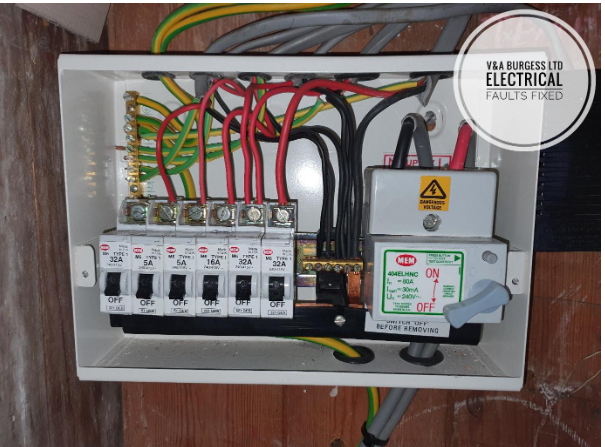
Image Source: www.electricalfaultsfixed.com
Deciphering the Lifespan of Your Electrical Breakers
Your home’s electrical system relies on circuit breakers to protect it from overloads and short circuits. These vital safety devices act like a gatekeeper, shutting off power when too much electricity flows through a circuit. But like any component, they don’t last forever. Knowing the expected lifespan of your circuit breakers is crucial for maintaining a safe and reliable home.
What Influences How Long a Circuit Breaker Lasts?
Several factors contribute to how long a circuit breaker will reliably function. It’s not just about the age of the breaker; it’s also about how it’s used and the conditions it operates in.
Usage Patterns and Electrical Load
The primary function of a circuit breaker is to interrupt electrical flow. Every time a breaker “trips” and resets, it undergoes a small amount of mechanical and electrical stress.
- Frequent Tripping: Breakers that trip often due to overloaded circuits will experience more wear and tear than those that rarely, if ever, trip. Each trip involves physical movement of internal contacts, which can degrade over time.
- Continuous Load: Running high-demand appliances constantly on a circuit can also stress a breaker, even if it doesn’t trip. The breaker mechanism is designed for intermittent use, and constant full load can lead to overheating and premature failure.
- Surge Events: Power surges, while often handled by surge protectors, can also put stress on circuit breakers. Repeated minor surges can degrade breaker performance.
Environmental Conditions
The environment in which your electrical panel and breakers are located plays a significant role in their longevity.
- Temperature: Extreme heat or cold can impact the materials within a circuit breaker. High temperatures can cause insulation to degrade and internal components to expand, potentially leading to malfunctions. Very cold temperatures can make materials brittle.
- Humidity and Moisture: Excessive humidity or direct exposure to moisture can lead to corrosion of internal metal parts and connections. This can increase resistance, cause overheating, and ultimately lead to breaker failure or nuisance tripping. Damp basements or garages are particularly vulnerable locations.
- Dust and Debris: Accumulations of dust, dirt, or other debris within the electrical panel can hinder the proper functioning of the breaker. It can interfere with the tripping mechanism or create pathways for electrical shorts.
Quality and Type of Circuit Breaker
Not all circuit breakers are created equal. The quality of manufacturing and the type of breaker installed can significantly affect its lifespan of an electrical breaker.
- Brand Reputation: Established brands with a reputation for quality components and robust design often produce breakers that last longer.
- Type of Breaker: Different types of breakers are designed for specific applications and environments. For instance, a heavy-duty industrial breaker will likely have a different lifespan than a standard residential breaker. Arc-fault circuit interrupters (AFCIs) and ground-fault circuit interrupters (GFCIs) have more complex internal mechanisms, which could theoretically influence their longevity compared to simpler thermal-magnetic breakers, though they are designed for many years of service.
Installation Quality
Proper installation is paramount for ensuring a circuit breaker functions correctly and lasts its intended lifespan.
- Secure Connections: Loose wire connections can lead to arcing, overheating, and premature failure of the breaker.
- Correct Sizing: Installing a breaker that is correctly sized for the circuit’s wire gauge and expected load is essential. An undersized breaker will trip too often, while an oversized breaker poses a fire risk if a fault occurs.
- Proper Seating: The breaker must be firmly seated in the electrical panel busbar. A poorly seated breaker can lead to poor electrical contact and potential overheating.
Estimating the Average Breaker Life
Pinpointing an exact number for the average breaker life is challenging due to the wide range of influencing factors. However, most manufacturers design standard residential circuit breakers to last for a considerable period under normal operating conditions.
Lifespan of an Electrical Breaker: A General Outlook
Generally, you can expect a well-maintained, properly installed circuit breaker to last anywhere from 15 to 30 years. This is a broad range, and some may last even longer, while others might fail sooner due to adverse conditions or heavy use.
When to Replace Circuit Breakers: Recognizing the Signs
Knowing the typical lifespan is one thing, but recognizing the signs that a breaker is nearing the end of its life is crucial for proactive maintenance. When to replace a circuit breaker is often indicated by several tell-tale signs.
Observable Indicators of Breaker Issues
- Breaker Trips Frequently: If a breaker trips repeatedly for no apparent reason, or even when the load on the circuit is well within its rating, it might be failing. This is a common symptom of breaker wear and tear.
- Breaker Feels Warm to the Touch: While a breaker might get slightly warm under load, if it’s consistently hot to the touch, this indicates a problem. It could be a loose connection, internal arcing, or the breaker itself is overheating.
- Discoloration or Melted Plastic: Any visible signs of discoloration, melting, or burning around the breaker or its handle are serious indicators of a fault and require immediate attention.
- Buzzing or Humming Noises: Unusual noises emanating from the electrical panel, particularly around a specific breaker, can signify internal arcing or other electrical problems.
- Breaker Won’t Stay Engaged: If you try to reset a breaker and it immediately trips again, or if the handle feels loose and doesn’t firmly engage, the breaker mechanism may be compromised.
- Outdated Breaker Technology: While not a direct sign of failure, older homes may have outdated breaker designs or brands that are no longer manufactured. Replacing these with modern, reliable breakers can improve safety and performance. This ties into the breaker replacement interval concept, where obsolescence is a factor.
Understanding Circuit Breaker Age and Replacement Intervals
The circuit breaker age is a significant factor in its circuit breaker lifespan. As breakers age, their internal components, particularly springs and contacts, can degrade. This degradation can make them less sensitive to faults or more prone to nuisance tripping.
Establishing a Breaker Replacement Interval
While there isn’t a universal, mandated breaker replacement interval for all residential circuit breakers, many electricians recommend a proactive inspection and potential replacement every 20-25 years, especially if the breakers are original to the home and no issues have been noted. This proactive approach can prevent unexpected failures and potential safety hazards.
Factors Influencing the Breaker Replacement Interval
- Age of the Home: In older homes, it’s more likely that the original circuit breakers are still in place. If your home is 30+ years old, it’s wise to have your electrical panel and breakers professionally inspected.
- History of Tripping: If breakers have a history of tripping frequently, this shortens their effective lifespan and might warrant earlier replacement, regardless of age.
- Environmental Factors: Homes in areas with high humidity, extreme temperatures, or frequent power fluctuations might require a shorter breaker replacement interval.
- Visible Signs of Wear: As mentioned earlier, any physical signs of damage or wear on a breaker are immediate reasons to consider replacement.
Electrical Panel Breaker Life: A System Approach
The electrical panel breaker life is intrinsically linked to the overall health of the electrical panel itself. The panel provides the housing, connections, and busbars that the breakers plug into.
The Electrical Panel’s Role
- Busbars: The metal bars within the panel that the breakers connect to can also degrade over time. Corrosion or damage to busbars can affect the electrical connection and the performance of the breakers.
- Connections: All connections within the panel, from the main service entrance to individual breaker connections, must be secure. Loose connections are a major cause of overheating and potential fires.
- Overall Panel Integrity: The physical condition of the panel enclosure, its ventilation, and its grounding are all part of the system that supports breaker function.
A failing electrical panel can prematurely wear out breakers or cause them to malfunction. Therefore, when considering the lifespan of an electrical breaker, it’s essential to think about the entire system it operates within.
Factors Affecting Breaker Longevity: A Deeper Dive
Let’s delve deeper into the specific factors affecting breaker longevity to provide a more comprehensive picture.
Mechanical Wear and Tear
Every time a circuit breaker trips, its internal contacts snap shut. This action, while designed to be robust, causes microscopic wear. Over thousands of cycles, these contacts can pit, erode, or become less conductive.
- Arcing: When contacts separate under load, a small electrical arc can form. This arc generates heat and can damage the contact surfaces over time, increasing resistance and heat buildup. Frequent tripping exacerbates this arcing.
- Spring Fatigue: Internal springs are responsible for the rapid snapping action of the contacts. Over many years, these springs can lose their tension, leading to slower contact operation, which can increase arcing and reduce the breaker’s responsiveness.
Thermal Stress
Circuit breakers are designed to operate within specific temperature ranges. Exceeding these ranges, either due to ambient temperature or heat generated by internal issues, can accelerate material degradation.
- Insulation Breakdown: Plastic components and wire insulation within and around the breaker can become brittle and crack in excessive heat, creating potential short-circuit paths.
- Contact Degradation: High temperatures can also affect the metal alloys used in the breaker’s contacts, potentially altering their conductivity and increasing resistance.
Electrical Stress
Beyond simple overloads, other electrical phenomena can impact breaker performance.
- Voltage Spikes: Although breakers are not surge protectors, significant voltage spikes can put stress on their internal components, potentially causing damage that isn’t immediately apparent.
- Harmonics: In modern homes with many electronic devices, harmonic distortion can be present in the electrical system. While typically managed by the power company or specialized equipment, high levels of harmonics can sometimes contribute to increased heating in electrical components, including breakers.
When to Replace a Circuit Breaker: A Decision Guide
Deciding when to replace a circuit breaker involves a combination of age, observed symptoms, and proactive maintenance.
Proactive Replacement Considerations
- Age Threshold: As a general guideline, consider having your breakers inspected by a qualified electrician every 10-15 years. If they are 20-30 years old and are original to the home, a professional assessment can help determine if replacement is warranted, even if no immediate issues are apparent. This is part of a responsible approach to circuit breaker lifespan management.
- System Upgrade: If you’re undertaking a major renovation or adding significant new electrical loads (e.g., a hot tub, electric vehicle charger, extensive appliance upgrades), it’s a good time to have your panel and breakers evaluated. A professional might recommend upgrading to higher-rated breakers or a more robust panel to accommodate the new demands.
- Known Faulty Breakers: If a breaker has tripped repeatedly, shows signs of damage, or exhibits any of the symptoms mentioned earlier, it should be replaced as soon as possible. Ignoring these signs can lead to electrical hazards.
The Role of a Qualified Electrician
When in doubt, always consult a qualified electrician. They have the expertise and tools to:
- Inspect the Electrical Panel: They can safely open your panel and visually inspect the breakers, wiring, and busbars for signs of damage, corrosion, or loose connections.
- Test Breaker Functionality: While not always feasible or definitive, electricians can sometimes perform tests to assess a breaker’s trip response.
- Recommend Appropriate Replacements: They can advise on the correct type and rating of replacement breakers and ensure they are installed correctly.
How Often to Replace Circuit Breakers: A Practical Approach
The question of how often to replace circuit breakers doesn’t have a single answer, as it’s highly dependent on the factors discussed. However, a pragmatic approach is to blend age-based awareness with symptom-based action.
A Balanced Strategy
- Routine Inspections: Schedule electrical inspections as part of your home’s regular maintenance. This could be every 5-10 years for general safety checks, with a specific focus on the electrical panel.
- Respond to Symptoms: If you notice any of the warning signs of a failing breaker, address it immediately. Don’t wait for a breaker replacement interval to be reached if the breaker is clearly malfunctioning.
- Consider Age: If your breakers are approaching or exceeding the 20-year mark and you have no record of their maintenance or replacement, consider having them professionally evaluated. This is a good way to manage the circuit breaker lifespan.
Common Scenarios for Replacement
- Old Homes: In homes where the electrical system hasn’t been updated in 30+ years, it’s often prudent to replace the main breaker and potentially all branch circuit breakers as part of a broader electrical panel upgrade. This ensures a reliable electrical panel breaker life.
- After Electrical Fires or Surges: If there’s been a fire or a significant electrical surge event, even if the panel appears undamaged, the breakers may have been stressed and could be compromised. Replacement is often recommended for safety.
- Upgrading Panel Capacity: If you’re increasing the electrical service to your home (e.g., from 100 amps to 200 amps), the entire panel and all its breakers will typically be replaced.
Frequently Asked Questions (FAQ)
Q1: Can I replace a circuit breaker myself?
While it might seem like a simple DIY task, replacing a circuit breaker involves working with live electricity and can be very dangerous if not done correctly. It’s highly recommended to hire a qualified electrician to ensure the job is done safely and to code. Improper installation can lead to electrical shocks, fires, and damage to your electrical system.
Q2: What is the lifespan of a common household circuit breaker?
The average breaker life for a standard residential circuit breaker is generally between 15 to 30 years under normal operating conditions. However, this can be shorter with heavy usage or longer with minimal use and good environmental conditions.
Q3: How can I tell if my circuit breaker is going bad?
Signs of a failing circuit breaker include frequent tripping without an obvious cause, the breaker feeling warm or hot to the touch, visible signs of melting or discoloration, unusual buzzing or humming noises from the panel, or the breaker handle feeling loose or not staying engaged when switched on.
Q4: Do circuit breakers wear out over time even if they don’t trip?
Yes, circuit breakers can experience breaker wear and tear even if they don’t trip frequently. Internal mechanical components, like springs and contacts, can degrade over time due to age and environmental factors. Electrical insulation can also break down. This is why considering circuit breaker age and having them inspected periodically is important.
Q5: Should I replace all the circuit breakers in my panel at once?
It’s often a good idea to replace all the breakers at once if they are all original to the panel and the panel is aging significantly (e.g., 30+ years old). This ensures a consistent level of protection and reliability throughout your system. However, if only one breaker is showing signs of failure, replacing just that specific breaker might be sufficient, but a professional inspection of the entire panel is still recommended.
Q6: What is a good breaker replacement interval for a home?
While there isn’t a strict rule, many electricians suggest having circuit breakers professionally inspected every 10-15 years. If your breakers are approaching 20-25 years old and are original to the home, consider a proactive replacement, especially if there are any minor signs of age or potential issues. This proactive approach helps manage the circuit breaker lifespan.
Q7: Can a faulty circuit breaker cause a fire?
Yes, a faulty circuit breaker can pose a fire hazard. If a breaker fails to trip during an overload or short circuit, excessive current can flow, causing wires to overheat and potentially ignite nearby combustible materials. Breakers that are hot to the touch or show signs of melting are particularly concerning.
By understanding the factors that influence circuit breaker lifespan and knowing the signs that indicate a need for replacement, you can help ensure the safety and reliability of your home’s electrical system. Regular inspections and prompt attention to any issues are key to proactive electrical maintenance.