
You should inspect extension cords regularly, ideally before each use and at least once a month, especially if they are used frequently or exposed to harsh conditions. This proactive approach is fundamental to ensuring extension cord safety and preventing hazardous situations. Extension cords are incredibly useful, acting as lifelines for our appliances, but like any electrical tool, they require diligent care to remain safe. Ignoring electrical cord maintenance can lead to serious accidents, including electrical shocks and fires.
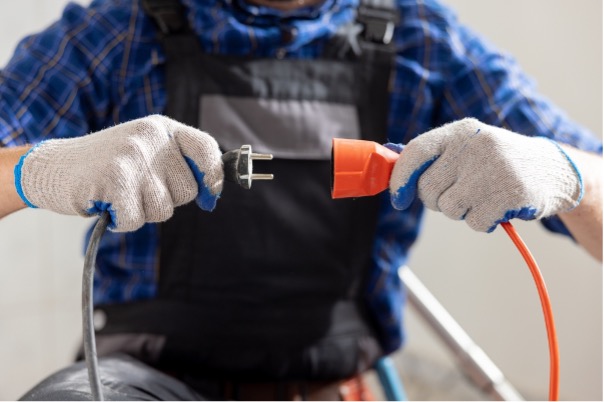
Image Source: weatherproofextensioncord.com
The Importance of Regular Extension Cord Checks
Extension cords are not built to last forever. They endure significant wear and tear, which can compromise their integrity and create safety hazards. Regular inspections are crucial to identify any potential damage to extension cords before it escalates into a dangerous problem. Think of it like checking the tires on your car; a quick visual check can prevent a major issue down the road.
Why Regular Checks Matter
- Preventing Electrical Hazards: The most critical reason for regular checks is to prevent electrical shocks and fires. Damaged cords can expose live wires, creating a severe risk.
- Ensuring Optimal Performance: A well-maintained extension cord will deliver consistent power to your devices, ensuring they function as intended.
- Extending Lifespan: Proper care and timely identification of minor issues can significantly extend the life of your extension cords.
- Protecting Appliances: Faulty extension cords can deliver inconsistent voltage, potentially damaging the appliances they power.
What to Look For During an Extension Cord Inspection
When you inspect extension cords, your eyes are your primary tools. You need to be thorough and look for specific indicators of wear and tear or damage. It’s not just about a quick glance; it’s about a detailed examination.
Common Signs of Damage
- Frayed or Worn Insulation: Look for any areas where the outer protective layer (insulation) is cracked, peeling, or missing. Frayed extension cords are a significant danger.
- Cuts or Nicks: Small cuts or nicks in the cord can expose the internal wires, creating a shock hazard.
- Cracked or Brittle Cords: Older cords, especially those exposed to sunlight or extreme temperatures, can become brittle and crack.
- Burn Marks or Discoloration: Any signs of scorching, melting, or discoloration on the cord or plug indicate overheating, often a result of overloaded extension cords or poor connections.
- Loose or Damaged Plugs: The plug should be firmly attached to the cord. Bent or broken prongs, or a plug that feels loose, are serious safety concerns.
- Damaged Receptacles: The sockets on the extension cord where you plug in devices should be clean and intact. Any cracks or looseness here are problematic.
- Knots or Twists: While not always dangerous, tightly knotted or twisted cords can stress the internal wiring over time. Try to avoid them.
- Water Damage: If an extension cord has been exposed to moisture, it’s essential to ensure it’s completely dry and shows no signs of corrosion or damage before using it.
How Often Should You Check? A Deeper Dive
The frequency of your checks should depend on how you use your extension cords. Here’s a breakdown to help you establish a routine.
Routine Checks: Every Use is Best
The ideal scenario for extension cord safety is to perform a quick visual inspection every single time you use a cord. This habit can catch developing issues before they become critical.
Pre-Use Inspection Checklist
- Visual Scan: Quickly look over the entire length of the cord.
- Plug Check: Ensure the prongs are straight and the plug is securely attached to the cord.
- Socket Check: Verify the receptacles are clear of debris and appear sound.
Regular In-Depth Inspections
Beyond the quick checks, more thorough inspections are necessary. These are the times you’ll be looking for those subtle signs of wear and tear.
Indoor Extension Cord Inspection Frequency
For cords used primarily indoors, less exposed to the elements, monthly checks are a good starting point. If a cord is used daily for essential appliances, or if it’s in a high-traffic area where it might be bumped or pulled, consider weekly checks.
Outdoor Extension Cord Checks Frequency
Cords used outdoors are subjected to much harsher conditions. They face UV radiation, moisture, dirt, and potential physical damage from lawnmowers, garden tools, or foot traffic. Therefore, outdoor extension cord checks should be more frequent and more thorough.
Outdoor Cord Inspection Schedule
- Before Each Use: Absolutely essential for outdoor cords.
- Monthly: A more detailed check during periods of regular outdoor use.
- After Extreme Weather: If a cord has been exposed to heavy rain, snow, or extreme heat, inspect it immediately after the weather event.
- Before Storing: Always inspect before putting an outdoor extension cord away for the season.
Best Practices for Extension Cord Use and Maintenance
Beyond just checking, knowing how to use extension cords correctly and performing proper electrical cord maintenance will significantly improve their longevity and safety.
Proper Extension Cord Use
Using extension cords correctly is paramount to their safety and effectiveness. Misuse is a leading cause of damage and hazard.
Key Usage Guidelines
- Match the Wattage: Always ensure the extension cord is rated for the power requirements of the appliance it’s powering. Using a cord that’s overloaded extension cords can lead to overheating and fire.
- Avoid Daisy-Chaining: Connecting multiple extension cords together is a common mistake that can increase resistance, generate heat, and pose a fire risk.
- Keep Cords Away from Water: Never use indoor extension cords outdoors, and ensure outdoor cords are specifically rated for such use and kept away from puddles or standing water.
- Protect from Damage: Position cords so they aren’t walked on, run over by furniture, or pinched in doorways or windows.
- Use the Right Cord for the Job: Different types of extension cords are designed for different purposes (e.g., heavy-duty for power tools, light-duty for lamps).
- Don’t Bury Cords: Extension cords are not designed to be buried underground. This can lead to damage and moisture ingress.
- Unplug When Not in Use: Unless it’s powering an essential appliance that requires constant power, unplug extension cords when they are not actively being used.
Electrical Cord Maintenance Tips
Good maintenance goes beyond just looking for damage. It involves proactive steps to keep cords in good condition.
Maintenance Strategies
- Proper Storage: Store cords neatly coiled, avoiding kinks or sharp bends. Use Velcro straps or cord wraps for organization. Store them in a dry, protected area away from heat and sunlight.
- Cleaning: Gently wipe down cords with a damp (not wet) cloth to remove dirt and grime. Ensure the cord is completely dry before use.
- Avoid Sharp Bends: Don’t wrap cords too tightly around sharp corners or plug prongs, as this can damage the internal wires.
- Inspect Connectors: Ensure the prongs and receptacles are clean and free of corrosion. A small wire brush can sometimes be used to clean contacts gently, but only if the cord is unplugged and you are confident in your ability to do so without causing further damage.
Categorizing Extension Cords by Usage and Risk
The type of extension cord and its intended use directly impact how often you should inspect it.
Indoor Cords
These are generally used in homes and offices. While less exposed to harsh elements, they can still suffer damage to extension cords from daily wear and tear.
Common Indoor Uses
- Lamps
- Small appliances (toasters, coffee makers)
- Electronics (TVs, computers)
- Fans and heaters
Inspection Focus for Indoor Cords
- Frayed extension cords: Especially if they run across high-traffic areas.
- Crushed or cut cords: Where furniture or doors might have come into contact.
- Plug integrity: Ensure plugs are not loose or damaged.
Outdoor Cords
Designed to withstand weather, these cords are typically heavier duty. However, their exposure means they are more susceptible to damage.
Common Outdoor Uses
- Lawnmowers and trimmers
- Holiday lights
- Power tools for DIY projects
- Outdoor lighting
Inspection Focus for Outdoor Cords
- Water exposure: Look for any signs of moisture, corrosion, or damage to the insulation from prolonged exposure.
- Physical damage: From lawnmowers, garden tools, or being stepped on.
- UV degradation: Brittle or cracked insulation.
- Burn marks: Indicating potential overheating, especially if overloaded extension cords were used.
Heavy-Duty Cords
These are thicker gauge cords designed for high-power appliances and tools. They are built to be more robust, but their demanding use means they still require careful attention.
Common Heavy-Duty Uses
- Power tools (saws, drills)
- Air conditioners
- Large appliances
Inspection Focus for Heavy-Duty Cords
- Wire gauge integrity: Ensure the insulation isn’t compromised, as the power draw is significant.
- Plug and receptacle durability: These connectors take more stress.
- Signs of overheating: Crucial due to high power demands.
When to Replace an Extension Cord
Some damage is not repairable and indicates it’s time to retire an extension cord. Safety always trumps cost.
Red Flags for Replacement
- Any exposed wires or frayed extension cords.
- Cracked, brittle, or melted insulation.
- Loose or damaged plugs.
- Burn marks or discoloration on the cord or plug.
- If the cord has been run over by a vehicle or significantly damaged.
- If you have any doubts about its condition, even after an inspection.
Disposal of Damaged Cords
Damaged extension cords should be disposed of properly. Do not attempt to repair them yourself unless you are a qualified electrician. Cut the cord in several places to ensure it’s not accidentally used by someone else before disposing of it in appropriate waste or recycling facilities.
Frequently Asked Questions (FAQ)
Can I use an extension cord as a permanent wiring solution?
No, extension cords are designed for temporary use only. They are not a substitute for permanent electrical wiring installed by a qualified electrician.
What does the gauge of an extension cord mean?
The gauge (AWG – American Wire Gauge) indicates the thickness of the wire. Lower gauge numbers mean thicker wires, which can handle more current (amperage) and are less prone to overheating. Always choose a gauge appropriate for the appliance.
What are the risks of overloading an extension cord?
Overloaded extension cords can overheat, melt the insulation, and cause electrical fires. They can also damage the appliance being powered and the extension cord itself.
Is it safe to use an extension cord with a cut in it?
No, it is never safe to use an extension cord with any cut or damage to the insulation, as this exposes the live wires and creates a serious shock and fire hazard.
How should I store my extension cords?
Store extension cords neatly coiled, away from moisture, heat, and sunlight. Avoid sharp bends or kinks. Using cord wraps or Velcro straps can help keep them tidy and prevent tangles.
Do outdoor extension cords need to be a different color?
Outdoor extension cords are often brightly colored (like orange or yellow) to make them more visible and reduce the risk of accidental damage from lawn equipment. However, color is not the sole indicator of suitability for outdoor use; check the cord’s rating and construction.
By implementing regular checks and practicing proper extension cord safety, you can significantly reduce the risks associated with these common household items and ensure they serve their purpose reliably and safely. Remember, consistent electrical cord maintenance and vigilant indoor extension cord inspection and outdoor extension cord checks are key to preventing accidents and protecting your home and family.