
Can I use an indoor extension cord outside? No, you should never use an indoor extension cord outdoors. Doing so is a significant safety hazard that can lead to electrical shock, fires, and damage to your equipment. How can I tell if an extension cord is outdoor rated? You can tell if an extension cord is outdoor rated by looking for specific markings on the cord itself, its packaging, and by understanding the materials and construction that differentiate them from indoor cords.
Extension cords are incredibly useful tools, extending the reach of your electrical devices to where you need them most. However, using the wrong type of extension cord outdoors is a dangerous mistake. The elements – rain, snow, sun, and even temperature fluctuations – can wreak havoc on cords not designed to withstand them. This guide will walk you through everything you need to know to identify an outdoor extension cord, ensuring your safety and the longevity of your equipment.
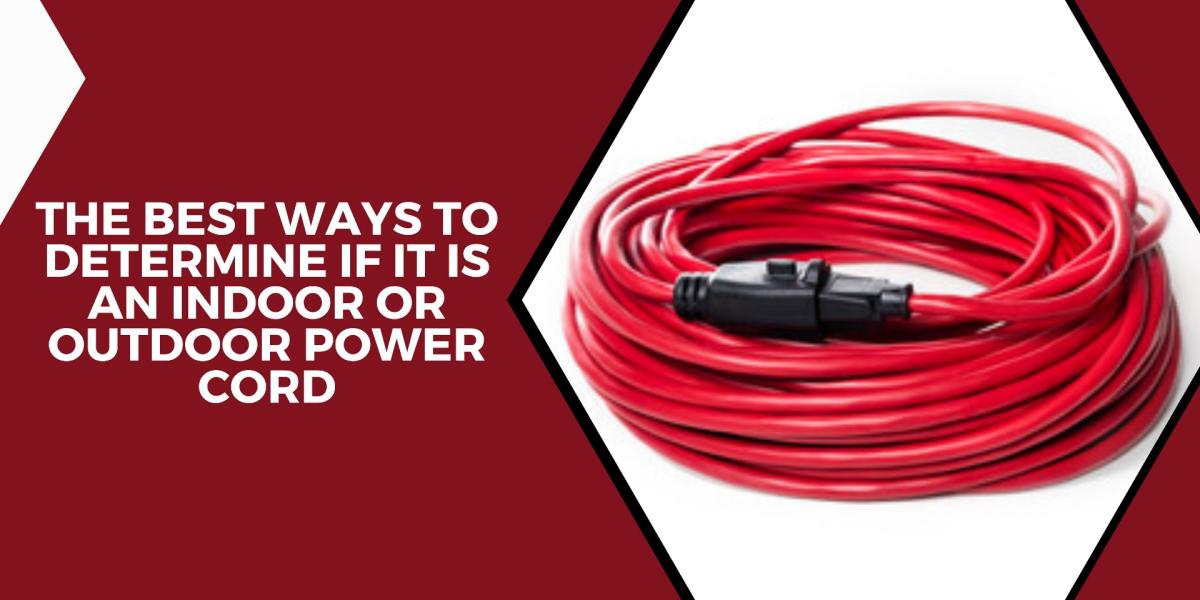
Image Source: www.americord.com
Deciphering Extension Cord Markings: Your First Clue
The most direct way to determine if an extension cord is suitable for outdoor use is by examining the markings printed on the cord itself or on its packaging. These markings are not just decorative; they are vital safety indicators, often mandated by safety organizations.
Essential Markings to Look For
When you inspect an extension cord, keep an eye out for specific symbols and text. These will tell you a lot about its intended use and capabilities.
-
“For Outdoor Use” or “Outdoor Rated”: This is the most straightforward indicator. If the cord explicitly states it’s for outdoor use, you’re on the right track. This phrasing is usually printed directly onto the outer jacket of the cord.
-
“W/G”, “G”, or “Grounding Symbol”: Most outdoor extension cords will be grounded. This means they have a three-prong plug (one round pin for ground). The “W/G” or “G” indicates it’s designed for grounding, which is a crucial safety feature for outdoor use.
-
UL Listing or Similar Safety Certifications: Look for a mark from organizations like Underwriters Laboratories (UL), ETL, or CSA. A UL listed outdoor cord has been tested and certified to meet specific safety standards for outdoor environments. You’ll often see a circular UL logo with “LISTED” inside.
-
“Heavy Duty” or Gauge Information: While not always exclusive to outdoor cords, the term heavy duty outdoor cord often implies a thicker gauge wire, which is better suited for outdoor tasks. The gauge is usually indicated by a number followed by “AWG” (American Wire Gauge). Lower numbers mean thicker wires.
-
“Weather Resistant” or “Waterproof”: Some cords will explicitly state they are weather resistant extension cord or even waterproof extension cord. While “waterproof” is a strong claim, “weather resistant” signifies that the materials are designed to handle exposure to moisture and varying temperatures.
-
UV Resistance: Exposure to sunlight can degrade the insulation of indoor cords. Look for mentions of UV resistant extension cord. This means the outer jacket is formulated to resist damage from ultraviolet rays, preventing cracking and brittleness over time.
Understanding Extension Cord Outdoor Use Markings
The markings on an extension cord are essentially its passport for different environments. For outdoor use, these markings confirm that the materials and construction have been deemed safe for exposure to elements like moisture, dirt, and temperature changes. An indoor cord, conversely, will typically have markings indicating it’s only for indoor use.
Table 1: Common Extension Cord Markings and Their Meaning
| Marking | Meaning | Importance for Outdoor Use |
|---|---|---|
| “For Outdoor Use” | Explicitly states the cord is designed for outdoor environments. | Direct confirmation of suitability. |
| “Outdoor Rated” | Similar to “For Outdoor Use,” indicating it meets outdoor safety standards. | Direct confirmation of suitability. |
| “Weather Resistant” | Materials are designed to withstand exposure to rain, humidity, and temperature fluctuations. | Protects against premature degradation and safety hazards from environmental exposure. |
| “UV Resistant” | The outer jacket is formulated to resist damage from sunlight (UV rays). | Prevents cracking, brittleness, and degradation of the insulation from sun exposure. |
| “Waterproof” | Claims the cord offers protection against water ingress (use with caution and verify certification). | Offers the highest level of protection against moisture. |
| UL Listed / ETL Listed | Certified by a recognized safety testing laboratory to meet specific safety standards. | Guarantees the cord has passed rigorous safety tests for its intended use. |
| Gauge Number (e.g., 12 AWG) | Indicates the thickness of the wire. Lower numbers mean thicker wire. | Thicker wires can handle higher amperage and are often more durable for outdoor tasks. |
| “Heavy Duty” | Often implies a thicker gauge wire and more robust construction, suitable for demanding tasks. | Provides better durability and capacity for powering larger outdoor equipment. |
| Grounding Symbol (⏚) | Indicates the cord has a ground wire for enhanced electrical safety. | Essential for outdoor use to protect against faults and prevent electrical shock. |
Construction and Materials: The Internal Differences
Beyond the markings, the very construction and materials used in outdoor extension cords differ significantly from their indoor counterparts. These differences are what allow them to survive the harsh outdoor environment.
Jacket Material: The First Line of Defense
The outer jacket, or insulation, is the most visible part of the cord. For outdoor use, this material needs to be robust and resistant to a range of environmental factors.
-
Vinyl (PVC): Many outdoor extension cords use heavy-duty vinyl or PVC compounds. These are chosen for their flexibility in a range of temperatures, resistance to moisture, abrasion, and sunlight. Look for specific grades of vinyl that are rated for outdoor exposure.
-
Rubber: High-quality rubber jackets are also common for outdoor cords. Rubber offers excellent flexibility, durability, and resistance to water and oil. However, some types of rubber can become brittle in extreme cold or degrade in intense sunlight if not specifically treated for UV resistance.
-
Neoprene: Neoprene is a synthetic rubber known for its excellent resistance to weather, ozone, UV radiation, and chemicals. Many heavy-duty outdoor cords utilize neoprene for its superior durability in demanding environments.
Insulation: Keeping the Power Contained
The insulation around the individual conductors within the cord is just as important. It needs to prevent moisture from reaching the wires and maintain its integrity under varying conditions.
-
Moisture Resistance: Outdoor cords are designed with insulation materials that repel water. This is critical to prevent short circuits and corrosion.
-
Temperature Tolerance: Indoor cords can become stiff and crack in cold weather, and their insulation can soften and degrade in heat. Outdoor cords are formulated to remain flexible in cold and resistant to softening in heat, with ratings often specified by the manufacturer.
-
UV Protection: As mentioned earlier, UV resistant extension cord insulation is vital. Sunlight breaks down many plastics over time, making them brittle. Outdoor cords have additives in their insulation to combat this.
Wire Gauge: The Muscle of the Cord
The extension cord gauge for outdoors is crucial for safety and performance. Thicker wires (lower gauge numbers) can carry more electrical current (amperage) without overheating, which is especially important for outdoor power tools and equipment that draw a lot of power.
-
Why Gauge Matters Outdoors: Outdoor extension cords are often used for equipment like lawnmowers, leaf blowers, power washers, and holiday lights. These devices can require significant power. An undersized cord can overheat, melt its insulation, and cause a fire or electric shock. It can also lead to voltage drop, meaning your equipment won’t perform at its best.
-
Common Gauges for Outdoor Use:
- 16 AWG: Suitable for light-duty outdoor tasks, such as powering holiday lights or small garden tools over short distances.
- 14 AWG: A good all-around choice for many outdoor applications, including powering standard garden equipment and small appliances.
- 12 AWG: Ideal for heavy-duty outdoor applications like powering larger tools, generators, or running long extension cords where voltage drop is a concern.
- 10 AWG: The thickest and most robust, used for the heaviest loads and longest runs, often for dedicated circuits or high-demand equipment.
Table 2: Extension Cord Gauge vs. Amperage and Typical Use
| Gauge (AWG) | Amperage Rating (Typical) | Typical Outdoor Use |
|---|---|---|
| 16 | 7-10 Amps | Holiday lights, small fans, indoor/outdoor accent lighting. |
| 14 | 10-15 Amps | Garden tools, power washers, small power tools, portable radios. |
| 12 | 15-20 Amps | Heavy-duty power tools (saws, drills), outdoor appliances, generators. |
| 10 | 20-30 Amps | High-demand equipment, long extension cord runs, temporary outdoor power. |
Note: Always check the specific rating of the cord and the power requirements of your device.
Distinguishing Indoor vs. Outdoor Cords: A Visual Comparison
If the markings are unclear, or you’re faced with an unmarked cord, you can often distinguish between indoor and outdoor cords based on their physical characteristics.
Visual Cues
-
Color: While not a definitive rule, indoor cords are often white, gray, or black, and are typically thinner. Outdoor cords are more frequently seen in bright colors like orange, yellow, or green, which serve as visibility aids and can indicate a more robust construction. However, black is also a common color for outdoor cords, especially heavier-duty ones.
-
Thickness and Flexibility: Outdoor cords, especially heavy duty outdoor cord types, are generally thicker and feel more substantial. They should remain relatively flexible even in cooler temperatures. Indoor cords often feel more rigid and may become stiff or brittle when exposed to cold.
-
Plug and Connector Design: Outdoor cords typically have a three-prong plug for grounding. The connectors (the part that plugs into the device) might also be designed to be more resistant to moisture ingress.
Packaging Clues
When purchasing a new extension cord, the packaging is your best friend.
-
Explicit Labeling: Reputable manufacturers will clearly label the packaging with “Outdoor Use,” “Weatherproof,” or “All-Weather.”
-
Product Specifications: The packaging will usually list the gauge, amperage rating, and intended use.
-
Safety Certifications: Look for the UL, ETL, or CSA logos prominently displayed.
Why Using the Wrong Cord is Dangerous
The consequences of using an indoor extension cord outdoors can be severe. It’s not just about the cord failing; it’s about creating hazardous conditions.
Electrical Shock Hazards
-
Moisture Ingress: Indoor cords are not designed to prevent water from seeping into the insulation and around the conductors. Water is a conductor of electricity. If moisture gets into an indoor cord, it can create a path for electricity to flow to the outer jacket, making the entire cord live and incredibly dangerous to touch.
-
Compromised Insulation: Sunlight, temperature fluctuations, and physical abrasion can degrade the insulation of indoor cords, exposing the conductive wires. This makes the risk of shock even higher.
Fire Hazards
-
Overheating: If an indoor cord is used to power a device that draws more current than it’s rated for, or if it’s used outdoors in hot temperatures, the conductors can overheat. The thinner, less robust insulation of indoor cords is more likely to melt, ignite, and start a fire.
-
Short Circuits: Moisture and compromised insulation can lead to internal short circuits within the cord, which can generate intense heat and sparks, igniting nearby flammable materials.
Equipment Damage
-
Voltage Drop: Using an undersized or damaged cord can lead to significant voltage drop. This means your equipment receives less power than it needs, leading to poor performance, overheating of the equipment itself, and premature failure.
-
Corrosion: Moisture can corrode the metal connectors and conductors, leading to poor electrical contact and further performance issues.
Choosing the Right Outdoor Extension Cord
Selecting the correct outdoor extension cord rating involves considering the type of equipment you’ll be using and the conditions it will face.
Key Factors to Consider
-
Length: Determine the distance you need to cover. Remember that longer cords require thicker gauges to minimize voltage drop. An extension cord gauge for outdoors selection should always factor in the needed length.
-
Amperage/Wattage: Check the power requirements of the device you intend to plug in. The extension cord’s amperage or wattage rating must meet or exceed the device’s needs.
-
Environment: Will the cord be exposed to direct sunlight, rain, snow, or dirt? This will influence the type of jacket material and UV resistance needed. A weather resistant extension cord is a minimum requirement.
-
Duty Cycle: For frequent or heavy-duty use, opt for a heavy duty outdoor cord with a thicker gauge and more durable construction, like a UV resistant extension cord made of neoprene or heavy-duty vinyl.
-
Safety Certifications: Always prioritize cords that are UL listed outdoor cord or have equivalent safety certifications.
Frequently Asked Questions (FAQ)
Q1: Can I leave an outdoor extension cord plugged in year-round?
Generally, yes, as long as it is a properly rated outdoor cord and in good condition. However, it’s good practice to inspect it regularly for any signs of damage, wear, or corrosion, especially after harsh weather conditions. Keeping the connections covered when not in use can also prolong its life.
Q2: What is the difference between “weather resistant” and “waterproof” extension cords?
“Weather resistant” means the cord is designed to withstand exposure to elements like rain, moisture, and temperature fluctuations without significant degradation. “Waterproof” implies a higher level of protection, often designed to be submerged or highly resistant to water penetration. For most outdoor electrical needs, a “weather resistant” cord is sufficient, but always check the specific certifications and ratings.
Q3: How do I maintain my outdoor extension cords?
* Inspect cords regularly for cuts, nicks, or worn insulation.
* Keep them clean and free from dirt and debris.
* Store them properly when not in use, ideally coiled loosely to avoid kinks and stress on the wires.
* Avoid running cords over sharp objects or in high-traffic areas where they could be damaged.
* Ensure the plugs and receptacles are dry before connecting.
Q4: Can I use a generator extension cord for regular outdoor power?
Generator extension cords are typically very heavy-duty and rated for high amperage, designed to handle the fluctuating power output of a generator. While they are safe for outdoor use, they might be overkill for many common applications and can be more expensive. Standard outdoor-rated extension cords are usually sufficient for most household outdoor needs.
Q5: What does “cold weather rated” mean for an outdoor extension cord?
“Cold weather rated” means the cord’s insulation and jacket materials have been formulated to remain flexible and resist cracking even in very low temperatures. This is crucial if you’ll be using the cord in freezing or sub-zero conditions, as standard cords can become brittle and hazardous.
By now, you should have a clear picture of how to identify and select the right extension cord for your outdoor needs. Prioritizing safety through proper identification and choice will ensure your projects run smoothly and without risk.