
When should you sharpen your chainsaw chain? You should sharpen your chainsaw chain when it starts to cut slowly, produces sawdust instead of fine wood chips, or requires more force to push through wood. Regular sharpening is crucial for optimal performance and safety.
A sharp chainsaw is a happy chainsaw, and a happy chainsaw makes your work easier and safer. But how often should you bring out the file and give your saw chain some TLC? There’s no single magic number, as chain filing frequency depends on several factors. We’ll dive deep into everything you need to know about keeping your chainsaw in top cutting condition.
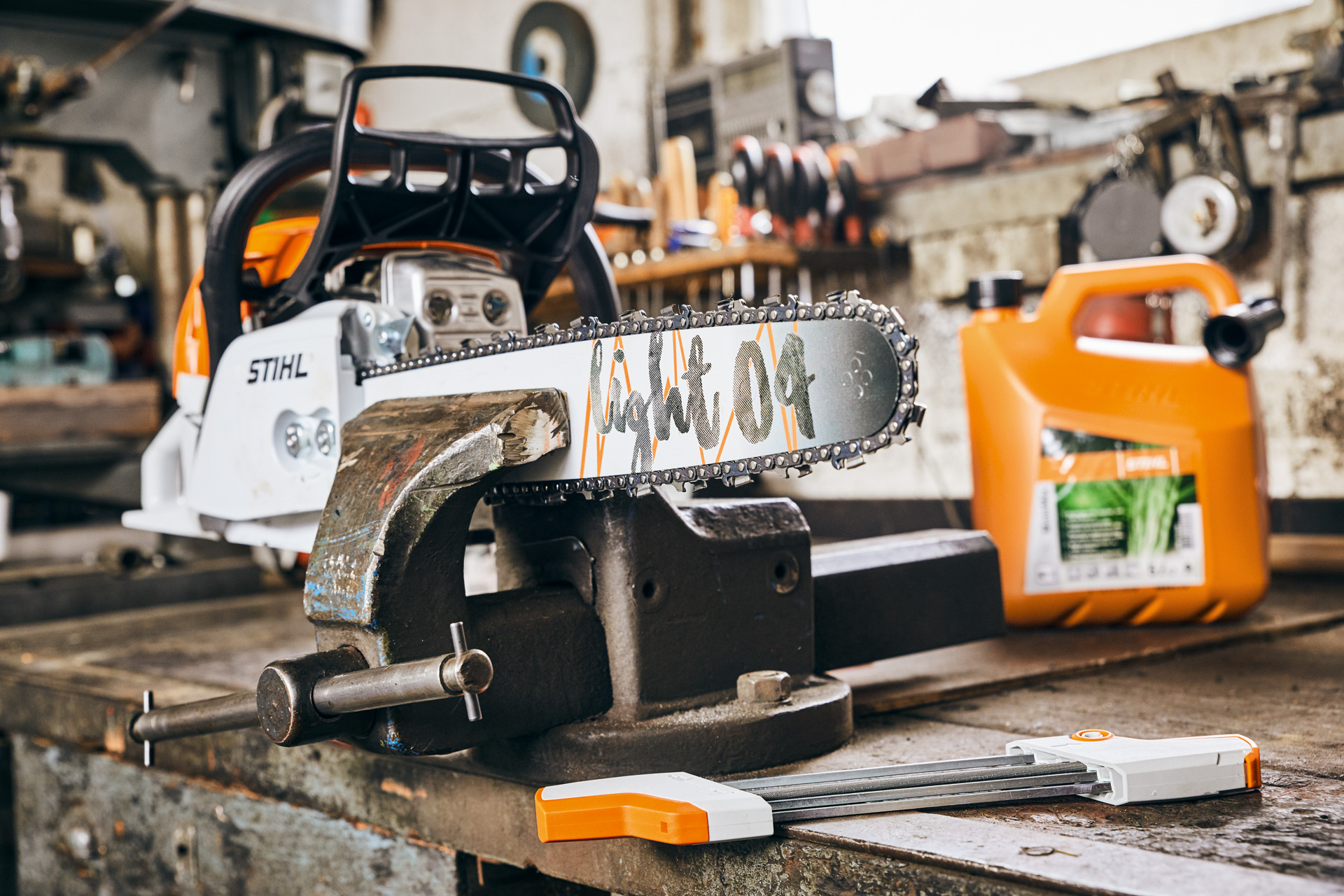
Image Source: www.stihl.co.za
The Importance of a Sharp Chainsaw Blade
The chainsaw blade sharpness is the single most critical factor determining its performance. A sharp chain cuts wood efficiently, cleanly, and with less effort. Conversely, a dull chain forces you to push harder, strains the saw, and can lead to dangerous kickbacks.
Signs of a Dull Chainsaw
Knowing how to tell if your chainsaw is dull is essential. Watch out for these tell-tale signs:
- Slow Cutting: If your saw used to zip through logs and now struggles, it’s likely dull.
- Sawdust, Not Chips: A sharp chain produces fine wood chips. A dull chain will churn out fine sawdust, indicating it’s tearing rather than cutting the wood fibers.
- Vibration: Increased vibration while cutting can signal a dull chain that’s bouncing on the wood.
- Burning Smell: If the wood or the chain is smoking or has a burnt odor, the chain is almost certainly dull, creating excessive friction.
- Drifting: If the saw wanders off a straight line, the teeth are likely uneven or dull.
- Requires More Force: You shouldn’t have to force a sharp chainsaw through the wood. Pushing hard is a sign of a dull chain.
Factors Influencing Chain Filing Frequency
Several elements contribute to how quickly your chainsaw chain dulls. Understanding these will help you establish a personal chainsaw maintenance schedule.
Type of Wood Being Cut
- Hardwoods: Woods like oak, maple, and hickory are denser and will dull a chain faster than softwoods like pine or fir.
- Dirty Wood: Cutting through wood with dirt, sand, or grit embedded in the bark is like running your chain through sandpaper. This will significantly speed up saw chain dulling. Avoid cutting into the ground at all costs.
- Green vs. Dry Wood: Green wood typically cuts more easily than very dry, seasoned wood.
Cutting Conditions
- Obstacles: Hitting rocks, nails, fences, or other hard objects can instantly dull or even damage teeth. Always inspect the wood for foreign objects before cutting.
- Depth of Cut: Making deep cuts or bucking large logs will wear the chain faster than making shorter cuts or limbing.
- Wood Quality: Knots, resin pockets, and general wood imperfections can also contribute to faster dulling.
Saw Operator Technique
- Proper Pressure: Applying too much downward pressure can cause the chain to skip and dull faster. Let the saw do the work.
- Smooth Movements: Jerky movements or forcing the saw can lead to uneven wear.
- Chain Speed: Operating the saw at the recommended chain speed ensures efficient cutting and reduces unnecessary wear.
Chain Quality and Maintenance
- Chain Material: Some chains are made with harder alloys and will hold an edge longer.
- Lubrication: Proper chain lubrication is vital. It reduces friction and heat, which helps the chain stay sharp longer and prevents premature wear. Ensure your oiler is working correctly.
- Tension: A correctly tensioned chain runs smoothly and efficiently. A loose chain can bounce and skip, leading to dulling and potential damage.
Determining Your Chainsaw Sharpening Schedule
Given the variables, it’s best to sharpen your chain based on performance rather than a strict time-based schedule. However, here are some general guidelines:
- Every Few Tanks of Fuel: A common recommendation is to sharpen the chain after every 3-5 tanks of fuel used, depending on the conditions. This is a good starting point for many users.
- When Performance Decreases: The most reliable indicator is when you notice a decline in chainsaw cutting efficiency. If you have to force the saw, change your sharpening plan.
- After Hitting an Object: If you accidentally hit a rock, metal, or the ground, inspect and sharpen your chain immediately.
- Before a Big Job: It’s always a good idea to start a significant cutting task with a freshly sharpened chain.
How to Tell if Your Chainsaw is Dull: A Quick Summary
Let’s revisit the key indicators to reinforce what to look for:
- Sawdust: Fine, fluffy sawdust instead of clean wood chips.
- Cutting Speed: Noticeably slower progress through the wood.
- Force Required: Having to push the saw hard to make it cut.
- Drifting: The saw veering off your intended cut line.
- Burning Smell: A faint smell of burnt wood or metal.
- Vibration: Excessive buzzing or shaking of the saw.
The Process of Sharpening Chainsaw Teeth
To perform effective chainsaw maintenance, you’ll need a few tools:
- Round File: The correct size for your specific chain gauge.
- File Holder: A guide that helps maintain the correct angle.
- Flat File (Depth Gauge File): For adjusting depth gauges.
- Depth Gauge Tool: A guide to ensure depth gauges are set correctly.
- Bench Vise or Clamping System: To hold the guide bar securely.
- Gloves and Safety Glasses: Essential for protection.
Step-by-Step Sharpening Guide
- Secure the Chainsaw: Clamp the guide bar firmly in a vise or on a stable surface. Ensure the chain can move freely.
- Set the File Angle: Identify the recommended filing angle for your chain (usually printed on the chain or in your saw’s manual, typically 25 or 30 degrees). Place the round file in the file holder and align it with the cutting tooth at the correct angle.
- File the Cutter:
- Start with a cutter on the leading edge of the saw chain.
- Place the file on top of the cutter, angled slightly down and towards the nose of the bar.
- Apply firm, even pressure on forward strokes.
- Lift the file on the backward stroke.
- File each cutter the same number of strokes until it has a sharp, clean edge.
- Use the file guide to ensure consistency.
- Sharpen All Cutters on One Side: Work your way around the entire chain, sharpening all the cutters that face one direction.
- Sharpen the Other Side: Move to the other side of the saw chain and repeat the process for all cutters facing the opposite direction. Ensure you use the same number of strokes on each tooth for evenness.
- Check and Adjust Depth Gauges: The depth gauges (the small metal “bumps” in front of each cutter) control how much wood the cutter removes. If they are too high, the chain will tear; if they are too low, it will be sluggish.
- Use a depth gauge tool or a flat file to gently file down any depth gauges that protrude above the guide on the tool. File them flush with the guide.
- File only a small amount. Over-filing can lead to excessive chip production and chain damage.
- Clean the Saw: Brush off any sawdust and debris from the chain, bar, and sprocket.
- Check Chain Tension: Ensure the chain is properly tensioned. It should be snug but still able to move freely by hand.
Best Time to Sharpen Your Chainsaw
The best time to sharpen a chainsaw is before you notice a significant drop in performance. Proactive sharpening is always better than reactive.
- Daily Check: Before you start your day’s work, give your chain a quick visual inspection. If it looks dull or has been through abrasive conditions, sharpen it.
- Mid-Job Tune-up: If you’re working on a large job and have used a few tanks of fuel, take a break and sharpen the chain. This prevents frustration and maintains efficiency.
- After Hitting an Obstacle: This is a non-negotiable time to stop and sharpen.
Chainsaw Chain Maintenance: Beyond Sharpening
While sharpening is paramount, comprehensive chainsaw chain maintenance involves more.
Chain Lubrication
- Importance: Proper lubrication is crucial to reduce friction, dissipate heat, and prevent premature wear on the chain, bar, and sprocket.
- Automatic Oilers: Most modern chainsaws have an automatic oiling system. Ensure the oil reservoir is full and the oiler is functioning correctly. You should see a faint stream of oil hitting the wood when the saw is running.
- Manual Oiling: If your saw doesn’t have an automatic oiler, or if you suspect it’s not working, you can manually oil the chain periodically.
Chain Tension
- Correct Tension: A chain that’s too loose can derail from the bar, causing damage and posing a safety hazard. A chain that’s too tight can cause excessive wear on the bar, sprocket, and engine.
- How to Check: With the saw on a flat surface, pull the chain down from the underside of the bar. It should be snug against the bar but allow you to pull it around by hand with some effort. It shouldn’t sag away from the bar.
- Adjusting: Most chainsaws have an adjustment screw or mechanism near the bar nuts. Loosen the bar nuts slightly, adjust the tension, and then retighten the bar nuts securely.
Bar Maintenance
- Groove Cleaning: Regularly clean out the groove in the guide bar where the chain runs. Sawdust and debris can clog the groove, preventing proper lubrication. Use a small pick or a thin screwdriver.
- Bar Rail Dressing: The edges of the guide bar where the chain sits are called rails. Over time, these can become burred. You can file them down with a flat file to keep them smooth and square.
- Bar Rotation: Rotate your guide bar periodically (e.g., every time you sharpen the chain). This ensures even wear on both sides of the bar, prolonging its life.
Sprocket Inspection
- Wear: The sprocket at the end of the crankshaft, which drives the chain, will also wear over time. Look for hooked or worn teeth.
- Replacement: If the sprocket teeth are significantly worn or hooked, it’s time to replace it, ideally when you replace the chain. A worn sprocket can damage a new chain quickly.
Tools for Chainsaw Sharpening
Having the right tools makes all the difference.
Round Files and File Holders
- File Size: File size is critical. It must match the pitch and gauge of your chainsaw chain. For example, a 3/8” pitch chain requires a different file size than a .325” pitch chain. Common sizes are 5/32”, 3/16”, and 7/32”. Your chainsaw manual will specify the correct size.
- File Holder: A good file holder will have markings to help you maintain the correct filing angle and depth. Many have a guide that sits on the top of the tooth.
Depth Gauge Tools
- Purpose: These are specialized guides designed to help you set the depth gauges correctly relative to the cutter. They ensure the depth gauge doesn’t protrude too far or too little.
- Types: Some are simple templates, while others have built-in files for convenience.
Chainsaw Sharpening Kits
- Many manufacturers offer complete chainsaw sharpening kits that include the necessary files, file holders, and depth gauge tools for a specific chain type. These are often a convenient and cost-effective way to get started.
Sharpening Chainsaw Teeth: A Quick Reference Table
| Symptom of Dullness | Action to Take |
|---|---|
| Slow cutting, sawdust instead of chips | Sharpen all cutters |
| Saw drifts off cut line | Check for unevenly sharpened teeth or damaged cutters |
| Increased vibration | Sharpen teeth, check chain tension |
| Burning smell or smoke | Stop immediately, likely very dull or low oil |
| Requires excessive force to cut | Sharpen all cutters |
| Chain skips on wood | Check chain tension, sharpen if dull |
| Accidental impact with hard object (rock, metal) | Inspect chain for damage, sharpen immediately |
Frequently Asked Questions (FAQ)
Q1: How often should I sharpen my chainsaw chain?
A1: The best rule of thumb is to sharpen your chain when you notice a decrease in cutting performance. This usually occurs every 3-5 tanks of fuel, but can be more or less frequent depending on what you’re cutting and how you’re cutting it.
Q2: Can I sharpen my chainsaw chain with just a file?
A2: Yes, a round file and a file holder are the most common and effective tools for manual chainsaw sharpening. If the depth gauges are too high, you will also need a flat file or a depth gauge tool.
Q3: What is the correct filing angle for my chainsaw chain?
A3: The correct filing angle is specific to your chain. Most chainsaws use either a 25-degree or 30-degree angle. Always check your chainsaw’s manual or look for markings on the chain itself for the recommended angle.
Q4: How do I know if my depth gauges are set correctly?
A4: Depth gauges should be filed so that they don’t protrude beyond the cutting edge of the tooth when the chain is sharp. A depth gauge tool is the best way to ensure they are set to the correct height. If they are too high, the chain will tear; if too low, the chain will be sluggish.
Q5: What happens if I don’t sharpen my chainsaw chain?
A5: An unsharpened chain will cut poorly, making your work harder and slower. It can also cause the saw to vibrate excessively, leading to operator fatigue and potential damage to the saw. In severe cases, a dull chain can be dangerous due to kickback risk.
Q6: Should I sharpen every tooth the same amount?
A6: Yes, for optimal chainsaw cutting efficiency and balanced performance, all cutters on one side of the chain should receive the same number of file strokes. Then, all cutters on the other side should also receive the same number of strokes, ideally matching the first side.
Q7: Is it better to sharpen more often or less often?
A7: It is almost always better to sharpen more often. A slightly dull chain can be quickly brought back to sharp with a few file strokes. Allowing a chain to become very dull requires more aggressive filing, which removes more metal and shortens the overall life of the chain.
Q8: How do I maintain my guide bar?
A8: Regularly clean the chain groove and oil holes. You can also file down any burrs or sharp edges on the rails with a flat file and rotate the bar periodically to ensure even wear.
Q9: My chainsaw chain feels loose, what should I do?
A9: Check and adjust the chain tension. A loose chain can cause damage and is a safety hazard. Consult your owner’s manual for specific instructions on how to tension your chainsaw chain.
Q10: Can I use a dull chain to save time on sharpening?
A10: Absolutely not. While it might seem like a time-saver to avoid sharpening, a dull chain dramatically reduces cutting efficiency, increases fuel consumption, puts extra strain on the saw’s engine and clutch, and significantly increases the risk of dangerous kickback. Prioritizing chainsaw maintenance schedule with timely sharpening is crucial for safety and performance.
Conclusion
Maintaining a sharp chainsaw chain is not just about efficiency; it’s a critical aspect of safe operation and maximizing the lifespan of your equipment. By paying attention to the subtle signs of a dull chain and following good chainsaw maintenance practices, you can ensure your saw performs at its best, making your cutting tasks easier, faster, and much safer. Remember, a sharp chain is your best defense against frustration and potential injury. Make chainsaw chain maintenance a regular part of your workflow, and your chainsaw will thank you with powerful, clean cuts.