
Want to know how to hammer rivets? It’s a straightforward process that involves using a hammer and specialized tools to create a strong, permanent joint. This guide will walk you through everything you need to know to achieve successful rivet installation.
Riveting is a time-honored method for joining materials, especially metal. It’s known for its strength and durability, making it ideal for applications where a reliable connection is paramount. From classic aircraft construction to custom metal fabrication, understanding how to hammer rivets is a valuable skill. This in-depth guide will cover the essential tools, techniques, and considerations for effective rivet setting.
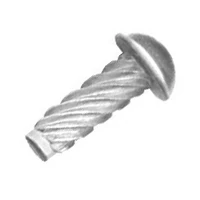
Image Source: itafasteners.com
What You Need: Essential Riveting Tools
Before you start hammering, gather your riveting tools. Having the right equipment makes the job easier and ensures a professional finish. The core components for hammer riveting include:
- Hammers:
- Ball-peen hammer: This is the workhorse for riveting. The rounded end (peen) is used for shaping the rivet head, while the flat face can be used for initial striking.
- Riveting hammer: A specialized hammer with a lighter head and a precise peen, designed for controlled striking.
- Rivet Sets:
- Bucking bar (or Rivet Buck): This is a heavy metal bar held against the shop head (the formed end) of the rivet on the backside of the material. Its weight and hardness help to upset the rivet shank and form a solid head, preventing deformation of the workpiece.
- Face dolly: This tool has a concave or cupped recess that matches the shape of the rivet head. It’s placed against the rivet head on the front side and struck with the hammer.
- Button dolly: Similar to a face dolly but with a more pronounced, rounded cup.
- Flush dolly: Used for creating flush rivet heads, often in conjunction with a trimming tool.
- Rivet Gun (Pneumatic Hammer): While this guide focuses on hammer riveting, it’s worth noting that a rivet gun is a powered alternative that uses compressed air to drive the rivet. This is common in industrial settings for speed and efficiency.
- Drill and Drill Bits: For creating the rivet hole.
- Deburring Tool: To clean up the edges of the drilled hole.
- Center Punch: To mark the precise location for drilling.
- Vise or Clamps: To hold the workpiece securely.
- Safety Glasses: Crucial for protecting your eyes from flying metal.
- Gloves: To protect your hands.
Types of Rivets You Might Encounter
The hammer riveting technique applies to several types of rivets, each with its own purpose:
-
Solid Rivets: These are the most common and provide the strongest joint. They are inserted into a drilled hole and then deformed by hammering to create a second head, securing the materials. They are used in structural applications where strength and durability are critical, such as in aircraft, bridges, and buildings. Solid rivets require access to both sides of the joint for proper installation.
- Head Styles: Solid rivets come in various head styles, including:
- Universal Head (AN470): A slightly rounded head, offering a good balance of shear and bearing strength.
- Countersunk Head (AN426): Designed to sit flush with the surface of the material, reducing drag and providing a smooth finish, often seen in aerospace.
- Round Head: A simple, traditional head shape.
- Pan Head: A domed head, offering good bearing surface.
- Head Styles: Solid rivets come in various head styles, including:
-
Blind Rivets (Pop Rivets): These are designed for situations where access is limited to only one side of the workpiece. A mandrel passes through the rivet body; when the mandrel is pulled (often with a rivet gun or special pliers), it expands the rivet body and breaks off, leaving a secure joint. Blind rivets, also known as Pop rivets, are convenient but generally not as strong as solid rivets.
- Types of Blind Rivets:
- Standard Blind Rivets: The most common type.
- Structural Blind Rivets: Offer higher strength and vibration resistance.
- Multi-Grip Blind Rivets: Designed to accommodate a wider range of material thicknesses.
- Hollow Rivets: Primarily for lighter duty applications or as electrical contacts.
- Types of Blind Rivets:
Preparing for Rivet Installation
Proper preparation is key to successful rivet installation. Skipping these steps can lead to weak joints or damaged materials.
1. Marking the Rivet Location
- Precision is Paramount: Use a center punch to mark the exact spot where the rivet will go. This prevents the drill bit from wandering.
- Spacing: Ensure rivets are spaced correctly according to design specifications. Proper spacing distributes the load and prevents material failure. Typical spacing is between 3-6 times the rivet diameter.
2. Drilling the Rivet Hole
- Correct Drill Bit Size: Select a drill bit that matches the rivet diameter. The hole should be just large enough for the rivet shank to pass through snugly without being forced. For solid rivets, the hole size is usually specified for the particular rivet. For blind rivets, the packaging will indicate the recommended hole size.
- Drill Straight: Use a drill press if possible for perfectly perpendicular holes. If using a hand drill, drill slowly and steadily, keeping the drill bit perpendicular to the surface.
- Deburring: After drilling, use a deburring tool to clean up the edges of the hole on both sides. This removes any sharp burrs that could interfere with the rivet or cause stress risers.
3. Preparing the Materials
- Clean Surfaces: Ensure the surfaces of the materials being joined are clean and free from oil, paint, or debris. This ensures good contact and prevents contamination of the rivet.
- Flush Riveting (Countersinking): If you are using countersunk rivets for a flush finish, you will need to countersink the hole in the material that will be on the visible or leading surface. Use a countersink bit matching the rivet head angle (typically 90 or 100 degrees) and the rivet diameter. The depth should be just enough for the rivet head to sit flush or slightly below the surface.
The Hammer Riveting Technique: Step-by-Step
This is where the hammer riveting technique comes into play. It requires a steady hand and controlled force.
Step 1: Insert the Rivet
- For solid rivets, insert the rivet through the prepared holes in the materials. The shop head (the end without the pre-formed head) will protrude from the backside.
- For blind rivets, insert the rivet body into the hole and place the mandrel through the rivet head.
Step 2: Position the Bucking Bar (for Solid Rivets)
- This is a critical step in rivet setting. Hold the rivet buck firmly against the shop head of the rivet on the backside. The bucking bar should be held perpendicular to the rivet shank. For thicker materials or high-strength rivets, a power bucking bar might be used, but for manual riveting, a solid bar is typical. The goal is to support the rivet shank while it’s deformed.
Step 3: Forming the Head (Hammering)
- Face Dolly (or Button Dolly): Place the face dolly firmly against the pre-formed head of the rivet on the front side.
- Initial Taps: Begin with light, firm taps from your ball-peen hammer on the face dolly. This seats the rivet and begins to upset the shank.
- Consistent Strikes: Continue hammering with steady, controlled blows. The goal is to gradually expand the rivet shank until it fills the hole and forms a second, solid head on the back side, matching the shape of the dolly.
- Peening Action: The hammer riveting technique involves a peening action. Each strike should deform the metal, moving it outwards to create the new head. You are essentially “upsetting” the rivet shank.
- Shape the Head: As the head forms, ensure it is symmetrical and well-formed. Avoid over-hammering, which can weaken the rivet or damage the surrounding material. The ideal formed head should be smooth and have a slight radius.
- Final Touches: Once the head is formed, you can use the rounded end of the ball-peen hammer (or a rivet set with a specific radius) to refine the shape if needed.
Step 4: Removing Tools
- Once the head is properly formed, remove the hammer and the face dolly.
- The rivet buck is then removed from the backside.
Step 5: Inspect the Rivet
- Visual Check: Examine the newly formed head for symmetry, smoothness, and a good radius.
- Tightness: Gently tap the rivet with a hammer. It should sound solid, not loose.
- Material Integrity: Check the material around the rivet head for any signs of cracking or deformation.
Hammer Riveting Technique Nuances and Tips
Mastering hammer riveting technique involves paying attention to detail. Here are some tips to improve your results:
- Hammer Weight: Use a hammer that feels comfortable and allows for control. A 16-20 ounce ball-peen hammer is a good starting point.
- Grip: Hold the hammer with a relaxed grip, allowing your wrist to provide the force.
- Bucking Bar Stability: Ensure the bucking bar is held firmly and does not move during the hammering process. A vibrating bucking bar can lead to a poor rivet head.
- Dolly Fit: The recess in the face dolly should match the rivet head shape for a clean finish.
- Controlled Force: It’s better to use many light, controlled strikes than a few heavy, wild blows.
- Practice: The best way to get good at riveting is to practice on scrap material.
Using a Rivet Gun (Pneumatic Hammer)
While manual hammer riveting is effective, a rivet gun offers significant advantages in speed and consistency, especially for larger projects.
- How it Works: A rivet gun uses a piston driven by compressed air to repeatedly strike a rivet set or dolly. The operator controls the force and speed through a trigger.
- Chisels and Sets: Rivet guns use various attachments, similar to the manual tools, including straight chisels, concave chisels (rivet sets), and special dollies.
- Power Control: Many rivet guns have adjustable power settings, allowing you to tailor the force to the rivet type and material thickness.
- Bucking Bar: Even with a rivet gun, a bucking bar is still essential for supporting the shop head. In some heavy-duty applications, a specialized “bucking bar” attachment for the rivet gun is used.
- Rivet Installation with a Gun: The process is similar: insert the rivet, position the bucking bar, place the appropriate rivet set in the rivet gun, and apply controlled bursts of air pressure.
Specific Rivet Types and Their Installation
Solid Rivets Installation
Solid rivets require careful rivet setting to ensure a strong, lasting joint.
- Material Thickness: The length of the solid rivet shank protruding from the workpiece determines the final head size. A general rule of thumb for the correct rivet length is that after forming, the formed head’s length should be approximately 1.5 times the original rivet diameter. So, if you have a 1/4 inch diameter rivet, you want about 3/8 inch of the shank to be upset.
- Table: Solid Rivet Length Calculation
| Rivet Diameter (inches) | Recommended Shank Protrusion (inches) | Approximate Final Head Length (inches) |
|---|---|---|
| 1/8 | 3/16 | 3/16 |
| 5/32 | 7/32 | 7/32 |
| 3/16 | 1/4 | 1/4 |
| 1/4 | 3/8 | 3/8 |
- Forming the Head:
- Place the face dolly on the rivet head.
- Use the ball-peen hammer or a rivet set to strike the dolly.
- The goal is to form a symmetrical head (typically a universal head) on the backside.
- Avoid excessive hammering, which can crack the rivet head or damage the material.
Blind Rivets (Pop Rivets) Installation
Blind rivets, or Pop rivets, are simpler to install due to their design.
- Rivet Gun or Tool: A specialized rivet gun or hand-operated pulling tool is used.
- Insertion: Place the rivet into the drilled hole.
- Engagement: Insert the tool’s nose piece into the rivet mandrel.
- Pulling Action: Squeeze the trigger or handle of the tool. This pulls the mandrel through the rivet body. The mandrel’s head flares out the back of the rivet, creating a second head.
- Mandrel Breakage: Once the rivet is set, the excess mandrel snaps off.
- Tool Adjustment: Some tools allow you to adjust the pulling force to ensure the mandrel breaks at the correct point without over-stressing the rivet.
Common Problems and Troubleshooting
Even with careful preparation, issues can arise. Here’s how to address them:
- Loose Rivet: This usually means the rivet wasn’t properly upset. Remove the rivet and install a new one.
- Cracked Rivet Head: This can be caused by over-hammering, using the wrong size hammer, or a lack of support from the bucking bar.
- Deformed Material: If the material around the rivet is bent or distorted, it might be due to excessive force or poor support.
- Rivet Too Short/Long: Ensure you start with the correct length rivet for the material thickness. A rivet that’s too short won’t form a proper second head; one that’s too long can be difficult to control.
- Hole Too Large/Small: An oversized hole leads to a loose fit. An undersized hole makes insertion difficult and can damage the rivet shank.
Safety First!
- Eye Protection: Always wear safety glasses or a face shield. Metal fragments can fly during hammering.
- Hand Protection: Wear gloves to protect your hands from sharp edges and hammer impacts.
- Secure Workpiece: Ensure your workpiece is firmly secured in a vise or with clamps.
- Clear Workspace: Keep your work area clean and free of clutter.
Frequently Asked Questions (FAQ)
- Q: Can I use any hammer to set rivets?
- A: While a ball-peen hammer is the most common, a lighter, more controlled hammering action is best. Specialized riveting hammers are available for finer work. Avoid using claw hammers, as they are not designed for this task.
- Q: What is the difference between a rivet set and a dolly?
- A: In hammer riveting, the term “dolly” (or “face dolly”) refers to the tool held against the pre-formed rivet head, while the “bucking bar” is held against the shop head. “Rivet set” can refer to any tool used to form the rivet head, including dollies and specialized tools used with rivet guns.
- Q: How tight should a hammered rivet be?
- A: A properly hammered rivet should be snug and not loose. The formed head should be symmetrical and well-shaped, without visible gaps between the rivet head and the material.
- Q: Can I hammer rivets without a bucking bar?
- A: No, a bucking bar is essential for solid rivets. It provides the necessary counter-pressure to upset the rivet shank and form a solid head. Without it, you’ll likely only deform the rivet end, not create a strong joint.
- Q: What is a rivet gun used for?
- A: A rivet gun, a pneumatic tool, is used for faster and more consistent rivet installation, especially in production environments. It drives a rivet set or dolly repeatedly against the rivet head using compressed air.
- Q: How do I know if I’m using the right rivet size?
- A: The hole diameter should match the rivet shank diameter closely. For solid rivets, consult specifications for the project or rivet type. For blind rivets, the packaging will specify the required hole size.
By following this guide and practicing the hammer riveting technique, you’ll be well-equipped to create strong, reliable joints with solid rivets and blind rivets. Remember to always prioritize safety and use the correct riveting tools for the job. Happy riveting!