
How often should you inspect an extension cord? You should inspect extension cords at least once a year, or more frequently if they are used regularly, exposed to harsh conditions, or show any signs of wear.
Extension cords are incredibly useful. They let us plug in tools and appliances far from wall outlets. But, they can also be a hidden danger if not looked after. Damaged cords can cause shocks, fires, and trips. This guide will help you know how often to inspect extension cords and what to look for. We’ll cover extension cord safety checks, the frequency of extension cord inspection, routine extension cord examination, checking extension cords for damage, when to replace extension cords, best practices for extension cord maintenance, how to check extension cord wear, signs of a damaged extension cord, a residential extension cord inspection schedule, and commercial extension cord safety guidelines.
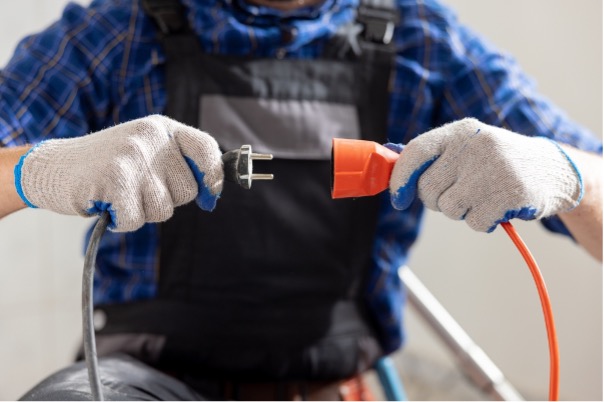
Image Source: weatherproofextensioncord.com
Why Regular Inspection Matters
Think of your extension cords like the tires on your car. You wouldn’t wait for a blowout to check them, right? Regular inspections are key to preventing accidents.
- Preventing Fires: Frayed wires or damaged insulation can spark and start fires. This is especially true if the cord is overloaded or used improperly.
- Avoiding Electric Shock: Exposed wires or faulty connections mean you could get a nasty shock. This can be dangerous, even deadly.
- Preventing Trips and Falls: Damaged cords might have frayed sections or broken insulation that can cause someone to trip. This is a common cause of injuries.
- Ensuring Proper Function: A cord that is damaged might not deliver power efficiently. This can harm the tools or appliances you are using.
Frequency of Extension Cord Inspection
So, how often do you need to look at these cords? The answer depends on how you use them.
- Light Home Use: If you only use an extension cord a few times a year for holiday lights or a temporary fan, a yearly inspection is usually enough.
- Moderate Home Use: For cords used more often, like for yard work or powering seasonal tools, check them every few months or at the start of each season they’ll be used.
- Heavy or Commercial Use: Cords used daily in construction, workshops, or for industrial purposes need very frequent checks. Some situations call for checks before each use.
This is where routine extension cord examination becomes crucial. It’s not just about doing it once; it’s about making it a habit.
Routine Extension Cord Examination: What to Look For
When you check your extension cords, you’re essentially looking for trouble. Here’s what you need to do and what to look for.
1. Visual Inspection: The First Line of Defense
This is the most important part. You need to look closely at the entire cord.
How to Check Extension Cord Wear
- The Plug: Check the prongs on the plug. Are they bent, broken, or corroded? Is the plastic housing cracked? The plug should be firmly attached to the cord.
- The Cord Jacket: This is the outer rubber or plastic coating. Look for:
- Cuts or Nicks: Any break in the jacket exposes the wires inside.
- Abrasions: Rubbing against rough surfaces can wear down the jacket.
- Cracks: Especially common in older cords or those exposed to cold.
- Melting or Bubbling: This indicates overheating, a serious fire hazard.
- Discoloration: Can be a sign of damage or overheating.
Signs of a Damaged Extension Cord
- Exposed Wires: This is the most dangerous sign. If you see any metal wires, the cord is unsafe.
- Frayed or Worn Areas: Even if wires aren’t fully exposed, fraying means the insulation is weak.
- Warped or Loose Connectors: The points where the plug connects to the cord, or where a female end connects to a male plug, should be tight and secure.
2. Testing the Cord (Optional but Recommended)
If you have a way to test electrical cords, this can catch issues you can’t see. A simple circuit tester can confirm if the cord is conducting electricity properly. However, for most homeowners, a thorough visual inspection is sufficient.
Extension Cord Safety Checks: Beyond the Visual
Safety checks aren’t just about the cord itself. It’s also about how and where you use it.
Best Practices for Extension Cord Maintenance
- Keep Them Clean: Dirt and debris can get into the cord’s structure and cause problems.
- Store Them Properly: Avoid kinking or coiling cords too tightly. Store them in a dry place, away from heat, moisture, and sharp objects. Hanging them on a hook or using a cord reel is best.
- Never Repair a Damaged Cord Yourself: Unless you are a qualified electrician and have the correct materials, do not try to patch up cuts or exposed wires with tape. The repair will likely not be safe or durable.
- Use the Right Cord for the Job:
- Indoor vs. Outdoor: Outdoor cords are built to withstand weather and UV light. Indoor cords are not.
- Amperage Rating: Make sure the cord’s amperage rating is equal to or greater than the appliance’s needs. Overloading a cord is a major fire risk.
- Gauge: The thickness of the wire (gauge) matters. Thicker wires (lower gauge numbers) can carry more power and are better for heavy-duty tools.
Checking Extension Cords for Damage
When you perform your checks, be thorough.
- The Entire Length: Don’t just look at the ends. Uncoil the entire cord and examine every inch.
- Flexibility: A healthy cord should be flexible. If it feels stiff, brittle, or unusually hard, it might be old and degraded.
When to Replace Extension Cords
This is a critical question. If you find any of the following, it’s time to say goodbye to the cord.
- Any Exposed Wires: No exceptions. This is an immediate fire and shock hazard.
- Cracked or Damaged Jacket: If the outer protective layer is compromised, the inner wires are vulnerable.
- Melted or Burnt Areas: This indicates severe overheating and potential internal damage.
- Loose or Damaged Plug/Connector: If the plug or socket feels loose or parts are missing, it’s unsafe.
- Frayed Ends: Even if wires aren’t showing, excessive fraying means the cord is nearing the end of its life.
- Overheating During Use: If a cord gets warm or hot when used under normal load, it’s a sign of internal resistance or damage.
Residential Extension Cord Inspection Schedule
Here’s a simple way to organize your inspections at home:
| Location/Usage Scenario | Inspection Frequency | What to Focus On |
|---|---|---|
| General Home Use (Rarely used indoors) | Annually (e.g., Spring) | Visual check for cuts, cracks, plug damage. |
| Seasonal Use (Holiday lights, fans) | Before each season | Full visual inspection, especially if stored improperly. |
| Yard Work/Outdoor Tools (Mowers, trimmers) | Monthly or before each use | Check for damage from weather, being run over, or physical stress. |
| Workshop/Garage Tools (Power tools) | Weekly or before each use | Thorough check for wear and tear from frequent movement and stress. |
| High-Demand Appliances (Heaters, AC units) | Monthly | Ensure no signs of overheating or strain on the cord or connections. |
| Any cord showing signs of age/wear | Immediately | Any suspected damage warrants an immediate, thorough inspection and potential replacement. |
This schedule helps integrate extension cord safety checks into your regular home maintenance.
Commercial Extension Cord Safety Guidelines
In commercial or industrial settings, the rules are often stricter due to higher risks and more demanding usage.
- Pre-Use Inspections: This is standard practice. Workers should visually inspect cords before connecting any equipment.
- Regular Scheduled Inspections: Many workplaces have formal inspection programs. This might involve a designated person checking all cords on a weekly or monthly basis.
- Documentation: For compliance, businesses often document their inspections, noting any issues found and corrective actions taken.
- Training: Employees must be trained on how to identify cord damage and the importance of reporting it. This reinforces the need for routine extension cord examination.
- Environment-Specific Checks: Cords used in wet environments, near chemicals, or in high-traffic areas require more frequent and specialized checks.
Key Factors for Commercial Use:
- Heavy Gauge Cords: For powering machinery, heavier gauge cords are essential.
- Durable Construction: Commercial-grade cords are built to withstand more abuse.
- GFCI Protection: Ground Fault Circuit Interrupters (GFCIs) should be used with outdoor and wet-location cords to prevent shock.
Troubleshooting Common Cord Problems
Let’s look at some typical issues and how to address them.
Frayed Cords
If you see fraying, it means the protective layers are wearing away. This is a sign that the cord is stressed or has been rubbed against something.
- What to do: Immediately replace the cord. Do not attempt to wrap it with tape. Tape does not provide adequate insulation and can peel off, exposing wires.
Cracked Insulation
Cracks in the outer jacket can range from tiny surface fissures to deep gashes.
- What to do: If the cracks are very minor and superficial (not penetrating the inner layers), some might consider it less critical. However, it’s always safest to replace the cord. If you can see any hint of the inner wires or if the crack is deep, it’s an absolute must to replace it.
Bent or Broken Prongs
The prongs are the plug’s connection to power.
- What to do: Replace the cord. Bent prongs can cause poor connections, overheating, and can damage the outlet. Broken prongs are an obvious hazard.
Overheating
If an extension cord gets warm or hot during use, it’s a warning sign.
- What to do:
- Unplug immediately.
- Check the load: Was the appliance drawing too much power for the cord?
- Inspect the cord: Look for any signs of damage.
- Replace if damaged or if overheating continues: Even if no visible damage is found, a cord that overheats is likely internally compromised and should be replaced.
When to Replace Extension Cords: A Clear Decision Guide
Making the decision to replace a cord is about safety. Don’t be tempted to save money by keeping a damaged cord.
Here’s a summary of when replacement is mandatory:
- Visible wires.
- Deep cuts or gouges in the insulation.
- Any sign of melting or burning.
- Cracked or brittle insulation.
- Loose or damaged plug or socket.
- Persistent overheating during use.
- If the cord has been run over by a vehicle or heavy machinery.
Best practices for extension cord maintenance emphasize proactive replacement over risky repairs.
Frequently Asked Questions (FAQ)
Q1: Can I use electrical tape to fix a damaged extension cord?
A1: No. Electrical tape is not designed for long-term, high-stress repairs on extension cords. It can melt, peel, or fail to provide adequate insulation, creating a fire or shock hazard. Always replace a damaged cord.
Q2: How do I know if my extension cord is rated for outdoor use?
A2: Look for markings on the cord jacket. Outdoor cords will typically be labeled “Outdoor Use,” “UV Resistant,” or have specific codes indicating weather resistance. They often have a more rugged jacket material.
Q3: What does the gauge number on an extension cord mean?
A3: The gauge number (e.g., 14 AWG, 12 AWG) refers to the wire’s thickness. A lower gauge number means a thicker wire, which can carry more electrical current (amperage) more safely and over longer distances without overheating.
Q4: Can I plug multiple extension cords together?
A4: It is generally not recommended to connect multiple extension cords together. Each connection point is a potential failure point and can increase resistance, leading to overheating and reduced power delivery. If absolutely necessary, use cords of the same gauge and type.
Q5: How should I store extension cords to prevent damage?
A5: Store cords loosely coiled or wound onto a cord reel. Avoid sharp bends or kinks, which can damage the internal wires. Keep them in a dry, protected area away from heat, sunlight, and chemicals.
Q6: What is the difference between a heavy-duty and a standard extension cord?
A6: Heavy-duty extension cords typically have thicker wires (lower gauge number) capable of handling higher amperage and are often built with more durable insulation and connectors for tougher conditions. Standard cords are for lighter loads and indoor use.
By following these guidelines for how often to inspect extension cords, you can significantly reduce the risks associated with their use and ensure a safer environment for yourself, your family, or your workplace. Remember, a few minutes of routine extension cord examination can prevent major accidents.