
Can you calibrate a tape measure at home? Yes, you can verify and, if necessary, make simple adjustments to ensure your tape measure is providing accurate readings. Maintaining the precision of your measuring tools is crucial for any project, from DIY home repairs to professional construction. This guide will walk you through the process of checking your tape measure’s accuracy and what to do if it’s off.
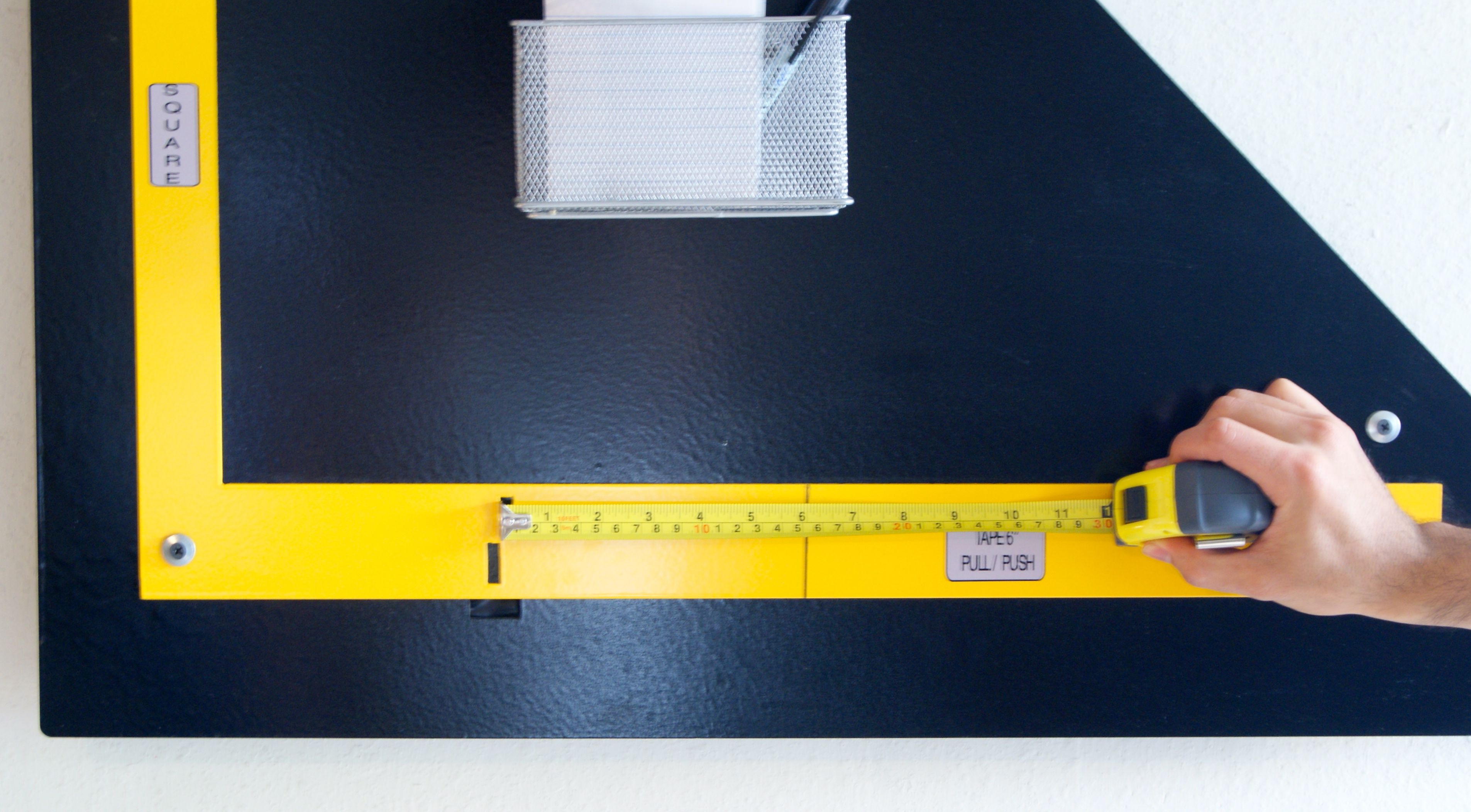
Image Source: thecalibrationstation.com
Why Tape Measure Accuracy Matters
A seemingly small error in a tape measure can have significant consequences. For instance, if your tape measure is even a millimeter short, a simple shelf installation could result in shelves that are crooked. In larger construction projects, these small discrepancies can compound, leading to wasted materials, costly rework, and compromised structural integrity. Ensuring tape measure accuracy is not just about neatness; it’s about efficiency, safety, and achieving the desired outcome for your project. This process is a fundamental aspect of good measuring tool calibration.
Factors Affecting Tape Measure Accuracy
Several things can cause a tape measure to become inaccurate:
- Wear and Tear: The metal tape itself can bend, stretch, or fray over time, especially with frequent use.
- Damage: Dropping the tape measure, running over it with equipment, or snagging it on rough surfaces can cause damage.
- Environmental Conditions: Extreme temperatures can cause materials to expand or contract, though this is usually a very minor effect for typical tape measures.
- Manufacturing Defects: While less common, some tape measures may have slight inaccuracies from the start.
- Zero Point Issues: The hook at the end of the tape measure is designed to be the zero point. If it becomes loose or damaged, it won’t align correctly.
How To Check Your Tape Measure
Before you attempt any tape measure correction, you need to verify its current accuracy. This involves comparing it against a known, reliable standard.
Method 1: Using a Calibrated Steel Rule or Another Verified Tape Measure
This is the most straightforward method for checking tape measure reliability.
What You Need:
- Your tape measure.
- A high-quality, known-accurate steel ruler (e.g., a machinist’s rule) or another tape measure that you trust or know has been calibrated.
- A flat, stable surface.
Steps:
- Lay Out the Standard: Place your calibrated steel rule or trusted tape measure on a flat surface. Ensure it is perfectly straight.
- Align the Zero Points: Carefully align the zero mark of your tape measure with the zero mark on your standard. Make sure the hook of your tape measure is firmly against the end of the ruler or the start of the other tape measure’s markings.
- Extend and Compare: Slowly extend your tape measure alongside the standard for a specific, measured distance. Common distances to check are 12 inches (1 foot), 24 inches (2 feet), 36 inches (3 feet), and potentially longer distances like 50 or 100 feet if your tape measure is long.
- Observe the Readings: At each marked increment on your standard (e.g., 12 inches, 24 inches, 36 inches), note the reading on your tape measure.
- Identify Discrepancies: If your tape measure consistently reads more or less than the standard at these points, you have identified an inaccuracy. For instance, if at 36 inches on the standard, your tape measure reads 36.2 inches, it means your tape measure is running long.
Method 2: Using a Known, Precise Length
This method is useful if you don’t have another calibrated measuring tool readily available, but you do have access to something with a precisely known length.
What You Need:
- Your tape measure.
- A long object with a precisely known and verified length. Examples include:
- A standard sheet of paper (8.5 x 11 inches or A4). While not extremely precise, it can give a general idea if multiple sheets are used.
- A long piece of lumber that has been professionally milled to a specific length.
- A pre-measured and verified distance in your environment, like a doorway or a specific floor tile pattern.
Steps:
- Measure the Known Object: Carefully measure your chosen known object with your tape measure. For example, if using multiple sheets of paper, lay them end-to-end and measure their combined length.
- Compare to the Known Length: Compare the reading on your tape measure to the actual, known length of the object. If the object is known to be exactly 100 cm long and your tape measure reads 101 cm, you’ve found an issue.
Checking the Tape Measure Zero Point
The hook at the end of your tape measure is critical for its accuracy. It’s designed to slide slightly.
How to Check:
- Hook Over an Edge: Place the hook firmly over the edge of a sturdy surface, like a table. Measure a length by pulling the tape taut. Note the reading.
- Push Against a Surface: Now, place the hook flat against the same surface and extend the tape measure. Measure the exact same length as before.
- Compare Readings: The readings should be identical. If they differ, it indicates a problem with the hook’s movement or its attachment to the tape, affecting the tape measure zero point.
Interpreting the Results and Tape Measure Correction
Once you’ve identified a discrepancy, you need to determine if tape measure correction is necessary and possible.
Minor Inaccuracies
Most modern, quality tape measures are quite durable. Small variations, especially over shorter distances, might be within an acceptable tolerance for many DIY tasks. However, if you’re working on precise projects like cabinetry, fine woodworking, or anything requiring high tape measure precision, even small errors can be problematic.
Major Inaccuracies or Damage
If your tape measure shows significant deviation, or if the hook is clearly damaged or loose, it’s often best to replace it. Attempting to repair a severely damaged tape measure may not restore its accuracy.
What If My Tape Measure is Inaccurate?
- Replace It: For significant inaccuracies or physical damage, the most reliable solution is to purchase a new, high-quality tape measure. Look for reputable brands known for durability and accuracy.
- Adjusting the Zero Point (Limited): If the issue is solely with the hook’s zero point, and it’s just slightly off (e.g., the hook itself is bent), you might be able to gently bend it back into alignment. However, be very cautious, as too much force can break the hook. This is not a true recalibrating tape measure process but a minor adjustment.
- Note the Error: If you can’t replace it immediately, and the error is consistent, you can mentally (or physically, by marking the tape) adjust your measurements. For example, if your tape measure is consistently 1/8 inch short over 3 feet, you’d mentally add 1/8 inch to any measurement you take. This is a form of measuring tape adjustment.
Verifying Tape Measure Accuracy Over Longer Distances
For tasks that require longer measurements, it’s essential to check your tape measure’s performance over those greater lengths. This is particularly important for construction or surveying.
How to Check Long Distances:
- Use a Known Long Standard: If possible, use a pre-measured and certified distance. This could be a surveyed property line, a marked distance on a sports field, or a very long, accurate ruler or measuring tape.
- Measure Incrementally: If a long standard isn’t available, you can use a shorter, accurate standard (like a 100-foot steel tape) and mark distances repeatedly. For example, lay out 100 feet, mark it, then lay out another 100 feet from that mark, and so on.
- Compare Your Tape: Extend your tape measure to these marked distances and compare the readings. Look for any cumulative errors.
Tools for Ensuring Tape Measure Accuracy
While a basic steel rule is often sufficient, more professional settings might benefit from:
- Certified Calibration Equipment: For businesses that rely heavily on precise measurements, investing in or using services that provide certified calibration equipment can be essential for ensuring tape measure accuracy. This might include specialized laser measuring devices or long-length calibration standards.
- Digital Calipers: While not for full tape measure calibration, digital calipers can be used to precisely measure small segments of your tape measure to check the spacing of the inch or centimeter marks, helping to identify subtle inaccuracies.
Best Practices for Maintaining Tape Measure Precision
- Handle with Care: Avoid dropping your tape measure, yanking the tape, or letting it retract with excessive force.
- Keep it Clean: Dust and debris can affect the smooth operation of the tape and the hook.
- Store Properly: Store your tape measure in a dry place where it won’t be crushed or damaged.
- Regular Checks: Periodically verify tape measure accuracy, especially before critical measurements or after the tape has been subjected to rough use.
- Use the Right Tool for the Job: For extremely precise work, consider a digital caliper or a laser measuring device. A standard tape measure is excellent for general use but might not meet the highest precision requirements.
Frequently Asked Questions (FAQ)
What is the “zero point” on a tape measure?
The “zero point” is the starting mark (usually the number 0) on your tape measure. The hook at the end of the tape is designed to act as this zero point, either by sliding slightly when pushed against a surface or by hooking over an edge.
Can I recalibrate a tape measure if it’s slightly off?
You can’t truly “recalibrate” a tape measure in the same way you might recalibrate a digital scale. However, you can check tape measure for accuracy and perform simple measuring tape adjustment if the issue is minor and related to the hook’s movement. Significant inaccuracies usually require replacement.
How often should I check my tape measure’s accuracy?
It’s good practice to check your tape measure’s accuracy periodically, especially before starting important projects or after it has been dropped or subjected to rough handling. A good rule of thumb is to check it at least once a year if you use it frequently.
What makes a tape measure inaccurate?
Inaccuracies can arise from wear and tear, physical damage to the tape or hook, manufacturing defects, or issues with the tape stretching or becoming brittle over time.
Is it worth fixing a damaged tape measure?
For minor issues, like a slightly bent hook that can be straightened, it might be worth a gentle attempt at tape measure correction. However, if the tape itself is stretched, kinked, or torn, it’s generally best to replace the tape measure to ensure tape measure accuracy and tape measure precision.
By following these guidelines, you can significantly improve the reliability of your measurements and ensure that your projects are built with the precision they deserve. Regular checks and careful handling are key to maintaining your measuring tool calibration for long-term use.