
Can you polish a hammered copper sink? Yes, you can, but it’s often unnecessary and can alter the natural patina. How do you clean a hammered copper sink naturally? You can use mild, natural cleaners like baking soda, lemon juice, or a specialized copper cleaner. Preserving your hammered copper sink is key to its longevity and beauty. This comprehensive guide will walk you through everything you need to know about hammered copper sink cleaning and maintenance, focusing on natural methods for protection and care.
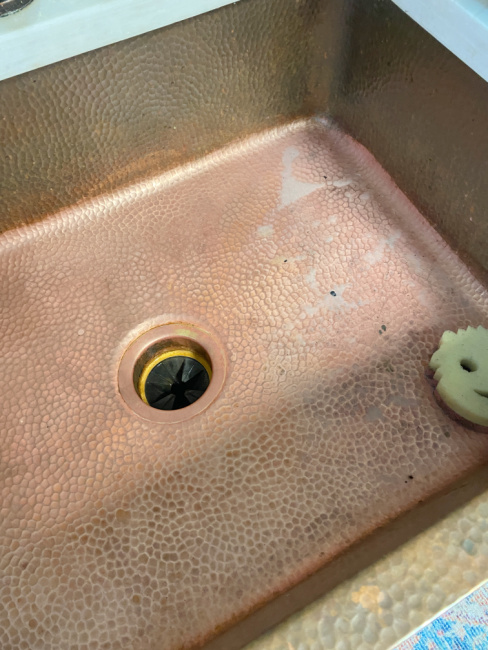
Image Source: www.shopatblu.com
The Allure of Hammered Copper Sinks
Hammered copper sinks are more than just a place to wash dishes; they are a statement piece that brings warmth, character, and a touch of rustic elegance to any kitchen or bathroom. The unique texture created by hand-hammering gives each sink a distinct personality. Copper is also a naturally antimicrobial material, which is an added bonus. However, to keep your copper sink looking its best and to ensure it lasts for generations, proper care and maintenance are essential.
What is a Natural Patina Copper Sink?
A natural patina on a copper sink is the gradual development of a protective layer on the copper’s surface. This isn’t dirt or tarnish in the traditional sense; rather, it’s a chemical reaction between the copper and its environment. It typically presents as a spectrum of colors, from warm browns and reds to greens and blues, depending on the copper’s composition and exposure. Many people embrace this natural patina as it adds depth and character to the sink. This guide will help you maintain and protect that beautiful, natural patina copper sink.
Daily Cleaning for Your Hammered Copper Sink
Consistent daily cleaning is the foundation of good copper sink maintenance. It prevents food particles and residues from sitting on the surface for too long, which can sometimes affect the patina’s even development.
Simple Steps for Daily Care
- Rinse Thoroughly: After each use, rinse your sink thoroughly with warm water. This helps remove any residual food particles or soap.
- Wipe Down: Use a soft, non-abrasive cloth (like microfiber) to wipe down the entire sink surface. This removes moisture and prevents water spots.
- Dry Completely: This is crucial. After wiping, dry the sink completely with a clean, soft cloth. Moisture left standing can lead to uneven patina or mineral deposits.
Natural Cleaning Solutions for Hammered Copper Sinks
When it comes to cleaning your hammered copper sink, natural, gentle solutions are always the best approach. Harsh chemicals can strip away the beautiful patina you’ve worked to develop.
Gentle Cleaning Agents
Here are some effective natural cleaners you can use:
- Mild Dish Soap and Water: For everyday grime, a small amount of mild dish soap mixed with warm water is usually sufficient. Use a soft cloth or sponge.
- Baking Soda Paste: For tougher spots or to gently brighten the copper, a paste made from baking soda and water can be very effective. Apply the paste, let it sit for a few minutes, then gently scrub with a soft cloth or sponge. Rinse thoroughly and dry completely.
- Lemon Juice and Salt: For a bit more abrasive action (use sparingly), you can mix lemon juice with salt to form a paste. The acidity of the lemon juice can help lift tarnish, while the salt provides a mild scrub. Apply, gently rub, and rinse immediately. This method can temporarily lighten the patina, so use it cautiously and only when needed.
- Vinegar (Diluted): A diluted solution of white vinegar and water can also be used for cleaning. However, like lemon juice, vinegar is acidic and can affect the patina. If you use it, ensure it’s well-diluted and rinse thoroughly afterward.
How to Clean a Hammered Copper Sink: A Step-by-Step Natural Approach
- Empty and Rinse: Remove all dishes and debris from the sink. Rinse the entire sink with warm water.
- Apply Cleaner:
- For daily cleaning: Apply a few drops of mild dish soap to a wet, soft cloth.
- For tougher spots: Apply a baking soda paste or a lemon juice/salt paste.
- Gentle Scrubbing: Using the soft cloth or sponge, gently scrub the entire surface of the sink, paying attention to any stained areas. For the hammered texture, ensure you get into the crevices.
- Rinse Thoroughly: Rinse the sink thoroughly with warm water, ensuring all cleaning residues are washed away.
- Dry Completely: This is a critical step. Use a soft, clean towel to dry the entire sink. This prevents water spots and helps maintain an even patina.
Protecting Your Hammered Copper Sink
Beyond cleaning, there are proactive steps you can take for copper sink protection. These measures help preserve its beauty and prevent unwanted damage.
The Importance of Copper Sink Sealing
Many people wonder about copper sink sealing. In most cases, a properly cared-for copper sink does not require a sealant. The natural patina is its own protection. However, if you desire a more uniform color or want an extra layer of protection against certain chemicals, you might consider specific copper sealants.
- Natural Patina vs. Sealant: If you cherish the natural development of your copper sink, avoid sealants that can artificially alter or prevent the patina.
- Specialized Sealants: If you opt for sealing, ensure you use a product specifically designed for copper sinks. These are often heat-resistant and food-safe. Always follow the manufacturer’s instructions precisely.
Preserving the Natural Patina
The beauty of a hammered copper sink often lies in its evolving, natural patina. Here’s how to nurture it:
- Avoid Harsh Chemicals: Never use abrasive cleaners, steel wool, scouring pads, or harsh chemical cleaners like bleach or ammonia. These will strip away the patina and can even scratch the copper.
- Wipe Spills Promptly: Acidic foods and beverages (like citrus fruits, tomatoes, ketchup, and vinegar) can temporarily lighten or remove the patina where they sit. Wipe up spills immediately. This is a normal part of the copper’s reaction and contributes to the patina’s development.
- Use a Sink Grid or Mat: Consider using a sink grid or a rubber mat at the bottom of your sink to protect it from heavy pots and pans that could cause dents or scratches. However, be aware that the areas covered by the grid might develop a slightly different patina over time.
- Mindful of Utensils: Avoid scraping metal utensils directly on the sink surface.
Dealing with Specific Issues: Copper Sink Rust Removal and More
While copper is generally durable, you might encounter specific issues from time to time.
Copper Sink Rust Removal
Is it possible to have copper sink rust? True copper rust is uncommon, as copper itself doesn’t rust like iron. What often appears as rust is typically iron or steel residue from utensils, cans, or other metal objects left in the sink.
How to Address “Rust” Spots:
- Identify the Source: The first step is to remove the offending metal object.
- Gentle Cleaning: Try cleaning the spot with a soft cloth and mild dish soap.
- Baking Soda Paste: If soap and water don’t work, try the baking soda paste method described earlier. Gently rub the paste onto the spot.
- Specialized Copper Cleaner (Use with Caution): If the above methods fail, you might need a specialized copper cleaner. These can be more potent but also risk removing patina. Use them sparingly and only on the affected area, then rinse and dry thoroughly. Always test in an inconspicuous spot first.
Tarnishing and Discoloration
Tarnishing is a natural process for copper and contributes to the patina. However, if you encounter discoloration you’re not happy with:
- Even Out Patina: If you have a particularly stubborn spot or wish to encourage a more uniform color, you can try exposing the entire sink to an even application of a mild cleaner (like baking soda paste) followed by thorough drying.
- Lemon and Salt Method: As mentioned earlier, the lemon and salt method can temporarily lighten areas. Use it strategically if you need to address a very dark spot.
Copper Sink Polishing: When and How
While most owners prefer to maintain the natural patina, there might be times when you wish to polish your hammered copper sink.
What Does Copper Sink Polishing Entail?
Copper sink polishing typically involves using a specialized copper polish or a mild abrasive to remove tarnish and restore a brighter, shinier finish. This process, however, will remove the existing patina.
When to Consider Polishing
- Restoring Original Shine: If your sink has become heavily tarnished or you simply prefer a bright, new copper look.
- After Repairs: If your sink has undergone significant cleaning or repair that has altered the patina unevenly.
How to Polish Your Hammered Copper Sink
- Clean the Sink: Ensure the sink is clean and dry before polishing.
- Choose a Polish: Select a high-quality copper polish. There are commercial options and natural alternatives.
- Apply the Polish: Apply a small amount of polish to a soft cloth.
- Gentle Buffing: Gently rub the polish onto the copper surface in a circular motion. You will see the tarnish lift and the copper begin to shine.
- Rinse and Dry: Rinse the sink thoroughly with warm water to remove all polish residue. Dry it completely with a soft cloth.
- Repeat (if necessary): For very stubborn tarnish, you may need to apply and buff a second time.
- New Patina Development: After polishing, your sink will begin to develop a new patina over time. You can encourage this by following the daily cleaning and protection tips.
Copper Sink Installation Considerations
While this guide focuses on care, a proper copper sink installation also plays a role in its longevity.
Ensuring a Good Fit
- Professional Installation: It’s generally recommended to have your hammered copper sink installed by a professional plumber or installer. They will ensure it is properly sealed at the edges to prevent leaks and that it is securely mounted.
- Drainage: Proper drainage is crucial. Ensure the drain is installed correctly to prevent water from pooling in the sink, which can lead to water spots and uneven patina development.
Copper Sink Care Guide: Summary of Best Practices
Here’s a quick reference for maintaining your hammered copper sink:
| Activity | Frequency | Method | Notes |
|---|---|---|---|
| Daily Rinse & Wipe | After each use | Rinse with warm water, wipe with a soft cloth. | Removes food particles and soap. |
| Daily Dry | After each use | Dry completely with a soft, lint-free cloth. | Prevents water spots and aids even patina. |
| Mild Cleaning | As needed | Soft cloth with warm water and a tiny amount of mild dish soap. | For general grime. |
| Spot Cleaning | As needed | Baking soda paste (baking soda + water) or diluted vinegar. | For tougher spots. Rinse and dry immediately. Use sparingly. |
| Stain Treatment | As needed | Lemon juice and salt paste (use sparingly). | Can temporarily lighten patina. Use cautiously. |
| Deep Cleaning | Monthly/As Needed | Use baking soda paste or a specialized natural copper cleaner. | Gentle scrubbing, thorough rinse, and complete drying are essential. |
| Protection | Ongoing | Avoid abrasive cleaners, harsh chemicals, steel wool. Wipe acidic spills immediately. Use sink grids. | Focus on preserving the natural patina. |
| Polishing | Rarely/Optional | Use a specific copper polish. | Removes patina, use only if desired. Requires re-patination. |
| Maintenance | Ongoing | Regular inspection for any unusual wear or damage. | Address minor issues before they become major. |
Frequently Asked Questions (FAQ)
Q1: Can I use a copper sink in my kitchen?
A1: Absolutely! Copper sinks are very popular in kitchens due to their beauty, durability, and antimicrobial properties. They add a unique aesthetic and are functional for everyday use.
Q2: Will my hammered copper sink scratch?
A2: Copper is a relatively soft metal and can be scratched. However, the hammered texture on your sink can help to disguise minor scratches. Using a sink grid or mat can help minimize scratching. Minor scratches will also contribute to the unique character and patina of the sink over time.
Q3: How do I get rid of water spots on my copper sink?
A3: Water spots are typically mineral deposits left behind after water evaporates. The best way to prevent them is to dry your sink completely with a soft cloth after each use. If you have existing water spots, try gently rubbing them with a soft cloth dipped in a mild solution of vinegar and water, then rinse and dry immediately.
Q4: Is it okay for my copper sink to turn green?
A4: Yes, a green patina, often called verdigris, is a natural and beautiful characteristic of aged copper, especially in environments with higher humidity or exposure to certain elements. It’s a protective layer and a sign of a well-established patina. You can manage its appearance with gentle cleaning if desired, but many people embrace this natural color change.
Q5: Can I put hot pots directly into my copper sink?
A5: While copper is somewhat heat-resistant, it’s best to avoid placing extremely hot pots or pans directly into the sink. Rapid temperature changes could potentially affect the metal or any sealant you might have applied. Using a trivet or allowing hot items to cool slightly before placing them in the sink is a good practice.
Q6: How often should I polish my copper sink?
A6: Most hammered copper sink owners do not polish their sinks regularly, if ever, as it removes the desirable natural patina. Polishing is typically only done if you wish to restore a bright, shiny finish or after a significant repair. If you do polish, be prepared for the sink to re-patinate over time.
By following this comprehensive copper sink care guide, you can ensure your hammered copper sink remains a beautiful and functional centerpiece in your home for many years to come. Enjoy the natural beauty and warmth it brings to your space!