
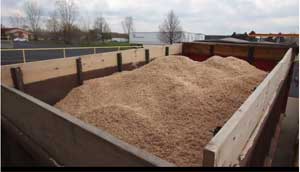
Image Source: www.woodworkersjournal.com
How To Dispose Of Sawdust: Eco-Friendly & Safe Methods
Can you throw sawdust in the trash? Yes, you can throw sawdust in the trash, but it’s often not the best or most eco-friendly choice. This guide explores how to dispose of sawdust safely and responsibly, turning a waste product into a resource. Whether you’re a hobby woodworker or a professional carpenter, learning proper sawdust management is key. We’ll cover everything from sawdust cleanup to sawdust recycling and address concerns like disposing of treated sawdust.
The Nature of Sawdust: More Than Just Wood Dust
Sawdust is the fine particles of wood produced when cutting, sanding, or shaping wood with saws or other tools. The type of wood and the tool used will affect the size and consistency of the sawdust. Fine sawdust from sanding might be powdery, while coarse sawdust from a saw can be more like small chips.
Key Characteristics of Sawdust:
- Organic Material: Sawdust is primarily composed of cellulose, lignin, and hemicellulose, making it an organic material.
- Combustible: Like any dry organic matter, sawdust is flammable and can pose a fire hazard if not handled properly.
- Absorbent: Its fine texture makes sawdust an excellent absorbent for liquids.
- Nutrient Content: Sawdust contains carbon and small amounts of nitrogen, which are essential for plant growth when decomposed.
Why Responsible Sawdust Disposal Matters
Improper disposal of sawdust can lead to several issues, both environmental and practical. Simply bagging it and sending it to the sawdust landfill might seem like the easiest option, but it misses opportunities for reuse and can contribute to landfill waste.
Environmental Concerns:
- Landfill Burden: Large volumes of sawdust add to the growing problem of landfill capacity.
- Methane Production: In landfills, organic materials like sawdust can decompose anaerobically, producing methane, a potent greenhouse gas.
- Water Contamination: If not managed correctly, sawdust can leach tannins and other compounds into waterways, affecting water quality.
Practical Concerns:
- Fire Hazards: Piles of dry sawdust can easily ignite from sparks or heat.
- Dust Inhalation: Inhaling fine sawdust particles can cause respiratory irritation and long-term health problems for workers.
- Aesthetic Issues: Large accumulations of sawdust can be unsightly and attract pests.
Eco-Friendly Disposal and Reuse Options
The best approach to sawdust disposal is to think of it as a resource rather than waste. There are numerous eco-friendly ways to manage sawdust, from sawdust composting to using it as a gardening amendment.
1. Sawdust Composting: Nourishing Your Garden
Sawdust composting is one of the most beneficial ways to dispose of sawdust. Sawdust adds carbon to a compost pile, balancing out nitrogen-rich “green” materials like grass clippings and kitchen scraps. This carbon-to-nitrogen ratio (C:N) is crucial for effective composting.
What You Need for Sawdust Composting:
- Green Materials: Grass clippings, fruit and vegetable scraps, coffee grounds, plant trimmings.
- Brown Materials: Sawdust, dry leaves, shredded paper, straw.
- Compost Bin or Pile: A designated area for decomposition.
- Water: To maintain moisture levels.
- Airflow: To allow aerobic decomposition.
How to Compost Sawdust:
- Mix Sawdust with Green Materials: Aim for a C:N ratio of roughly 25-30 parts carbon to 1 part nitrogen. Sawdust is high in carbon. As a general guideline, use about 2 parts brown materials (like sawdust) to 1 part green materials.
- Moisten the Pile: The compost pile should be as damp as a wrung-out sponge. Add water if it’s too dry.
- Aerate Regularly: Turn the compost pile every week or two. This introduces oxygen, which speeds up decomposition and prevents unpleasant odors.
- Be Patient: Composting can take anywhere from a few months to a year, depending on the materials, temperature, and turning frequency.
Important Considerations for Sawdust Composting:
- Avoid Treated Woods: Never compost sawdust from treated lumber (pressure-treated, stained, painted) as it can contain harmful chemicals.
- Hardwood vs. Softwood: Hardwood sawdust tends to break down faster than softwood sawdust.
- Nitrogen Boost: Because sawdust is carbon-rich, you might need to add more nitrogen-rich materials to your compost pile to ensure proper decomposition. Manure, grass clippings, or coffee grounds are good options.
- Initial Slowdown: Sawdust can initially slow down the composting process because it requires more nitrogen to break down. Adding nitrogen sources or letting the sawdust age for a few months before adding it to the main compost pile can help.
2. Sawdust for Garden Use: Enhancing Soil and Mulching
Sawdust can be a valuable amendment for your garden when used correctly. It improves soil structure, retains moisture, and can suppress weeds.
Sawdust as a Soil Amendment:
- Improves Drainage and Aeration: Mixed into heavy clay soils, sawdust helps create air pockets, improving drainage and preventing compaction.
- Increases Water Retention: Sawdust acts like a sponge, helping sandy soils retain moisture.
- Slow Decomposition: When mixed into the soil, sawdust will continue to decompose, slowly releasing nutrients.
How to Use Sawdust in Your Garden:
- Mix with Soil Before Planting: It’s best to mix sawdust with soil several weeks or months before planting. This allows some decomposition to occur in the soil and prevents the sawdust from temporarily robbing the soil of nitrogen.
- Use Aged Sawdust: Sawdust that has already started to break down (aged sawdust) is preferable for direct soil application.
- Top Dressing: A thin layer of sawdust can be used as a top dressing around plants, but avoid piling it directly against stems.
Sawdust as Mulch:
- Weed Suppression: A layer of sawdust can effectively block sunlight, preventing weed growth.
- Moisture Retention: It helps keep the soil moist by reducing evaporation.
- Temperature Regulation: Sawdust can insulate the soil, keeping it cooler in summer and warmer in winter.
Tips for Using Sawdust as Mulch:
- Apply a Thick Layer: Aim for a layer of 2-4 inches.
- Avoid Treated Woods: As always, do not use sawdust from treated lumber.
- Nitrogen Depletion: Be mindful that as sawdust decomposes on the soil surface, it may draw nitrogen from the soil. To counteract this, you can either use aged sawdust or lightly incorporate nitrogen fertilizer into the soil before mulching.
- Pine Sawdust: Pine sawdust is acidic and can be beneficial for acid-loving plants like blueberries and rhododendrons.
3. Sawdust as a Natural Absorbent
Thanks to its fine texture, sawdust is an excellent natural absorbent for spills. This makes it a practical material for sawdust cleanup of oil, grease, or other liquids.
Uses for Sawdust as an Absorbent:
- Workshop Spills: Keep a container of sawdust near your workbench to quickly absorb oil or solvent spills.
- Garage Floors: Spread sawdust on garage floors to soak up oil leaks from vehicles.
- Pet Bedding: Certain types of sawdust can be used as bedding for small animals like hamsters and rabbits. Ensure it’s untreated and dust-free.
- Kitty Litter: In a pinch, clean sawdust can be used as a natural kitty litter.
What to Consider:
- Absorbency: Sawdust absorbs liquids well but can become heavy and messy when saturated.
- Disposal of Contaminated Sawdust: Sawdust contaminated with oil or chemicals should be disposed of carefully according to local regulations, as it may be considered hazardous waste.
4. Sawdust Fire Starter
Dry sawdust is highly flammable and can be an excellent sawdust fire starter for campfires, wood stoves, or fireplaces.
How to Make Sawdust Fire Starters:
- Dry Sawdust: Ensure the sawdust is completely dry.
- Binder: Melted wax (old candle stubs work well) or paraffin wax can be used as a binder.
- Container: Toilet paper rolls, egg cartons, or old muffin tins are ideal.
Instructions:
- Fill your chosen container with dry sawdust.
- Pour melted wax over the sawdust, ensuring it is well-coated.
- Allow to cool and harden completely.
- These can be broken into pieces and used to start fires.
Safety:
- Store Safely: Keep your sawdust fire starters in a cool, dry place away from ignition sources.
- Supervise Fires: Always supervise fires and ensure they are fully extinguished.
5. Sawdust for Animal Bedding
Many animal owners use wood shavings disposal methods that involve using sawdust as bedding. It’s absorbent and relatively inexpensive.
Suitable Animals:
- Chickens
- Horses
- Cattle
- Small pets (hamsters, guinea pigs, rabbits)
Important Considerations:
- Type of Wood: Cedar and pine are popular choices, but some pets can be sensitive to the oils in pine. Avoid redwood sawdust.
- Dust Content: Opt for “dust-extracted” or kiln-dried sawdust to minimize respiratory issues for animals.
- Treated Woods: Absolutely never use sawdust from treated lumber for animal bedding.
6. Sawdust Recycling and Composting Services
If you generate large amounts of sawdust and don’t have the capacity for composting or reuse, consider local recycling or composting services. Many municipalities or private companies accept organic waste, including sawdust.
How to Find Services:
- Local Municipal Waste Management: Check your city or county’s waste disposal guidelines.
- Composting Facilities: Search for local industrial composting sites.
- Farms and Stables: Some farms or stables might be willing to take sawdust for animal bedding or compost.
Dealing with Treated Sawdust: Safety First
Disposing of treated sawdust requires extra caution. Lumber treated with chemicals like chromated copper arsenate (CCA) or newer alternatives should never be composted or used in gardens. These chemicals can leach into the soil and contaminate plants.
Safe Disposal of Treated Sawdust:
- Hazardous Waste: Treat sawdust from painted, stained, or pressure-treated wood as hazardous waste.
- Local Regulations: Check with your local waste management authority for specific disposal instructions for treated wood waste.
- Incineration (with caution): In some areas, regulated incineration at facilities equipped to handle treated wood might be an option, but this is not a DIY solution.
- Avoid Burning: Burning treated wood releases toxic fumes and should be avoided.
Sawdust Cleanup: Best Practices
Effective sawdust cleanup is crucial for maintaining a safe and tidy workspace, especially in woodworking shops.
Tools and Techniques:
- Shop Vacuums: Industrial shop vacuums with HEPA filters are ideal for capturing fine dust and preventing it from becoming airborne.
- Brooms and Dustpans: For larger accumulations, a stiff broom and a dustpan are effective.
- Dust Collection Systems: For professional woodworking shops, integrated dust collection systems are essential for capturing sawdust at the source.
- Wetting Down (with caution): Lightly misting sawdust with water can help control dust during cleanup, but avoid over-wetting, which can create a sticky mess.
Safety Precautions:
- Wear a Mask: Always wear a dust mask or respirator when cleaning up sawdust to avoid inhaling fine particles.
- Ventilation: Ensure good ventilation in the area.
- Static Electricity: Be aware of static electricity, especially with very dry sawdust, as it can be an ignition source.
Sawdust Landfill: The Last Resort
While not the most environmentally friendly option, sometimes sawdust landfill is the only available method for disposal.
When Landfilling Might Be Considered:
- Treated or Contaminated Sawdust: When sawdust is treated with chemicals or contaminated with hazardous substances that prevent other disposal methods.
- Limited Access to Other Options: If composting facilities, recycling services, or opportunities for reuse are unavailable in your area.
Minimizing Landfill Impact:
- Check Local Ordinances: Ensure your local landfill accepts sawdust. Some may have restrictions.
- Bagging: Bagging sawdust can help contain it and prevent it from blowing around.
- Avoid Overfilling: Don’t overfill bins or bags, which can lead to spills during transport.
Sawdust Recycling: Closing the Loop
Sawdust recycling is about finding new uses for this valuable byproduct. Beyond the methods discussed above, other avenues exist.
Creative Sawdust Recycling:
- Animal Bedding: As mentioned, many farms and stables welcome sawdust.
- Composting Facilities: Many municipal compost sites are designed to handle sawdust.
- Mushroom Cultivation: Some mushroom farmers use sawdust as a substrate for growing certain types of mushrooms.
- Biomass Fuel: In industrial settings, dry sawdust can be used as biomass fuel for heating and energy production.
- Particleboard and MDF Production: Industrially, sawdust is a primary component in the manufacturing of particleboard and medium-density fiberboard (MDF).
FAQ Section
Q1: Can I put sawdust in my backyard compost bin?
A1: Yes, you can, but use it in moderation and balance it with “green” materials. Sawdust is a “brown” material, high in carbon. Aim for a mix of about 2 parts brown to 1 part green material. Also, avoid sawdust from treated wood.
Q2: Is sawdust bad for my garden soil?
A2: Not necessarily. When mixed into the soil or composted first, sawdust improves soil structure and moisture retention. However, applying fresh sawdust directly to the soil in large quantities can temporarily deplete nitrogen as it decomposes.
Q3: What kind of sawdust is safe for pets?
A3: Kiln-dried or dust-extracted hardwood or softwood sawdust is generally safe for most small animals. Avoid cedar and pine for some sensitive pets, and never use sawdust from treated or painted wood.
Q4: How do I dispose of sawdust from pressure-treated wood?
A4: Sawdust from pressure-treated wood should be treated as hazardous waste. Contact your local waste management authority for specific disposal instructions, as it cannot be composted or used in gardens.
Q5: Can I burn sawdust?
A5: Dry sawdust can be burned, but it burns very quickly and intensely. It’s best used as a fire starter or mixed with other fuels. Never burn treated sawdust, as it releases toxic chemicals.
Q6: What is the best way to clean up fine sawdust?
A6: A shop vacuum with a good filter (preferably HEPA) is the most effective way to clean up fine sawdust. Wear a dust mask or respirator for protection.
By understanding the properties of sawdust and exploring these various disposal and reuse methods, you can effectively manage this byproduct of woodworking in an eco-friendly and safe manner.