
Yes, you can grind concrete with an angle grinder. This guide will show you how to do it safely and effectively. We’ll cover everything from choosing the right tools to cleaning up afterward, ensuring a smooth and professional finish on your concrete surfaces.
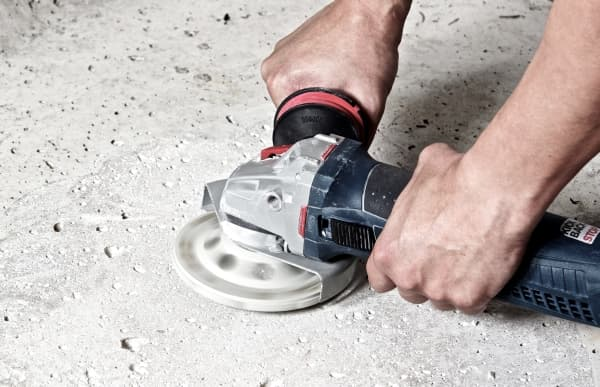
Image Source: binictools.com
Preparing Your Workspace for Concrete Grinding
Before you even think about switching on your angle grinder, preparing your workspace is paramount. This initial step lays the foundation for a successful and safe grinding project. Proper preparation minimizes risks and maximizes efficiency, ensuring you get the best results.
Clearing the Area
- Remove Obstacles: Take away any furniture, tools, or debris from the work area. This ensures you have ample space to move around the grinder and the concrete surface.
- Protect Adjacent Surfaces: Cover walls, windows, and any other surfaces that could be affected by dust or flying debris. Use plastic sheeting or drop cloths, and secure them with painter’s tape.
- Ventilation: Ensure the area is well-ventilated, especially if working indoors. Open windows and doors, or use fans to direct dust away from you and out of the space.
Essential Safety Gear
Safety is non-negotiable when working with power tools, especially an angle grinder. Adhering to these safety precautions angle grinder will protect you from serious injury.
- Eye Protection: Always wear safety glasses or a full face shield to protect your eyes from dust and flying particles.
- Hearing Protection: Angle grinders are loud. Use earplugs or earmuffs to prevent hearing damage.
- Respiratory Protection: Concrete dust is harmful. Wear a properly fitted dust mask or a respirator (N95 or higher) to prevent inhalation.
- Gloves: Heavy-duty work gloves will protect your hands from abrasion and vibration.
- Clothing: Wear long sleeves and long pants made of durable material. Avoid loose-fitting clothing that could get caught in the grinder.
- Footwear: Sturdy, closed-toe work boots with steel toes are recommended.
Dust Control Measures
Concrete grinding generates a significant amount of dust, which is not only messy but also a health hazard. Implementing effective dust collection is crucial.
- Vacuum Systems: Connect a shop vacuum with a HEPA filter to your angle grinder if it has a dust shroud attachment. This is the most effective way to capture airborne dust at the source.
- Wet Grinding: For some tasks, wetting the concrete surface slightly can help suppress dust. However, be cautious not to over-wet, as this can create a slippery surface and potentially damage some grinder motors if water gets in. This method is often used when removing paint from concrete as the water helps bind the paint chips and dust.
Selecting the Right Angle Grinder and Attachments
Choosing the correct tools is vital for efficient and effective concrete grinding. The type of angle grinder for concrete and the angle grinder attachments concrete you use will directly impact your success.
Angle Grinder Specifications
- Power: A powerful grinder (10-15 amps) is generally recommended for concrete work. Higher amperage provides more torque and sustained performance.
- Disc Size: 4.5-inch and 7-inch grinders are common. Larger grinders can cover more area faster but are heavier and can be more difficult to control. For most DIY concrete grinding tasks, a 4.5-inch or 5-inch grinder is sufficient.
- Variable Speed: While not essential, a grinder with variable speed control can be helpful for different grinding tasks, allowing you to adjust the speed based on the material and the desired finish.
Diamond Cup Wheels: The Key to Concrete Grinding
The most important attachment for grinding concrete is a diamond cup wheel concrete. These specialized discs are designed to cut and abrade concrete efficiently.
-
Types of Diamond Cup Wheels:
- Segmented Wheels: These have distinct segments of diamond grit. They are aggressive and good for fast material removal, leveling high spots, and removing rough finishes. They also help dissipate heat.
- Continuous Rim Wheels: These have a smooth, continuous edge with diamond grit. They are better for smoother finishes and polishing concrete. They generate less dust than segmented wheels.
- Turbo Wheels: These have a wavy or segmented pattern that creates airflow, helping to cool the wheel and reduce dust. They offer a balance between speed and finish.
-
Grit Size: Diamond cup wheels come in various grit sizes.
- Coarse (e.g., 20-40 grit): For heavy material removal, removing old coatings, or smoothing very rough surfaces.
- Medium (e.g., 50-80 grit): For general grinding and preparing surfaces for resurfacing.
- Fine (e.g., 100-200 grit): For achieving a smoother finish, light stain removal, and preparing for polishing.
Other Useful Attachments
- Dust Shroud: A shroud that fits around the cup wheel and connects to a vacuum hose is essential for dust control.
- Extension Handles: For larger areas or when working on floors, an extension handle can improve comfort and control, allowing you to stand more upright.
Concrete Grinding Techniques for Different Tasks
There are various concrete grinding techniques you can employ depending on your goal. Whether you’re aiming for concrete surface preparation, smoothing concrete floors, or removing paint from concrete, the approach will differ.
General Surface Grinding and Smoothing
This is perhaps the most common use of an angle grinder on concrete. The goal is to remove minor imperfections, high spots, or to create a more uniform surface.
- Start with a Coarse Grit: Begin with a coarser grit diamond cup wheel (e.g., 50-80 grit) to efficiently remove material.
- Apply Light Pressure: Let the grinder do the work. Apply consistent, light pressure and avoid forcing the tool.
- Use Sweeping Motions: Move the grinder in overlapping, sweeping motions across the surface. Avoid dwelling too long in one spot, which can create unevenness or grooves.
- Work in Sections: Divide the area into manageable sections to ensure you don’t miss any spots and maintain consistency.
- Check Progress Regularly: Periodically stop the grinder and inspect the surface to assess the progress and identify any areas that need more attention.
- Progress to Finer Grits: Once the initial grinding is complete, switch to a finer grit diamond cup wheel (e.g., 100-200 grit) to achieve a smoother finish. Repeat the sweeping motions. This is key for smoothing concrete floors.
Removing Paint, Coatings, and Adhesives
When dealing with stubborn coatings, removing paint from concrete requires a more aggressive approach.
- Use a Coarse Segmented Diamond Cup Wheel: A segmented wheel with a coarse grit (20-40 grit) is ideal for breaking through layers of paint, epoxy, or old adhesive.
- Focus on the Coating: Target the coating itself, trying to remove it without digging excessively into the concrete.
- Maintain an Angle: Hold the grinder at a slight angle to the surface, allowing the segments to effectively scrape and remove the coating.
- Work Methodically: Remove the coating in manageable sections, ensuring complete removal before moving to the next area.
- Clean Up Residue: After removing the bulk of the coating, you may need to use a finer grit wheel or a wire brush attachment to clean up any remaining residue.
Edge and Corner Grinding
Grinding edges and corners requires careful maneuvering to avoid damaging the surrounding areas.
- Use a Smaller Grinder or a Grinding Guard: A smaller angle grinder (e.g., 4.5-inch) offers better maneuverability. Some grinders have specialized guards for edge work.
- Controlled Movements: Move the grinder with controlled, deliberate strokes along the edges. Keep the wheel flat against the surface to avoid gouging.
- Work Away from Edges: When grinding near an edge, work from the center of the concrete outwards towards the edge to prevent chipping.
- Consider a Right-Angle Grinder Attachment: For very tight corners or areas where a standard angle grinder won’t fit, there are specialized right-angle grinding attachments available.
Concrete Resurfacing Preparation
Grinding is a critical step in concrete resurfacing tools preparation. It ensures the new material will bond properly.
- Clean the Surface: Thoroughly clean the concrete to remove all dust, dirt, oil, and grease.
- Achieve a Uniform Profile: Use a medium to coarse grit diamond cup wheel to create a consistent surface profile (CSP) across the entire area. A CSP of 1-2 is usually sufficient for most overlays.
- Remove Laitance: Laitance, a weak, chalky layer on the surface of newly poured concrete, must be removed. Grinding effectively eliminates this layer.
- Open Pores: The grinding process opens the pores of the concrete, allowing the new resurfacing material to penetrate and create a strong bond.
Maintaining Your Angle Grinder and Diamond Cup Wheels
Proper maintenance ensures the longevity of your tools and consistent performance.
Angle Grinder Care
- Clean After Use: Brush off any dust and debris from the grinder body, vents, and motor housing.
- Inspect the Cord and Plug: Check for any damage before and after each use.
- Lubrication: Refer to your grinder’s manual for any specific lubrication requirements.
- Brush Replacement: Angle grinder motor brushes wear out over time. Replace them according to the manufacturer’s recommendations.
Diamond Cup Wheel Care
- Clean Segments: After use, brush away any concrete dust or debris from the diamond segments.
- Inspect for Damage: Check the wheel for any chips, cracks, or excessive wear on the diamond segments. Discard damaged wheels.
- Storage: Store diamond cup wheels in a dry place, away from moisture and extreme temperatures.
Best Practices for Effective Concrete Grinding
Adhering to these practices will elevate your concrete grinding from basic to professional.
Controlling Dust
- Always Use a Dust Shroud: Connect your vacuum to the dust shroud for maximum dust capture.
- Consider a Wet-Grinding Method: As mentioned earlier, for certain situations, a light mist of water can help control dust.
- Work in Stages: Grinding in stages with intermediate cleaning can help manage dust.
Maintaining a Flat Surface
- Keep the Grinder Moving: Avoid staying in one spot for too long.
- Use Consistent Pressure: Apply even pressure across the surface.
- Overlap Your Passes: Ensure each grinding pass slightly overlaps the previous one.
- Use a Leveling Guide (Optional): For larger areas, some professionals use guide systems to help maintain a consistent depth and flatness.
Managing Heat
- Don’t Force the Grinder: Let the tool and the diamond cup wheel work at their own pace.
- Take Breaks: If the grinder or wheel feels excessively hot, take a break to allow them to cool down.
- Dust Shrouds Help Cooling: Many dust shrouds are designed to improve airflow, aiding in cooling.
Common Issues and Troubleshooting
Even with careful preparation, you might encounter some common problems.
Gouges and Unevenness
- Cause: Pressing too hard, not keeping the grinder moving, or using a damaged cup wheel.
- Solution: Switch to a finer grit wheel and use lighter pressure with smooth, sweeping motions. Focus on blending out the gouges.
Premature Wheel Wear
- Cause: Grinding too aggressively, overheating, or using the wrong type of wheel for the material.
- Solution: Reduce pressure, ensure adequate cooling (dust shroud/breaks), and verify you are using the appropriate diamond grit for the concrete hardness and your task.
Excessive Dust
- Cause: Inadequate dust collection, vacuum not working efficiently, or broken seals on the dust shroud.
- Solution: Ensure your vacuum has sufficient suction and a clean HEPA filter. Check that the dust shroud is properly sealed to the grinder and the vacuum hose. Consider a mist of water if appropriate.
Table: Choosing the Right Diamond Cup Wheel Grit
| Desired Outcome | Recommended Grit Range | Wheel Type | Notes |
|---|---|---|---|
| Heavy material removal, rough leveling | 20-40 | Segmented | Aggressive, fast material removal. Generates more heat and dust. |
| General grinding, surface preparation | 50-80 | Segmented or Turbo | Good balance of material removal and surface smoothing. |
| Smoothing concrete floors, removing light marks | 100-200 | Continuous Rim or Turbo | Produces a smoother finish, less aggressive. Good for polishing preparation. |
| Removing paint, coatings, adhesives | 20-40 | Segmented | Best for breaking through tough layers. |
When to Call a Professional
While an angle grinder is a versatile tool, there are instances where professional help is advisable.
- Large-Scale Projects: For very large areas or commercial applications, professional concrete grinding services have specialized equipment (like walk-behind grinders) that are more efficient and effective.
- Structural Grinding: If you need to significantly alter the structure of the concrete or perform heavy-duty removal, it’s best left to experienced professionals.
- Concerns About Safety: If you are uncomfortable with power tools or the dust involved, hiring a professional ensures the job is done safely.
- Achieving Polished Concrete: While an angle grinder can prepare a surface for polishing, achieving a high-gloss polished finish typically requires specialized concrete polishers and multiple stages of grinding with increasingly finer grits.
Frequently Asked Questions (FAQ)
Can I use an angle grinder to polish concrete?
While an angle grinder with fine grit diamond cup wheels can prepare a concrete surface for polishing or achieve a limited degree of smoothing, it is not typically used for creating a high-gloss polished finish. Professional concrete polishing requires specialized equipment like floor polishers with a range of diamond pads designed for progressive grinding and buffing.
How deep can an angle grinder grind concrete?
The depth you can grind with an angle grinder depends on the power of the grinder, the type of diamond cup wheel used, and how long you spend in one area. However, angle grinders are generally designed for surface preparation and removing thin layers or imperfections, not for deep excavation or cutting into the concrete structure itself.
Is it safe to grind concrete indoors?
Yes, but with extreme caution. Indoor concrete grinding creates a significant amount of very fine, hazardous dust. It is absolutely critical to implement robust dust collection measures, such as using a dust shroud connected to a powerful vacuum with a HEPA filter, and wearing a high-quality respirator. Ensure the area is well-ventilated, and consider sealing off the room to prevent dust from spreading.
How often should I replace my diamond cup wheel?
Diamond cup wheels wear down over time. You’ll know it’s time to replace it when you notice a significant decrease in grinding efficiency, the diamond segments appear worn down, or the wheel starts to chatter or perform poorly. The lifespan of a wheel depends on the hardness of the concrete, the pressure applied, and the amount of material being removed.
What’s the difference between a diamond cup wheel and a grinding disc for metal?
Diamond cup wheels are specifically designed with diamond abrasives embedded in a metal bond, suitable for grinding hard materials like concrete, stone, and tile. Metal grinding discs use aluminum oxide or silicon carbide abrasives and are designed for cutting or grinding ferrous metals. Using a metal grinding disc on concrete will be ineffective and will quickly destroy the disc.
By following this comprehensive guide, you’ll be well-equipped to tackle your concrete grinding projects with confidence, achieving the desired finish while prioritizing safety and efficiency. Remember, preparation is key, and using the right angle grinder attachments concrete like a diamond cup wheel concrete will make all the difference.