
Can you safely trip a circuit breaker? Yes, you can safely trip a circuit breaker, but only if you do it intentionally and follow specific safety guidelines to avoid electric shock or damage to your electrical system. This guide will walk you through the process of safely tripping a circuit breaker, what to do afterward, and essential electrical safety tips.
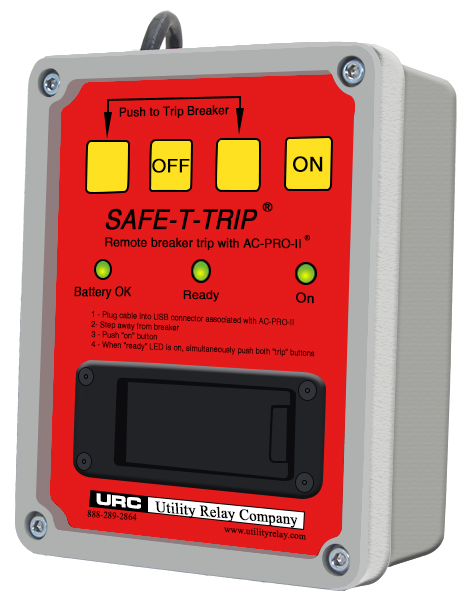
Image Source: www.utilityrelay.com
The Purpose of Circuit Breakers: More Than Just an Off Switch
Circuit breakers are vital safety devices in your home’s electrical system. They act as automatic switches that protect your wiring from damage caused by electrical problems. Their primary role is overload protection.
What Happens When a Circuit is Overloaded?
Imagine you plug in too many appliances into one outlet, or a faulty appliance draws too much power. This excess demand creates a surge of electricity. Without a circuit breaker, this surge could overheat the wires, leading to:
- Fires: Overheated wires can melt insulation and ignite surrounding materials.
- Damage to Appliances: Sudden surges can fry sensitive electronic components.
- Electrical Shocks: Damaged wiring increases the risk of dangerous shocks.
A circuit breaker detects this overload and quickly “trips,” interrupting the flow of electricity to that specific circuit, thereby preventing these hazardous situations.
Types of Circuit Breakers
While the main function is the same, you might encounter different types of breakers:
- Standard Breakers: These are the most common and protect against overloads and short circuits.
- GFCI (Ground Fault Circuit Interrupter) Breakers/Outlets: These are designed to protect against ground faults, which occur when electricity takes an unintended path to the ground, often through a person. They are commonly found in bathrooms, kitchens, and outdoor outlets.
- AFCI (Arc Fault Circuit Interrupter) Breakers: These protect against dangerous electrical arcs, which can be caused by damaged wires or faulty connections and are a common cause of electrical fires.
Safely Tripping a Circuit Breaker: A Step-by-Step Approach
While you won’t typically need to intentionally trip a breaker under normal circumstances, knowing how to do so safely is part of good electrical troubleshooting and safety first practices. The most common reason you might need to is if you’re working on a specific circuit and need to ensure it’s completely de-energized.
Step 1: Locating Your Electrical Panel
Your electrical panel, often called a breaker box or fuse box, is the central hub for your home’s electricity. It’s usually located in:
- A basement
- A garage
- A utility room
- A hallway closet
The panel has a metal door that swings open to reveal the circuit breakers.
Step 2: Identifying the Correct Circuit Breaker
This is the most crucial step. Each breaker in the panel controls a specific circuit in your home. To identify the correct one:
- Labeling: Most modern electrical panels are labeled. Look for a map or list on the inside of the panel door that indicates which breaker controls which area or appliance.
- Observation: If your panel isn’t labeled, you might need to do some detective work.
- Turn off a breaker and check which lights or appliances go off.
- You can also use a simple circuit tester or a lamp plugged into an outlet to confirm which circuit is active.
- Testing: If you’re unsure, it’s best to err on the side of caution. Turn off the main breaker if you need to work on multiple circuits, but be aware this will cut power to your entire house.
Step 3: Tripping the Breaker
Once you’ve identified the correct breaker, tripping it is straightforward:
- Locate the Handle: Each breaker has a small lever or handle.
- Push the Handle: Firmly push the handle to the “OFF” position. You will feel a distinct click as the breaker trips and cuts power to that circuit.
Important Safety Note: Never touch any wires or electrical components when the breaker is still in the “ON” position or even if you suspect it might be partially tripped. Always ensure the handle is fully in the “OFF” position.
What to Do After a Breaker Trips: Troubleshooting and Restoring Power
Most of the time, a tripped breaker is a sign of an issue that needs attention. Troubleshooting home electricity often starts with the breaker box.
Identifying the Cause of Tripping
A breaker typically trips for two main reasons:
- Overload: Too many devices are drawing power from a single circuit. This is common when you plug in high-wattage appliances (like microwaves, hair dryers, or space heaters) on the same circuit as other devices.
- Short Circuit: This occurs when a hot wire accidentally touches a neutral wire or a ground wire. This creates a path of very low resistance, causing a massive surge of current that immediately trips the breaker. Short circuits can be caused by damaged wires, faulty appliances, or loose connections.
Steps for Safely Resetting a Tripped Breaker
Once you’ve identified and addressed the potential cause, you can try resetting a tripped breaker.
- Ensure the Cause is Addressed:
- For Overloads: Unplug some of the appliances from the affected circuit. Move them to a different circuit if possible.
- For Short Circuits: This is more serious. If you suspect a short circuit, you may need to call an electrician. Do not try to reset the breaker repeatedly if you suspect a short circuit. Unplug any new appliances you recently connected to the circuit.
- Locate the Tripped Breaker: A tripped breaker will usually have its handle in a middle position between “ON” and “OFF,” or it might be fully in the “OFF” position. Some breakers have a small indicator light or a colored tab that shows they have tripped.
- Reset the Breaker:
- Firmly push the breaker handle all the way to the “OFF” position.
- Then, firmly push the handle back to the “ON” position. You should hear a click.
What if the Breaker Trips Again?
If the breaker trips immediately after resetting, it strongly indicates a persistent problem.
- Persistent Overload: You might still have too many devices on the circuit, or one of the devices might be faulty and drawing excessive power.
- Ongoing Short Circuit: This is a more dangerous situation. Do not continue to reset the breaker. Unplug all devices on the circuit and try resetting it. If it still trips, there is likely a wiring issue or a fault within the circuit itself that requires professional attention.
Restoring Power to GFCI Outlets
If the tripped breaker is a GFCI type, resetting GFCI outlets might be slightly different, as they have a “TEST” and “RESET” button directly on the outlet faceplate.
- Check the Outlet: See if the GFCI outlet has tripped. The “TEST” button will usually be pushed in, and the “RESET” button will be out.
- Address the Cause: Similar to regular breakers, unplug appliances connected to that GFCI outlet or a downstream outlet if it’s a “feed-through” GFCI.
- Reset the GFCI Outlet: Press the “RESET” button firmly. If it stays engaged, power is restored.
- If the GFCI Still Trips: If the GFCI outlet trips again, it might be faulty and need replacement, or there could be an ongoing electrical issue.
Advanced Troubleshooting and When to Call a Professional
While some electrical issues are simple to resolve, others require expert knowledge.
Common Causes of Persistent Tripping
- Faulty Appliances: An appliance with internal wiring issues can cause a short circuit or draw excessive current.
- Loose Wiring Connections: Loose wires in outlets, switches, or junction boxes can create arcing or short circuits.
- Damaged Wires: Rodents chewing on wires, old or brittle insulation, or damage during renovations can expose wires, leading to faults.
- Undersized Circuits: If a circuit was installed to handle a lower load than what is currently being used, it might consistently overload.
When to Seek Professional Help
- Repeated Tripping: If a breaker trips multiple times after you’ve addressed obvious issues.
- Burning Smells or Sounds: Any smell of burning plastic or the sound of buzzing or crackling from outlets or the electrical panel is a serious warning sign.
- Warm Outlets or Switches: Outlets or switch plates that feel unusually warm to the touch.
- Flickering Lights: Persistent flickering of lights can indicate loose connections or an unstable power supply.
- Uncertainty: If you are ever unsure about the cause of a tripped breaker or how to safely address it.
An electrician has the tools and expertise for safe and accurate electrical troubleshooting, ensuring your home’s electrical system is safe and reliable.
Essential Electrical Safety Tips
Maintaining electrical safety is paramount. Here are some fundamental electrical safety tips:
- Never Force a Breaker: If a breaker is difficult to move, don’t force it. This could indicate a deeper problem.
- Don’t Overload Circuits: Be mindful of how many appliances you plug into a single circuit, especially those with high power demands.
- Use Surge Protectors: Protect your valuable electronics from power surges with quality surge protectors.
- Regular Inspections: Consider having your electrical system inspected periodically by a qualified electrician.
- Keep Appliances Away from Water: Water and electricity are a dangerous combination. Never operate electrical devices near water sources, and ensure GFCI outlets are used in wet areas.
- Unplug Appliances When Not in Use: This can save energy and prevent accidental activation or faults.
- Teach Children About Electrical Safety: Educate your family about the dangers of electricity and proper handling of electrical devices.
- Replace Damaged Cords and Plugs: Frayed cords or damaged plugs are a fire hazard. Replace them immediately.
- Know Where Your Main Shut-Off is: In an emergency, knowing how to shut off power to your entire house can be critical.
Frequently Asked Questions (FAQ)
Q1: What does it mean when a circuit breaker trips?
A: When a circuit breaker trips, it means it has interrupted the flow of electricity to a specific circuit. This happens automatically when there’s an overload (too much power being drawn) or a short circuit (a dangerous electrical fault) to protect the wiring and prevent fires.
Q2: Can I reset a tripped breaker myself?
A: Yes, you can usually reset a tripped breaker yourself, provided you have identified and addressed the cause of the tripping. Unplugging some appliances for overloads or ensuring no faulty devices are connected are the first steps.
Q3: What should I do if a breaker keeps tripping?
A: If a breaker repeatedly trips after you’ve tried to reset it, it signals a persistent electrical problem. This could be a continuous overload or, more seriously, a short circuit. In such cases, it’s best to unplug all devices on that circuit and call a qualified electrician.
Q4: How do I know which breaker to reset?
A: Your electrical panel should have a diagram or labels indicating which breaker controls which part of your home. If it’s not labeled, you may need to systematically identify the tripped breaker by checking which ones are not in the “ON” position or by testing which circuit has lost power.
Q5: Are GFCI outlets different from regular circuit breakers?
A: GFCI (Ground Fault Circuit Interrupter) outlets are a specific type of safety device designed to protect against ground faults, which can cause electric shock. They have a “TEST” and “RESET” button on them. While a GFCI outlet can be integrated into a breaker at the panel (GFCI breaker), individual GFCI outlets provide localized protection at the point of use.
Q6: Is it safe to work on electrical wiring after tripping a breaker?
A: Tripping a breaker is the first step to de-energizing a circuit for work. However, always double-check with a voltage tester to confirm that the power is indeed off before touching any wires or electrical components. Never assume the power is off just because you flipped a breaker; verify it.
Q7: What causes a short circuit?
A: A short circuit happens when an electrical current takes an unintended path, usually by bypassing the normal flow through wires. This can be due to damaged wire insulation, loose connections, faulty appliances, or water intrusion into electrical systems.
By following these guidelines and prioritizing safety, you can effectively manage your home’s electrical system and ensure the protection of your property and loved ones.