
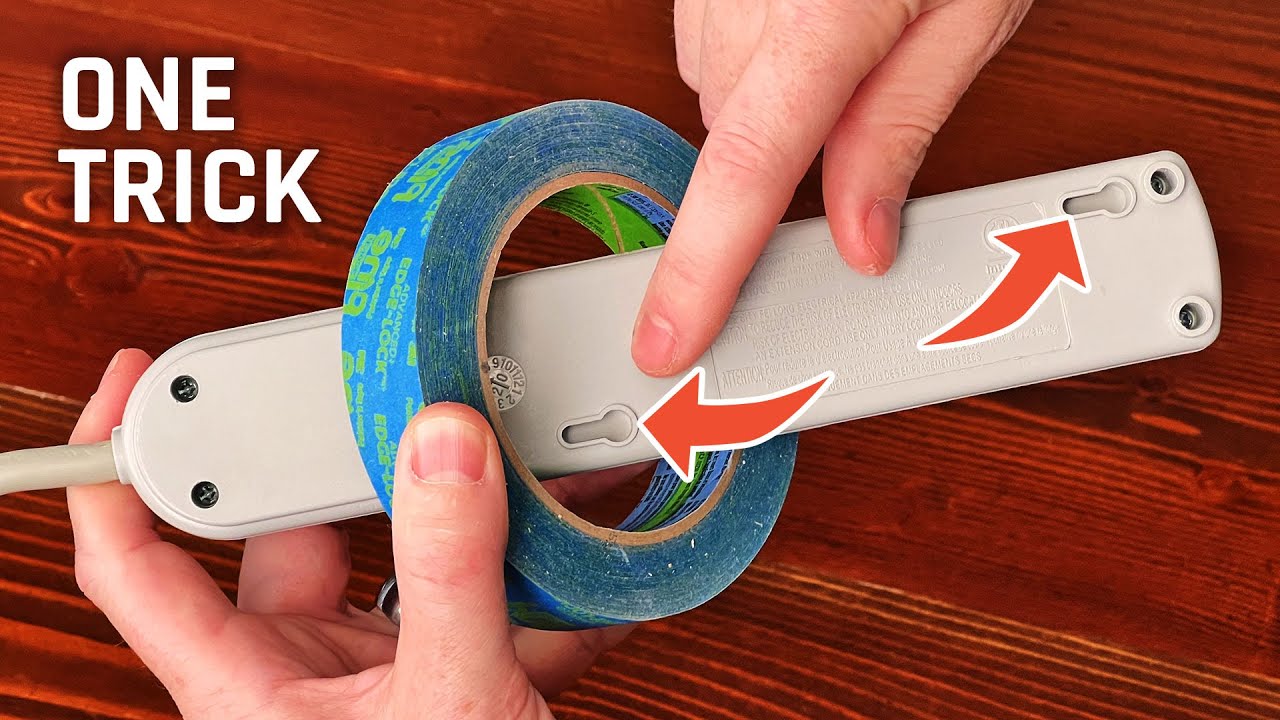
Image Source: i.ytimg.com
How To Secure An Extension Cord To The Wall: Easy Guide
Can you secure an extension cord to the wall? Yes, you can! Securing an extension cord to the wall is a simple yet effective way to improve safety and tidiness in your home or workspace. This guide will walk you through various methods, from using basic cable management clips to more robust extension cord wall mount options, ensuring your power cords stay neatly in place. We’ll cover how to achieve discreet cord management and effective extension cord storage, making securing power cords a breeze.
Why Securing Extension Cords Matters
Loose extension cords are more than just an eyesore; they pose several risks. Tripping hazards are a major concern, especially in busy areas. Untidy cords can also get damaged, leading to potential electrical shorts and fire risks. Furthermore, disorganized cords can hinder cleaning efforts and make it difficult to identify the correct plug when you need it. Properly securing your cords helps prevent these issues, creating a safer and more organized environment. This is where heavy duty cord organizers and smart wall mounted cord solutions come into play.
Choosing the Right Method for Securing Your Cord
The best way to secure an extension cord depends on several factors: the type of wall, the cord’s thickness, how permanent you want the solution to be, and your aesthetic preferences. We’ll explore a range of options, from temporary fixes to more permanent installations.
Simple and Temporary Solutions
For quick fixes or when you don’t want to damage your walls, several simple methods work well.
- Cable Ties for Walls: These are fantastic for bundling cords together and attaching them to existing structures or anchor points. You can use zip ties with adhesive backing or ones that loop through pre-drilled holes.
- Adhesive Cord Holders: These are small, self-adhesive clips that stick directly to the wall. They come in various sizes and shapes, perfect for guiding cords along baseboards or behind furniture. Many offer a very discreet cord management solution.
- Duct Tape (Use with Caution): While not ideal for long-term use due to potential residue and wall damage, duct tape can be a temporary solution in a pinch. Ensure the wall surface is clean before applying.
More Permanent and Robust Solutions
If you need a more secure and lasting hold, consider these options.
- Cable Management Clips (Screw-In Type): These clips often come with small screws for a more secure attachment to drywall, wood, or other wall materials. They offer better durability than adhesive versions.
- Cord Anchors: These are specialized fasteners designed to hold cords securely against a surface. Some are designed to be screwed in, while others use adhesive. They provide a very reliable way of securing power cords.
- Extension Cord Wall Mount: This is a more substantial fixture, often a bracket or hook system, designed specifically for holding thicker extension cords or even entire spools. They are excellent for extension cord storage and keeping heavy-duty cords off the floor.
- Staples or Cable Clips (for Wood Surfaces): If you’re working with wood surfaces like studs or trim, specialized U-shaped staples or cable clips can be hammered or screwed in to hold cords.
Step-by-Step Guide: Securing Extension Cords
Let’s break down how to use some of the most common methods.
Method 1: Using Adhesive Cord Holders
This is arguably the easiest and most accessible method for most people.
- Prepare the Wall: Clean the wall surface where you plan to place the holder. Use a mild cleaner and ensure the area is completely dry.
- Peel and Stick: Carefully peel the backing off the adhesive pad on the cord holder.
- Apply Firm Pressure: Press the holder firmly onto the desired spot on the wall. Hold it in place for at least 30 seconds to ensure a strong bond.
- Wait Before Use: For best adhesion, it’s recommended to wait at least a few hours (or as specified by the manufacturer) before inserting the cord.
- Insert the Cord: Gently place the extension cord into the clip. If it’s a multi-cord holder, guide each cord into its designated slot.
- Manage Slack: Use additional holders as needed to guide the cord along the wall, around corners, or to its destination. This is key for effective discreet cord management.
Table 1: Pros and Cons of Adhesive Cord Holders
| Pros | Cons |
|---|---|
| Easy to install, no tools required | May not hold very heavy cords |
| Minimal wall damage, good for renters | Adhesive may weaken over time or in heat |
| Variety of styles for aesthetic appeal | Residue can be left on some surfaces |
| Affordable | Not suitable for rough or textured walls |
Method 2: Using Screw-In Cable Management Clips
This method offers a more secure hold and is suitable for heavier cords.
- Select the Location: Decide where you want to secure the cord.
- Position the Clip: Hold the cable management clip against the wall at the chosen spot.
- Mark the Hole(s): Use a pencil to mark the screw hole(s) on the wall.
- Drill Pilot Holes (Optional but Recommended): For harder materials like wood or masonry, drilling a small pilot hole can make screwing easier and prevent the wall from cracking. Use a drill bit slightly smaller than the screw diameter.
- Attach the Clip: Place the clip over the pilot hole(s) and use a screwdriver or drill to fasten the screw(s) securely. Ensure the clip is flush against the wall.
- Thread the Cord: Carefully guide the extension cord through the clip or wrap it around it as designed.
- Secure Tightly: Make sure the cord is snug but not so tight that it damages the insulation.
Table 2: Screw-In Clip Installation Considerations
| Wall Type | Recommended Screw Type | Drilling Needed? | Notes |
|---|---|---|---|
| Drywall | Drywall screws or general screws | Yes (pilot hole) | Use wall anchors for extra support if needed |
| Wood | Wood screws | Yes (pilot hole) | Easy to screw in, provides good hold |
| Masonry | Masonry screws or anchors | Yes (pilot hole) | Requires masonry drill bit and anchors |
Method 3: Installing an Extension Cord Wall Mount
This is ideal for larger or multiple cords, offering robust extension cord storage.
- Choose the Mount Type: Select a mount that suits the weight and number of cords you need to manage. Options range from simple hooks to more elaborate organizers.
- Locate Studs (Recommended): For the strongest installation, locate wall studs using a stud finder. Attaching to studs provides superior support, especially for heavy duty cord organizers.
- Mark Mounting Holes: Position the wall mount against the wall and mark the screw hole locations with a pencil. If mounting to studs, ensure the marks align with the stud centers.
- Drill Pilot Holes: Drill pilot holes at the marked locations, especially if you’re using the mount’s screws directly into studs or drywall anchors.
- Secure the Mount: Use the provided screws (or appropriate screws for your wall type) to firmly attach the wall mount to the wall. Ensure it’s level and stable.
- Arrange Cords: Neatly coil or hang your extension cords on the mount. This is an excellent way to keep them organized and accessible.
Table 3: Benefits of Wall Mounts for Cord Management
| Benefit | Description |
|---|---|
| Extension Cord Storage | Keeps cords tidy and off the floor, preventing tangles and damage. |
| Improved Safety | Reduces tripping hazards and potential electrical risks from damaged cords. |
| Enhanced Organization | Makes it easy to find and access the specific cord you need. |
| Space Saving | Utilizes vertical wall space, freeing up floor and surface areas. |
| Aesthetics | Contributes to a cleaner, more professional-looking environment. |
Method 4: Using Cable Ties for Walls (with Adhesive Bases)
This is a versatile option for bundling and directing cords.
- Clean the Surface: Ensure the wall area is clean and dry.
- Attach Adhesive Base: Peel the backing from the adhesive base of the cable tie.
- Press Firmly: Stick the base to the wall and hold for about 30 seconds.
- Allow Adhesion: Let the adhesive cure for a few hours before putting tension on it.
- Thread the Cord: Place the extension cord alongside the wall and thread it through the cable tie opening.
- Tighten the Tie: Pull the tail of the cable tie to secure the cord snugly against the wall. You can also use these to bundle multiple cords together.
Advanced Techniques for Discreet Cord Management
Achieving a truly discreet cord management look often involves combining a few techniques or using specialized products.
- Cord Concealer Channels: These are plastic or vinyl channels that stick to the wall and enclose the cord, hiding it completely. They are often paintable to match your wall color.
- Under-Desk Cable Trays or Sleeves: For office environments, securing cords under your desk using trays or sleeves keeps them out of sight.
- Baseboard Cord Covers: These are designed to blend in with baseboards, effectively hiding cords that run along the floor.
- Strategic Placement: Always consider the natural lines of your room. Running cords along baseboards, door frames, or behind furniture is often the most discreet approach.
Securing Cords in Different Environments
The method you choose might vary depending on the location.
Home Use
In homes, the focus is often on safety, aesthetics, and ease of use. Adhesive cord holders and paintable cord concealer channels are popular for living rooms and bedrooms. For garages or workshops, heavy duty cord organizers and sturdy screw-in clips are more practical.
Office Environments
In offices, functionality and a professional appearance are key. Wall mounted cord solutions that keep desks clear and organized are highly valued. Cable trays, ties, and sleeves are commonly used to manage the multitude of cords from computers, monitors, and other devices.
Outdoor Use
When securing extension cords outdoors, it’s crucial to use weather-resistant products. Look for cord anchors and clips specifically designed for outdoor use, made from UV-resistant materials. Ensure all connections are protected from moisture.
Frequently Asked Questions (FAQ)
Q1: Will adhesive cord holders damage my paint?
A1: Most good quality adhesive cord holders are designed to be removed with minimal residue or paint damage. However, it’s always a good idea to test a small, inconspicuous area first. For very delicate paint, using a hairdryer on a low setting to warm the adhesive before removal can help.
Q2: Can I use extension cords permanently secured to the wall?
A2: While you can securely fasten extension cords, permanent installation should only be done by a qualified electrician. For temporary or semi-permanent needs, using appropriate wall mounted cord solutions like clips or mounts is acceptable, but always ensure the cord itself is in good condition and rated for the intended use.
Q3: What are the best heavy duty cord organizers for thick outdoor extension cords?
A3: For heavy-duty outdoor cords, look for robust plastic or metal cord reels, large cord wraps with heavy-duty Velcro straps, or sturdy wall-mounted hooks designed to support significant weight. Ensure they are made from materials resistant to weather and UV exposure.
Q4: How do I keep cords tidy behind my TV?
A4: Behind a TV is a common place for cord clutter. Use cable management clips, adhesive cord holders, or a cord concealer channel to run cords neatly down the wall. Cable ties are excellent for bundling the various cables together. An extension cord wall mount can also be used to store any excess length.
Q5: Is it safe to run extension cords under carpets?
A5: No, it is generally not safe to run extension cords under carpets. This practice can damage the cord’s insulation, hide potential hazards like overheating, and increase the risk of fire. Cords can also be compressed and damaged by foot traffic. Always keep extension cords visible and secured to walls or floors using appropriate cord anchors or clips.
Q6: What’s the difference between cable management clips and cord anchors?
A6: While both secure cords, cable management clips often have an opening or loop through which the cord passes, securing it in place. Cord anchors are typically designed to hold the cord flat against a surface, often with a specific shape or mechanism to grip the cord. Both are effective for securing power cords.
Conclusion
Securing your extension cords to the wall is a straightforward process that significantly enhances safety, organization, and the overall appearance of your space. Whether you opt for simple adhesive cord holders, durable screw-in cable management clips, or robust extension cord wall mount systems, taking the time to manage your power cords properly will pay off in a tidier, safer environment. By utilizing discreet cord management techniques and effective extension cord storage solutions, you can effectively tame cord chaos and ensure your electrical setup is both functional and safe.