
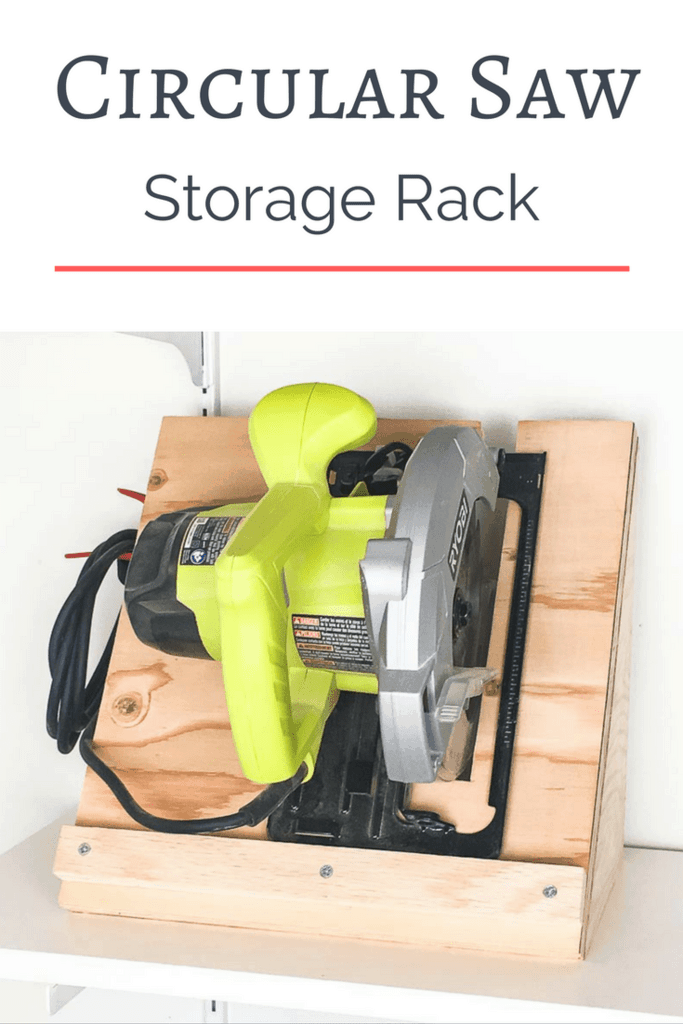
Image Source: www.thehandymansdaughter.com
How to Store a Circular Saw Safely & Keep It Protected
Can you store a circular saw on its side? Yes, you can store a circular saw on its side, but it’s crucial to do so in a way that protects the blade and motor from damage. Proper storage is key to extending the life of your circular saw and ensuring its safe operation.
Proper circular saw storage isn’t just about putting it away; it’s about safeguarding your tool from damage, preventing accidents, and keeping your workspace organized. A well-maintained circular saw performs better and lasts longer. This guide will walk you through the best practices for keeping your circular saw in top condition when it’s not in use, covering everything from protecting the saw blade storage to integrating it into your overall power tool storage system.
Protecting the Saw Blade: The Core of Safe Storage
The blade is the business end of your circular saw. Keeping it sharp, clean, and protected is paramount. Damage to the blade can lead to inaccurate cuts, increased strain on the motor, and dangerous kickbacks.
Safeguarding the Blade Edge
- Blade Guards: Always ensure the retractable blade guard is functioning correctly. It should smoothly retract when cutting and snap back to cover the blade when released. Never force it or attempt to disable it.
- Blade Covers: When not in use, the most effective way to protect the blade edge is with a dedicated blade cover. Many saws come with a simple plastic cover. If yours didn’t, or if it’s lost, you can find aftermarket ones that fit common blade sizes. These covers prevent accidental contact and protect the teeth from chips and debris.
- Avoid Contact with Other Tools: Never store your circular saw directly next to other tools, especially metal ones, that could nick or dull the blade.
Preventing Blade Rust and Damage
- Keep it Dry: Moisture is the enemy of metal. Ensure the blade is dry before storing. If you’ve used the saw in damp conditions, wipe the blade clean with a dry cloth.
- Light Lubrication (Optional): For long-term storage, especially in humid environments, a very light application of a rust-inhibiting oil (like WD-40 or a specialized tool oil) on the blade can help prevent rust. Wipe off any excess. Be cautious not to get oil on the arbor or any surrounding components.
Effective Circular Saw Storage Solutions
Where you store your circular saw depends on your available space and how frequently you use it. Here are several popular and effective power tool storage methods.
Workbench Storage Considerations
Storing your circular saw on your workbench offers immediate access. However, it needs to be done thoughtfully to avoid clutter and potential hazards.
- Dedicated Saw Tray or Holder: A simple wooden or plastic tray designed to hold the saw at an angle can prevent it from rolling and keep the blade guard engaged. This can be built as a DIY project or purchased.
- Under-Workbench Storage: Utilize the space under your workbench. You can create custom shelves or use portable tool chests. Ensure the saw is stable and won’t fall.
- Preventing Dust Buildup: If your workbench is prone to dust, consider covering the saw with a light cloth or placing it in a dedicated storage bin to keep the motor and components clean.
Tool Chest Storage for Portability and Protection
A sturdy tool chest storage solution is excellent for keeping your circular saw and its accessories organized and protected, especially if you move your tools frequently.
- Drawer Dividers: Use foam padding or drawer dividers to create a snug fit for the saw. This prevents it from shifting during transport and protects its housing from scratches.
- Secure Placement: Ensure the saw is placed so its weight is balanced within the drawer. Avoid placing heavy items on top of it.
- Cord Management: Coil the power cord neatly and secure it with a Velcro strap. Tuck it alongside the saw, ensuring it doesn’t snag when the drawer is opened or closed.
Garage Organization: Maximizing Space and Accessibility
The garage is a common place for power tool storage, and with good garage organization, your circular saw can be easily accessed and safely stored.
- Pegboard Systems: A heavy-duty pegboard can be a versatile option. You can use strong metal hooks or custom-made wooden holders to suspend the saw. Ensure the hooks are robust enough to support the saw’s weight and are positioned to keep the blade guard engaged.
- Shelving Units: Sturdy shelving units are essential for any garage. Place the circular saw on a dedicated shelf, perhaps within a sturdy tote or box. Again, ensure it’s stable and won’t tip.
- Wall Mount Saw Storage: This is a popular and efficient method.
- Custom Brackets: You can build simple wooden brackets that cradle the saw, often allowing it to be stored on its side. Make sure the brackets are secure and hold the saw firmly.
- Commercial Wall Mounts: Several companies offer specialized wall mounts for circular saws. These are designed for a secure fit and often allow for easy removal.
- Considerations for Wall Mounts:
- Stud Mounting: Always mount brackets or wall mounts directly into wall studs for maximum support.
- Blade Guard Engagement: Position the mount so the blade guard is naturally engaged or protected.
- Accessibility: Mount it at a height that allows for easy and safe removal and replacement.
Tool Bags: For Mobile Woodworkers
If you transport your circular saw to different job sites, a dedicated tool bag is a must.
- Padded Tool Bags: Look for a bag specifically designed for circular saws or a large, well-padded general tool bag. Padding protects the saw’s body and motor from impacts.
- Compartmentalization: Some tool bags have dedicated compartments for accessories like extra blades, measuring tapes, and safety glasses. This keeps everything organized and prevents smaller items from scratching the saw.
- Secure Fit: Ensure the saw fits snugly within the bag without excessive jostling.
- Blade Protection: Even within a bag, consider placing a blade cover on the saw before zipping it up for an extra layer of protection.
Advanced Storage Considerations: Dust Collection and Accessories
Beyond the saw itself, consider how you’ll store related items to maintain a clean and efficient workspace.
Dust Collection Storage
- Vacuum Systems: If you use a dust collection system with your saw (e.g., a shop vac attachment), store the hose and any connectors neatly. A separate hook or bin for the hose can prevent tripping hazards and keep things tidy.
- Dust Bags/Canisters: If your saw has a dust collection bag or canister, empty it thoroughly before storage. Store it clean and dry to prevent mold or mildew. Some users create small shelves or hooks specifically for these dust collection accessories.
Saw Blade Storage Solutions
Proper saw blade storage is as important as storing the saw itself.
- Blade Cases: Most new saw blades come in protective cases. Keep these cases and store them in a drawer, toolbox, or on a shelf.
- Blade Racks/Holders: For frequently used blades, consider a wall-mounted or drawer-mounted blade rack. These keep blades separated and easily accessible.
- Dedicated Compartments: Within your tool chest or workbench storage, designate a specific, padded compartment for blades.
- Avoid Stacking: Never stack blades directly on top of each other without protective separators, as this can dull teeth and damage the blades.
Ensuring Safe Saw Storage: A Priority Checklist
Safe saw storage is non-negotiable. Here’s a checklist to ensure you’re doing it right:
Pre-Storage Safety Checks
- Unplugged: Always disconnect the power cord from the outlet before storing.
- Cool Down: Allow the saw to cool down if it has been used recently.
- Cleanliness: Wipe down the saw to remove sawdust and debris. This prevents dust buildup in the motor and keeps the tool looking good.
- Guard Functionality: Double-check that the blade guard operates smoothly.
Storage Environment
- Dry Location: Store in a dry environment to prevent rust and electrical component damage.
- Temperature Stability: Avoid extreme temperature fluctuations if possible, as these can affect lubricants and plastics.
- Out of Reach of Children: Always store power tools in a secure location, out of reach of children and untrained individuals.
Maintenance for Longevity
- Regular Cleaning: Periodically clean the saw’s housing, vents, and motor brushes.
- Blade Sharpening: Keep your blades sharp. Dull blades require more force, leading to fatigue and potential accidents. Store sharp blades properly.
- Inspection: Before each use, inspect the saw for any signs of damage, loose parts, or frayed cords.
Integrating Circular Saw Storage into Your Workflow
Your power tool storage should complement your working habits.
Accessibility vs. Security
- Frequent Use: If you use your saw daily, workbench storage or easily accessible wall mounts are ideal.
- Occasional Use: For less frequent use, a tool chest storage or a dedicated spot on a robust shelving unit in your garage might be sufficient.
Workspace Layout
- Clear Pathways: Ensure your storage solutions don’t create tripping hazards or block essential pathways in your workshop or garage.
- Tool Zones: Group similar tools together. For example, keep your circular saw, jig saw, and miter saw in the same general area.
Table: Comparison of Circular Saw Storage Methods
| Storage Method | Pros | Cons | Best For |
|---|---|---|---|
| Workbench Storage | Quick access, keeps saw off the floor. | Can create clutter if not organized, potential for accidental damage. | Frequent use, well-organized workspaces. |
| Tool Chest | Excellent protection, portable, keeps dust away. | Can be bulky, requires drawer space, less immediate access. | Transporting tools, protecting from dust and damage, organized users. |
| Garage Shelving | Space-efficient, keeps tools organized, good for bulk storage. | Can be exposed to dust and temperature fluctuations, requires stability. | General garage organization, storing multiple tools. |
| Wall Mount | Maximizes vertical space, excellent accessibility, very organized. | Requires secure wall mounting, potential for blade exposure if not careful. | Small workshops, efficient space utilization, frequent saw users. |
| Tool Bag | Portable, protects saw during transport, keeps accessories together. | Can be bulky, may not offer rigid protection, can be heavy to carry. | Mobile contractors, users who work at multiple sites. |
Frequently Asked Questions (FAQ)
Q1: Is it safe to store a circular saw with the blade installed?
A1: Yes, it is generally safe to store a circular saw with the blade installed, provided the blade guard is properly engaged and the blade is protected with a cover if possible. Always ensure the saw is unplugged.
Q2: How should I store extra circular saw blades?
A2: Store extra blades in their original protective cases, or in dedicated blade storage racks or compartments. This prevents damage to the teeth and prevents them from contacting other metal objects.
Q3: Can I store my circular saw in a damp garage?
A3: It’s best to avoid storing tools in damp environments. If your garage is damp, consider storing your circular saw in a sealed plastic tote with a desiccant pack to absorb moisture and prevent rust.
Q4: What is the best way to prevent my circular saw from falling off a wall mount?
A4: Ensure the wall mount is securely attached to wall studs. Use robust hooks or brackets designed to hold the saw’s weight. For added security, some mounts have secondary locking mechanisms.
Q5: How often should I clean my circular saw?
A5: Clean your circular saw after each use to remove sawdust. A more thorough cleaning of vents and motor housing can be done periodically, perhaps every few months or if you notice dust buildup affecting performance.
By implementing these circular saw storage strategies, you can ensure your tool remains in excellent working condition, protected from damage, and ready for your next project. Prioritizing safe saw storage is an investment in the longevity and performance of your equipment and your safety.