
Can an indoor extension cord be used outdoors? No, an indoor extension cord should never be used outdoors. Using an indoor cord outside can be dangerous and lead to electric shock, fires, or damage to your appliances and the cord itself. This guide will help you decipher the markings and features that identify a cord truly built for exterior use, ensuring your outdoor extension cord safety.
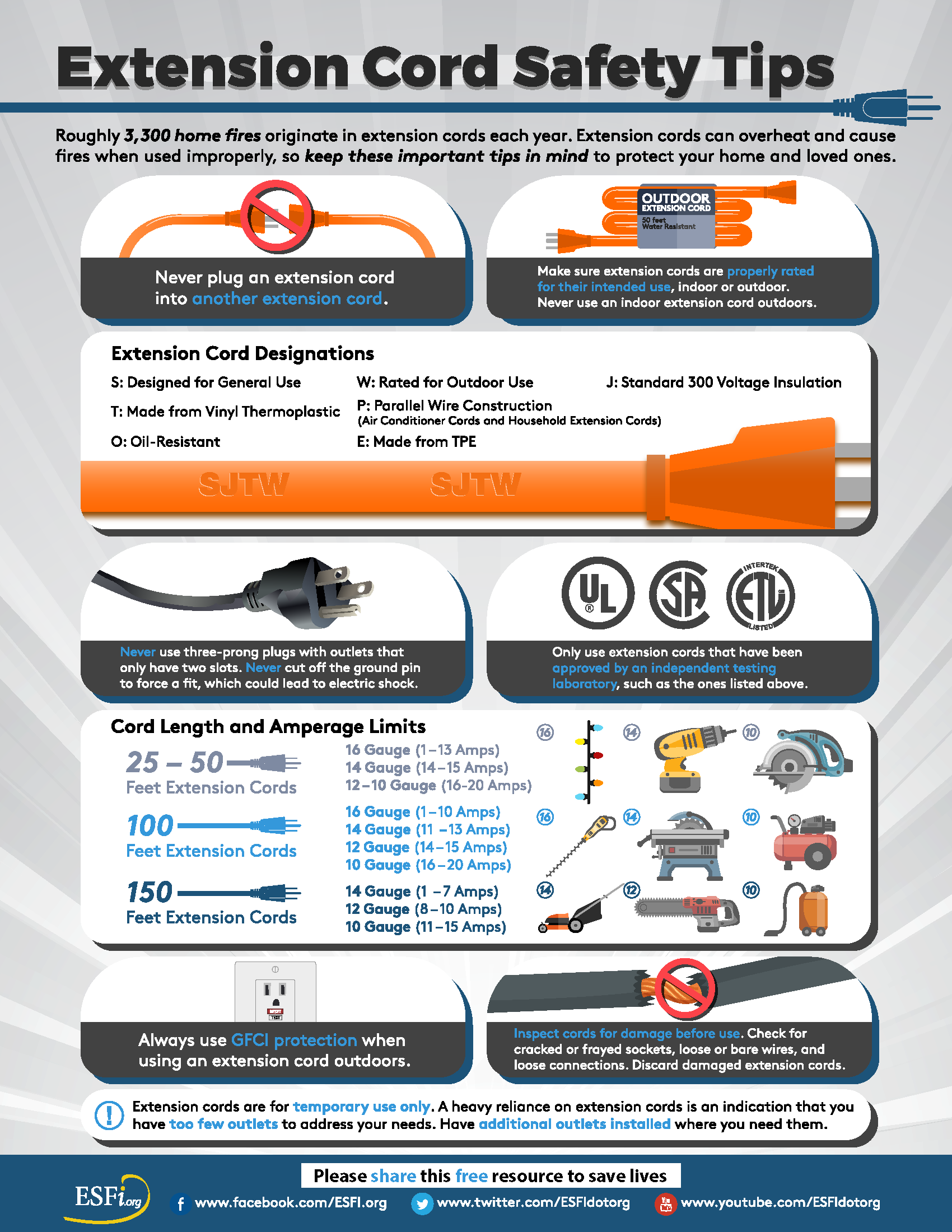
Image Source: swce.coop
Identifying Outdoor Extension Cords: What to Look For
Knowing how to tell if an extension cord is outdoor rated is crucial for safety and performance. Outdoor environments present unique challenges: moisture, extreme temperatures, UV radiation, and physical abrasion. A cord designed for outdoor use is engineered to withstand these elements. Let’s break down the key indicators to help you in identifying outdoor extension cords and ensuring extension cord suitability for exterior applications.
Decoding Outdoor Power Cord Markings
The most direct way to identify a cord’s suitability for outdoor use is by examining its outdoor power cord markings. Manufacturers are required to label their products clearly. These markings provide essential information about the cord’s intended use and capabilities.
The “W” Mark: A Primary Indicator
The most important marking to look for is the letter “W” following the cord’s gauge designation. For example, you might see “16/2 SJTW” or “14/3 AWG. SJOW.” The “W” signifies that the cord is weather-resistant extension cords. This “W” is a crucial outdoor electrical cord rating that tells you the cord is suitable for exposure to the elements.
- SJOOW: This is a highly durable type of outdoor extension cord. “S” means it’s a Service cord, “J” indicates Junior Hard Service (meaning it’s more flexible), “O” means Oil Resistant, and the second “O” means it’s also resistant to Oil Outdoor, and “W” stands for Weather-resistant. These are excellent durable extension cords for outdoor use.
- SJTW: Similar to SJOW, but the second “T” means it’s Thermoplastic insulated and jacketed. This offers good protection against moisture and abrasion.
- STW: This is a heavy-duty cord. “S” for Service, “T” for Thermoplastic, and “W” for Weather-resistant. These are generally heavy-duty outdoor extension cords.
- SJW: This is a cord designed for temporary outdoor use, and it is weather-resistant.
- UF-B: This is Underground Feeder cable. While it’s meant for direct burial, it’s also highly weather-resistant and can be used for surface outdoor applications.
Gauge and Amperage Ratings: Ensuring Proper Load
Beyond weather resistance, the cord’s gauge and amperage rating are critical. The extension cord gauge for outdoor applications determines how much electricity it can safely handle. A thicker cord (lower gauge number) can carry more amperage and is less prone to overheating.
- Gauge: Measured in American Wire Gauge (AWG), numbers decrease as wire thickness increases (e.g., 14 AWG is thicker than 16 AWG).
- Amperage (Amps): This indicates the maximum current the cord can safely carry.
- Voltage (Volts): This indicates the electrical potential the cord is rated for.
Always match the cord’s amperage rating to the appliance you are powering. Overloading a cord can cause it to overheat, melt, and even start a fire. For most outdoor needs, consider heavy-duty outdoor extension cords.
Other Important Markings: UL, ETL, CSA
Look for certifications from recognized testing laboratories like Underwriters Laboratories (UL), Intertek (ETL), or Canadian Standards Association (CSA). These marks indicate that the cord has been tested and meets safety standards. A cord with a “UL Listed” or “ETL Verified” mark, especially with the “W” designation, is a strong indicator it’s an outdoor-rated cord.
Physical Characteristics of Outdoor Extension Cords
Beyond the printed markings, several physical attributes distinguish outdoor-rated cords from indoor ones. These design elements contribute to their durability and extension cord UV resistance.
Jacket Material: The First Line of Defense
The outer jacket is the primary barrier against environmental elements. Outdoor cords typically use robust materials designed for longevity.
- Vinyl (PVC): Many outdoor cords use durable vinyl jackets. Look for types that specify resistance to sunlight, oil, and abrasion.
- Rubber: Rubber jackets are often more flexible, especially in cold temperatures, and offer excellent durability and water resistance. Some specialized outdoor cords might use neoprene or other synthetic rubbers.
Flexibility in Cold Weather
An indoor cord can become brittle and crack in cold temperatures, exposing the wires. Durable extension cords for outdoor use are designed to remain flexible even when exposed to cold weather. This flexibility prevents damage during handling and use in winter conditions.
Insulation Type: Protecting the Conductors
The insulation surrounding the electrical conductors is just as important. Outdoor cords feature insulation that resists moisture, UV degradation, and temperature extremes. While you won’t always see specific insulation types on the outer jacket markings, the “W” rating implies appropriate insulation has been used.
Understanding the “Gauge for Outdoor Applications”
Choosing the right extension cord gauge for outdoor applications is paramount. The gauge affects the cord’s ability to deliver power efficiently and safely over distance.
- 10-12 AWG: These are heavy-duty outdoor extension cords. They are ideal for high-power tools, long extension distances, and situations where the cord might experience significant stress. They have low resistance, meaning less voltage drop over distance.
- 14 AWG: A good all-around choice for many outdoor tasks, like powering string lights, garden tools, or seasonal decorations.
- 16 AWG: Best suited for light-duty tasks, shorter distances, and low-power devices. While some 16 AWG cords are outdoor rated, they may not be suitable for demanding applications.
Table 1: Extension Cord Gauge vs. Amperage Capacity
| Gauge (AWG) | Typical Amperage Rating | Recommended Use |
|---|---|---|
| 10 | 30 Amps | Heavy-duty tools, generators, long runs |
| 12 | 20 Amps | Power tools, medium-duty appliances, moderate runs |
| 14 | 15 Amps | Lighting, small appliances, short runs |
| 16 | 7-10 Amps | Light-duty electronics, string lights, very short runs |
Always refer to the cord’s specific rating and the requirements of your appliance.
The Importance of Extension Cord UV Resistance
Direct sunlight is a harsh environment for many materials, including the plastic and rubber used in extension cords. Over time, UV radiation can break down these materials, making them brittle, causing them to crack, and compromising the cord’s integrity and safety. Extension cord UV resistance is a key feature of outdoor-rated cords. While not always explicitly stated as a standalone marking like “UV resistant,” the “W” rating and the use of specific outdoor-grade materials imply this protection.
Common Misconceptions About Outdoor Extension Cords
Many people mistakenly believe any cord with a thicker gauge is automatically suitable for outdoor use. This is not true. Even a heavy-duty indoor cord lacks the necessary weatherproofing and UV resistance to survive the elements.
Indoor Cords vs. Outdoor Cords: The Dangers
Using an indoor extension cord outdoors is a recipe for disaster:
- Moisture Ingress: Indoor cords are not designed to repel water. Moisture can seep into the insulation and conductors, leading to short circuits, corrosion, and a significant risk of electric shock.
- UV Degradation: Sunlight will break down the jacket material, making it brittle and prone to cracking. This exposes the internal wires to further damage.
- Temperature Extremes: Indoor cords can become stiff and crack in cold weather or soften and melt in extreme heat.
- Physical Abrasion: Outdoor environments often have rough surfaces, rocks, and debris that can easily damage the less robust jacket of an indoor cord.
What About “Heavy Duty” Indoor Cords?
Just because an indoor cord is labeled “heavy duty” or has a lower gauge number doesn’t make it safe for outdoor use. The “heavy-duty” designation often refers to its amperage capacity or its ability to withstand physical stress in an indoor setting, not its resilience to weather.
Features of High-Quality Outdoor Extension Cords
When selecting durable extension cords for outdoor use, consider these premium features:
Molded Plugs and Connectors
Outdoor cords often feature molded, heavy-duty plugs and connectors. These are typically made from durable plastic or rubber and are permanently attached to the cord, offering superior strain relief and protection against moisture and impact compared to older, assembled types.
Built-in Circuit Breakers or GFCI Protection
For added safety, some weather-resistant extension cords come with built-in Ground Fault Circuit Interrupter (GFCI) protection or circuit breakers. A GFCI will quickly shut off power if it detects a ground fault (like current flowing through water), preventing electrocution.
Bright Colors for Visibility
Many outdoor extension cords are manufactured in bright colors like orange or yellow. This isn’t just for aesthetics; it enhances visibility, reducing the risk of tripping hazards or accidental damage from lawnmowers or other equipment.
Long-Life Materials
Reputable manufacturers use materials engineered for longevity in outdoor conditions. This includes specialized jacketing compounds with enhanced extension cord UV resistance and flexibility over a wide temperature range.
Choosing the Right Extension Cord for Your Outdoor Needs
The type of extension cord suitability for exterior applications depends entirely on what you plan to power and for how long.
Light-Duty Outdoor Use
For tasks like powering patio lights, holiday decorations, or a small fountain:
- Gauge: 16 AWG is usually sufficient.
- Length: Choose a length that reaches your power source without excessive slack, but don’t choose a cord that is too short, as this can lead to over-tensioning.
- Markings: Look for “SJW,” “SJTW,” or “SJOW.”
Medium-Duty Outdoor Use
For powering garden tools, leaf blowers, or outdoor stereo systems:
- Gauge: 14 AWG is a good choice.
- Length: Consider your typical reach.
- Markings: “SJTW,” “SJOW,” or “STW” are excellent options.
Heavy-Duty Outdoor Use
For power tools, generators, or demanding equipment that draws significant power:
- Gauge: 12 AWG or even 10 AWG is recommended.
- Length: Account for voltage drop over longer distances. Thicker cords maintain power better over distance.
- Markings: “SJOOW,” “STW,” or cords specifically rated for heavy-duty use. These are truly durable extension cords for outdoor use.
Considerations for Specific Environments
- Wet Conditions: If the cord will be exposed to rain or sprinklers, ensure it has a high degree of water resistance. Markings like “OW” (Oil and Water resistant) or double “OO” (like SJOOW) are beneficial.
- Direct Burial: For cords that might be buried, look for UF-B (Underground Feeder) cable, which is specifically designed for this purpose and highly durable. However, for most surface use, standard outdoor-rated cords are fine.
- Extreme Temperatures: If you live in an area with very hot summers or freezing winters, look for cords that emphasize flexibility in cold and resistance to heat and UV rays.
Maintaining Your Outdoor Extension Cords
Proper care extends the life and ensures the safety of your weather-resistant extension cords.
Inspection Before Use
- Visual Check: Before every use, inspect the entire length of the cord for cuts, nicks, abrasions, melted spots, or exposed wires. Check the plugs and connectors for damage.
- Plug Prongs: Ensure the prongs are straight and free from corrosion.
- Color: Look for any discoloration, which can indicate overheating.
Proper Storage
- Avoid Sharp Bends: Coil extension cords loosely. Avoid tight kinks or sharp bends, as these can damage the internal wires and insulation.
- Dry Location: Store cords in a dry, protected area, away from direct sunlight, moisture, chemicals, and sharp objects. Garage shelves, bins, or cord reels are good options.
- Avoid Pests: Keep stored cords away from areas where rodents might chew on them.
Cleaning
If your outdoor extension cord becomes dirty, clean it with mild soap and water. Ensure the cord is completely dry before storing or using it again. Never use harsh chemicals or solvents.
Frequently Asked Questions (FAQ)
Q1: Can I use a regular extension cord for my patio lights?
A1: If your patio lights are used outdoors, you must use an outdoor-rated extension cord. Regular indoor cords are not built to withstand moisture, sunlight, and temperature changes, posing a safety hazard.
Q2: What is the best gauge extension cord for outdoor power tools?
A2: For most outdoor power tools, a 14 AWG or 12 AWG cord is recommended. Heavy-duty tools might require a 10 AWG cord, especially for longer distances, to prevent voltage drop and ensure adequate power. Always check the tool’s power requirements.
Q3: How do I know if my extension cord is UV resistant?
A3: While not always a separate marking, the presence of the “W” in the cord’s rating (like SJTW or SJOW) generally indicates it’s made with materials that offer good extension cord UV resistance. High-quality outdoor cords are specifically formulated to withstand sun exposure.
Q4: What happens if I use an indoor extension cord outside?
A4: Using an indoor extension cord outdoors can lead to electrical shock, fire, damage to the cord and connected appliances, and potential electrocution due to exposure to moisture, sunlight, and temperature fluctuations.
Q5: Can I bury an outdoor extension cord?
A5: Most standard outdoor extension cords are not designed for burial. You need specific “Underground Feeder” (UF-B) cable for direct burial applications. Always check the cord’s rating for burial suitability.
By carefully examining the markings and understanding the physical characteristics of extension cords, you can confidently select products that offer true outdoor extension cord safety and provide reliable power for all your exterior needs. Investing in weather-resistant extension cords and durable extension cords for outdoor use is an investment in safety and peace of mind.