
A circuit breaker is a safety device designed to interrupt the flow of electricity when it detects a problem. You might need to trip a circuit breaker deliberately for various reasons, such as performing electrical work, testing a circuit, or resolving a power issue. This guide will walk you through the process safely and effectively.
What is a circuit breaker? A circuit breaker is an automatic electrical switch that protects an electrical circuit from damage caused by excess current from an overload or short circuit.
Can I trip a circuit breaker myself? Yes, you can trip a circuit breaker yourself, but it’s crucial to do so safely and with a clear understanding of why you are doing it.
Who is responsible for electrical safety? Everyone involved with electricity is responsible for safety, from electricians to homeowners.
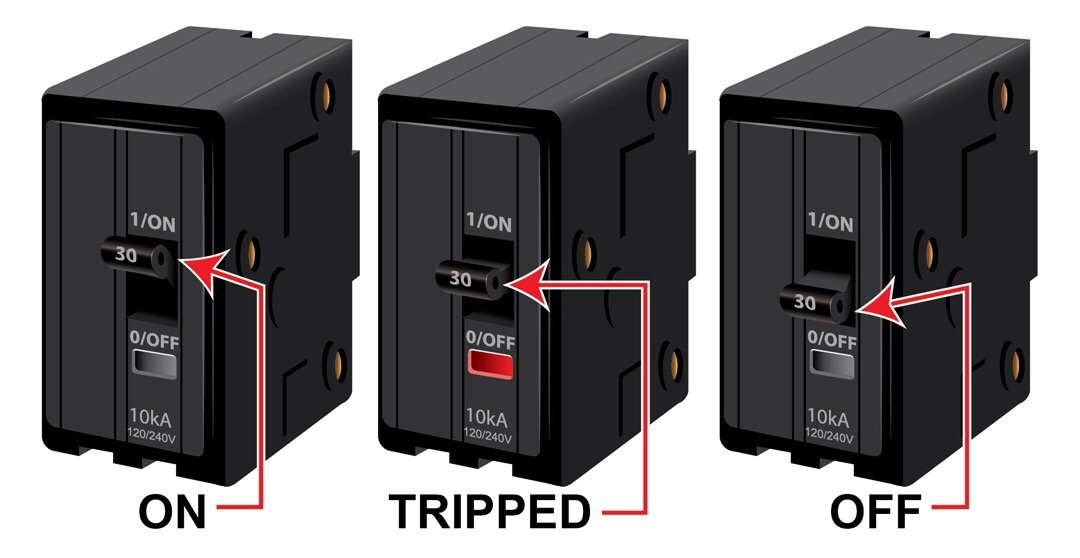
Image Source: hvacrschool.com
Why You Might Need to Trip a Circuit Breaker
Deliberately tripping a circuit breaker is a controlled action, unlike an accidental trip caused by an overload or short circuit. Common reasons for intentionally tripping a breaker include:
- Electrical Maintenance or Repairs: To safely work on a circuit or appliance, you must cut off the power supply.
- Testing Safety Devices: Some smoke detectors or other safety systems require you to test their battery backup by momentarily interrupting power.
- Troubleshooting a Power Outage: If one part of your home loses power, you might need to check and reset the relevant breaker.
- Learning About Your Fuse Box: For those new to home maintenance, understanding how your electrical panel works is essential.
Safety First: Essential Precautions Before You Start
Before you even approach your electrical panel, safety is paramount. Working with electricity can be dangerous if not done correctly.
- Never Touch Exposed Wires: Always ensure all wires are properly insulated.
- Use Insulated Tools: If you plan to work on electrical components, use tools with insulated handles.
- Wear Safety Gear: Consider wearing safety glasses and gloves.
- Know Your Fuse Box: Familiarize yourself with the location and layout of your electrical panel.
- Have a Flashlight Ready: If you are troubleshooting a power outage, you’ll need light.
Locating Your Electrical Panel (The Fuse Box)
The first step is to find your electrical panel, often referred to as the fuse box, even though modern homes use breakers instead of fuses.
- Common Locations: Look for it in:
- A utility room or basement.
- A garage.
- A hallway closet.
- Sometimes on an exterior wall of your home.
- Identifying the Panel: It’s usually a metal box with a door that opens to reveal a series of switches (the circuit breakers).
Step-by-Step Guide to Tripping a Circuit Breaker
Tripping a circuit breaker is as simple as flipping a switch. However, the context and your actions afterward are what matter most for safety and effectiveness.
Step 1: Identify the Circuit You Need to Affect
This is the most crucial step. You need to know which breaker controls the specific area or appliance you are concerned with.
- Labeling: Most modern electrical panels have labels indicating which rooms or appliances each breaker controls.
- Testing (If Unlabeled): If your panel isn’t labeled, you can test carefully:
- Turn on a light or appliance in the area you suspect.
- Go to the electrical panel.
- Flip one breaker off.
- Check if the light or appliance turns off.
- If it didn’t, flip the breaker back on and try another one.
- Once you identify the cause of the issue or the correct breaker, leave it in the “OFF” position.
Step 2: The Act of Tripping the Breaker
Once you have identified the correct breaker, tripping it is straightforward.
- Locate the Breaker: Find the switch corresponding to the circuit you need to turn off.
- Flip the Switch:
- Circuit breakers typically have a lever that moves between “ON” and “OFF” positions.
- To trip a breaker, firmly push the lever from the “ON” position to the “OFF” position.
- You should feel a distinct click as the breaker switches off.
Step 3: Confirm the Power is Off
After flipping the breaker, double-check that the power to the intended circuit has been cut.
- Check the Appliance/Light: Go back to the appliance or light you were testing or working on. Ensure it is completely powered off.
- Use a Voltage Tester (For Advanced Users): If you are performing electrical work, a non-contact voltage tester is an excellent tool to confirm that a circuit is dead. Hold it near wires or outlets; it will light up or beep if voltage is present.
Step 4: Performing Your Task (If Applicable)
If you tripped the breaker to perform maintenance or repairs, this is when you would do that work. Remember to always follow safe practices.
Resetting a Tripped Breaker
After you’ve completed your task or resolved the issue, you’ll need to reset the breaker to restore power.
Step 1: Ensure the Cause is Resolved
This is critical. If you reset a breaker that was tripped due to an overload or short circuit without fixing the problem, it will likely trip again immediately.
- For Overloads: Unplug some appliances or devices from the circuit to reduce the power demand.
- For Short Circuits: Identify and remove the faulty appliance or repair the damaged wiring. A short circuit is a dangerous condition where electricity takes an unintended path, often causing sparks and heat.
Step 2: Resetting the Breaker
- Locate the Tripped Breaker: A tripped breaker often looks like it’s in the “OFF” position, but sometimes the lever might be in a middle position.
- Push the Lever: To reset a breaker, you usually need to push the lever firmly all the way to the “OFF” position first.
- Flip to “ON”: Then, firmly push the lever all the way to the “ON” position. You should hear a click.
Step 3: Test the Circuit
- Check the Appliance/Light: Return to the area and verify that the power has been restored to the appliance or light.
- Monitor: If the breaker trips again, there’s still an issue that needs to be addressed.
What Happens When a Circuit is Overloaded?
An overload occurs when too many appliances are plugged into a single circuit, drawing more electricity than the circuit is designed to handle.
- The Breaker’s Role: The circuit breaker monitors the amount of current flowing through it. If the current exceeds a safe limit for an extended period, the breaker will “trip,” interrupting the flow of electricity to prevent overheating and potential fires.
- Common Causes of Overloads:
- Using high-wattage appliances (like space heaters, hair dryers, or microwaves) on the same circuit.
- Plugging in too many devices into one outlet or extension cord.
- Using older appliances that may draw more power.
What is a Short Circuit?
A short circuit is a more serious electrical fault. It happens when two or more conductors carrying current come into contact with each other, creating a low-resistance path.
- Causes of Short Circuits:
- Damaged or frayed wires.
- Faulty appliances.
- Loose connections.
- Water or moisture coming into contact with electrical components.
- Breaker Response: A short circuit causes a massive surge of current, and the breaker will trip almost instantaneously to protect the wiring and prevent a fire. If you experience a short circuit, it’s essential to identify cause of the fault before attempting to reset breaker.
Troubleshooting a Tripped Breaker
If you find yourself with a power outage in a specific area of your home and the breaker is tripped, here’s how to troubleshoot:
- Locate the Tripped Breaker: Go to your electrical panel and find the breaker that is in the “OFF” or middle position.
- Unplug Appliances: Go to the affected area and unplug all appliances and devices connected to that circuit. Start with the most power-hungry items.
- Attempt to Reset Breaker: Return to the electrical panel and try to reset the breaker by pushing it firmly to “OFF” and then to “ON.”
- Plug In One by One: If the breaker stays on, plug your appliances back in, one at a time.
- Identify the Culprit: The next time the breaker trips, you’ll know which appliance or device is causing the overload or short circuit.
- Seek Professional Help: If the breaker continues to trip even with nothing plugged in, or if you suspect faulty wiring, it’s time to call a qualified electrician.
Can I Reset a Breaker That Keeps Tripping?
While you can attempt to reset a tripped breaker multiple times, it’s generally not advisable if the problem persists. Each time a breaker trips, it indicates an electrical fault. Repeatedly resetting it without addressing the root cause can:
- Overheat the breaker itself.
- Damage the wiring in your home.
- Increase the risk of a fire.
If a breaker trips more than once, it’s a clear sign that you need to identify cause and resolve the underlying issue.
Advanced Scenarios and When to Call a Professional
While most circuit breaker interactions are simple, there are situations where professional help is necessary.
When to Call an Electrician:
- Persistent Tripping: If a breaker trips repeatedly, even after you’ve unplugged everything on that circuit.
- Breaker Won’t Reset: If the breaker lever feels loose, broken, or won’t move to the “ON” position.
- Burning Smells or Sounds: If you smell burning plastic or hear buzzing or sparking sounds from the electrical panel or outlets.
- Signs of Damage: If you see any scorch marks, discoloration, or melted plastic on the breaker or in the electrical panel.
- Unlabeled Fuse Box: If you are uncomfortable or unsure about testing to identify cause of a power outage or tripped breaker.
- Major Electrical Work: Any significant rewiring, addition of new circuits, or installation of heavy-duty appliances.
A qualified electrician has the expertise and tools to safely diagnose and fix complex electrical problems, ensuring your home’s safety.
FAQ: Frequently Asked Questions About Circuit Breakers
-
Q1: How do I know if a breaker has tripped?
A: A tripped breaker will have its lever in the “OFF” position, or sometimes in a middle position between “ON” and “OFF.” The breaker may also feel warm to the touch. -
Q2: What’s the difference between a circuit breaker and a fuse?
A: Both protect circuits from overcurrent. A fuse contains a wire that melts and breaks the circuit when too much current flows. A circuit breaker is an automatic switch that trips off and can be reset. -
Q3: Can I just leave a breaker tripped if I don’t need that circuit?
A: While you can leave it tripped, it’s best practice to identify cause and reset breaker once the issue is resolved or to have it inspected if it trips unexpectedly. An incorrectly tripped breaker might mask an underlying issue. -
Q4: My lights are flickering. What should I do?
A: Flickering lights can be a sign of a loose connection at the light fixture, outlet, or within the electrical panel. It could also indicate a problem with the utility supply. If it’s a recurring issue, call an electrician. You might need to trip the breaker to the affected circuit temporarily if the flickering is severe. -
Q5: Is it safe to reset a breaker in a wet environment?
A: Absolutely not. Never touch your electrical panel or attempt to reset breaker if your hands or the area around the panel are wet. Water conducts electricity and can lead to severe shock or electrocution.
By following these steps and prioritizing safety, you can confidently manage your home’s electrical circuits and address any issues that may arise. Remember, when in doubt, always consult a professional electrician.