
If your air conditioner (AC) keeps tripping the circuit breaker, it’s usually because of an overload, a short circuit, or a faulty wiring issue. Sometimes, a compressor issue, capacitor failure, or even a dirty air filter can also cause your AC to trip the breaker.
Dealing with a tripped circuit breaker when your AC unit is on the fritz can be frustrating, especially during hot weather. It’s a common problem that can stem from various internal and external factors. This comprehensive guide will help you pinpoint why your AC might be tripping the breaker and what steps you can take to resolve the issue, ranging from simple DIY fixes to knowing when to call a professional.
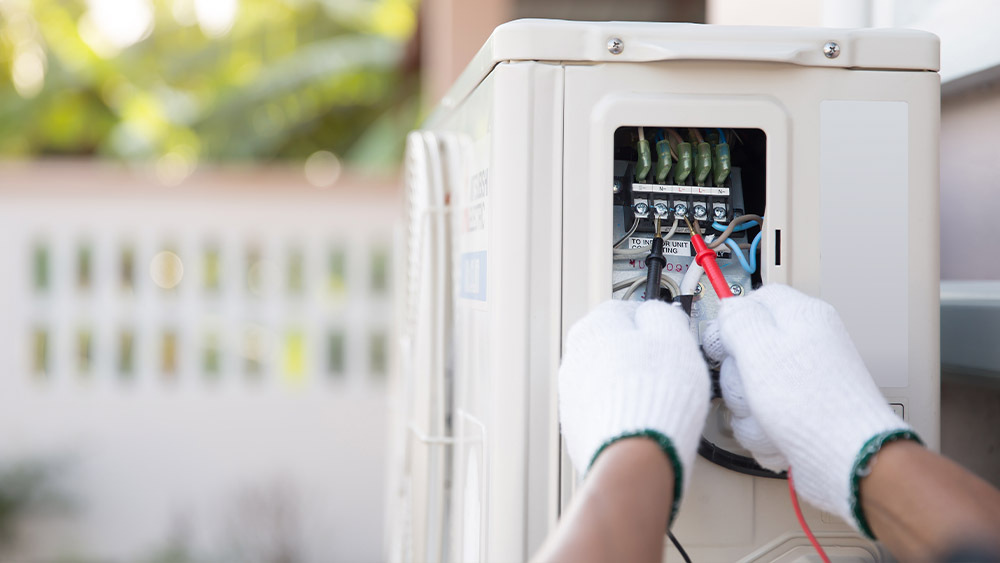
Image Source: cielowigle.com
Deciphering Common AC Tripped Breaker Scenarios
Circuit breakers are safety devices designed to protect your home’s electrical system from damage caused by overcurrents. When an AC unit draws more power than the circuit is designed to handle, or if there’s a fault, the breaker “trips,” cutting off power to prevent overheating and potential fires.
Several factors can lead to this protective shutdown. Let’s explore the most frequent culprits.
The Electrical Overload Explained
An overload occurs when an appliance or system attempts to draw more electrical current than the circuit is rated for. Your AC unit, particularly during startup and operation, is one of the most power-hungry appliances in your home.
What Causes AC Overloads?
- Simultaneous Appliance Use: Running other high-wattage appliances (like dryers, ovens, or microwaves) on the same circuit as your AC can cause an overload. Even if they aren’t running at the exact same moment, if they are on the same circuit, their cumulative draw can exceed the breaker’s limit.
- Undersized Breaker: The circuit breaker might be too small for the AC unit’s power demands. This is a common issue if a unit was installed without verifying the electrical panel’s capacity or if the AC unit itself is too powerful for the existing wiring.
- High Starting Current: AC compressors require a significant surge of power to start up. If the breaker is already at its limit, this initial surge can easily trip it.
- Dirty Air Filter: A clogged dirty air filter restricts airflow. This makes the AC system work harder, drawing more power than it normally would. This increased workload can lead to an overload.
- Refrigerant Leak: A low refrigerant charge due to a refrigerant leak can also cause the compressor to overheat and draw excessive current, potentially leading to an overload. The system has to work much harder to try and cool the air.
How to Address AC Overloads
- Reduce Simultaneous Appliance Use: Try to avoid running your AC on the same circuit as other major appliances.
- Check the Breaker Size: Ensure your AC unit is connected to a breaker with the correct breaker size as recommended by the manufacturer. If it’s undersized, an electrician will need to install a larger breaker and potentially upgrade the wiring.
- Clean or Replace the Air Filter: Regularly check and clean or replace your AC’s air filter. This is a simple maintenance task that can prevent many issues.
- Inspect for Refrigerant Leaks: If you suspect a refrigerant leak, do not attempt to fix it yourself. Contact a qualified HVAC technician immediately.
The Danger of a Short Circuit
A short circuit is a more serious electrical fault where electricity takes an unintended path, bypassing the normal flow through the appliance. This usually happens when a live wire touches a neutral wire or a ground wire. Short circuits create a massive surge of current, causing the breaker to trip instantly.
Identifying Short Circuit Causes
- Damaged Wiring: Worn-out insulation, frayed wires, or wires that have been pinched or cut can lead to a short circuit. This can happen within the AC unit itself, in the thermostat wiring, or in the main power supply to the unit.
- Faulty Components: Internal components within the AC unit, such as the motor, fan, or compressor, can fail internally and cause a short circuit.
- Water Damage: Moisture ingress into electrical components can create a path for current, leading to a short. This might occur from a leak within the unit or from external sources.
Resolving Short Circuits
Short circuits require immediate attention from a qualified electrician or HVAC technician. Trying to fix these issues yourself can be dangerous. They will need to:
- Inspect all wiring for damage.
- Test individual components for internal shorts.
- Replace any damaged wires or faulty parts.
Faulty Wiring: A Hidden Threat
Faulty wiring is a broad category that can encompass several issues, including loose connections, improperly installed wiring, or old, degraded wiring. These problems can lead to increased resistance, overheating, and eventually, a tripped breaker.
Signs of Faulty Wiring
- Discolored Outlets or Switches: Brown or black marks around outlets or switches indicate overheating.
- Burning Smells: A persistent burning smell near the electrical panel or the AC unit is a serious warning sign.
- Flickering Lights: Lights dimming or flickering when the AC kicks on can suggest an issue with the wiring or breaker.
- Breaker Trips Frequently: Even without an obvious overload, if the breaker trips regularly, faulty wiring could be the cause.
Addressing Faulty Wiring
Faulty wiring is a job exclusively for a licensed electrician. They can:
- Inspect the entire electrical system, including the wiring leading to the AC unit.
- Tighten loose connections at the breaker box and the unit.
- Replace outdated or damaged wiring.
- Ensure the wiring is up to code and properly sized for the load.
Compressor Issues: The Heart of the AC
The compressor is the component that circulates refrigerant throughout your AC system. A compressor issue is often a major reason why an AC unit trips a breaker.
Common Compressor Problems
- Seized Compressor: If the compressor motor fails to turn, it can draw a massive amount of current, tripping the breaker immediately. This is often due to lack of lubrication or internal mechanical failure.
- Worn-out Compressor Motor: Over time, the motor windings in the compressor can degrade, leading to increased resistance and higher current draw.
- Starting Capacitor Failure: A capacitor failure can prevent the compressor from starting correctly. The capacitor helps give the compressor motor the initial “kick” it needs to begin running. If it’s weak or failed, the motor might hum or struggle, drawing excessive current, which can trip the breaker.
Fixing Compressor-Related Breaker Trips
- Diagnosing Capacitor Issues: A technician can test the starting and running capacitors. If they are faulty, they will be replaced. This is often a more cost-effective fix than replacing the entire compressor.
- Compressor Replacement: If the compressor itself is failing or has seized, it will likely need to be replaced. This is a significant repair, and the decision to replace it often depends on the age and overall condition of the AC unit.
Capacitor Failure: A Frequent Culprit
As mentioned, capacitor failure is a common issue that leads to AC breaker trips. Capacitors store electrical energy and release it to help start the motors for the compressor and fan.
Types of Capacitors in AC Units
- Start Capacitors: These provide a high surge of power to get the compressor motor spinning.
- Run Capacitors: These help the motor maintain its speed and efficiency once it’s running.
How Capacitor Failure Causes Breaker Trips
If a start capacitor is weak or dead, the compressor might hum but not start. This prolonged attempt to start draws too much current. If a run capacitor fails, the motor might overheat and draw more power than it should, leading to a breaker trip.
Replacing Faulty Capacitors
This is a repair that requires a qualified HVAC technician. They can safely discharge and replace the faulty capacitor.
The Impact of a Dirty Air Filter
While it might seem minor, a dirty air filter can indirectly lead to your AC tripping the breaker.
How a Dirty Filter Harms Your AC
- Restricted Airflow: A clogged filter blocks air from entering the evaporator coil.
- Coil Freezing: Without sufficient airflow, the evaporator coil can get too cold and freeze over. Ice buildup further restricts airflow and puts immense strain on the system.
- Increased Motor Strain: The fan motor has to work harder to pull air through a clogged filter and frozen coil, increasing its power consumption.
- Compressor Overheating: The system may struggle to dissipate heat effectively, causing the compressor to overheat and draw more current.
The Simple Fix: Filter Maintenance
- Regular Checks: Inspect your air filter monthly.
- Replacement/Cleaning: Replace disposable filters every 1-3 months or clean reusable filters as per the manufacturer’s instructions. This simple step can prevent many electrical and mechanical problems.
Thermostat Malfunction: The Control Center
A thermostat malfunction can also cause your AC to behave erratically, sometimes leading to breaker trips.
Thermostat-Related Issues
- Faulty Wiring to Thermostat: Loose or damaged wires connecting the thermostat to the AC unit can cause intermittent signals or short circuits.
- Internal Thermostat Failure: The thermostat’s internal components might fail, sending incorrect signals to the AC unit, potentially causing it to run continuously or in an inefficient manner, drawing excessive power.
- Incorrect Settings: While not a malfunction, incorrect thermostat settings (like trying to cool to an extremely low temperature in very hot weather) can put excessive demand on the system, contributing to overloads.
Troubleshooting Thermostat Issues
- Check Batteries: If you have a digital thermostat, ensure the batteries are fresh.
- Inspect Wiring: Look for any loose or disconnected wires at the thermostat and the AC unit’s control board.
- Reset Thermostat: Some digital thermostats have a reset function.
- Professional Diagnosis: If you suspect the thermostat itself is faulty, a technician can test and replace it.
Refrigerant Leaks: System Imbalance
A refrigerant leak significantly impacts your AC system’s performance and can lead to breaker issues.
How Leaks Cause Problems
- Low Refrigerant Charge: When refrigerant levels drop, the AC system cannot cool efficiently.
- Compressor Strain: To compensate for the low refrigerant, the compressor works harder and longer, leading to overheating and increased current draw.
- Frozen Evaporator Coil: Low refrigerant can also cause the evaporator coil to freeze, creating similar problems to a dirty filter – restricted airflow and motor strain.
Addressing Refrigerant Leaks
- Leak Detection and Repair: A qualified HVAC technician must locate and repair the leak.
- Refrigerant Recharge: After repairing the leak, the system needs to be properly recharged with the correct amount of refrigerant. Never attempt to add refrigerant yourself without proper certification and equipment.
Surge Protector: An Important Safeguard
While not a cause of trips, a surge protector can be a crucial tool for protecting your AC from electrical surges that could damage components and lead to future breaker trips.
Role of Surge Protectors
- Protecting Against Voltage Spikes: Surges can come from lightning strikes or fluctuations in the power grid.
- Preventing Component Damage: These spikes can damage sensitive electronic components within your AC unit, leading to malfunctions that might eventually cause breaker trips.
Using Surge Protection for AC
Consider installing a whole-house surge protector at your electrical panel or a dedicated surge protector for your AC unit. This adds a layer of protection against damaging electrical events.
Troubleshooting Steps: A Practical Approach
When your AC breaker trips, follow these steps systematically:
- Identify the Tripped Breaker: Locate your home’s electrical panel and find the breaker that has flipped to the “off” or middle position.
- Reset the Breaker: Firmly push the breaker to the “off” position, then back to the “on” position.
- Observe:
- If it stays on: The trip might have been a one-time occurrence due to a temporary overload. Monitor your AC.
- If it trips immediately: This indicates a persistent problem like a short circuit, major component failure, or a breaker that’s too small for the load.
- If it trips after a short period: This suggests an overload condition that develops as the unit runs, possibly due to a dirty filter, failing capacitor, or a gradual compressor issue.
- Check Other Appliances: Ensure no other high-draw appliances were running simultaneously on the same circuit.
- Inspect the Air Filter: Check and clean or replace your AC’s air filter if it looks dirty.
- Listen to the Unit: Pay attention to any unusual noises like humming, grinding, or clicking coming from the outdoor unit.
- Check Outdoor Unit: Ensure the area around the outdoor unit is clear of debris and that nothing is blocking airflow.
When to Call a Professional HVAC Technician
While some issues like changing an air filter are DIY-friendly, most AC problems that cause breaker trips require professional expertise. You should call an HVAC technician if:
- The breaker trips immediately or very shortly after resetting.
- You notice burning smells or hear unusual noises from the unit.
- You suspect a refrigerant leak.
- You’ve addressed obvious issues like air filters and appliance loads, but the problem persists.
- You are uncomfortable or unsure about performing any diagnostic steps.
A qualified technician has the tools and knowledge to safely diagnose and repair complex electrical issues, compressor problems, capacitor failures, and refrigerant leaks.
Frequently Asked Questions (FAQ)
Q1: Can I just get a bigger circuit breaker for my AC?
A1: No, you should never replace a breaker with one of a higher amperage rating than the circuit is designed for. Doing so eliminates the safety protection and can lead to overheating wires, electrical fires, and damage to your AC unit. The breaker size must match the wiring capacity and the appliance’s requirements.
Q2: Is it safe to run my AC if the breaker keeps tripping?
A2: It is generally not safe to repeatedly reset a tripped breaker and continue running the AC. Persistent tripping indicates an underlying electrical fault or overload that needs to be addressed. Continuing to run the unit could cause further damage or create a fire hazard.
Q3: How often should I check my AC unit’s air filter?
A3: It’s recommended to check your air filter at least once a month. Depending on your home environment (pets, dust, etc.), you may need to clean or replace it more frequently.
Q4: What is the typical breaker size for an AC unit?
A4: The required breaker size varies greatly depending on the tonnage and efficiency of the AC unit. For residential central air conditioners, common breaker sizes can range from 15 amps to 30 amps or even higher for larger units. Always refer to the unit’s nameplate or the manufacturer’s manual for the correct breaker specification.
Q5: If my AC trips the breaker, could it be a problem with my home’s main electrical panel?
A5: Yes, it’s possible. While the issue is often with the AC unit or its dedicated circuit, problems within the main electrical panel itself, such as loose connections, a faulty main breaker, or an overloaded panel, can also cause or contribute to AC-related breaker trips. A qualified electrician can diagnose issues with the main panel.
By systematically approaching the problem and understanding the potential causes, you can effectively troubleshoot why your AC is tripping the circuit breaker and ensure your home stays cool and comfortable. Remember, safety is paramount, and when in doubt, always consult a professional.