
If your air conditioner (AC) is tripping your circuit breaker, it means there’s an electrical issue that the breaker is designed to stop. This could be due to an AC overload protection issue, a short circuit within the AC unit, faulty AC wiring, or problems with the AC compressor. Can you fix it yourself? For safety reasons, it’s best to call a qualified electrician or HVAC technician to diagnose and repair the problem. Who should you call? A professional with expertise in both electrical systems and HVAC equipment.
A cool home is a welcome relief during hot weather. But what happens when your trusty air conditioner starts causing trouble, specifically by repeatedly tripping your circuit breaker? This is a frustrating problem that can leave you sweating and worried about your home’s electrical system.
When your circuit breaker trips, it’s a signal that something is wrong. It’s a safety feature designed to prevent electrical fires and damage to your appliances. Several factors can cause your AC unit to demand more power than the circuit can safely handle, or to create a situation where electricity is flowing where it shouldn’t be. Let’s dive deep into the common culprits behind a circuit breaker that keeps tripping and how to address them.
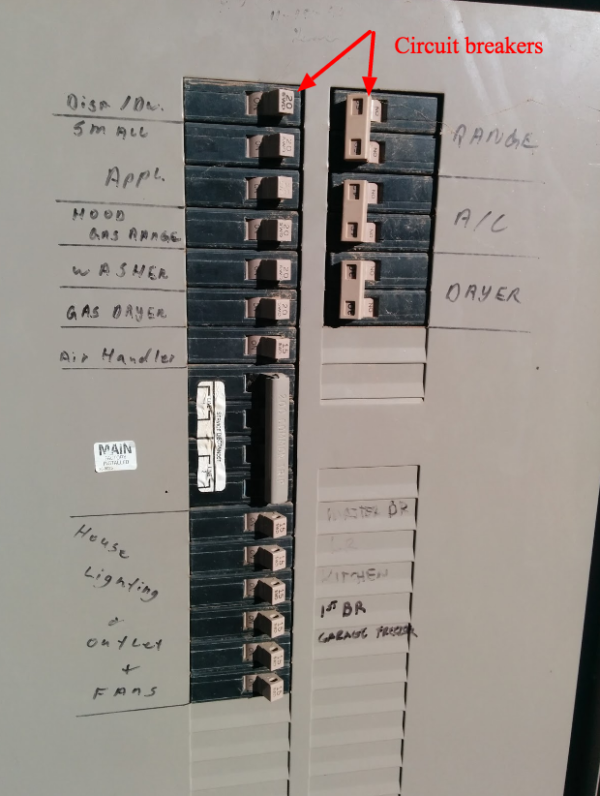
Image Source: advanced-air.com
Fathoming AC Electrical Issues
Your home’s electrical system is intricate. Each circuit breaker is like a gatekeeper, allowing a specific amount of electrical current to flow to different parts of your house. When an appliance, like your AC, tries to draw too much power, or if there’s a fault that causes a sudden surge of electricity, the breaker senses this imbalance and “trips,” cutting off the power. This prevents overheating and potential fires.
There are a few main categories of problems that can lead to your AC tripping the breaker:
- Overload: The AC unit is trying to use more electricity than the circuit is designed for.
- Short Circuit: An unintended path for electricity is created, often due to damaged wiring.
- Mechanical Problems: A component within the AC unit, like the compressor, is failing and drawing excessive power.
Common Culprits Behind a Tripping Circuit Breaker
Let’s explore the specific reasons why your AC might be causing this electrical hiccup.
1. AC Overload Protection Systems and What They Mean
Every electrical appliance, including your AC, has an optimal operating current. The circuit breaker is there to protect the wiring and the unit from drawing too much current. When your AC unit draw exceeds the circuit’s capacity, the breaker will trip. This can happen for several reasons:
- Incorrect Breaker Size: The circuit breaker might be too small for the AC unit’s power needs. If a previous breaker was replaced with one of a lower amperage than recommended by the manufacturer, it might trip even during normal operation.
- Oversized AC Unit on a Small Circuit: Similarly, if a very large or powerful AC unit is installed on a circuit not designed to handle its load, it will frequently trip the breaker.
- Multiple Appliances on the Same Circuit: If your AC shares a circuit with other high-draw appliances (like a toaster oven, hair dryer, or another powerful motor), the combined demand can easily exceed the breaker’s limit.
2. AC Short Circuit: The Danger of Unintended Paths
An AC short circuit is one of the more serious electrical issues AC units can face. It happens when the “hot” (live) electrical wire comes into contact with the neutral wire, or with a ground wire, or even with the metal casing of the unit. This creates a very low-resistance path for electricity, causing a massive surge in current.
- Damaged AC Wiring: Over time, the insulation on the wires within your AC unit or in the wiring connecting it to your home’s electrical panel can degrade, fray, or get damaged by pests or physical stress. If these wires touch, a short circuit occurs.
- Faulty Components: Internal components within the AC unit, such as the motor windings, capacitors, or relays, can fail. When these parts fail, they can sometimes create a short circuit.
- Water Intrusion: If water gets into the electrical components of your AC unit, it can create a conductive path, leading to a short circuit and tripping the breaker. This is particularly a concern with condensation leaks or during heavy rain.
3. AC Compressor Fault: The Heart of the Problem
The AC compressor is like the heart of your cooling system. It’s a powerful motor that pressurizes refrigerant. Because it’s a motor, it often has the highest starting surge of any AC component.
- Worn-Out Compressor: As compressors age, their internal components can wear down. This can cause them to draw more electricity than usual, both when starting up and when running. If the wear is severe, it can lead to an AC compressor fault that draws enough current to trip the breaker.
- Starting Capacitor Failure: The starting capacitor helps give the compressor motor the initial jolt it needs to start spinning. If this capacitor is failing or has failed, the compressor might struggle to start. This struggle can result in a prolonged surge of current, leading to the circuit breaker tripping.
- Seized Compressor: In the worst-case scenario, the compressor motor can seize up, meaning it can no longer turn. When the electrical system tries to power a seized motor, it draws an enormous amount of current, almost instantly tripping the breaker. This is a significant AC electrical fault.
4. Other Electrical Issues AC Units Can Face
Beyond the primary suspects, several other electrical issues AC units can encounter:
- Faulty Start/Run Capacitors: While specifically linked to the compressor, other capacitors in the AC system can also fail. A bad capacitor can cause motors to run inefficiently or draw too much current.
- Overheated Motor: Motors in the fan or the compressor can overheat due to various reasons, such as a lack of lubrication, dirt buildup, or poor ventilation. An overheated motor draws more power as it struggles to operate.
- Wiring Problems: Beyond shorts, general AC wiring problems can cause issues. Loose connections in wire nuts or terminal blocks can create resistance, leading to overheating and increased current draw. Corrosion on electrical contacts can also impede the flow of electricity.
- Thermostat Malfunctions: While less common, a faulty thermostat could, in rare cases, send incorrect signals to the AC unit, causing it to run in an unusual or power-intensive mode.
- AC Power Surge: While often caused by external factors like lightning, an AC power surge can also sometimes be a symptom of an internal electrical fault that is about to cause a short or overload.
Diagnosing the Cause: A Systematic Approach
When your AC circuit breaker keeps tripping, it’s important to approach the diagnosis systematically.
Step 1: Observe the Breaker and the AC Unit
- Which Breaker is Tripping? Is it a specific breaker dedicated to the AC, or a general household circuit? Knowing this helps pinpoint the scope of the issue.
- When Does it Trip? Does it trip immediately when the AC turns on? Does it trip after a few minutes of running? Does it only trip when both the indoor and outdoor units are running? The timing can offer clues. For example, tripping immediately often points to a short circuit, while tripping after a while suggests an overload or a component failing under load.
- Any Unusual Sounds or Smells? A humming sound from the outdoor unit, buzzing from the breaker box, or a burning smell are all indicators of serious electrical issues.
Step 2: Check for Overload Conditions
- Identify Other Appliances: Make a mental note of what else is running in your home when the AC trips. Try running the AC with other major appliances turned off. If the breaker holds, you know you have an overload issue on that circuit.
- Clean Air Filters: A clogged air filter restricts airflow, making the AC work harder. This increased workload can lead to higher power consumption and tripping the breaker. Regularly changing your air filter is crucial maintenance.
- Check Outdoor Unit Airflow: Ensure the outdoor unit (condenser) is not blocked by leaves, debris, or overgrown vegetation. Good airflow is essential for efficient operation. If the unit is struggling to dissipate heat, it will draw more power.
Step 3: Inspect for Visible AC Wiring Problems (With Caution!)
Safety First: Never touch exposed wires or attempt to repair electrical components unless you are trained and have shut off the power at the main breaker.
- Outdoor Unit: Look for any obvious signs of damage to the electrical conduit or wiring leading to the unit. Check for any signs of scorching or melted insulation.
- Indoor Unit (Air Handler): If accessible, and with the power completely shut off at the breaker, you might be able to visually inspect the wiring compartment for loose connections, frayed wires, or burn marks.
Step 4: When to Call the Professionals
If you’ve tried simple troubleshooting like checking filters and other appliances, and the breaker continues to trip, it’s time to call a professional.
- HVAC Technician: For issues related to the AC compressor fault, failing capacitors, motors, or internal AC electrical fault, an HVAC technician is your go-to. They have the specialized tools and knowledge to diagnose and repair the mechanical and electrical components of the AC unit itself.
- Electrician: If the problem seems to stem from the home electrical AC wiring, the circuit breaker itself, or the connection from the house to the outdoor unit, an electrician is necessary. They can assess the integrity of your home’s electrical system.
In many cases, it’s beneficial to have a technician who is knowledgeable about both HVAC and electrical systems to prevent finger-pointing between trades and ensure a comprehensive repair.
Potential Solutions and Repairs
The solution depends entirely on the diagnosed cause.
For Overload Issues:
- Rewiring or Upgrading Circuits: If your AC unit is simply too powerful for its current circuit, a qualified electrician can install a dedicated circuit with a correctly sized breaker and appropriately gauged wiring.
- Load Management: In some cases, a smart thermostat or load management system can be installed to cycle certain appliances off when the AC is running at peak demand, preventing overloads.
For Short Circuit and AC Wiring Problems:
- Replace Damaged Wiring: Any frayed, melted, or damaged AC wiring will need to be replaced by a professional. This might involve replacing sections of conduit or wiring within the unit or the house.
- Repair Loose Connections: A technician will tighten loose wire connections at the breaker panel, disconnect switches, or within the AC unit itself.
- Address Water Intrusion: If water is the culprit, the source of the leak must be identified and repaired. This could be a clogged condensate drain, a damaged evaporator coil, or an issue with the outdoor unit’s casing.
For Compressor and Motor Issues:
- Replace Capacitors: A failing start or run capacitor is a relatively inexpensive part to replace and can often resolve starting issues.
- Repair or Replace Motors: If a fan motor or the compressor motor itself is failing, it might be repairable in some cases, but often replacement is the more cost-effective and reliable solution. A seized compressor usually necessitates a full replacement of the compressor, which can be a significant expense.
- Refrigerant Charge Issues: While not directly electrical, an improperly charged AC system can cause the compressor to work harder and overheat, leading to electrical problems. A technician will check and correct the refrigerant levels.
Preventing Future Tripping
Once the issue is resolved, taking preventative measures can save you future headaches.
- Regular AC Maintenance: Schedule annual check-ups with an HVAC professional. They can identify potential problems like aging capacitors or developing motor issues before they cause a breaker to trip.
- Filter Replacement: Stick to a regular schedule for changing your AC filters (usually every 1-3 months depending on the filter type and your living environment).
- Keep Outdoor Unit Clear: Ensure the outdoor unit has at least 2-3 feet of clearance around it for proper airflow.
- Avoid Overloading Circuits: Be mindful of which appliances are running simultaneously on the same circuits, especially during peak AC usage.
- Electrical Panel Check-ups: Periodically have an electrician inspect your main electrical panel to ensure the breakers are in good condition and that the wiring is up to code.
Frequently Asked Questions (FAQ)
Q1: Can I just reset the breaker and hope for the best?
A1: While you can reset a tripped breaker, doing so repeatedly without addressing the underlying cause can be dangerous. It can mask a serious problem like a short circuit, potentially leading to a fire. It’s best to investigate the reason for the trip.
Q2: My AC breaker trips only when it’s very hot outside. Why?
A2: High temperatures put more strain on your AC system as it works harder to cool your home. This increased demand can push an already stressed system over the edge, causing components to draw more current and trip the breaker. It often points to an issue with the compressor or a need for more efficient cooling.
Q3: My circuit breaker looks old and feels hot. What should I do?
A3: An old, hot, or discolored circuit breaker is a sign of a potential problem. It could be worn out, or there might be loose connections within the breaker or the panel. This requires immediate attention from a qualified electrician.
Q4: What’s the difference between an AC overload and an AC short circuit?
A4: An AC overload occurs when the AC unit draws more current than the circuit can safely handle, usually due to too many appliances on the circuit or a hardworking AC component. An AC short circuit is a more severe fault where electricity flows through an unintended path, causing a massive surge of current.
Q5: Is it safe to run my AC if the breaker keeps tripping?
A5: No, it is not safe. Repeatedly tripping a breaker indicates an electrical fault that could lead to overheating, damage to your AC unit, or even a fire. It’s crucial to stop trying to run the AC and have it inspected by a professional.
Q6: How much does it cost to fix an AC electrical fault?
A6: The cost can vary widely depending on the nature of the fault. Simple fixes like replacing a capacitor might cost a few hundred dollars, while repairing or replacing a faulty compressor or significant AC wiring problems can run into thousands of dollars. Always get a detailed quote from your technician.
By understanding these potential issues, you can better communicate with your HVAC technician or electrician and ensure your home’s cooling system is restored safely and efficiently. Remember, when it comes to electrical problems, safety and professional expertise are paramount.