
Can you clean a saw blade? Yes, you absolutely can and should clean a saw blade to ensure it cuts effectively and safely. Regular saw blade maintenance is crucial for prolonging its lifespan and achieving clean, precise cuts. This guide will walk you through the process of removing stubborn rust and sticky resin from your saw blades, covering everything from cleaning table saw blades to keeping your circular saw blades in top condition.
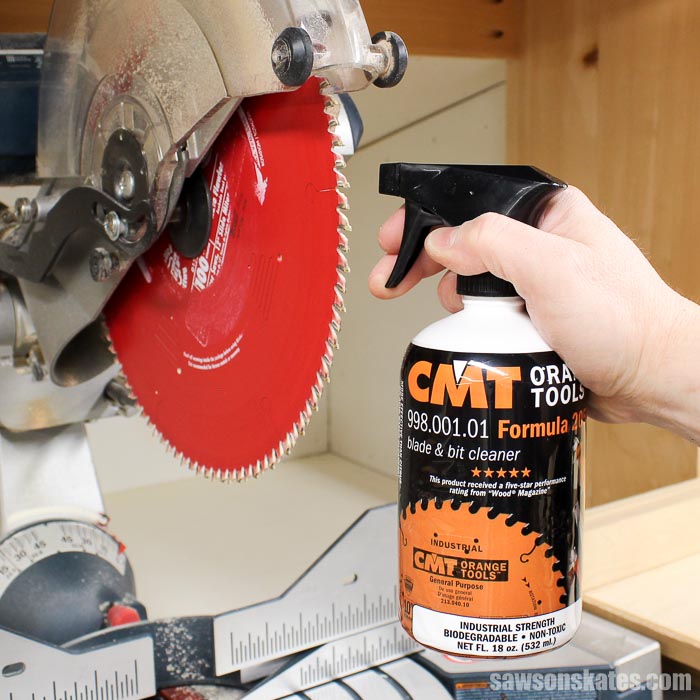
Image Source: sawsonskates.com
Why Keep Your Saw Blades Clean?
Dirty saw blades are more than just an aesthetic problem. They can lead to a host of issues that impact your work and your safety.
Performance Degradation
Resin and pitch build-up acts like a sticky glue, increasing friction. This means your saw has to work harder, leading to:
- Slower Cutting: Your saw will bog down, taking longer to get through materials.
- Rougher Cuts: The blade can snag or tear the wood, leaving a poor finish that requires extra sanding.
- Increased Heat: Friction generates heat, which can dull the blade’s teeth faster and even scorch your workpiece.
Safety Hazards
A blade that isn’t cutting cleanly is a dangerous blade. Increased friction can cause:
- Blade Binding: The blade can get stuck in the material, leading to kickback, where the wood is violently thrown back towards the operator.
- Loss of Control: A struggling saw is harder to control, increasing the risk of accidents.
- Overheating Motors: The added strain can cause your saw’s motor to overheat, potentially leading to damage.
Extended Blade Life
Regular cleaning and proper saw blade care tips can significantly extend the life of your blades. By removing abrasive debris and corrosive elements like rust, you prevent premature dulling and damage to the carbide teeth. This means you won’t have to replace blades as often, saving you money in the long run.
Removing Pitch and Resin from Saw Blades
Pitch and resin from wood are common culprits for sticky, inefficient saw blades. Fortunately, removing pitch from saw blades is a manageable task with the right approach.
Common Blade Cleaning Solutions for Pitch
Several effective blade cleaning solutions can tackle sticky residue. The key is to choose a solution that dissolves the resin without damaging the blade’s material or the brazing that holds the carbide tips.
Degreasing Saw Blades with Household Items
You might be surprised at what you already have in your home to degrease saw blades.
- Citrus-Based Cleaners: Many household cleaners that use d-limonene (derived from citrus peels) are excellent at dissolving resins and pitch.
- Rubbing Alcohol (Isopropyl Alcohol): A strong concentration of rubbing alcohol can effectively break down sticky residue.
- Specialized Saw Blade Cleaners: Dedicated commercial products are formulated specifically for this purpose and often work very well.
Using Commercial Blade Cleaners
Commercial blade cleaners are readily available and formulated for this specific task. They often contain strong solvents designed to quickly dissolve pitch and sap without harming the metal. Always follow the manufacturer’s instructions for safe use.
The Soaking Method for Stubborn Resin
For heavily fouled blades, a soaking method is often the most effective.
- Choose Your Solution: Select your preferred degreasing agent (citrus cleaner, specialized blade cleaner, or rubbing alcohol).
- Find a Suitable Container: Use a shallow pan or tray that can hold the blade flat and is made of a material resistant to the cleaning solution (glass, metal, or sturdy plastic).
- Submerge the Blade: Place the saw blade in the container and pour enough cleaning solution to fully cover the blade’s surface, especially around the teeth.
- Soaking Time: Allow the blade to soak. The time needed will vary depending with the severity of the build-up and the strength of the cleaner, but anywhere from 30 minutes to a few hours is typical. For very tough residue, you might need to soak it overnight.
- Scrubbing: After soaking, use a stiff-bristled brush (an old toothbrush works well for tight spots) or a non-abrasive scrubbing pad to gently scrub away the loosened pitch.
- Rinse Thoroughly: Rinse the blade with clean water to remove all traces of the cleaning solution and dissolved residue.
- Dry Immediately: This is a critical step to prevent rust. Dry the blade thoroughly with a clean cloth.
Alternative Methods for Pitch Removal
- Heat (Use with Caution): Some people have reported success by gently heating the blade (e.g., with a heat gun on a low setting) to soften the pitch, then wiping it away. Extreme caution is advised with this method, as overheating can damage the temper of the blade or the brazing of carbide tips.
- Acetone: While effective at dissolving many substances, acetone can be aggressive. Use it in a well-ventilated area, wear gloves, and rinse thoroughly afterward.
Saw Blade Rust Removal: Protecting Your Investment
Rust is the enemy of sharp metal. Saw blade rust removal requires a bit more effort but is essential for maintaining cutting performance and preventing further damage.
Why Blades Rust
- Moisture Exposure: Even small amounts of humidity can start the rusting process.
- Improper Drying: Failing to dry a blade completely after cleaning or exposure to damp conditions is a primary cause.
- Storage: Storing blades in humid environments or without any protective coating can lead to rust.
Effective Rust Removal Techniques
Several methods can be employed to tackle rust on saw blades. The best approach often depends on how severe the rust is.
Using Abrasives for Light Rust
For light surface rust, a gentle abrasive can be effective.
- Steel Wool (Fine Grade): Fine-grade steel wool (000 or 0000) can often polish away light rust.
- Scouring Pads (Non-Metallic): Abrasive pads designed for cleaning cookware can also work, but avoid overly aggressive ones that could scratch the blade.
Method:
- Apply Lubricant: Apply a small amount of penetrating oil or light machine oil to the rusted area. This helps the abrasive work more smoothly and prevents scratching.
- Scrub Gently: Rub the rusted spots with your chosen abrasive. Work in a consistent direction, following the grain of the metal if possible.
- Wipe Clean: Wipe away the rust residue and oil with a clean cloth.
- Inspect: Check the blade for any remaining rust. Repeat if necessary.
Chemical Rust Removers for Deeper Rust
For more stubborn rust, chemical rust removers are often the best option. These products contain acids that dissolve rust.
- Commercial Rust Removers: Products specifically designed for metal rust removal are widely available.
- Vinegar (White Vinegar): The acetic acid in white vinegar can effectively break down rust.
- Lemon Juice and Salt: The citric acid in lemon juice, combined with the abrasive action of salt, can also tackle rust.
Method (Using Vinegar as an Example):
- Prepare the Solution: Pour enough white vinegar into a non-metallic container to submerge the rusted parts of the blade.
- Soak the Blade: Place the saw blade in the vinegar. For light rust, 30 minutes to an hour might be sufficient. For heavier rust, several hours or even overnight may be needed.
- Monitor Progress: Check the blade periodically. You’ll see the rust starting to lift and dissolve.
- Scrub if Necessary: If some rust remains after soaking, use a stiff brush or fine steel wool to gently scrub the affected areas.
- Rinse Thoroughly: Crucially, rinse the blade extremely well with clean water immediately after removing it from the acidic solution. Any remaining acid can cause new rust to form rapidly.
- Dry Immediately and Completely: This cannot be stressed enough. Dry the blade thoroughly with a clean cloth.
Electrolysis (Advanced Method)
For heavily rusted blades, electrolysis is a powerful, albeit more involved, method. This process uses an electric current in a saltwater solution to convert rust back into metal or a loose oxide that can be easily wiped away. This method requires a power supply, a sacrificial anode, and a container, and is best suited for those comfortable with basic electrical principles.
Post-Rust Removal Protection
After successfully removing rust, protecting the blade is paramount to prevent its return.
- Apply Oil: Coat the blade with a light film of machine oil, WD-40 (though it’s more of a water displacer than a long-term lubricant), or a specialized blade protectant. This creates a barrier against moisture.
- Proper Storage: Store blades in a dry place, ideally in a blade case or wrapped in a lightly oiled cloth. Avoid contact with other metal items that could cause corrosion.
Cleaning Specific Saw Blades
The general principles of cleaning apply to most saw blades, but there are nuances for different types.
Cleaning Table Saw Blades
Table saw blades are often larger and can accumulate a significant amount of pitch and dust.
Process:
- Remove the Blade: Safely detach the blade from the table saw. Ensure the saw is unplugged before attempting this.
- Inspect: Note the amount of pitch and rust.
- Choose Cleaner: Select an appropriate blade cleaning solution, suitable for degreasing saw blades.
- Soak and Scrub: Follow the soaking and scrubbing method described earlier. Pay special attention to cleaning between the teeth and around the carbide tips.
- Rinse and Dry: Rinse thoroughly with water and dry immediately.
- Rust Treatment (if needed): If rust is present, use a rust remover or abrasive method.
- Lubricate: Apply a thin protective oil.
- Reinstall: Carefully reinstall the clean blade onto the table saw, ensuring it’s correctly oriented.
Cleaning Circular Saw Blades
Circular saw blades, whether for handheld or miter saws, also require regular cleaning.
Process:
- Remove Blade: Unplug the saw and remove the blade according to the manufacturer’s instructions.
- Initial Wipe-Down: Use a dry cloth to remove loose dust and debris.
- Tackle Pitch/Rust: Use your chosen blade cleaning solutions and methods (soaking, scrubbing, or rust removal) as described above. Circular saw blades, with their intricate tooth designs, benefit greatly from soaking and gentle brushing.
- Rinse and Dry: Ensure the blade is completely dry.
- Protect: Apply a light coat of oil or protectant.
- Reinstall: Reattach the clean blade securely.
Maintaining Cutting Edges and Saw Sharpening
Cleaning is an integral part of saw blade care, but maintaining cutting edges also involves sharpening.
When to Sharpen
A blade needs sharpening when you notice:
- Increased Force Required: You have to push harder to cut.
- Burning: The wood starts to scorch along the cut line.
- Tearing or Chipping: The cut quality deteriorates.
- Blade Slows Down: The saw struggles to maintain speed.
Can I Sharpen Saw Blades Myself?
Yes, you can sharpen some saw blades yourself, but it requires specific tools and technique, especially for carbide-tipped blades.
Sharpening Carbide-Tipped Blades
Carbide teeth are very hard and require diamond abrasives for sharpening.
- Diamond Files: For minor touch-ups, specialized diamond files can be used to carefully hone each carbide tip. This requires precision to maintain the correct bevel angle.
- Bench Grinders with Diamond Wheels: More aggressive sharpening can be done with a bench grinder fitted with a diamond grinding wheel. This is a more involved process that demands precision to avoid overheating the carbide or the brazing.
- Professional Sharpening Services: For best results, especially with expensive blades, consider using a professional saw blade sharpening service. They have specialized equipment to ensure the correct angles and flatness are maintained, effectively restoring the blade to its optimal cutting performance.
Sharpening Steel Blades
Blades made entirely of steel can often be sharpened with standard grinding wheels or sharpening stones, provided the correct grit and angles are used.
Saw Blade Care Tips for Longevity
Implementing these saw blade care tips will help keep your blades in peak condition:
- Clean After Use: Make it a habit to clean your blades soon after use, especially when cutting resinous woods.
- Dry Thoroughly: Never leave blades wet.
- Store Properly: Use blade cases or wrap them in protective material.
- Avoid Cutting Metal (Unless Designed For It): Using a wood blade on metal will ruin the teeth.
- Inspect for Damage: Before and after cleaning, check for bent teeth, cracked carbide tips, or other damage.
- Rotate Blades: If you have multiple blades, rotate their use to ensure even wear.
- Consider Blade Type: Use the right blade for the material you are cutting.
Frequently Asked Questions (FAQ)
Q1: How often should I clean my saw blades?
A1: It’s best to clean your saw blades regularly, especially after cutting resinous woods. For general use, cleaning them every few months or when you notice a drop in performance is a good practice.
Q2: Can I use oven cleaner on saw blades?
A2: Some oven cleaners contain strong alkaline chemicals that can break down grease and grime. However, they can also be harsh on metals and coatings. If you choose to use oven cleaner, test it on a small, inconspicuous area first and rinse extremely thoroughly afterward. Specialized blade cleaners are generally safer and more effective.
Q3: What is the best way to remove rust from a saw blade?
A3: For light rust, fine steel wool with oil works well. For heavier rust, soaking in white vinegar or a commercial rust remover, followed by gentle scrubbing and thorough rinsing/drying, is effective.
Q4: Does WD-40 clean saw blades?
A4: WD-40 is primarily a water displacer and light lubricant. While it can help remove some light residue and prevent rust, it’s not a strong degreaser for heavy pitch build-up. It’s better used as a rust preventative after cleaning and drying.
Q5: Can I sharpen my own table saw blades?
A5: Yes, you can sharpen table saw blades, but it requires specific tools like diamond files or wheels and precise technique to maintain the correct tooth geometry and bevel angles. Many users opt for professional sharpening services for optimal results.
Q6: What are the consequences of using a dull saw blade?
A6: Using a dull saw blade leads to slower cutting, rougher finishes, increased heat generation, potential for blade binding and kickback, and puts extra strain on your saw’s motor.
By implementing these thorough cleaning and maintenance practices, you’ll ensure your saw blades perform at their best, deliver cleaner cuts, and last significantly longer, making your woodworking projects more enjoyable and productive.